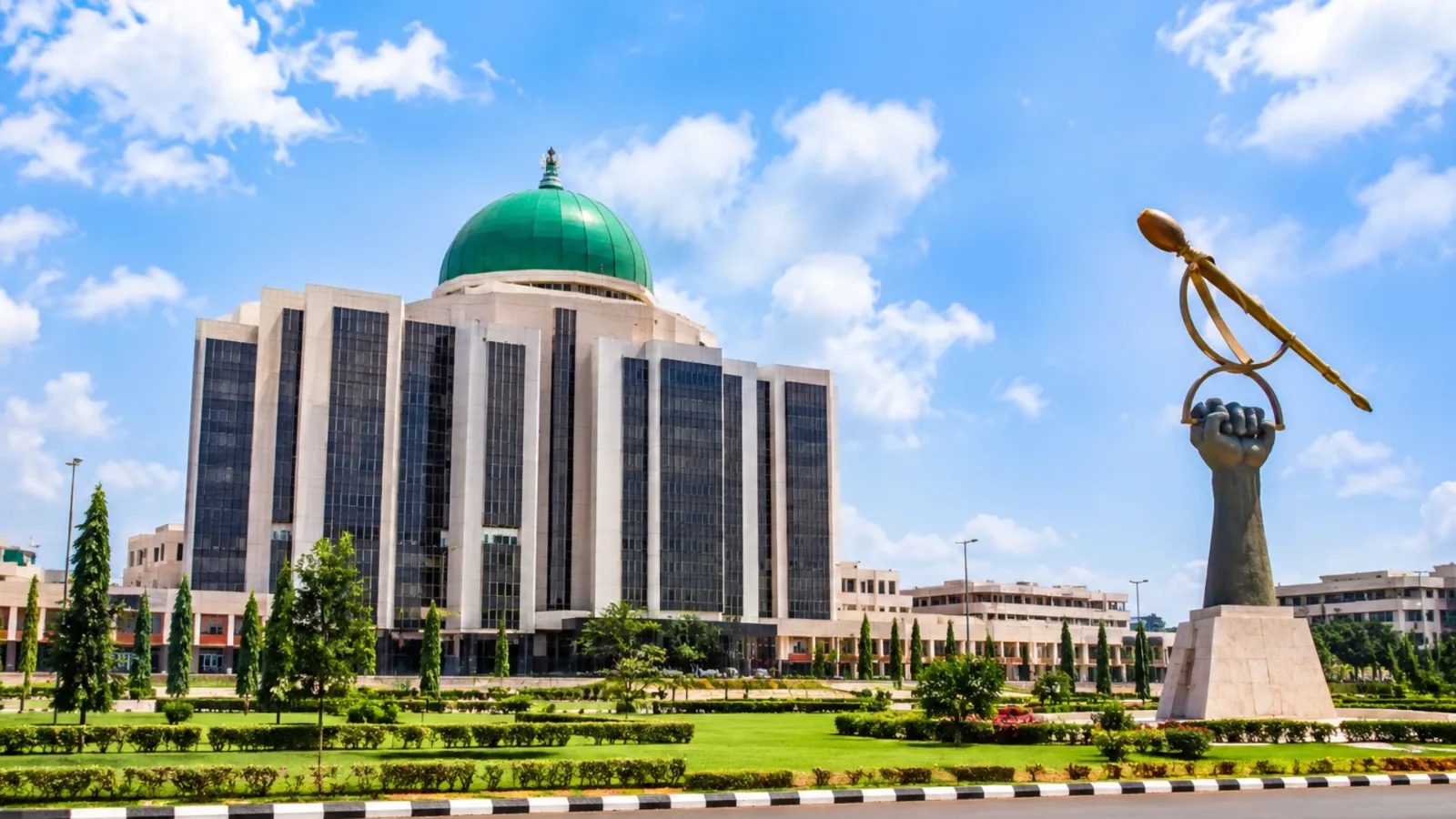
When I consider Nigeria's economic journey, I find myself returning to a question that deserves more attention than it often receives: what exactly does the country get in return for the money its government spends? Nigeria public finance is not simply a conversation about budgets, taxes, borrowing and government revenue. It is also about the quality of the roads people travel on, the schools children attend, the hospitals families depend on and the public buildings expected to serve citizens.
READ: What US Midterm Election Results 2026 Mean for Power.
Read: Do you need a professional writer in 72 hours? Contact Auxi Chat
A government can announce an impressive budget, commission a new building and present ambitious development plans. Yet the experience of an ordinary citizen may remain unchanged if those investments do not translate into dependable services.
READ: Nigerian Americans Win Key Seats in 2026 Midterms.
This is where I believe the conversation about Nigeria's economy needs to become more practical. We should not measure public progress only by the amount of money approved for projects or the number of buildings appearing in official photographs. We should also ask whether those projects work, whether they are properly maintained and whether the public can see the benefits.
Read: Need a professional website in 72 hours? Contact Auxi Chat
The distinction matters because public money is not an abstract figure. It represents resources that could support education, healthcare, transportation, security, housing, business development and other essential responsibilities.
Nigeria's Economy Is Showing Progress, But the Pressure Remains
There are signs of improvement in some of Nigeria's economic indicators. The Federal Ministry of Finance's macroeconomic dashboard reported real gross domestic product growth of 4.43 per cent in the second quarter of 2026. It also reported headline inflation of 14.63 per cent in September 2026, lower than the 23.14 per cent recorded in August 2025.
These figures are important because they help explain the direction of the economy. However, they do not tell the complete story of what households and businesses experience every day.
Economic growth does not automatically mean that every family has more money available. A reduction in the inflation rate does not mean prices have returned to their previous levels. It means prices are increasing at a slower annual rate. For households already struggling with food, transport, rent, electricity and other expenses, that distinction is significant.
The International Monetary Fund's June 2026 assessment also recognised improvements in Nigeria's economic position while warning that conditions remained difficult for many people. Its report estimated that 63 per cent of Nigerians were living below the national poverty line and that 27 million people faced food insecurity in the autumn of 2025.
I think these figures should encourage a more careful approach to public communication. Economic recovery should not be presented as though every Nigerian is already experiencing its benefits. The figures may show improvement at the national level, but the experience of citizens can differ considerably depending on their income, location, employment and access to basic services.
For me, the important question is how government policy can help turn economic improvement into something people can actually feel.
Government Buildings Should Represent Public Value
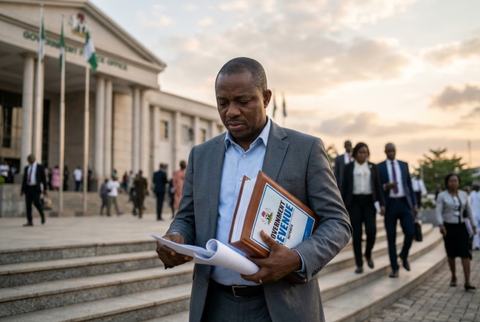
Government buildings are among the most visible symbols of public authority. They house ministries, agencies, courts, legislative institutions and other organisations responsible for delivering services. Their condition can communicate something about how seriously a country takes its public responsibilities.
But I believe we need to look beyond appearances.
A beautifully designed government complex is not automatically evidence of effective governance. A newly constructed office does not necessarily mean that public administration has become faster, more transparent or more accessible. A hospital building is not enough if patients cannot access essential services. A school structure cannot fulfil its purpose without qualified teachers, learning materials and a safe environment.
The same principle applies to roads, bridges, markets, drainage systems and other public infrastructure. Construction is only one stage of development. The real value comes from whether the completed project serves its intended purpose over time.
This is why government spending should be judged by results rather than presentation.
When public buildings are planned, the questions should include how much they will cost to construct, how they will be maintained, who will use them and what public need they are expected to address. These details should be considered before major commitments are made, not only after a project has been completed.
Nigeria has communities where basic public facilities require attention. In such places, the priority may not be another impressive administrative building. It may be a functioning primary healthcare centre, a properly equipped school, a reliable water system or a road that allows farmers and traders to move their goods.
Development should begin with the needs of the people who will use the infrastructure.
Nigeria Public Finance Must Connect Budgets With Results
The 2026 federal budget provides an important example of the scale of decisions involved in managing public resources.
President Bola Ahmed Tinubu assented to the 2026 Appropriation Bill on 17 April 2026. The Federal Government announced an aggregate expenditure of N68.32 trillion. The published breakdown included N15.8 trillion for debt service, N15.4 trillion for recurrent expenditure and N32.2 trillion for capital expenditure, alongside N4.799 trillion for statutory transfers.
Those allocations show how many competing responsibilities government must manage. It must meet existing obligations, pay for the operation of public institutions, service its debts and invest in projects expected to support future development.
However, an approved budget is not the same thing as completed development.
A capital allocation may appear impressive on paper, but citizens need to know whether the projects attached to it are being implemented. They need information about completion dates, procurement processes, contractors, project costs and the condition of completed facilities.
This is where Nigeria public finance becomes a matter of public accountability. The country needs a stronger connection between what government promises, what it approves, what it releases and what eventually reaches the people.
I believe this connection is one of the most important measures of responsible public administration. A budget should not become a yearly collection of announcements that citizens struggle to connect with their daily experiences.
For a deeper look at the revenue side of this debate, readers can explore Global News Arena's report, Nigeria's Tax Reforms Face a Collection ProblemThe discussion is important because government development plans depend not only on how much money is approved for spending, but also on how effectively public revenue is collected.
Public Debt Makes Spending Decisions Even More Important
Borrowing is not automatically a sign of economic failure. Governments may borrow to finance infrastructure, support essential services or respond to extraordinary economic pressures. The important questions are why the money is borrowed, what it finances and whether the resulting investment creates enough public value to justify the cost.
Nigeria's debt position makes these questions particularly important.
The Federal Ministry of Finance's macroeconomic dashboard reported total public debt of N166.7 trillion in the second quarter of 2026. The International Monetary Fund's June assessment also highlighted the pressure that interest payments place on government revenue. It estimated that Federal Government interest payments would amount to approximately 53.7 per cent of federal revenue in 2026.
That is a significant fiscal challenge. When a large share of revenue is committed to interest payments, the resources available for other priorities become more constrained.
It is important to understand that debt service is not the same as the total debt stock. Debt service refers to payments required to meet debt obligations, while the debt stock represents the outstanding amount owed. Both matter, but they tell different parts of the story.
For me, the lesson is straightforward: borrowing should be accompanied by careful planning, transparency and a clear explanation of the benefits expected from the money.
If borrowed funds support productive infrastructure, improve transport, strengthen electricity supply or expand access to essential services, they may contribute to future economic activity. But if projects are poorly selected, abandoned or inadequately maintained, the country may be left with financial obligations without receiving the expected benefits.
That is why public borrowing must be connected to measurable outcomes.
Infrastructure Is More Than Construction
Nigeria's infrastructure challenges are often discussed through the language of new projects. We hear about roads, bridges, power facilities, government offices and other developments. These investments can be necessary, but construction should not be mistaken for the entire process of infrastructure development.
Maintenance is equally important.
A road that is constructed and neglected can deteriorate. A public building without a maintenance plan can become expensive to operate. Drainage channels that are not regularly cleared can contribute to flooding. Electricity infrastructure that is not properly managed can fail to deliver dependable power.
The country therefore needs to place greater emphasis on the full life cycle of public infrastructure. This includes planning, construction, inspection, maintenance, repair and eventual replacement where necessary.
The issue is especially relevant in a country where public resources are limited and competing demands are high. Spending money repeatedly to repair facilities that could have been maintained properly in the first place is not an efficient use of public funds.
The Public Deserves Clearer Information About Government Spending
One of the strongest foundations of public trust is transparency. Citizens should be able to understand how public money is raised, how it is allocated and what it achieves.
This does not mean every person must become an expert in budget documents. It means government institutions should make important information accessible, understandable and timely.
For example, when a public building is approved, citizens should be able to find out its purpose, approved cost, expected completion date and the institution responsible for managing it. When a road project is announced, information about its location, contractor, funding and implementation progress should be available.
The same principle applies to public procurement. Contracts should follow clear procedures, and the public should have access to appropriate information about how decisions are made. Where projects experience delays or cost changes, explanations should be provided.
Accountability should not be treated as an attack on government. It is part of responsible administration. Public officials who manage public resources should expect reasonable questions about the decisions they make.
At the same time, criticism should be based on evidence. A delayed project does not automatically prove corruption, and an expensive building does not by itself establish wrongdoing. Proper reporting must examine contracts, records, project conditions and responses from the relevant authorities before reaching conclusions.
That balance is important. Nigerians deserve scrutiny that is firm, fair and supported by facts.
Small Businesses and Households Must Be Part of the Economic Conversation
When governments discuss economic development, the conversation often focuses on national growth, investment figures and major infrastructure projects. Those issues matter, but they should not push ordinary economic activity into the background.
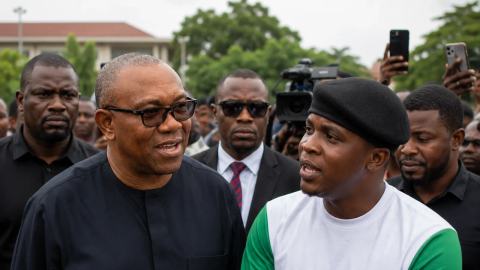
READ: Peter Obi Convoy Attacked in Calabar After Palace Visit: Full Video.
Small businesses are part of the country's economic foundation. Traders, farmers, transport operators, artisans, manufacturers, technology entrepreneurs and service providers all contribute to economic activity.
Their ability to grow is influenced by public decisions. Reliable electricity can reduce operating costs. Good roads can improve access to markets. Efficient public services can make business registration and tax compliance easier. Stable economic policies can help entrepreneurs plan beyond the next few weeks.
This is why government buildings and public infrastructure should be understood as part of a wider economic system. A ministry office, a transport terminal, a public market or a healthcare facility can influence economic activity when it is properly planned and managed.
The government should also recognise that public revenue depends on a functioning economy. Businesses that can operate, employ people and expand their activities are more likely to contribute sustainably to the tax base.
For me, economic policy becomes more meaningful when it recognises these everyday connections.
What Better Public Spending Should Look Like
Nigeria does not necessarily need to spend money on every proposed project. It needs to make stronger choices about which projects deserve priority and how they should be delivered.
A responsible approach should begin with clear public needs. Government should identify the services and infrastructure gaps that affect citizens most directly, then assess which investments can address those problems effectively.
Project selection should be supported by credible cost estimates and realistic implementation plans. Procurement should be transparent, and contractors should be held to the terms of their agreements. Independent inspection and public reporting should help establish whether completed projects meet the required standards.
Maintenance should also be included in project planning. It is not enough to find money for construction while leaving future repairs to uncertainty. Public buildings and infrastructure require operating budgets, responsible management and regular inspection.
There should also be a stronger effort to measure outcomes. Instead of reporting only how much money has been spent, public institutions should explain what has been delivered, how many people benefit and whether the service has improved.
These are not unrealistic expectations. They are basic principles of responsible public administration.
Nigeria's Economic Future Depends on Trust and Delivery
I do not believe the conversation about Nigeria's economy should be reduced to whether a government has announced a large budget or commissioned an impressive building. Those developments may be important, but they are only part of a much larger responsibility.
The real test is what happens afterwards.
Can citizens access the services they need? Are public buildings being used effectively? Are roads maintained? Are schools and hospitals properly supported? Can businesses operate with fewer avoidable obstacles? Are public resources being managed in a way that protects the country's long-term financial position?
These are the questions that should shape the national conversation about public finance.
Nigeria has important economic opportunities, and improvements in some national indicators provide reasons for cautious optimism. But progress will be difficult to sustain if public spending does not translate into better services, stronger infrastructure and a more productive economy.
I believe government should be judged not only by what it announces, but by what it completes, maintains and makes useful to the public.
A new building can represent ambition. A well-maintained public facility can represent responsibility. A transparent budget can strengthen confidence. But a functioning public service is where citizens begin to experience the real value of governance.
That is the standard Nigeria should continue working towards.
The country does not simply need more public projects. It needs public investments that work, institutions that deliver and financial decisions that respect the people whose resources make government possible.
The writer of this article does not claim to know the individuals named personally. The information regarding their backgrounds as published on Global News Arena is based on independent online research.
If you have an article, opinion piece, event or news story you would like published, Global News Arena would love to hear from you.