Understanding Nigeria’s Growing Public Debt
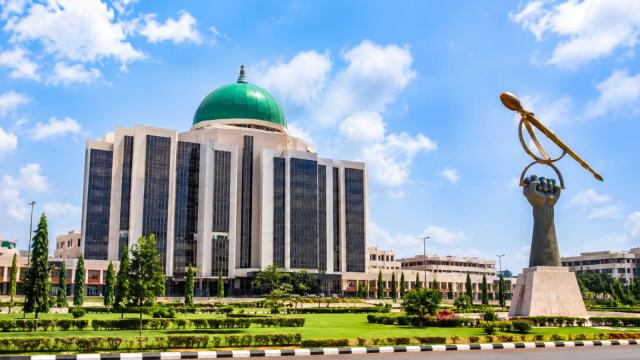
READ: Nigeria Public Finance Needs a Better Test Than New Buildings
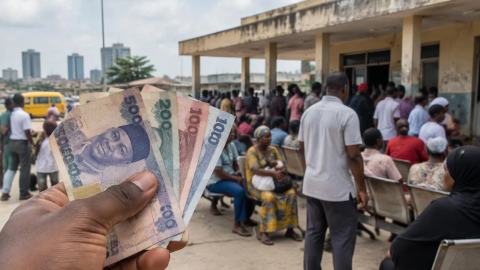
When I look at Nigeria’s public debt debate, I believe the conversation should go beyond the frightening size of the figures. It is important to understand what the country owes, who it owes, why the borrowing is happening, and whether the money is producing results that can support the economy.
Read: Do you need a professional writer in 72 hours? Contact Auxi Chat
According to the Debt Management Office (DMO), Nigeria’s total public debt stood at approximately ₦166.79 trillion as of June 30, 2026. This includes money owed by the Federal Government, the 36 states and the Federal Capital Territory.
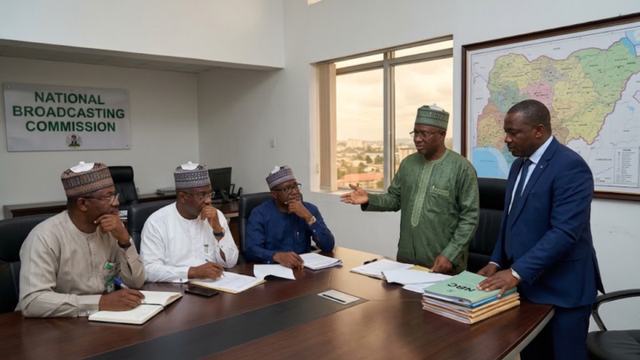
READ: FG Stops Plans To Increase Broadcast Licence Fees
The figure is made up of domestic and external borrowing. Domestic debt is money borrowed within Nigeria, while external debt refers to money borrowed from foreign lenders and institutions.
The distinction matters because both forms of borrowing carry different costs and risks. External debt can also become more expensive in naira terms when the local currency loses value against foreign currencies.
Read: Need a professional website in 72 hours? Contact Auxi Chat
Why the Debt Figure Is Not the Whole Story
One question I believe Nigerians should ask is not simply how much the government owes, but how much it spends to manage that debt.
This is where debt servicing becomes important. Debt servicing refers to the payments made towards interest and, where due, repayment of the original amount borrowed.
The International Monetary Fund estimated that interest payments by the Federal Government absorbed about 53.2 per cent of its revenue in 2025. Its projection for 2026 placed the figure at approximately 53.7 per cent.
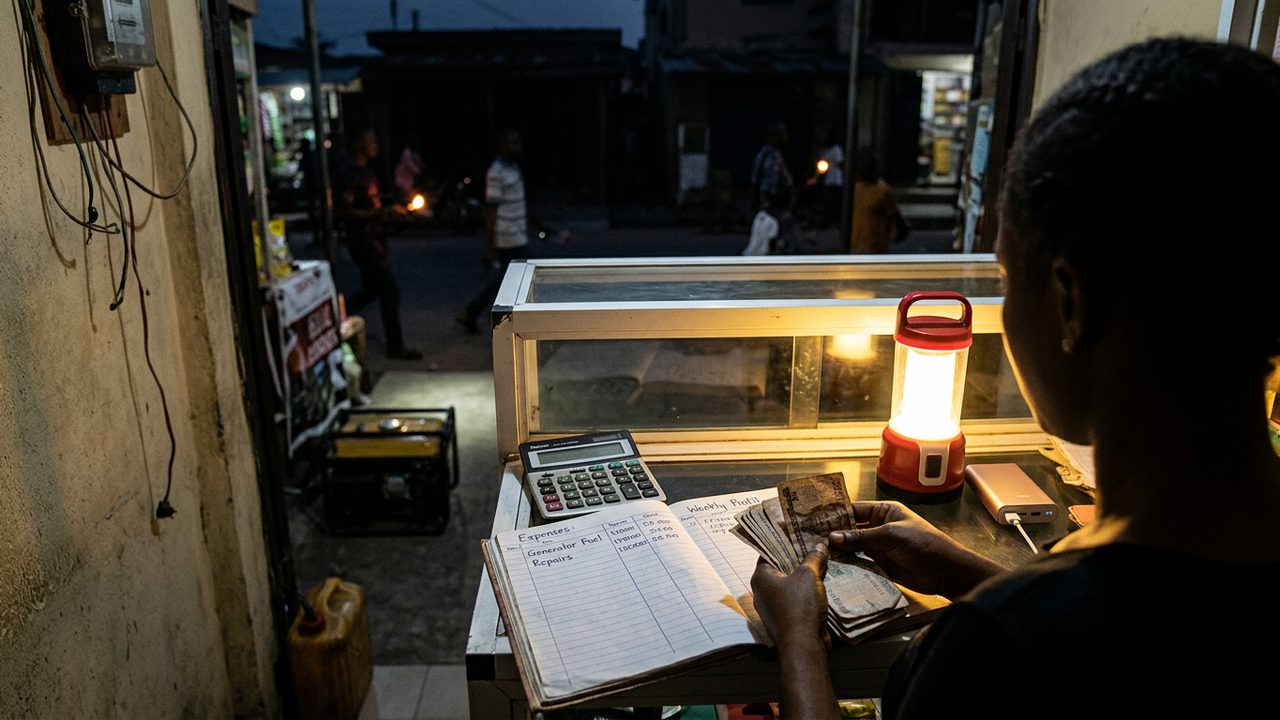
In simple terms, this means that a significant share of the Federal Government’s income is being used to pay interest on existing debt. That leaves less room for other responsibilities, including infrastructure, education, healthcare and public services.
It is important to understand that this interest-to-revenue measure is not the same as saying that more than half of Nigeria’s entire budget goes towards debt. It specifically compares Federal Government interest payments with its revenue.
Where Borrowing Becomes a Public Concern
Borrowing is not automatically a bad economic decision. Governments sometimes borrow to build roads, improve electricity, support essential services and finance projects that may benefit the economy over many years.
The concern arises when borrowed money does not produce enough value, when repayment becomes difficult, or when repeated borrowing is used to cover spending without improving the country's ability to generate revenue.
Nigeria also faces the challenge of raising sufficient public revenue. A country may have a large economy but still struggle to meet its obligations if the government collects too little revenue compared with its spending needs.
This is why improving tax administration, reducing waste, supporting productive businesses and strengthening non-oil revenue are important parts of the debt conversation.
What Nigerians Should Watch Next
For me, the most useful way to follow Nigeria’s public debt debate is to look beyond political arguments and examine measurable results.
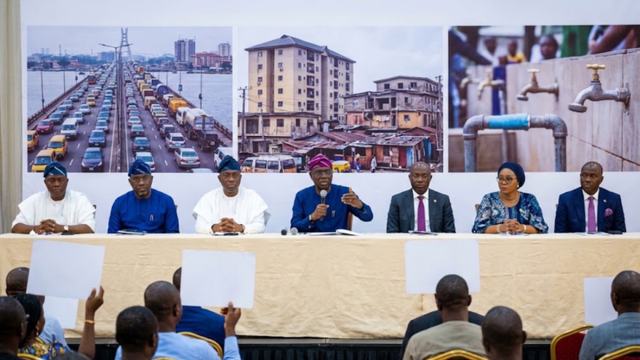
READ: Lagos Governorship Candidates Clash Over Traffic, Housing and Education
Are borrowed funds being used for projects that improve people's lives? Are completed projects delivering value? Is government revenue growing? Are interest payments leaving enough money for essential services?
These questions help turn a complicated financial subject into something ordinary Nigerians can understand.
I also believe transparency matters. Citizens should be able to access clear information about government borrowing, the purpose of each loan, its repayment terms and the progress of projects financed with public money.
The Real Meaning Behind the Numbers
Nigeria’s ₦166.79 trillion public debt figure deserves attention, but it should not be viewed in isolation. The country's ability to generate revenue, manage borrowing costs and use borrowed funds productively is just as important as the total amount owed.
As I see it, the real issue is not simply whether Nigeria borrows, but whether borrowing creates lasting value and whether the country can meet its obligations without placing unnecessary pressure on future generations.
The writer of this article does not claim to know the individuals named personally. The information regarding their backgrounds as published on Global News Arena is based on independent online research. If you have an article, opinion piece, event or news story you would like published, Global News Arena would love to hear from you.