Nigeria Grassroots Sports Development Needs More Than Talent.
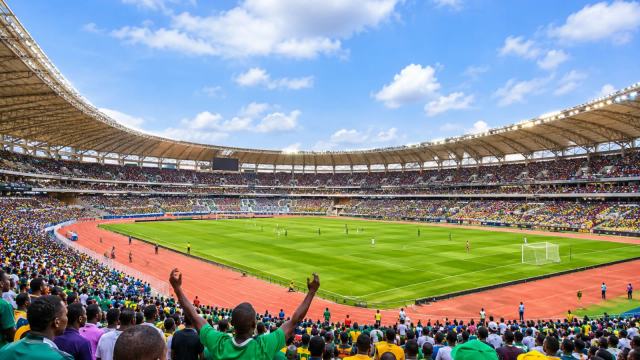
READ: African Football Administration Must Match the Beauty of Its Stadiums
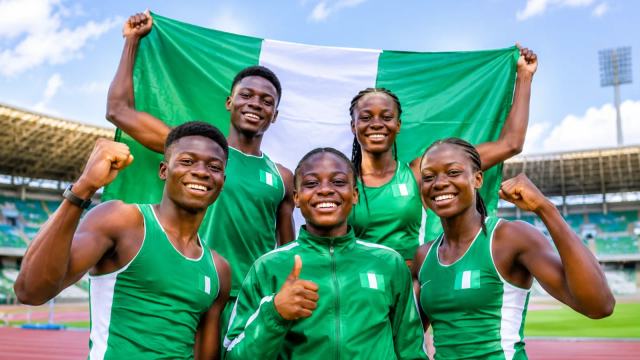
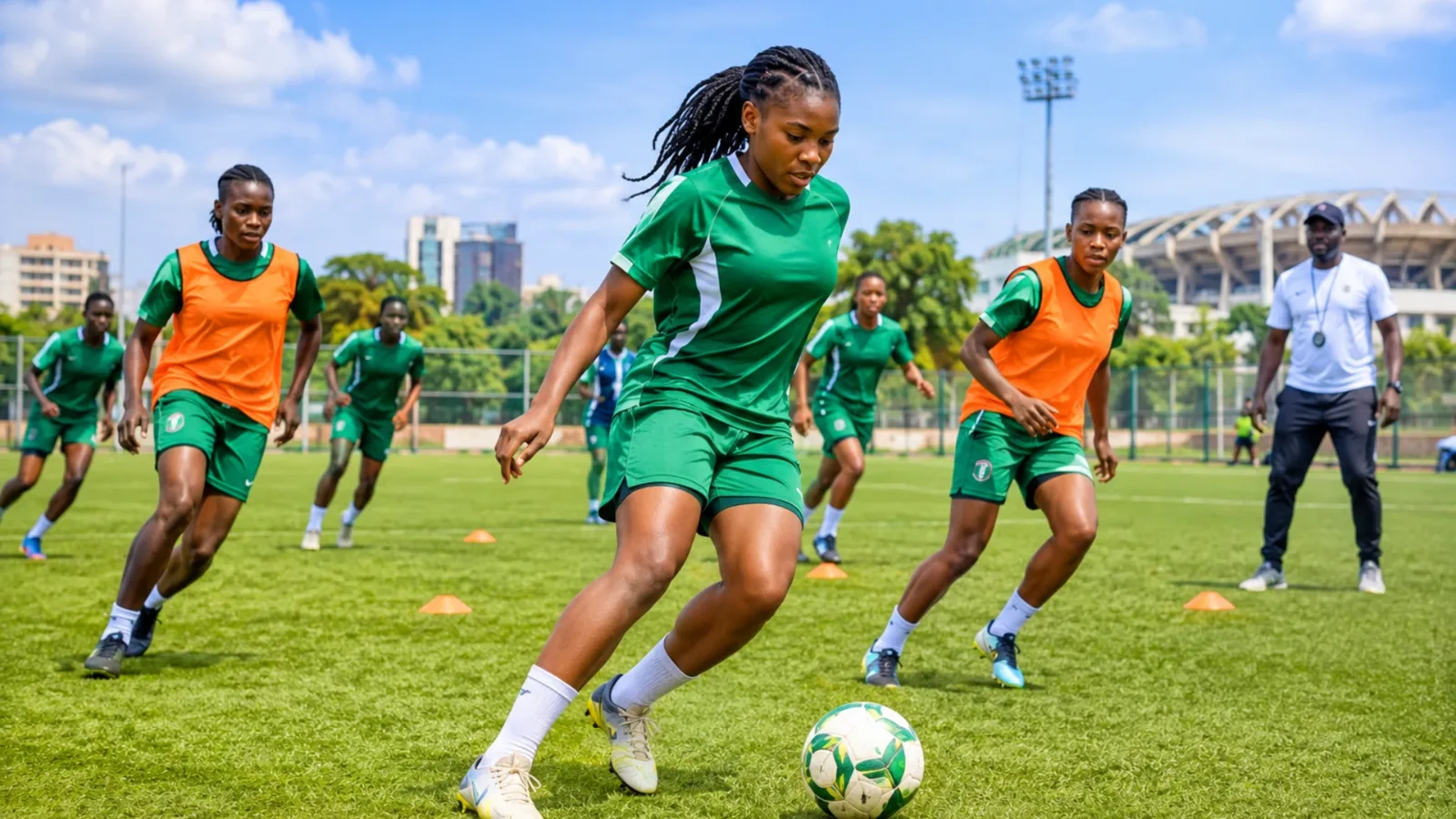
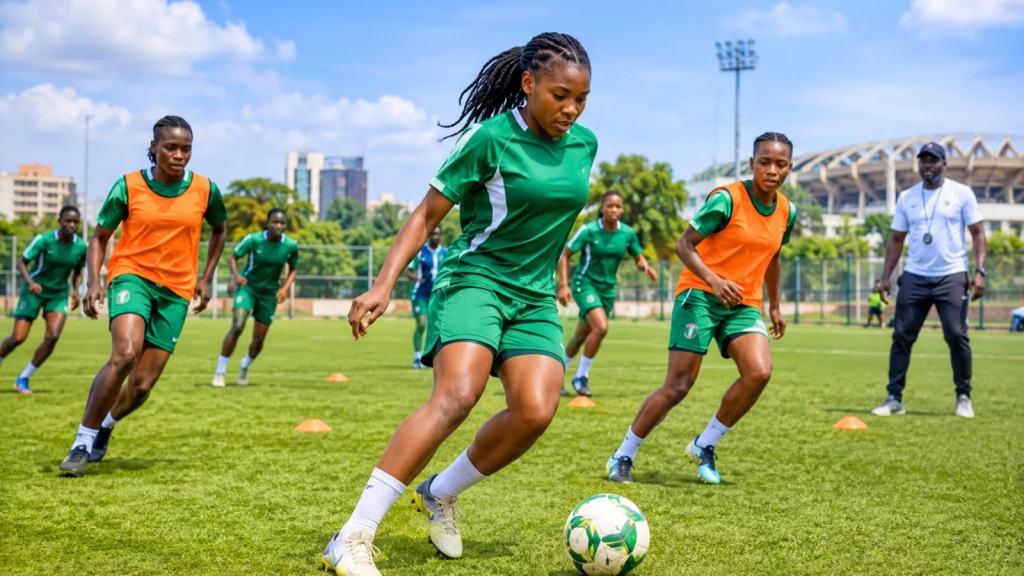
There is something particularly inspiring about watching young athletes train on a community sports ground. They arrive with their ambitions, their determination and the hope that one day their names will be recognised beyond the neighbourhoods where their sporting journeys began. Some dream of representing Nigeria internationally, while others simply want the opportunity to discover how far their abilities can take them.
Read: Do you need a professional writer in 72 hours? Contact Auxi Chat
Yet, behind many of these dreams is a reality that deserves more attention.
READ: Manchester United's winless run reaches nine games.
Nigeria grassroots sports development remains one of the most important conversations the country must have if it hopes to build a sustainable future in international sports. Talent is everywhere, but the facilities, professional guidance, financial support and development opportunities required to nurture that talent are not always available.
What caught my attention about this subject is that Nigeria is not necessarily struggling to find people who can play sports. The more difficult question is whether the country has built enough structures to help promising young athletes progress from their communities to professional and international competition.
Read: Need a professional website in 72 hours? Contact Auxi Chat
That is where the real conversation begins.
The Sporting Dreams That Begin in Nigerian Communities
Before a footballer represents Nigeria on an international stage, there is often a much smaller story behind the journey.
It may begin on a school field, a dusty neighbourhood pitch or a community sports ground where young people gather after their daily activities. Sometimes, the first person to recognise a child's potential is not a professional coach but a teacher, a parent or an older player who notices something special.
These environments are important because they introduce young people to the discipline, teamwork and commitment required in sports.
However, enthusiasm alone cannot sustain an athlete's development.
A talented young footballer needs proper training, suitable equipment and opportunities to compete. An aspiring sprinter needs access to appropriate facilities and qualified coaching. Young athletes interested in basketball, athletics, swimming or other disciplines also require environments that support their development.
Without these opportunities, promising abilities can remain undiscovered.
This is one of the reasons Nigeria must look beyond occasional talent competitions and invest in a more organised grassroots sporting structure.
For a related perspective, read our Global News Arena report, [How Nigeria Can Discover and Develop the Next Generation of Sports Stars.
Nigeria Grassroots Sports Development and the National Conversation
The importance of community sports is receiving renewed attention as preparations continue for the National Grassroots Sports Development Summit 2026.
Scheduled for November 18 and 19 at the Banquet Hall of the Presidential Villa in Abuja, the summit is being organised by the Office of the Senior Special Assistant to the President on Grassroots Sports Development.
The theme is Creating a New Pathway for Sustainable Grassroots Sports Development.
The gathering is expected to bring together sports administrators, government representatives, educational institutions, coaches, athletes, private sector organisations and other stakeholders to examine how Nigeria can improve its sporting development system.
Five major areas are expected to guide discussions: participation, talent development, infrastructure, sports economy and international pathways.
These areas are connected.
A country cannot successfully discover young athletes without providing places where they can train. It cannot develop professional competitors without qualified coaches and regular competitions. It cannot create international opportunities without a system that identifies promising individuals and supports their progress.
The summit therefore presents an opportunity to examine the entire journey of an athlete, from the first community training session to the possibility of representing the country.
The important question is what practical steps will follow the discussions.
The Facilities Challenge Facing Young Nigerian Athletes
One of the biggest obstacles to grassroots sports development is access to suitable sporting facilities.
In some communities, young footballers train on uneven grounds. Others share limited spaces with different sporting activities. Athletes interested in track and field may have no access to proper running tracks, while some schools struggle to provide basic sporting equipment.
These challenges affect more than performance.
A suitable training environment helps athletes develop safely, improve their techniques and receive appropriate guidance.
The absence of such facilities can make it difficult for coaches to identify weaknesses and monitor progress.
This is why sports infrastructure should not be viewed as an expensive luxury reserved for major cities.
Community sporting grounds, school facilities and local sports centres should form part of a wider national development strategy.
Every local government area should have opportunities for young people to participate in organised sports, even if the facilities and programmes differ according to local needs.
Nigeria has 774 local government areas. Building a sustainable sporting system requires recognising that talent can emerge from any of them.
Why Qualified Coaches and Proper Support Matter
A young athlete may possess extraordinary natural ability, but professional development requires more than enthusiasm.
Coaches play an important role in helping athletes understand technique, discipline, teamwork and competition.
They also help identify areas that require improvement and guide young people towards realistic sporting goals.
Unfortunately, not every community has access to qualified coaching personnel.
This creates an important responsibility for sports administrators and educational institutions.
Investing in coach education should become part of the national conversation. Local coaches need opportunities to improve their knowledge, while schools and community academies should be encouraged to adopt organised development programmes.
Young athletes also need appropriate medical support, nutrition education and attention to their overall wellbeing.
For children and teenagers especially, sporting ambitions should develop alongside education and personal development.
A successful sporting system should prepare young people for life, whether they eventually become professional athletes or choose another career.
Grassroots Sports Could Become a Bigger Economic Opportunity
There is another dimension to community sports that deserves serious consideration.
Sports are not limited to the people competing on the field. They create opportunities for coaches, sports journalists, event organisers, equipment suppliers, photographers, facility managers and business owners.
A well organised local competition can attract sponsors, support small businesses and provide opportunities for young people interested in different areas of the sporting industry.
Community academies can also become important institutions when they are professionally managed and financially sustainable.
For Nigeria, this creates an opportunity to connect youth sports development with entrepreneurship and employment.
Private companies should therefore consider grassroots sports as a potential area for responsible investment.
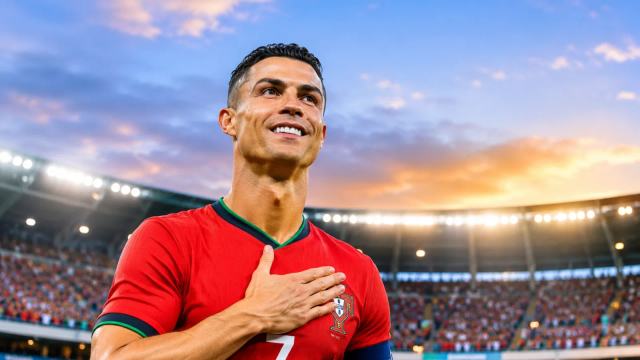
READ: Cristiano Ronaldo Portugal Legacy Beyond the Final Whistle
Sponsoring a community tournament, supporting an academy or helping renovate a school sporting facility can contribute to a larger national development objective.
However, investment must come with accountability. Facilities should be maintained, funds should be properly managed and programmes should demonstrate measurable results.
The Role of Parents, Schools and Government
Grassroots sports cannot succeed through government involvement alone.
Parents are often the first people to recognise a child's interest in sports. Their encouragement can make a significant difference, particularly when young athletes are balancing training with their education.
Schools also have an important responsibility.
Physical education and organised sporting competitions should be treated as meaningful parts of student development rather than activities that receive attention only during annual school events.
Local governments can help by providing suitable community facilities and supporting sporting competitions.
State governments can coordinate talent development programmes, while national sports institutions can establish standards and create pathways for promising athletes.
The private sector can contribute funding, equipment, technical support and sponsorship.
When these responsibilities are properly coordinated, grassroots sports can become a more sustainable national project.
Nigeria Must Stop Leaving Sporting Talent to Chance
Nigeria has produced athletes who have earned recognition across different sporting disciplines.
However, celebrating established champions should also remind the country to examine how the next generation is being prepared.
Somewhere today, a young athlete may be training on a community field with the hope of representing Nigeria one day.
That young person should not have to depend entirely on luck, personal connections or financial privilege to receive an opportunity.
Nigeria grassroots sports development should create a system in which talent can be identified, supported and developed regardless of where an athlete comes from.
The forthcoming national summit offers an opportunity to move this discussion towards practical action.
Its success should eventually be measured through improved facilities, better coaching opportunities, regular competitions and clear pathways for young athletes.
I believe the most meaningful sporting investment Nigeria can make is not simply in the next major tournament or international competition. It is in the young people who are still learning, practising and developing their abilities in communities across the country
Their stories may not yet attract international headlines, but they are part of the foundation upon which future sporting achievements will be built.
The next Nigerian sporting champion may not currently have access to a professional stadium, a famous coach or a major academy.
What that young athlete needs is an opportunity.
And that is precisely what a serious grassroots sports development programme should provide.
The writer of this article does not claim to know the individuals named personally. The information regarding their backgrounds as published on Global News Arena is based on independent online research.
If you have an article, opinion piece, event or news story you would like published, Global News Arena would love to hear from you.