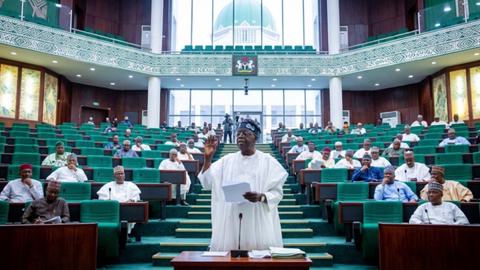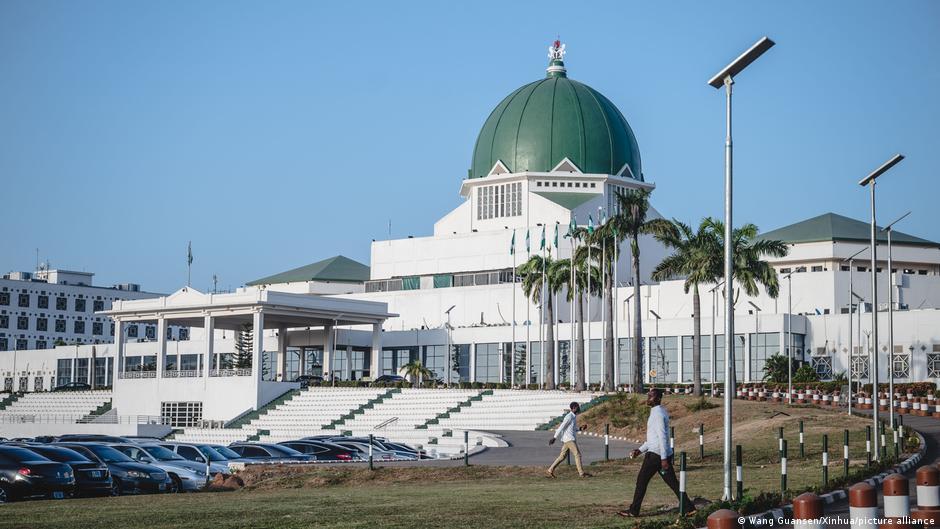
All 36 State Houses of Assembly have approved the proposed constitutional amendment seeking to establish state police services in Nigeria. The development represents full support from the country's state legislatures and moves the State Police Bill closer to the next stage of the constitutional process.
READ: UniAbuja Land Reallocation Protest: Unions Demand Reversal
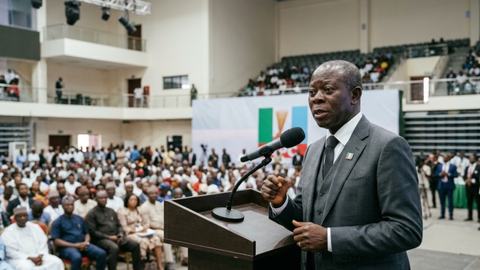
The Clerk to the National Assembly, Kamoru Ogunlana, announced the development on Monday, November 16, 2026, describing the approval as a 100 per cent endorsement by the state legislatures.
Read: Do you need a professional writer in 72 hours? Contact Auxi Chat
The announcement means the proposal has exceeded the constitutional requirement of at least 24 state assemblies, representing two-thirds of Nigeria's 36 states.
READ: Vanguard Online Editor Olufemi Ajasa Dies at 44
The bill is expected to advance through the remaining constitutional and administrative processes before the proposed policing structure can become operational.
How the State Police Bill Secured Approval From All 36 States
Read: Need a professional website in 72 hours? Contact Auxi Chat
The proposed constitutional amendment was transmitted to the 36 State Houses of Assembly on September 16, 2026, for consideration and approval.
The National Assembly requested that the state legislatures communicate their decisions within 30 days. However, the process continued beyond the initial deadline as lawmakers waited for the remaining states to submit their positions.
On November 4, Senate Leader Opeyemi Bamidele disclosed that 30 state assemblies had approved the proposal. The Senate subsequently gave the remaining six assemblies additional time to communicate their decisions.
The Clerk to the National Assembly has now confirmed that all 36 assemblies have approved the proposed amendment.
According to Ogunlana, his office has completed the verification of the approvals and confirmed that the proposal has met the necessary requirements for the next stage.
He described the development as an important demonstration of cooperation between the National Assembly and the state legislatures.
What the Approval Means for Nigeria's Security System
The approval of the State Police Bill represents an important development in Nigeria's efforts to decentralise its policing structure.
Currently, the Nigeria Police Force operates under a centralised federal system. The proposed amendment seeks to establish state police services alongside the federal policing structure.
Supporters of the proposal believe that allowing states to establish their own police services could improve responses to security challenges within their communities.
They argue that state governments may be better positioned to understand local security concerns and coordinate responses based on the conditions in their respective areas.
The proposal is also expected to encourage greater participation by state governments in addressing insecurity.
However, the establishment of state police services will require clear rules on responsibilities, funding, supervision and accountability.
What Happens After All 36 Assemblies Approve the State Police Bill?
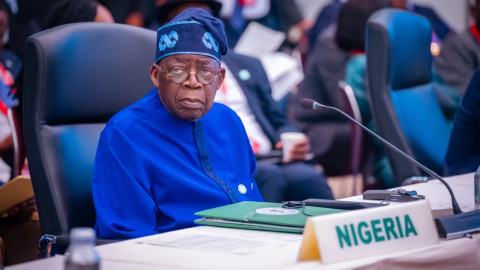
Following the approval by all 36 state assemblies, the Clerk to the National Assembly announced that the verification process had been completed and the bill was ready for transmission to President Bola Tinubu for assent.
The development marks a major step in the constitutional process, although approval by the state legislatures does not automatically mean that state police services can begin operating immediately.
The Presidential Working Group on the National Policing Bill had earlier announced that it submitted a draft National Policing Bill, together with 29 related amendment bills, to the Federal Ministry of Justice for legislative drafting review and validation.
These proposed laws are intended to provide the wider framework for a policing structure involving both federal and state services.
Further legislative and administrative arrangements will be necessary to establish how individual states can create, fund and manage their police services.
Concerns Over Political Interference and Police Accountability
Despite the support recorded across the state assemblies, the proposed establishment of state police has continued to attract questions about accountability and political influence.
One major concern is whether state governors could use their control over state police services to influence investigations, intimidate political opponents or interfere with lawful public activities.
Funding is another important issue. Establishing and maintaining police services would require state governments to provide resources for personnel, training, infrastructure and daily operations.
There are also questions about how state police services would work with the existing federal police structure, particularly when security matters involve more than one state.
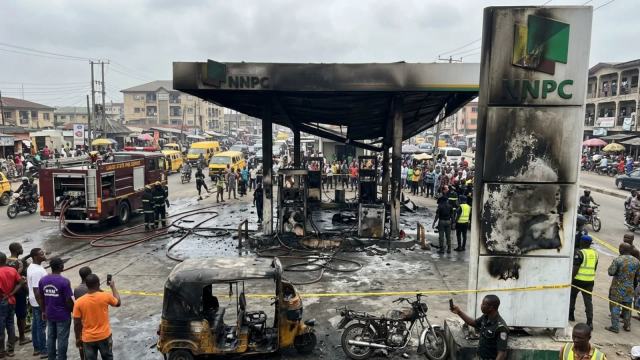
READ: Lagos NNPC Filling Station Explosion: Fire Damages Nearby School in Alimosho
These concerns make it important for the implementing legislation to establish clear standards and independent oversight arrangements.
The Policy and Legal Advocacy Centre has also highlighted the importance of proper funding, certification and accountability before state police services begin operating.
Why the State Police Proposal Matters to Nigerians
The approval of the proposed amendment could represent a significant change in how Nigeria organises its internal security system.
For residents in communities facing persistent security challenges, the proposal raises expectations about the possibility of more locally responsive policing.
However, the success of the proposed system will depend on more than constitutional approval. State governments will need to demonstrate that they can establish professional institutions, provide sustainable funding and protect citizens against the misuse of police powers.
As the National Assembly prepares for the next stage of the process, Nigerians will be watching how the Federal Government and state governments handle the remaining requirements.
The approval by all 36 State Houses of Assembly is an important milestone, but the real test will be whether the proposed system can deliver effective, accountable and impartial policing across the country.
Are you interested in learning how to write professionally and earn money as a writer and content creator? Contact us today to start your writing journey immediately.
Need a professional website in 72 hours? Contact us
Do you need a professional writer in 72 hours? Contact us
If you have an article, guest story, event or news tip you would like published, Global News Arena would love to hear from you.