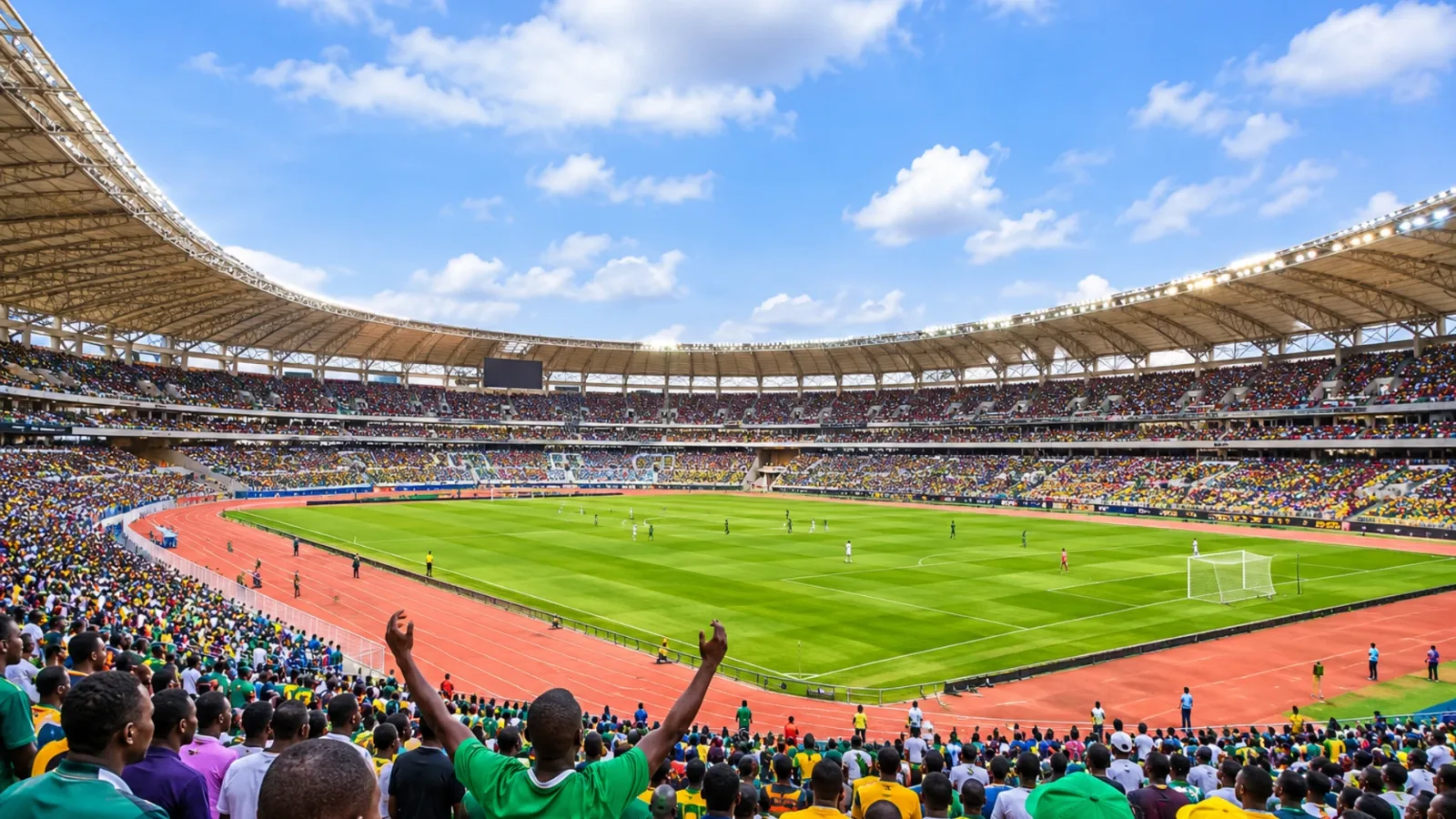
Football in Africa has never lacked passion. From crowded community pitches to major international stadiums, the game continues to bring people together, create opportunities and give millions of supporters something to believe in. Yet behind the excitement of every match lies an important question: are African football administrators doing enough to build the structures that the game needs to grow?
READ: Nigeria Grassroots Sports Development Needs More Than Talent
A stadium is often seen as a symbol of progress. Its stands, playing surface, floodlights and modern facilities can represent a country's sporting ambition. But the real value of a stadium is not measured only by how impressive it looks during an opening ceremony. It is measured by how well it is managed, maintained and used long after the celebrations are over.
Read: Do you need a professional writer in 72 hours? Contact Auxi Chat
READ: Cristiano Ronaldo Portugal Legacy Beyond the Final Whistle
This is where African football administration deserves greater attention.
Read: Need a professional website in 72 hours? Contact Auxi Chat
African Football Administration Must Go Beyond Building Stadiums
Across the continent, governments and football authorities have invested in stadium construction and renovation. These projects can improve the experience of players and supporters, create employment and provide venues for major competitions. However, construction is only the beginning.
A stadium requires consistent funding, professional management, regular maintenance and clear accountability. Without these, even a modern facility can gradually lose the standard it was built to achieve.
The Confederation of African Football (CAF) has recognised the importance of infrastructure. In 2025, it established an Infrastructure Department to support member associations with stadium construction, renovation and approval processes. The initiative is intended to help more national teams play their home matches within their own countries.
CAF has also organised training for stadium inspectors, covering important areas such as pitch quality, seating capacity, lighting, safety, security and broadcast facilities. These standards matter because a stadium must be suitable for players, officials, journalists and supporters, not simply attractive from the outside.
The 2027 AFCON Preparations Offer an Important Test
The preparations for the 2027 Africa Cup of Nations provide a useful example of why administration and infrastructure must work together.
Kenya, Tanzania and Uganda are preparing to co-host the tournament, creating an opportunity for East Africa to welcome one of the continent's biggest football competitions. CAF inspection teams have assessed facilities in the three countries, including stadiums and training venues, as part of preparations for the event.
In May 2026, CAF and football and government leaders from the three host countries also agreed to establish a PAMOJA Oversight Committee to coordinate and monitor preparations. Its responsibilities include infrastructure development, venue planning, security, medical readiness and other tournament arrangements.
These steps show that hosting a major competition involves much more than preparing a pitch and filling the stands. It requires coordination between football authorities, governments, local organisers and the people responsible for running the facilities.
The bigger test, however, will come after the tournament. Will the stadiums continue to serve local clubs, young players and communities? Will the facilities receive the maintenance they need? These are questions worth asking before the excitement of a major competition takes over the conversation.
A Stadium Should Serve More Than Major Tournaments
One concern with large sporting projects is what happens when the event that justified the investment is over. A stadium should not become a venue that only receives attention when an international competition is approaching.
Well-managed facilities can support domestic leagues, youth competitions, school sports, community events and talent development. They can also provide opportunities for local businesses and workers when managed responsibly.
This is particularly important in countries where young footballers need better access to organised competitions and suitable training environments. A beautiful stadium means little to a promising young player if there are no reliable pathways from grassroots football to professional opportunities.
Football administrators should therefore think beyond the next tournament. Stadium planning should be connected to wider sports development policies, with clear arrangements for maintenance, community access and long-term use.
Better Governance Can Strengthen African Football
Infrastructure alone cannot solve every problem facing African football. The game also needs transparent financial management, professional leadership, effective competitions and decisions that put development ahead of personal interests.
READ: Nigerian Young Athletes Carry More Than Medals to Dakar
Supporters deserve to understand how major football projects are funded and managed. Clubs need dependable competition structures. Players need safe and properly maintained facilities, while coaches and grassroots organisers need opportunities to develop talent.
CAF's stadium inspection framework is one part of improving standards, but national football associations and club administrators also have responsibilities. They must ensure that facilities are properly managed and that public and private investments deliver measurable benefits.
There is also a need for realistic planning. Not every community requires a massive stadium. In some places, a well-maintained local pitch, changing rooms, training equipment and qualified coaches may have a more immediate impact on the development of football.
The goal should not simply be to build bigger facilities. It should be to build the right facilities and manage them properly.
African Football Deserves a Lasting Legacy
African football has the talent, supporters and history to compete confidently on the global stage. What it needs is a stronger connection between its ambitions and the systems responsible for delivering them.
A stadium can inspire a generation, but good administration is what helps preserve that inspiration. Governments, football associations and sporting bodies must understand that the responsibility does not end when construction is completed or a major tournament closes.
I believe the real measure of progress should be what remains for ordinary footballers and supporters after the headlines have faded. If a stadium can continue hosting meaningful matches, supporting young talent and serving its community years after its opening, then the investment has achieved something valuable.
African football should celebrate its stadiums, but it must also pay attention to the leadership behind them. The future of the game will depend not only on the facilities it builds, but on how wisely and responsibly those facilities are managed.
The writer of this article does not claim to know the individuals named personally. The information regarding their backgrounds as published on Global News Arena is based on independent online research.
If you have an article, opinion piece, event or news story you would like published, Global News Arena would love to hear from you.