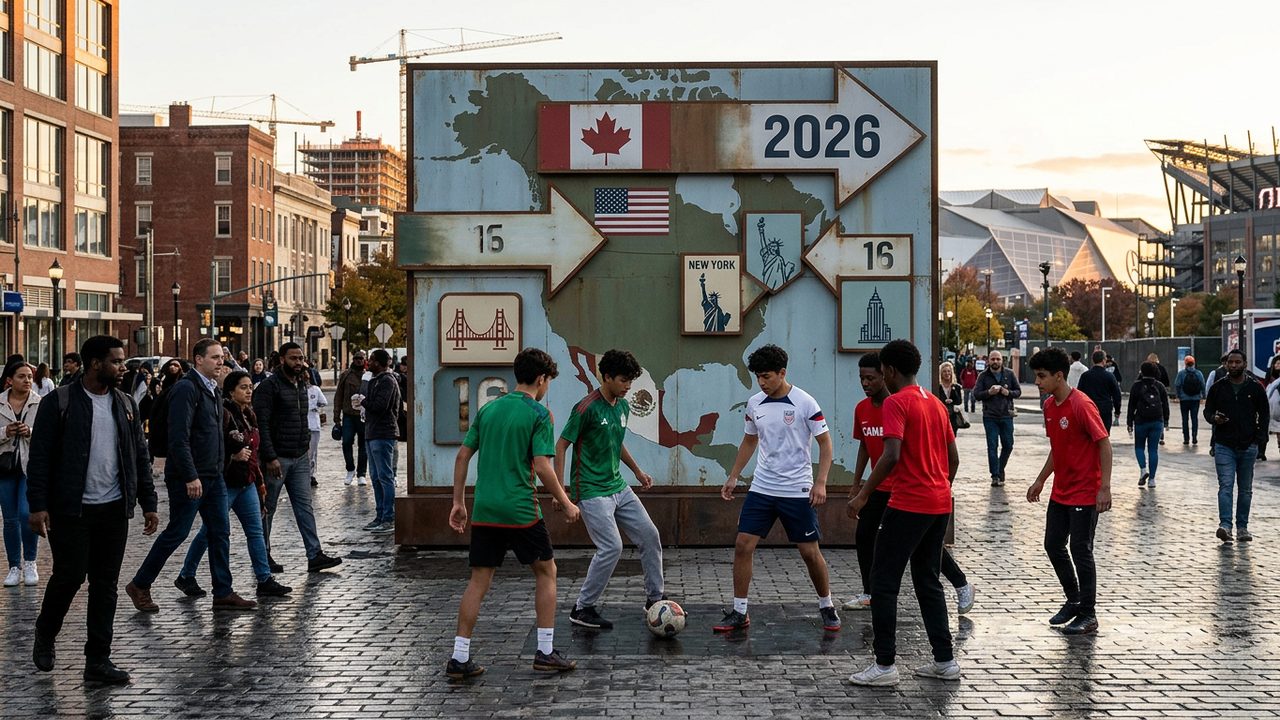
The expansion of the men's World Cup to 48 teams, hosted jointly by the United States, Canada and Mexico, is the largest structural change to the tournament since the group stage was reorganised in 1998.
The practical consequences fall on logistics. Squads face domestic flights of continental scale between group fixtures, played across climates ranging from the humidity of the Gulf coast to the altitude of Mexico City. Recovery planning has become as consequential as tactical preparation, and several federations restructured their medical staffing specifically for it.
Qualification arithmetic changed too. More places for African, Asian and CONCACAF federations mean debutant nations, and a group format that rewards avoiding defeat over chasing goal difference in the opening fixtures.
For supporters, the tournament is the most geographically dispersed in the competition's history, and ticketing and visa processing have drawn sustained criticism from fan organisations across three continents.