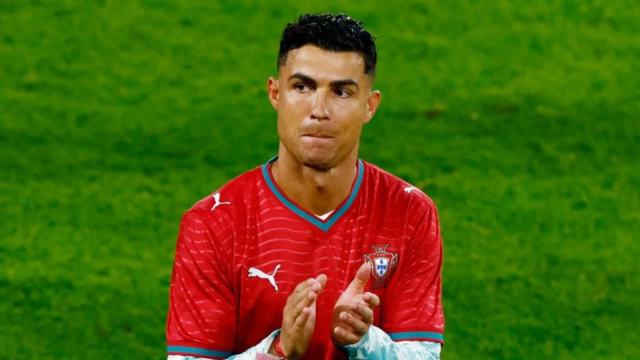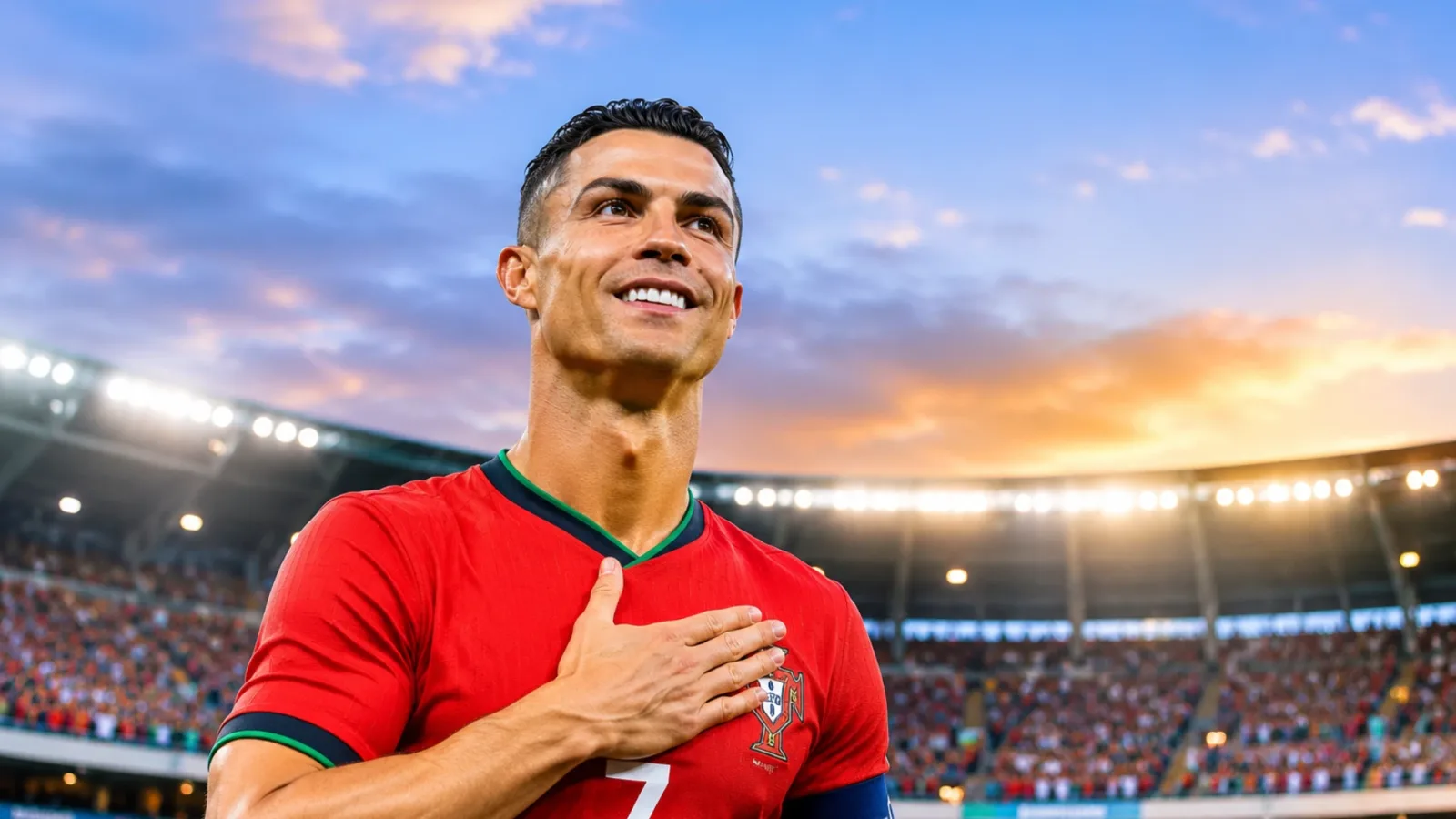
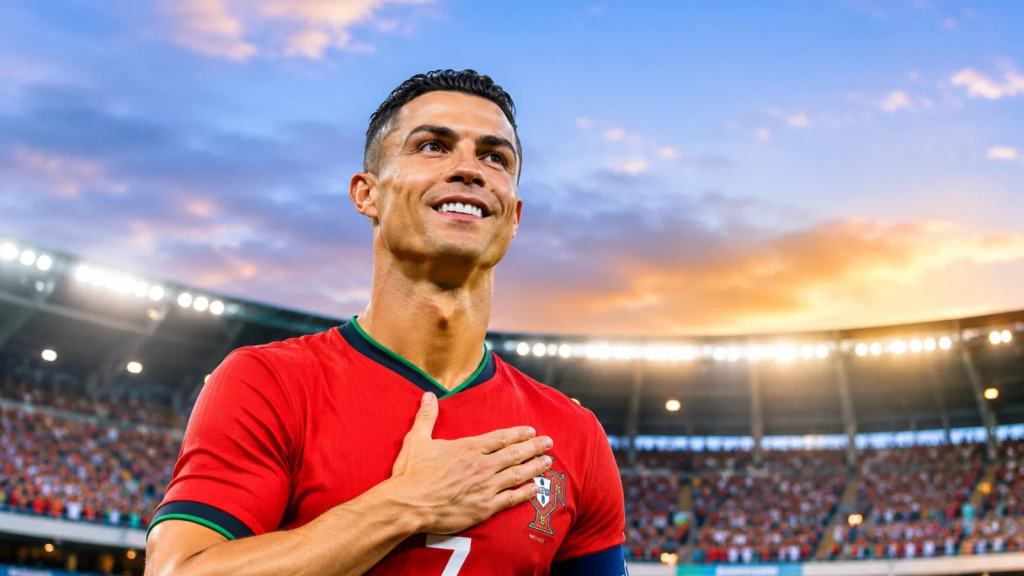
There are footballers who become famous because of what they do on the pitch, and there are others whose names gradually become part of their country's identity. Cristiano Ronaldo belongs to the second category. For more than two decades, his appearances in Portugal's national colours have connected generations of supporters to a story of ambition, achievement, disappointment and national pride.
READ: Cristiano Ronaldo retires from Portugal after 23 years.
Read: Do you need a professional writer in 72 hours? Contact Auxi Chat
As I reflect on the Cristiano Ronaldo Portugal legacy, I find that the most interesting question is not simply how many goals he scored or how many trophies he lifted. It is how a boy from Madeira became one of the most recognisable figures in world football, and what his journey means now that his international career has reached its conclusion.
READ: Nigerian Young Athletes Carry More Than Medals to Dakar
On 5 November 2026, Ronaldo announced his retirement from Portugal's national team. He leaves international football with 234 appearances and 146 goals, both men's world records. At 41, he has closed a chapter that began in 2003, but his departure does not mean the end of his professional club career.
Read: Need a professional website in 72 hours? Contact Auxi Chat
There is a difference between leaving a national team and leaving football altogether. That distinction is important when considering what comes next.
From Madeira to the World Stage
Cristiano Ronaldo dos Santos Aveiro was born on 5 February 1985 in Funchal, Madeira, Portugal. His journey from the Portuguese island to international recognition is now familiar to football supporters across the world.
His early career required leaving home at a young age to pursue professional football. That decision placed him in an environment where talent alone would not guarantee success. He had to adapt, learn, compete and establish himself among players who also wanted to reach the highest level.
His rise at Sporting CP brought him to the attention of Manchester United, where he developed into an internationally recognised footballer. Later spells at Real Madrid, Juventus and Manchester United further expanded his reputation before his move to Saudi Arabian club Al Nassr.
Each stage brought a different challenge. The expectations at Manchester United were not identical to those at Real Madrid, and the pressure of representing Portugal was different from the demands of club football.
What stands out to me is the length of the journey. Football careers can change quickly, but Ronaldo remained a major figure across different leagues, coaches, teammates and generations of supporters.
His story is not simply about arriving at the top. It is about remaining relevant while the game around him continued to change.
The Numbers Behind Cristiano Ronaldo Portugal Legacy
Statistics cannot explain everything about a footballer's influence, but they can help establish the scale of an achievement.
Ronaldo's 234 appearances for Portugal and 146 international goals place him at the top of the men's international records. He also became the first male player to score at six different FIFA World Cup tournaments, from Germany 2006 through to the 2026 competition.
His European Championship record is equally significant. He appeared in six editions of the tournament and helped Portugal win the title in 2016.
He also played a part in Portugal's UEFA Nations League victories in 2019 and 2025. These achievements gave the national team major trophies during a period in which Ronaldo was its most recognisable player.
However, I believe it is important to distinguish individual records from collective achievements. A national team does not win a championship because of one player alone. Coaches, defenders, midfielders, goalkeepers and other attackers all contribute to the final result.
Portugal's Euro 2016 triumph is a good example. Ronaldo's influence was significant throughout the tournament, but Portugal's victory in the final against France was secured by his teammates after he was unable to continue playing because of injury.
That moment captures an important part of football. A star can inspire a team, but the team must still perform together.
Portugal's Football Identity Will Continue After Ronaldo
Portugal had a football history long before Ronaldo became its leading figure. The country produced celebrated players such as Eusébio and Luís Figo, while generations of coaches and footballers helped establish its reputation in European competition.
Ronaldo became one of the most visible representatives of that tradition.
For many younger supporters, however, he was the first Portuguese football superstar they followed closely. They watched him score important goals, lift trophies, wear the captain's armband and return to major tournaments year after year.
His international retirement therefore carries an emotional meaning beyond the statistics. Supporters are saying goodbye to a familiar presence that accompanied them through different stages of their lives.
But Portugal's football future cannot depend on one individual forever.
The national team must continue developing players who can accept responsibility, build their own identities and compete at the highest level. The next generation should learn from the standards established by previous players without being expected to reproduce another person's career.
That is how football traditions survive. They are passed forward, not preserved by refusing to change.
The Business and Cultural Power of a Football Superstar
Modern football is more than a sporting competition. It is also a global business involving broadcasting, sponsorship, merchandise, advertising, tourism and digital media.
Ronaldo's career illustrates how an athlete can become a sporting figure with international commercial influence. His image is recognised far beyond Portugal, and his presence has helped attract attention to the clubs and competitions in which he has played.
This commercial influence is worth considering because it demonstrates how sporting achievement can create opportunities beyond the pitch.
Clubs benefit from international attention, sponsors seek associations with recognisable athletes, and football supporters create communities around players they admire. For the athlete, the challenge is to manage public expectations while maintaining a professional career.
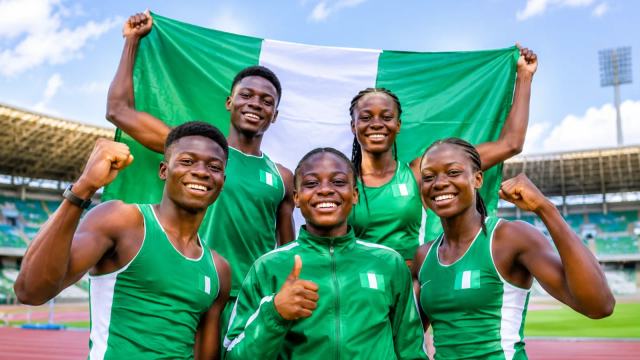
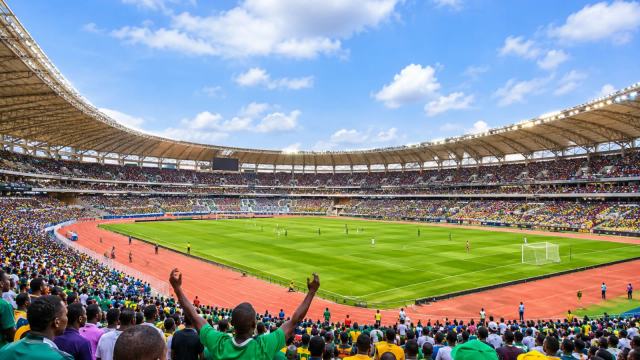
There is also a lesson here for African football. Nigeria and other African countries have talented young players, but developing a successful sporting industry requires more than producing gifted individuals. It requires organised competitions, professional management, responsible investment and opportunities for young people to grow.
What Young Footballers Can Learn From His Journey
I believe one of the most valuable parts of Ronaldo's story is the example of long-term commitment.
Young footballers often see the goals, celebrations, trophies and expensive stadiums. Those are the visible rewards. Less visible are the years of training, competition, disappointment, adaptation and pressure that accompany a professional career.
Ronaldo's journey demonstrates that reaching an elite level requires more than being noticed at an early age. Players must continue developing their skills, learning from experienced coaches and adapting to different demands.
READ: African Football Administration Must Match the Beauty of Its Stadiums
There is also an important lesson about patience. Not every young player will become a global superstar, and that should not be the only measure of success. A person can build a meaningful sporting career through professional discipline, education, teamwork and a willingness to improve.
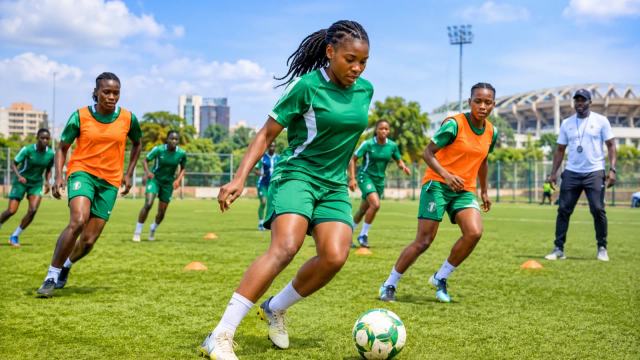
For young Nigerian footballers, the lesson is particularly relevant. A talented teenager playing on a community field should be able to imagine a future in organised football. But that dream needs proper coaching, safe facilities, competitive opportunities and support from families and institutions.
The responsibility cannot rest entirely on the young athlete.
The Next Chapter After International Football
Ronaldo's retirement from Portugal creates an opportunity for the national team to move into a new period. New players will take on responsibilities, younger footballers will seek their places and supporters will gradually become familiar with a different group of leaders.
Ronaldo, meanwhile, continues his club career with Al Nassr in Saudi Arabia. His international retirement should not be confused with an announcement that he has stopped playing professional football.
There are still questions about whether Portugal will organise a formal farewell occasion for him. Such plans should be treated as unconfirmed until the Portuguese Football Federation makes an official announcement.
For a player who represented his country for 23 years, a public tribute would provide an opportunity for supporters to recognise what his international career meant. But whatever happens, the record of his service is already established.
A Legacy That Belongs to More Than One Generation
When I consider what remains after Ronaldo's international career, I see more than a collection of records. I see a story that connected a small Portuguese island to the world's biggest sporting stages and gave millions of supporters a familiar figure to follow.
His achievements will continue to be discussed, compared and debated. Future players may break some of his records, while others may establish new standards of their own. That is part of the natural progress of sport.
But records are only one way of remembering a footballer.
The Cristiano Ronaldo Portugal legacy also belongs to the supporters who travelled, watched, celebrated and remained committed to their national team. It belongs to teammates who shared the pitch with him and to younger players who saw his career as evidence of what dedication can achieve.
I believe the most meaningful tribute to his international journey will be a Portugal team that continues to compete, develop talent and inspire its supporters.
A superstar may eventually leave the national team, but the football culture he helped shape can continue.
The final whistle on an international career does not erase the years that came before it. It simply gives a new generation the opportunity to write the next chapter.
The writer of this article does not claim to know the individuals named personally. The information regarding their backgrounds as published on Global News Arena is based on independent online research.
If you have an article, opinion piece, event or news story you would like published, Global News Arena would love to hear from you.