Nigeria does not have a shortage of sporting talent. What we have is a shortage of systems capable of finding that talent early, developing it properly and giving it the opportunity to reach the highest level.
Somewhere in Nigeria today, a young boy may be running faster than everyone in his neighbourhood. Somewhere else, a girl may be showing extraordinary ability on a basketball court. Another teenager may have the strength and discipline to become a boxer, while someone else may possess the endurance and coordination needed to become a world-class athlete.
The talent is there.
The bigger question is whether we are looking closely enough to find it.
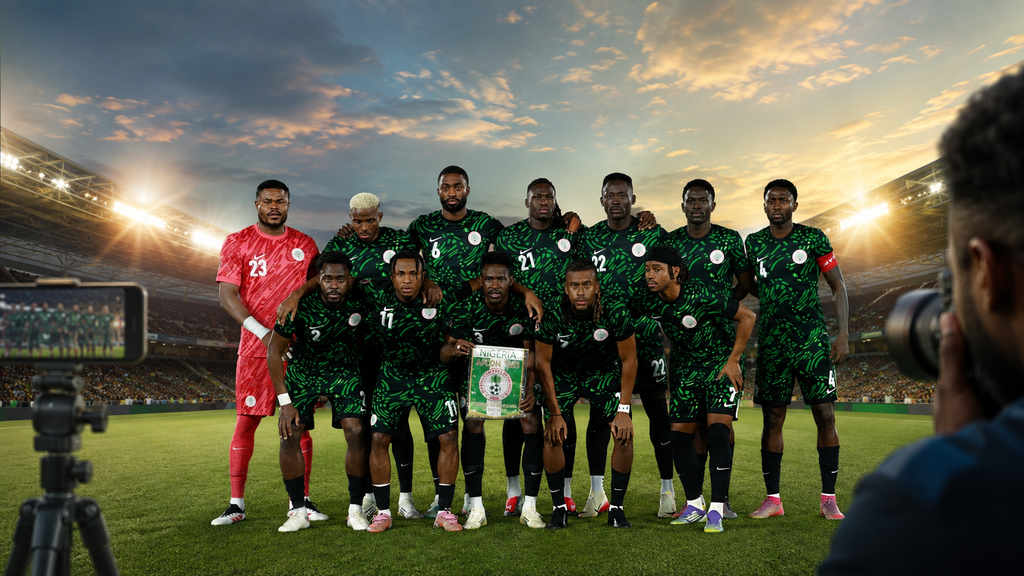
For years, Nigeria has celebrated athletes after they have already broken through. We celebrate the footballer who makes it to the national team, the sprinter who wins a major race and the boxer who returns home with a medal. But I believe we should be asking a different question: what happened before they became stars?
Who discovered them?
Who gave them their first opportunity?
Who paid attention when they were still unknown?
That is where the conversation about the next generation of Nigerian sports stars should begin.
If Nigeria truly wants to produce more champions, we cannot continue to depend on luck, personal connections or the hope that talented young people will somehow find their way into professional sport. We need to build a system that actively searches for talent wherever it exists.
And the truth is that talent does not live only in Lagos, Abuja or other major cities.
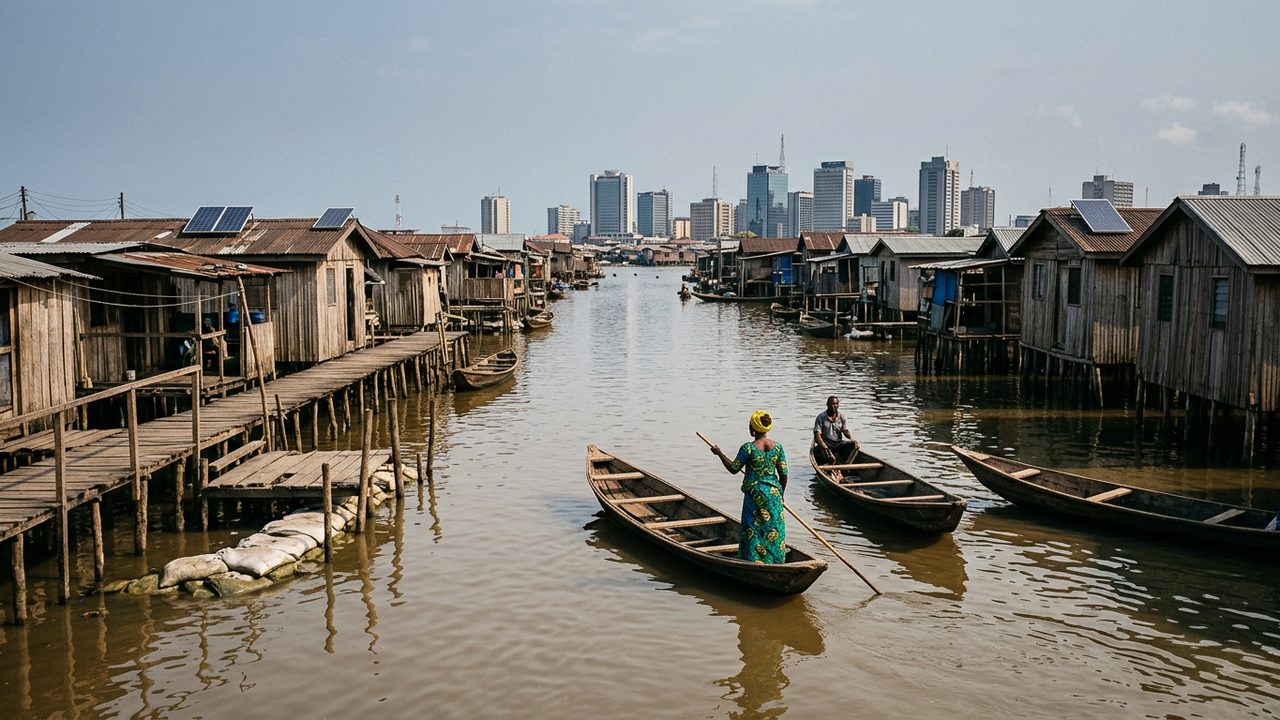
It can be found in schools, local communities, rural areas, neighbourhood football fields, basketball courts and athletics tracks. A child does not need to be born into a wealthy family to possess extraordinary sporting ability.
Unfortunately, opportunity is not distributed in the same way talent is.
That is why grassroots development matters so much.
The Federal Government has already approved sports infrastructure projects that include sports centres in tertiary institutions and 20 mini sports centres and mini stadiums across communities, with the broader aim of strengthening sports development and talent identification.
Projects like these can make a difference, but infrastructure alone will not solve the problem. A stadium cannot discover a champion by itself. A basketball court cannot train a player without a coach. A running track cannot identify potential unless somebody is watching.
This is why I believe schools should play a much bigger role in Nigeria's sports development.
Think about it. Schools already have access to millions of young Nigerians. Every day, children are running, jumping, playing, competing and demonstrating different physical abilities. Yet in many cases, these activities are treated simply as part of school life rather than opportunities to identify future athletes.
We can do better.
A student who consistently outruns classmates could be assessed for athletics. Another who demonstrates exceptional coordination and agility might be introduced to basketball, football or another sport. A physically powerful student could have potential in wrestling or weightlifting.
The important thing is to stop assuming that every talented child must follow the same path.
Nigeria's education authorities have also been working toward stronger links between education and sports, including grassroots sports development and sports centres of excellence across the country's six geopolitical zones.
If such ideas are implemented properly and consistently, schools could become one of Nigeria's biggest talent-discovery networks.
But there is another issue we must confront: our obsession with football.
I love the passion Nigerians have for football, and I understand why so many young people dream of becoming footballers. The sport has enormous cultural and commercial influence in the country.
However, Nigeria is too talented to allow football to become the only destination for young athletes.
What about athletics?
What about swimming, boxing, wrestling, basketball, table tennis, volleyball, cycling and weightlifting?
There could be young Nigerians with world-class potential in these sports who are never discovered simply because everyone around them believes football is the only sport worth pursuing.
That is a mistake.
Talent identification should not begin with the question, "Is this child good at football?"
It should begin with, "What is this child naturally good at?"
That small change in thinking could open doors for thousands of young Nigerians.
Then comes the issue of competitions.
Nigeria has many youth sporting competitions, but I believe we need to change what happens after the final whistle. A young athlete should not win a medal today and become forgotten tomorrow.
If a 16-year-old performs exceptionally at a national competition, somebody should be able to track that athlete's progress.
Where is the athlete training?
Who is the coach?
What are the athlete's strengths?
What areas need improvement?
Does the athlete need better equipment?
Does the family need financial support?
Can the athlete qualify for a scholarship?
What competition should come next?
That is what a genuine talent-development system looks like.
The National Intermediate Games, EKO 2026, is an example of an initiative designed to create a pathway between youth sports and elite competition. The event is scheduled for October 1-15 and is expected to bring athletes aged 15 to 18 from across Nigeria together in 28 sports.
That kind of pathway is important because discovering talent is only the beginning.
Developing it is where the real work starts.
And that brings me to coaches.
We often talk about stadiums, equipment and competitions, but behind almost every successful athlete is someone who helped them understand what to do with their natural ability.
Nigeria needs more qualified coaches, especially at the grassroots level.
Young athletes need people who understand training, nutrition, injury prevention, technique, discipline and long-term development. They need coaches who know how to develop a teenager without putting unnecessary pressure on them.
The National Institute for Sports has also been working toward decentralising sports training and bringing coaching and talent-identification opportunities closer to young Nigerians through proposed zonal structures.
I believe that is the direction we should be moving in.
A talented child should not have to travel hundreds of kilometres simply to find a qualified coach.
Quality development should move closer to the talent.
And this is where technology could completely change the way Nigeria discovers athletes.
We are living in the smartphone era. A young athlete can record a sprint, football drill, basketball performance, boxing session or other sporting activity using a phone and share it online.
Imagine taking that idea much further.
Imagine a properly organised digital platform where young athletes could create profiles containing their age, location, sport, achievements, competition results and performance videos.
A coach in Lagos could discover a promising athlete in another state.
A scout could search for young basketball players without physically visiting every community.
A school could showcase its best athletes.
Parents could find legitimate competitions and development opportunities.
And an athlete who has never had access to professional connections could finally have a way to make their ability visible.
There are already grassroots sports platforms attempting to use technology to connect Nigerian athletes with scouts, academies and clubs.
Technology will never replace proper coaching, physical testing or professional evaluation, but it can make the first stage of discovery much easier.
And honestly, I think there is a bigger lesson here for everyone, even those who have nothing to do with sports.
The smartphone in your hand can become a tool for opportunity.
Just as a young athlete can use a phone to showcase sporting ability, an ordinary Nigerian can use that same phone to showcase knowledge, creativity or a skill.
If you understand sports, for example, you can build a sports content platform from your phone. You could analyse matches, interview grassroots athletes, report local competitions, explain sporting opportunities or tell the stories of young Nigerians trying to make it.
You do not need a television studio.
You do not need an expensive camera.
You can begin with a smartphone, an internet connection and something valuable to say.
As your audience grows, that platform could eventually create opportunities through advertising, sponsorships, affiliate marketing, digital products, freelance writing, content creation and other online services.
I see this as one of the most interesting lessons from the sports conversation: visibility creates opportunity.
An athlete may have extraordinary ability, but if nobody knows they exist, discovering that ability becomes difficult.
The same thing can happen to a writer, content creator, designer, coach, teacher or entrepreneur.
Sometimes the biggest problem is not lack of talent.
It is lack of visibility.
That is why young athletes should be encouraged to document their progress responsibly, while parents, schools and coaches should help them create credible records of their achievements.
At the same time, parents need to be careful about who they trust.
Whenever there is a strong desire for success, there will be people willing to exploit it. Young athletes and their families should be cautious about anyone promising guaranteed professional contracts, international trials or overseas opportunities in exchange for large sums of money.
An opportunity should be properly verified before money, documents or personal information are handed over.
And while we are talking about developing young athletes, we must remember that development should never come at the expense of education.
Sporting careers can be unpredictable.
An injury can change everything.
A contract may not happen.
A young athlete may eventually decide that professional sport is not the career they want.
Education gives that young person another foundation to build on.
The ideal Nigerian sports system should therefore develop the whole person, not just the athlete.
That means training, education, nutrition, medical care, psychological support, discipline and protection from exploitation should all form part of the journey.
If we get this right, the benefits will go far beyond medals.
A stronger sports industry can create opportunities for coaches, sports journalists, photographers, videographers, physiotherapists, fitness trainers, analysts, event organisers, marketers, content creators and entrepreneurs.
In other words, the next generation of Nigerian sports stars could create an entire ecosystem of economic opportunities around them.
That is why I believe sports should no longer be treated simply as entertainment.
Sports can be an industry. Sports can be a career. Sports can be a business. And sports can be a pathway out of poverty for talented young people when the right structures are in place.
The most exciting part of all this is that Nigeria's next superstar may already be somewhere in the country.
That athlete may be running on a dusty field right now.
They may be playing basketball on a neighbourhood court.
They may be practising football after school.
They may be training inside a small boxing gym.
They may be competing in a school athletics event that very few people outside their community know about.
The talent may already exist.
What is missing is the bridge between talent and opportunity.
Nigeria has started taking steps toward strengthening grassroots sports through infrastructure development, school-sports reforms, talent-identification programmes and competitions designed to create clearer pathways for young athletes.
But the real challenge is consistency.
We need to find talented young people early.
We need to develop them patiently.
We need qualified coaches.
We need proper competitions.
We need reliable records.
We need medical and educational support.
And most importantly, we need to make sure that a talented child does not disappear from the system simply because they were born in the wrong neighbourhood or did not know the right person.
For me, that is the heart of this conversation.
Nigeria does not need to manufacture talent.
Nigeria needs to discover, develop, protect and properly promote the talent it already has.
And there is a lesson here that goes far beyond sports.
Whether you are a young athlete trying to become a champion, a writer trying to build an audience, a content creator looking for your first opportunity or someone searching for a new source of income, you cannot always wait for somebody to discover you.
Start with what you have.
Learn.
Practice.
Create.
Share your work.
Build your audience.
Keep improving.
Sometimes, the opportunity we are waiting for begins the moment we decide to make ourselves visible.
If you have an article, opinion piece, event or news story you would like published, or you are ready to begin your journey toward building a profitable online content-writing business from your phone or laptop, Global News Arena would love to hear from you. Send your article, story or business enquiry to advertise@globalnewsarena.com.