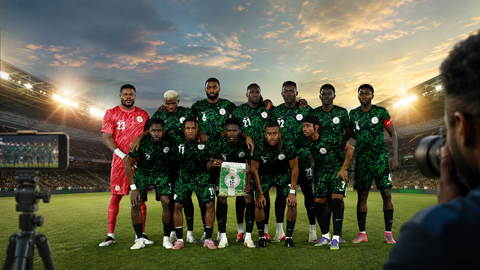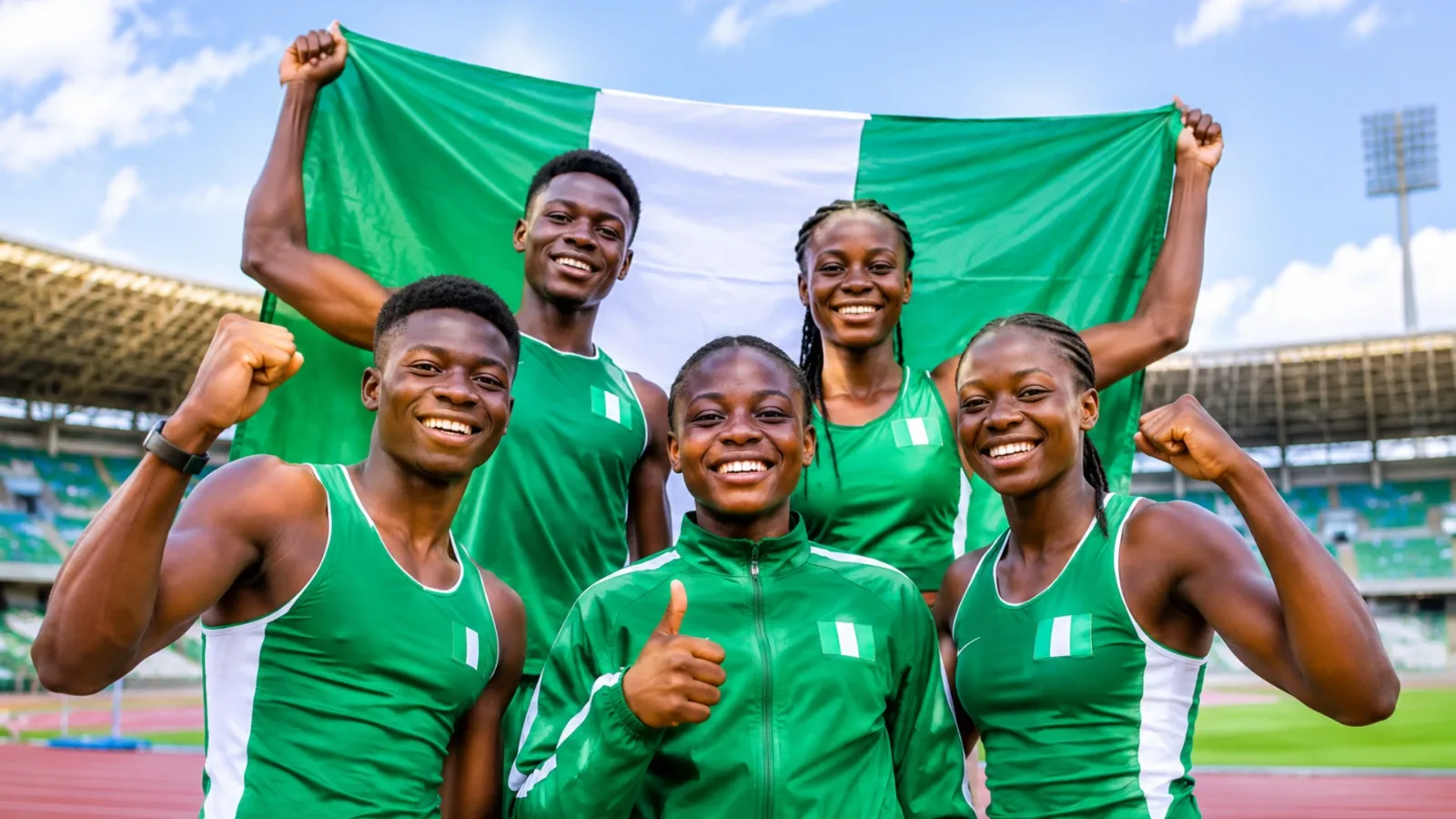
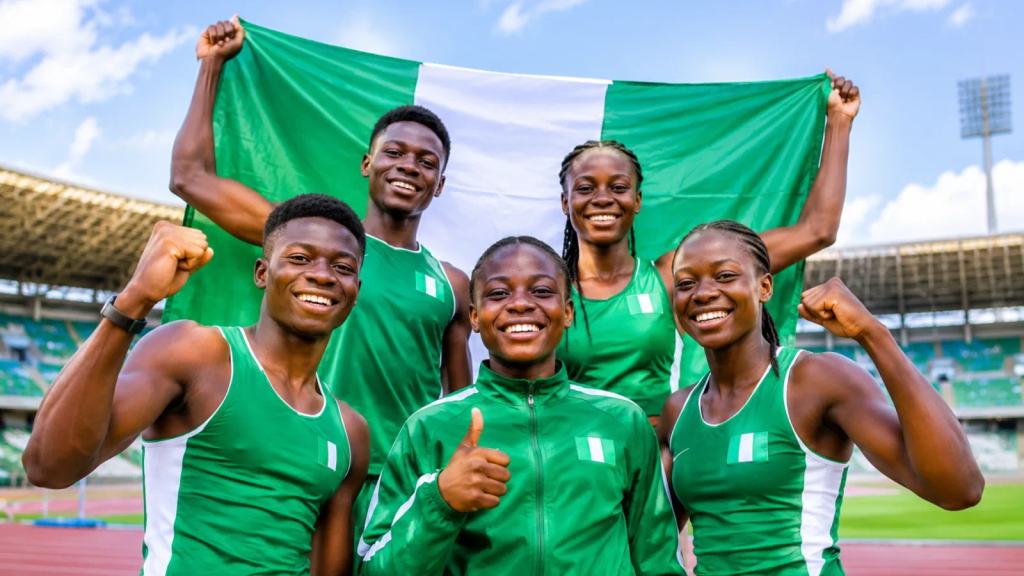
There is something special about watching a young Nigerian athlete walk into an international sporting arena wearing the country's colours. Beyond the green and white uniform, there is a personal journey, the sacrifices of families, the dedication of coaches and the hope of a nation that has always believed in its sporting talent. At the Dakar 2026 Youth Olympic Games in Senegal, Nigerian young athletes are getting an opportunity to show what they can do against some of the world's emerging sporting talents.
READ: Cristiano Ronaldo Portugal Legacy Beyond the Final Whistle
Read: Do you need a professional writer in 72 hours? Contact Auxi Chat
For me, this is more than another international sporting appearance. It is an opportunity to look closely at what Nigeria is doing to prepare its next generation of champions, and whether the country is building a system capable of supporting them beyond one competition.
READ: African Football Administration Must Match the Beauty of Its Stadiums
The Games began on 31 October and are scheduled to run until 13 November 2026. Nigeria is represented by 19 athletes competing in athletics, boxing, road cycling, swimming, table tennis and beach volleyball. Their participation is particularly significant because Dakar 2026 is the first Olympic sporting event to be hosted on African soil.
Read: Need a professional website in 72 hours? Contact Auxi Chat
That alone gives this competition a special place in the history of African sport.
Dakar 2026 Gives Nigeria's Young Athletes a Global Platform
The Nigerian contingent includes athletes whose names deserve attention beyond the competition results. Among them are sprinter Rosemary Nwankwo, table tennis player Matthew Kuti, swimmer Kashope Obatoyinbo, and beach volleyball players Pamela Bawa and Joy Lawrence.
These are young competitors facing an international environment where preparation, concentration, discipline and confidence matter. They are not simply participating for photographs or ceremonial recognition. They are testing their abilities against athletes who have also spent years preparing for opportunities like this.
The Nigeria Olympic Committee and the National Sports Commission have been involved in preparing the team for the competition. According to information released by the Federal Government, the athletes completed a 21-day local camping programme before travelling to Senegal.
The programme included medical screening, anti-doping education, technical and tactical preparation, kit fitting and other arrangements needed for international competition.
I consider this preparation important because international sport demands more than natural ability. An athlete may possess exceptional speed, strength or coordination, but those qualities need to be developed through proper training, professional guidance and access to suitable facilities.
A country that wants to compete consistently must understand that the work begins long before its athletes arrive at the stadium.
The Results Tell a Story of Promise and Competition
One of the interesting things about youth competitions is that they expose athletes to different standards of performance. There are victories, disappointments, close contests and valuable lessons.
Nigeria's campaign in Dakar has already provided examples of all four.
In beach volleyball, Pamela Bawa and Joy Lawrence recovered from an opening defeat against Japan to record a straight-sets victory over Egypt. Their 21-19, 21-11 win demonstrated the importance of responding positively after a difficult start.
In table tennis, Matthew Kuti also recorded a victory against Tunisia's Youssef Aidli. After losing his opening match to Hong Kong's Ho Ki Li, Kuti responded with a 3-1 win, keeping his hopes of progressing in the competition alive at that stage.
There have also been difficult moments. Favour Ojo's women's singles campaign ended after a defeat against Egypt's Yara Elbadawy. In swimming, Kashope Obatoyinbo reached the men's 50-metre freestyle final and finished sixth.
These results deserve to be reported honestly. It would be unfair to describe every performance as a triumph, just as it would be wrong to define a young athlete by one defeat.
Sport is competitive by nature. Sometimes an athlete wins, sometimes another competitor performs better, and sometimes the most valuable outcome is the experience gained.
What matters is how the lessons from these competitions are used afterwards.
Nigerian young athletes Future Must Begin Before International Competitions
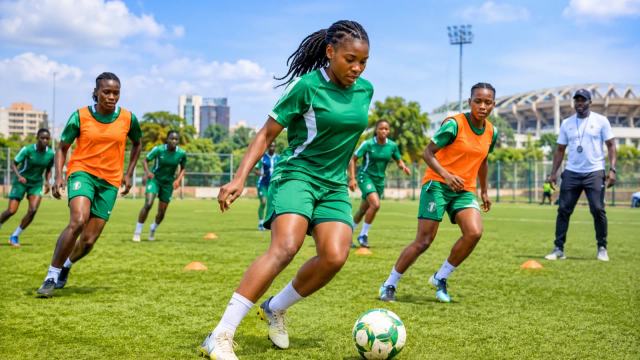
I often think about the young people whose sporting ability may never receive national attention. Somewhere in a Nigerian community, a teenager may be running exceptionally fast on a school field. Another may be showing impressive coordination on a basketball court, while someone else may have the determination and discipline required to become a successful swimmer or boxer.
The challenge is not necessarily that Nigeria lacks talent. It is whether the country has enough effective systems to discover, develop and retain that talent.
This is why grassroots sports matter.
International competitions should be the result of years of development, not the first serious opportunity an athlete receives. Young people need access to school competitions, community facilities, qualified coaches and regular opportunities to measure their progress.
A promising athlete should not have to depend entirely on luck or personal connections to be noticed.
There must be a clear pathway from local participation to organised competitions, state-level recognition, national selection and international exposure.
I believe this should become a continuous national priority rather than a conversation that returns only when a major competition approaches.
Families, Coaches and Schools Are Part of the Journey
Behind every young athlete is often a network of people who make participation possible. Parents may provide transport, encouragement and financial support. Coaches spend time correcting technique, building confidence and teaching discipline. Schools can provide the first organised environment where a young person discovers a sporting ability.
These contributions should not be overlooked.
For some families, supporting a child's sporting ambition requires difficult decisions. Training, equipment, travel and competition expenses can place pressure on household resources. If the athlete is also expected to remain committed to education, the family must help balance two important responsibilities.
This is why athlete development should not be separated from education and welfare.
Young competitors need more than medals. They need proper medical attention, safe training environments, responsible coaching and opportunities to continue their education. They also need adults and institutions that understand that they are developing young people, not simply potential sources of sporting success.
Schools should therefore play a stronger role in identifying sporting ability. Physical education and organised competitions should not be treated as unimportant additions to academic life. They can help young people develop confidence, teamwork, discipline and a healthy appreciation of competition.
The Business Opportunity Behind Nigerian Sports
There is also an economic side to this conversation that deserves attention.
Sport can create opportunities for coaches, event organisers, equipment suppliers, sports journalists, physiotherapists, facility managers and other professionals. A properly developed sporting system can support businesses and create employment while giving young athletes access to better services.
International competitions also provide visibility. When Nigerian athletes perform well, they can attract attention to the country's sporting institutions and encourage greater interest from sponsors, development organisations and private investors.
However, sponsorship should be built around responsible long-term relationships. Young athletes should not be treated as advertising opportunities without consideration for their education, welfare and personal development.
Businesses interested in supporting sports should look beyond the excitement of a medal ceremony. They can contribute to training programmes, equipment provision, competitions and community facilities.
READ: Nigeria Grassroots Sports Development Needs More Than Talent
The same applies to government. Investment in sports should be evaluated by the opportunities it creates and the quality of the systems it leaves behind.
A country cannot expect to produce international champions consistently if the people responsible for developing them are constantly struggling to find basic resources.
What Happens When the Athletes Return Home?
This is perhaps the most important question I would like Nigeria to consider.
When the Dakar 2026 Youth Olympic Games end, the athletes will return to their normal lives. Some will have won medals, others will have reached finals, while some will return with lessons from difficult performances.
Whatever their individual outcomes, their development should not stop at the airport.
The authorities responsible for Nigerian sports should maintain proper records of the athletes' performances, identify areas requiring improvement and establish realistic development plans. Coaches should be able to assess what worked and what needs attention. Athletes who require additional support should not disappear from the system simply because the competition has ended.
There should also be a clear connection between youth competitions and senior-level opportunities. A young athlete who performs well today should have a pathway towards future national championships, continental competitions and eventually senior international events.
This is how sporting progress becomes sustainable.
It is also important to recognise that not every young competitor will become a professional athlete. Some may eventually choose different careers, but the discipline, teamwork and resilience developed through sport can still benefit them throughout their lives.
That is another reason youth sports deserve serious investment.
A Medal Is Important, But the Future Matters More
Nigeria has every reason to celebrate its young athletes in Dakar. Their participation represents opportunity, preparation and the ambition of a country that wants to remain relevant in international sport.
But I believe the biggest victory would be for Nigeria to use this experience as a foundation for something much larger.
We should be asking how many more young people can receive proper coaching, how many schools can organise meaningful competitions and how many communities can gain access to safe and functional sporting facilities.
We should also ask whether the athletes representing the country today will receive enough support to continue developing tomorrow.
The excitement of international competition can sometimes make us focus only on the final score. Yet the future of Nigerian sport depends on what happens between competitions, in training centres, schools, community grounds and the institutions responsible for developing talent.
Dakar is providing these young Nigerians with an important opportunity. The responsibility now is to make sure that the opportunity becomes part of a lasting journey.
I would like to see a Nigeria where a talented child from a small community can receive the same seriousness of attention as a young athlete from a major city. A country where sporting ability is identified early, developed responsibly and supported without unnecessary barriers.
The next generation of Nigerian champions may already be among us. They may be competing in Dakar today, training in a school tomorrow or discovering their abilities on a local field somewhere across the country.
Their dreams deserve more than applause.
They deserve a system that believes in them long after the cameras have moved on.
The writer of this article does not claim to know the individuals named personally. The information regarding their backgrounds as published on Global News Arena is based on independent online research.
If you have an article, opinion piece, event or news story you would like published, Global News Arena would love to hear from you.