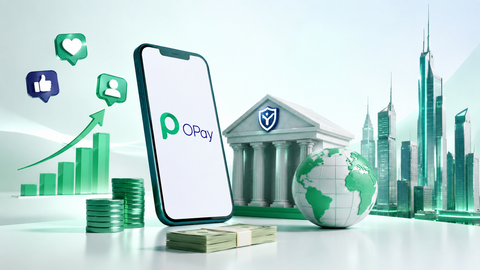
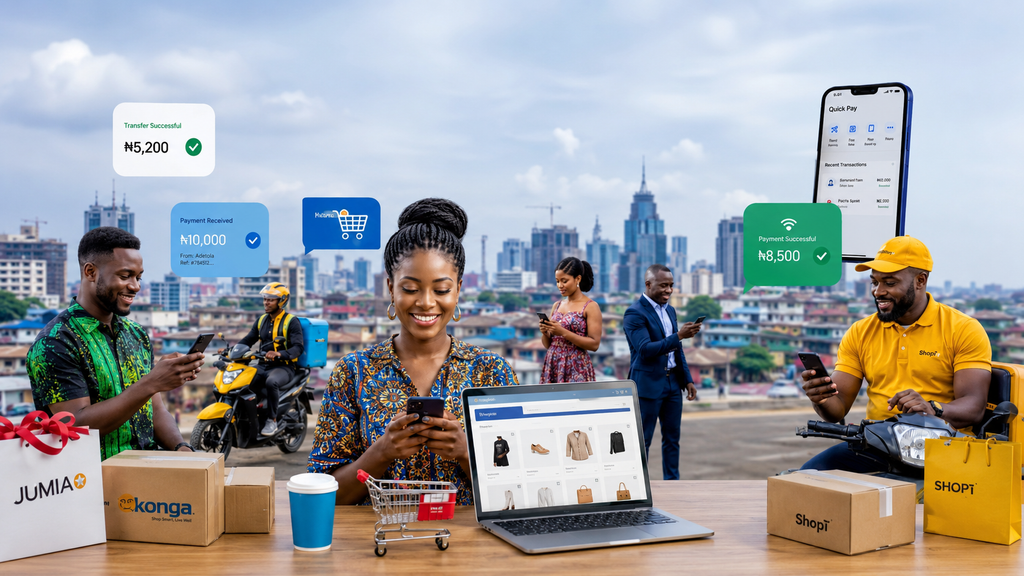
Digital payments are changing the way Nigerians do business and make money, and the more I look at how quickly this transformation is happening, the more I realise that we may be witnessing one of the most important changes in everyday business life. Today, a customer can see a product online, send a message to the seller, make a transfer from a smartphone and receive the product without either person stepping into a bank. What once required physical cash, long queues and face-to-face transactions can now happen within minutes.
I see this change everywhere. A food vendor can receive an order and payment on WhatsApp before preparing the meal. A fashion seller can post pictures on Instagram or Facebook and sell to customers in different states. A small business owner can advertise products online, speak directly with interested buyers and receive payment almost immediately. Even people offering services rather than physical products are finding new ways to earn because clients no longer have to be in the same location to pay them.
To me, this is where the real significance of digital payments begins. Yes, they have made sending and receiving money more convenient, but I do not think convenience is the biggest story. The bigger story is how this new way of moving money is changing who can participate in business and how easily they can begin.
In the past, many people believed that starting a business meant having a shop, a large amount of capital, equipment and perhaps several employees before they could call themselves business owners. While those things are still necessary for many types of businesses, the digital economy is creating another path. Today, someone can start much smaller. With a smartphone, internet access, a useful skill or something valuable to offer, it is possible to reach potential customers and receive payments digitally.
That does not mean everyone will become successful overnight simply because they own a smartphone. I think this is an important distinction to make because the internet is full of promises about easy money. Technology can create opportunities, but it cannot replace value, consistency or hard work. What digital payments have done, however, is remove some of the barriers that once made it much harder for ordinary people to participate in business.
And once I started thinking about it that way, I began to see the smartphone differently.
For many Nigerians, the phone is no longer just something we use to call people, chat with friends, watch videos or scroll through social media. It can now become a small business tool. Someone with writing skills can write articles or web content for clients and receive payment online. Someone who understands social media can manage pages for businesses. A graphic designer can create designs remotely. A virtual assistant can work for clients without sharing the same office. A video editor can offer services to creators and businesses from almost anywhere.
What connects many of these opportunities is the ability to find people online, offer something they need and receive payment without having to meet physically.
That is why I believe digital payments are quietly helping to reshape the meaning of work itself. We are moving further into a world where your location does not always have to limit your ability to earn. A person in Lagos can provide a service to someone in Abuja, while another person can create a digital product and sell it to customers in different parts of Nigeria or beyond.
Of course, the reality is not always as smooth as it sounds. Anyone doing business in Nigeria knows the frustration of a failed transaction. There are times when a customer says, “I have sent the money,” while the seller is refreshing a banking app and waiting for the payment to appear. Network failures, delayed transfers, fraud and other technical problems can turn a simple transaction into a stressful experience.
These challenges should not be ignored because trust is one of the most important parts of digital business. As more money moves online, Nigerians also need to become more careful about protecting their accounts, recognising scams and verifying transactions properly. Business owners must learn how to create trust with customers, while customers also need to take responsibility for using digital platforms safely.
Yet even with these problems, I cannot ignore the direction things are moving. Digital transactions are becoming part of everyday life, and that means more opportunities are opening up for people who are prepared to think beyond simply sending and receiving money.
This, I believe, is where the conversation becomes even more interesting.
If your smartphone can help you receive payment, then what can you use that same smartphone to create, sell or promote?
That single question could change the way many people think about earning money online. Instead of looking at social media and digital platforms only as places to consume entertainment, we can begin to see them as tools for building something of our own. The person who spends hours watching other people talk about their businesses may have a skill that can also be turned into a service. The person who regularly gives useful advice may have knowledge that can be developed into a digital product. The person who enjoys writing may be able to build an income through content writing.
And this is where I think digital payments and the growing digital economy meet in a very practical way.
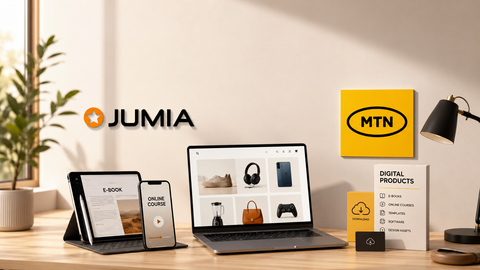
You do not necessarily need to begin with a physical product. You could learn a skill that people already need. Content writing, social media management, virtual assistance, graphic design, video editing and affiliate marketing are just some examples of areas where people can explore opportunities online. You could also create something digital. A useful e-book, guide, template, checklist or educational resource can potentially become a product if it solves a genuine problem for the right audience.
What I particularly like about this idea is that it encourages people to start with what they already have. You may not have millions of naira to invest in a traditional business, but perhaps you have a phone, internet access and time to learn. Maybe you already know how to write, organise information, communicate with people or use social media. Those abilities may not immediately become a business, but with the right knowledge and consistent effort, they could become the foundation for one.
That, to me, is one of the most exciting lessons from Nigeria's digital payment revolution. The ability to receive money is important, but receiving money only becomes meaningful when you have found a way to create value that somebody is willing to pay for.
So rather than asking only, “How can I make money online?” perhaps we should also ask, “What problem can I solve?” “What skill can I develop?” or “What useful thing can I create?”
Those questions may lead to more sustainable opportunities.
A person can learn content writing and help businesses communicate with their customers. Someone can become skilled at managing social media and help a business grow its online presence. Another person can create useful digital resources based on knowledge or experience they already have. An affiliate marketer can build an audience, recommend relevant products and earn commissions when genuine sales are made.
None of this is a magic formula, and I would never pretend that every person who starts an online side hustle will immediately earn a fortune. There will be learning curves, competition, mistakes and periods when results are slow. However, the fact that more people can now learn, market, sell and receive payments using digital tools means that the starting point is changing.
You no longer always have to wait until you have everything before you begin.
Sometimes, the first step can simply be learning one valuable skill from your phone. Then, as your confidence grows, you can practise that skill, build examples of your work and start looking for people or businesses that need what you can offer. From there, digital payment systems make it easier to complete the final part of the process: getting paid for the value you provide.
When I look at how business is evolving in Nigeria, I believe this is what people should pay closer attention to. The future may not belong only to those with the biggest offices, the largest shops or the most expensive equipment. Increasingly, there is also room for the person who understands how to use digital tools, build trust, solve problems and reach customers online.
Digital payments are helping to make that possible because they are reducing the distance between an idea and a transaction. You can discover a customer online, communicate through your phone, offer a solution and receive payment digitally. For millions of Nigerians trying to find additional ways to earn, that possibility is worth taking seriously.
Perhaps the most important thing is not to allow ourselves to become spectators in a digital economy that is already growing around us. Our smartphones can easily become tools for endless scrolling, but they can also become tools for learning, creating, connecting and earning. The difference may come down to how intentionally we decide to use them.
I believe there is a powerful opportunity in that.
As digital payments continue to change the way Nigerians buy and sell, they may also change the way more people build their own sources of income. A skill can become a service. An idea can become a digital product. Knowledge can become useful content. And something that begins as a small side hustle could, with time, develop into a serious business.
The digital economy is already moving, and Nigerians are increasingly becoming part of it every time they make a transfer, pay for a product online or receive money through their phones. The bigger question now is whether we will stop there or take the next step by learning how to create something valuable within that same economy.
Because in the end, digital payments are not only changing the way money moves. They are helping to change the way opportunities move too.
If you have an article, opinion piece, event or news story you would like published, Global News Arena would love to hear from you. And if you are ready to begin your own journey towards building a profitable online content writing business or another digital income stream using your phone or laptop, now may be the right time to start creating, learning and putting your skills to work. Send an email to advertise@globalnewsarena.com.