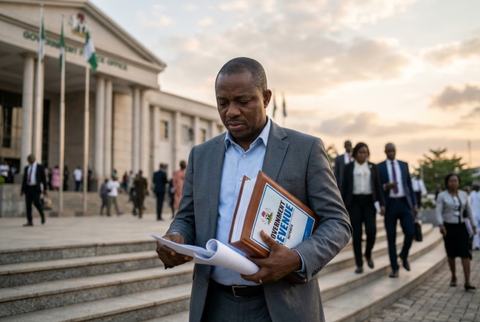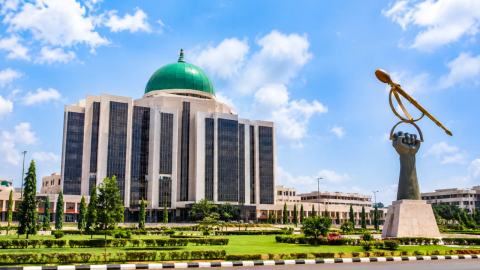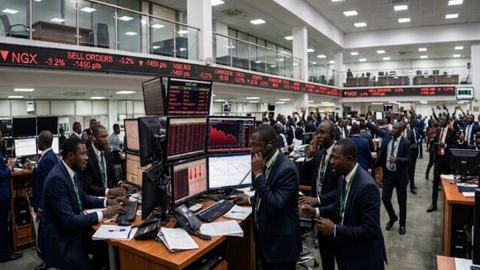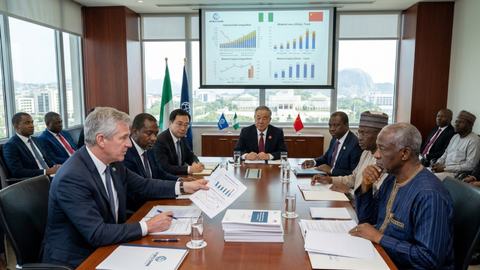
The Debt Management Office (DMO) is a Nigerian government agency responsible for coordinating and managing the country’s public debt. It helps the Federal Government plan its borrowing, keep accurate records of loans and manage debt obligations. Its work is important because government borrowing affects public spending, economic planning and the money available for national development.
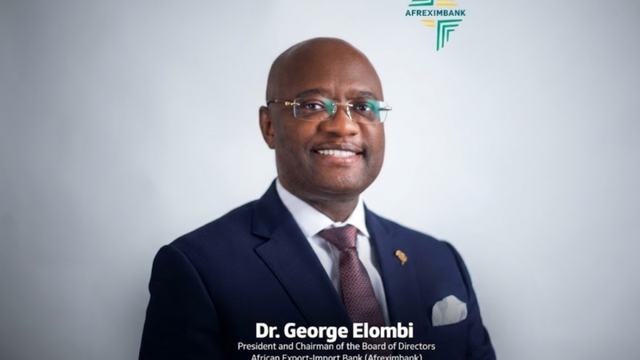
READ: George Elombi Biography: Afreximbank President and CEO
The Debt Management Office also provides information about Nigeria’s domestic and external debt. By supporting responsible borrowing and monitoring financial risks, the agency helps the government make informed decisions about loans and repayment. Its responsibilities connect public finance, economic policy and the management of government obligations.
Read: Do you need a professional writer in 72 hours? Contact Auxi Chat
Debt Management Office (DMO): History and Establishment
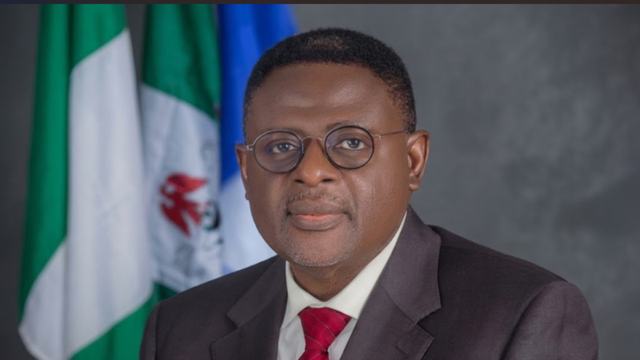
READ: Bassey Otu Biography: Cross River State Governor
The Debt Management Office was established on October 4, 2000, to bring Nigeria’s public debt management activities under one central institution. Before its establishment, different government departments handled various parts of debt management. This made it more difficult to maintain consistent records, coordinate payments and develop a clear borrowing strategy.
The Federal Government created the office to improve the way public debt was recorded, monitored and managed. In 2003, the Debt Management Office (Establishment, etc.) Act gave the agency a formal legal foundation and defined its responsibilities.
Read: Need a professional website in 72 hours? Contact Auxi Chat
The law strengthened the DMO’s role in managing public debt and advising the government on borrowing decisions. It also established responsibilities for maintaining reliable loan records, forecasting debt payments and supporting debt sustainability.
Today, the Debt Management Office operates under the supervision of the Federal Ministry of Finance. Its work supports the management of Nigeria’s domestic and external debt obligations.
What Does the Debt Management Office Do?
The Debt Management Office performs several important functions that help the government manage borrowed money responsibly.
Maintaining debt records: The DMO keeps records of government loans and guarantees. Reliable information helps officials understand how much the government owes, who it owes and when payments are due.
Planning government borrowing: The agency advises the government on borrowing plans and helps assess suitable financing options for public spending and development projects.
Managing debt repayments: The DMO forecasts debt-service obligations and supports the proper management of payments on applicable government debt.
Assessing financial risks: Borrowing can expose a country to changes in interest rates, exchange rates and repayment conditions. The DMO analyses these risks to support better decisions.
Providing public debt information: The agency publishes debt-related information and reports to help government institutions, investors and members of the public understand Nigeria’s debt position.
These functions help make government borrowing more organised and support informed financial planning.
How the DMO Manages Nigeria’s Public Debt
Public debt is money owed by a government to lenders. A government may borrow to finance approved projects, support its budget or meet other public financial needs.
The Debt Management Office helps coordinate the management of these obligations. It monitors debt information, analyses borrowing options and supports strategies for managing repayment costs and risks.
Good debt management involves more than knowing the total amount owed. Officials also need to understand interest rates, repayment dates, currencies, loan conditions and the government’s ability to meet future obligations.
For example, a loan with a low initial cost may create difficulties if repayment dates are poorly planned or if the currency used for repayment becomes more expensive. Reviewing these risks can help the government make better borrowing decisions.
The DMO’s role is to support a debt strategy that balances financing needs with manageable costs and risks. It does not independently decide every government spending or borrowing matter; other government institutions and the National Assembly have important legal and budgetary responsibilities.
Domestic Debt and External Debt Explained
The Debt Management Office works with information about both domestic and external public debt.
Domestic debt refers to borrowing raised within the country. This can include government securities sold to investors in Nigeria. Examples include Federal Government bonds and Treasury bills.
External debt refers to debt owed to lenders outside the country. These obligations may involve foreign governments, international financial institutions and other external creditors.
The two types of debt can have different costs and risks. Domestic borrowing may be affected by local interest rates and the availability of money in the financial system. External borrowing can also expose the government to exchange-rate changes, depending on the currency and terms of the loan.
The DMO monitors these obligations to help the government understand its debt position and plan for repayments. Accurate records make it easier to assess the risks associated with different loans and determine how borrowing fits into the country’s wider financial plans.
Government Bonds, Treasury Bills and Sukuk
Government securities are financial instruments through which governments raise money from investors. They are an important part of Nigeria’s domestic borrowing system.
Federal Government bonds generally allow the government to raise money for a specified period and pay interest according to the terms of the instrument. Treasury bills are short-term government securities, while Sukuk are structured to comply with Islamic finance principles.
The Debt Management Office plays a key role in managing the issuance of Federal Government securities within the applicable government borrowing framework. These instruments provide investment opportunities for eligible investors while helping the government obtain financing.
However, government securities are not the same as ordinary savings accounts. Their terms, maturity dates, returns and risks differ. Investors should understand the conditions of a security before deciding whether it suits their financial needs.
The DMO’s work in the government securities market also supports the development of Nigeria’s domestic debt market and helps improve the organisation of government borrowing.
The DMO and Debt Sustainability in Nigeria
Debt sustainability means that a government can meet its current and future debt obligations without creating an unmanageable financial burden.
The Debt Management Office supports debt sustainability by reviewing the country’s debt position, analysing borrowing risks and advising on strategies for managing obligations. This work can help policymakers understand how new borrowing may affect future budgets.
Debt sustainability does not depend on the total debt figure alone. Other important factors include government revenue, economic growth, interest costs, repayment schedules and the currency in which loans must be repaid.
If debt-service costs take up a large share of government revenue, less money may remain available for other public needs. This is why borrowing plans need to consider both immediate financing requirements and future repayment capacity.
The DMO’s analysis helps provide information for these decisions. Effective debt management also requires sound budget planning, productive public investment, responsible fiscal policies and cooperation among government institutions.
Why Public Debt Transparency Matters
Public debt transparency means making reliable information about government borrowing and repayment available to the public.
When debt records are clear and regularly reported, citizens, investors, researchers and policymakers can better understand the government’s financial position. This information can support public discussion and help people assess the possible effects of borrowing decisions.
The Debt Management Office publishes debt-related statistics, reports and other information to support transparency. Its work also helps maintain records of government loans and obligations.
READ: Afreximbank Profile: What You Need to Know
Accurate reporting is important because public debt figures can be misunderstood when different types of obligations or reporting periods are compared without explanation. Clear information helps readers distinguish between domestic and external debt, debt stock and debt-service payments.
Transparency alone cannot solve every public finance challenge, but it supports accountability and better-informed decisions.
Challenges Facing the Debt Management Office
Managing public debt in a changing economy involves several challenges.
One challenge is the cost of borrowing. When interest rates rise or financing conditions become less favourable, new loans may become more expensive and existing obligations may place greater pressure on public finances.
Exchange-rate movements can also affect external debt repayments, particularly when obligations are denominated in foreign currencies. Economic growth and government revenue are important because they influence the government’s ability to meet its financial commitments.
Another challenge is the need for accurate and timely information from different government institutions. Reliable data helps the DMO assess borrowing risks and maintain a clearer picture of public debt.
The agency must also support long-term planning while responding to changing economic conditions. This requires strong analytical skills, effective coordination, sound risk management and transparent reporting.
Addressing these challenges depends not only on the DMO but also on wider fiscal policies, revenue generation, budget discipline and the effective use of borrowed funds.
Why the Debt Management Office Matters to Nigerians
The Debt Management Office plays an important role in Nigeria’s public financial system. Its work helps the government understand its borrowing obligations, plan repayments and assess the risks associated with public debt.
These responsibilities matter because borrowing decisions can influence government budgets, infrastructure funding and the resources available for public services. Responsible debt management can help the government make better-informed choices about financing national priorities.
The DMO also provides information that helps citizens and investors understand the country’s debt position. Although the agency cannot determine every economic outcome, its work contributes to the systems used to manage government borrowing.
The Debt Management Office remains an important institution in Nigeria’s economic management. Through debt records, borrowing advice, risk analysis and public reporting, it supports the goal of managing public debt in a more organised and sustainable way.
Are you interested in learning how to write professionally and earn money as a writer and content creator? Contact us today to start your writing journey immediately.
Need a professional website in 72 hours? Contact us
Do you need a professional writer in 72 hours? Contact us
If you have an article, guest story, event or news tip you would like published, Global News Arena would love to hear from you.