High Business Costs in Nigeria Worry Business Leaders
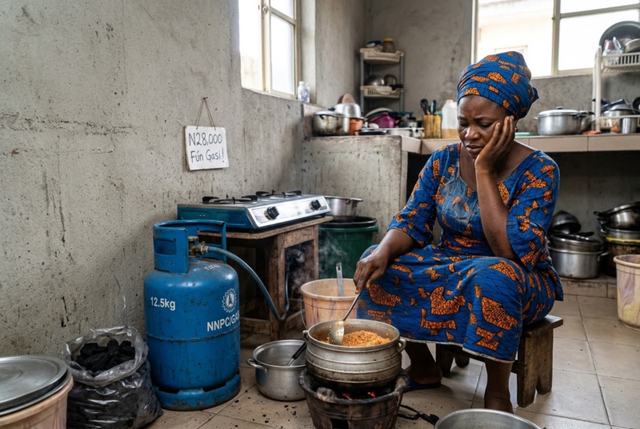
READ: Cooking Gas Price in Nigeria Hits ₦1,000 per Kilogram
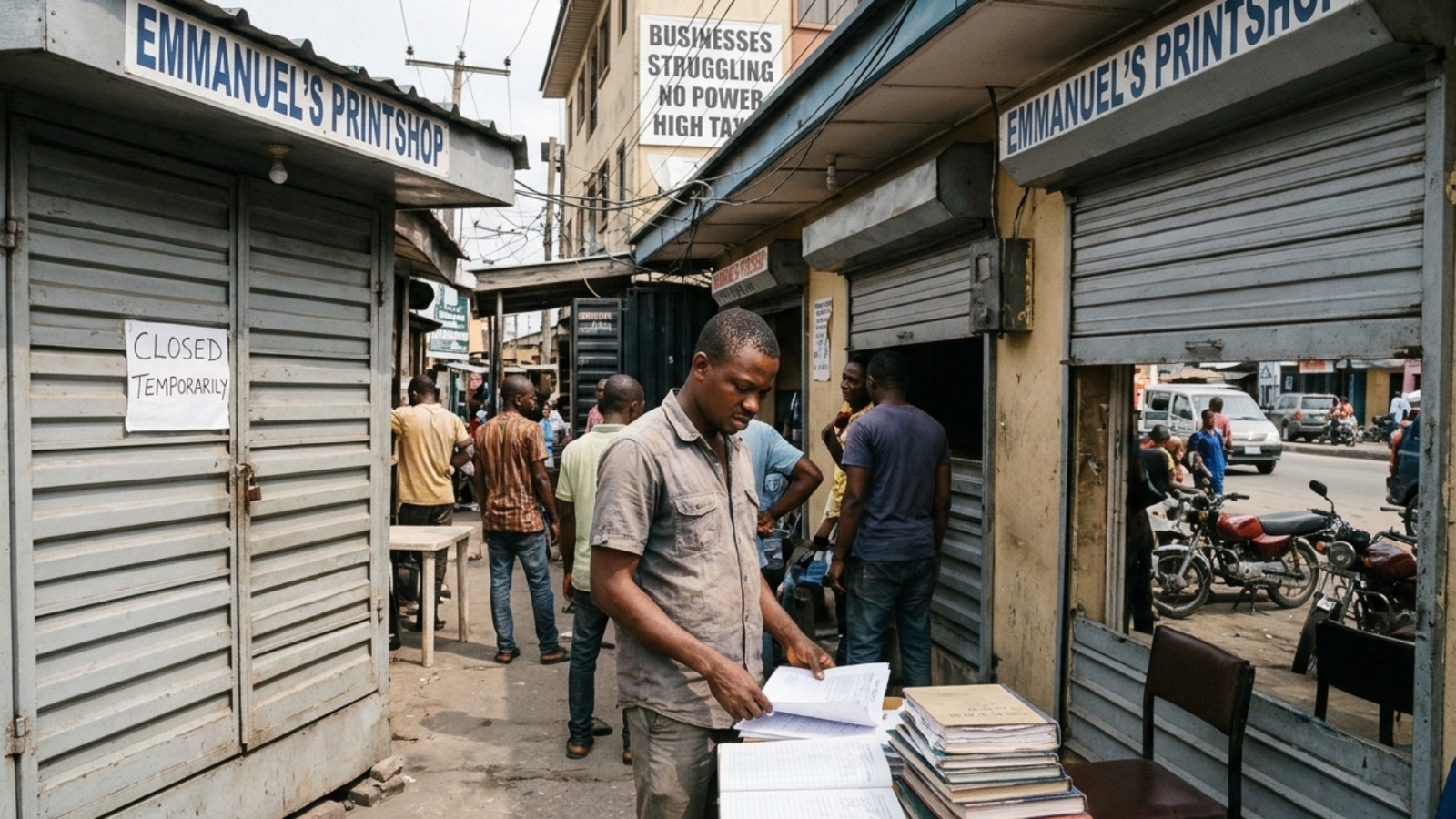
High business costs in Nigeria are making it harder for companies to grow, invest money and create jobs, the Lagos Chamber of Commerce and Industry (LCCI) has warned.
Read: Do you need a professional writer in 72 hours? Contact Auxi Chat
The chamber called on the Federal Government to take urgent action to reduce the cost of running a business. It said problems such as unreliable electricity, poor transport systems, slow ports and limited access to loans continue to hurt business owners.
READ: # Nigeria External Debt and China Loans: World Bank Reveals $145 Billion Debt
The warning was made by LCCI President, Leye Kupoluyi, at the opening of the 40th Lagos International Trade Fair in Lagos on Friday, November 6. The report was published by Voice of Nigeria on Saturday, November 7, 2026.
Kupoluyi said business owners need better roads, steady electricity, affordable loans, security and clear government rules to succeed.
Read: Need a professional website in 72 hours? Contact Auxi Chat
In simple terms, businesses need to spend less money keeping their doors open so they can make products, sell more goods and employ more people.
The warning matters because businesses provide jobs for Nigerians. When companies struggle to pay their bills, they may stop expanding, delay hiring workers or increase the prices of the things they sell.
Why High Business Costs in Nigeria Are a Problem
Running a business costs money. A shop owner must pay for goods, rent, transport and electricity. A factory must pay workers, buy materials and power its machines.
When these costs become too high, business owners have less money left to grow their businesses.
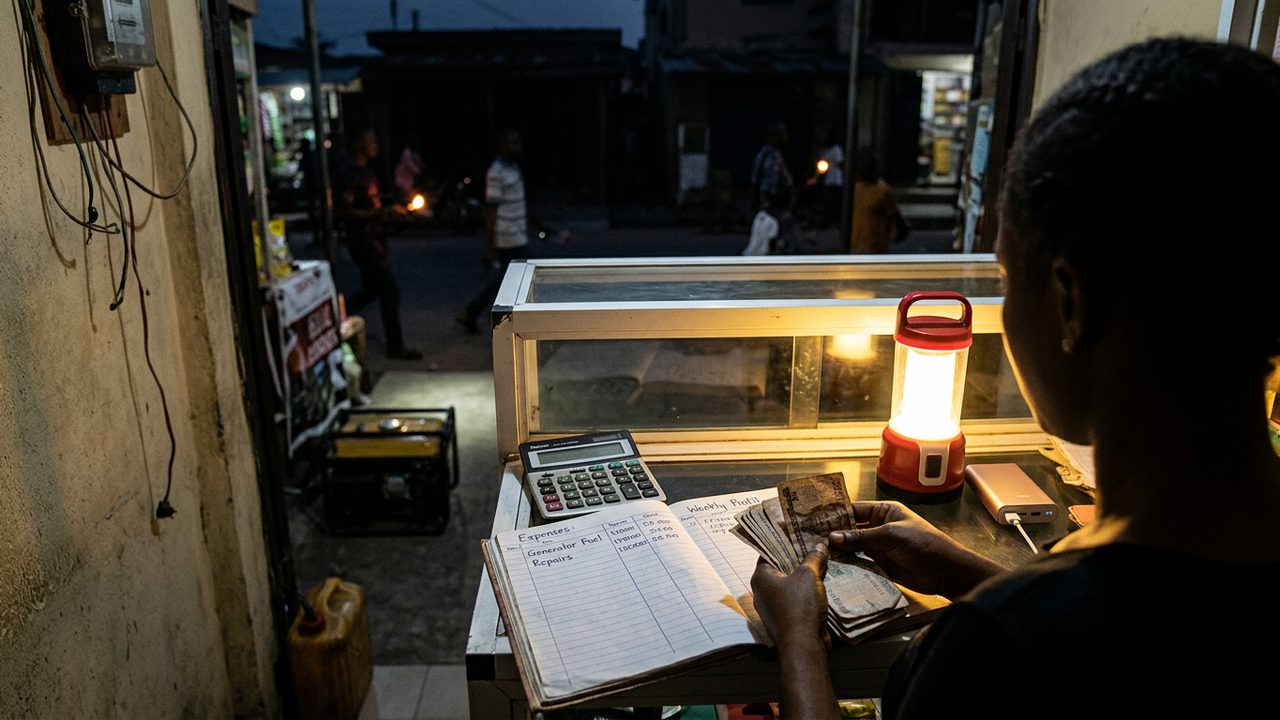
For example, imagine a bakery that needs electricity to bake bread. If power supply is poor, the owner may have to buy fuel for a generator. That means spending extra money before selling even one loaf of bread.
The owner may then have to increase bread prices or accept a smaller profit. If the problem continues, the bakery may find it difficult to employ more workers.
This is the kind of challenge facing many Nigerian businesses.
The LCCI says reducing these costs would help companies produce more goods, compete with other businesses and invest in their future.
Poor Electricity Supply Makes Business More Expensive
Electricity is one of the major concerns raised by the LCCI.
Businesses need power to run machines, keep shops open, store food and provide services. When electricity is not reliable, some business owners must pay for generators and fuel.
These extra costs can be difficult for small businesses that do not have much money.
A tailor, for example, needs electricity to operate certain machines. A frozen-food seller needs power to keep food from spoiling. A small factory may need electricity throughout the day to produce goods.
When power supply fails, these businesses can lose both time and money.
The LCCI wants the government to improve electricity supply so companies can spend less money keeping their operations running.
More reliable power could also help businesses plan their work better and reduce the extra costs passed on to customers.
Bad Roads and Port Delays Hurt Nigerian Businesses
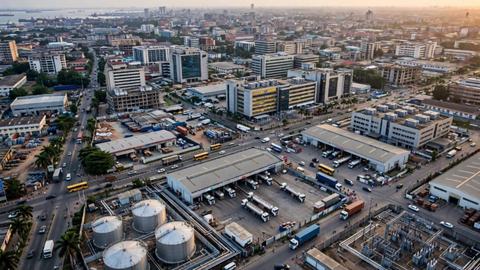
The LCCI also identified transport problems and inefficient ports as major challenges for businesses.
Traders need roads to move goods from farms, factories and ports to shops and markets. When roads are in poor condition, journeys can take longer and vehicles may require more repairs.
Transport companies may spend more on fuel and vehicle maintenance. They may then charge customers higher prices to cover those expenses.
Port delays can create another problem. Businesses that bring goods into Nigeria may have to wait longer than expected before receiving their products. Delays can increase storage expenses and make it harder for companies to deliver goods on time.
These problems affect more than large companies. Small traders, market sellers and ordinary customers can also feel the effects when the cost of moving goods increases.
The chamber wants better transport connections and more efficient ports to help goods move around the country more quickly and at a lower cost.
Small Businesses Need Easier Access to Loans
Another major concern is the difficulty some businesses face when trying to borrow money.
A loan can help a business buy equipment, purchase goods, open another shop or employ more workers. But when loans are difficult to obtain or too expensive to repay, business owners may struggle to expand.
Small and medium-sized businesses can be especially affected because they may not have large savings or valuable assets to offer as security.
Imagine a woman who sells clothes and wants to open a second shop. She may have customers and a good business idea, but she still needs money to pay rent, buy clothes and furnish the new shop.
If she cannot obtain an affordable loan, her business may remain small even when there is demand for her products.
The LCCI has called for better access to finance, particularly for small and medium-sized businesses.
Easier access to suitable loans could help more businesses grow, although borrowers would still need to manage their debts carefully.
Clear Government Rules Can Help Companies Grow
The LCCI also warned that changing or poorly applied government policies can make business planning difficult.
Business owners need to understand the rules they must follow, the taxes they must pay and the steps required to register or operate their companies.
When rules are unclear or applied differently, businesses may struggle to plan for the future. Some may delay buying equipment, opening new branches or employing additional workers because they are unsure what costs they will face.
Kupoluyi said businesses make better investment decisions when rules are clear and institutions apply them fairly.
This means that government action should not only focus on reducing costs. It should also make business procedures easier to understand and follow.
Clear rules can help business owners make plans with greater confidence and reduce avoidable delays.
How High Business Costs Can Affect Jobs and Prices
The cost of running a business can affect the wider economy because companies depend on customers to survive.
READ: Nigerian Stock Market Loses ₦3.28 Trillion as Heavy Selling Hits Major Shares
When expenses rise, business owners may have to make difficult choices. They might increase prices, reduce the number of workers they employ or postpone plans to expand.
For Nigerian families, higher prices mean their money may not buy as much as before. A family may have to spend more on bread, transport, clothing and other everyday needs.
For young people looking for work, slower business growth can mean fewer opportunities to find jobs.
However, reducing business costs alone will not solve every problem facing the economy. Companies also need customers, skilled workers, access to markets and a stable environment in which to operate.
The LCCI's warning highlights why improving the business environment matters. When companies can operate more efficiently, they have a better chance of investing, producing goods and employing people.
What the Government Can Do to Reduce Business Costs
The LCCI has called for practical changes that can make it easier for Nigerian businesses to operate.
These include improving electricity supply, fixing transport connections, making ports more efficient, simplifying regulatory processes and helping businesses access finance.
The government can also work towards making its policies more predictable so companies can plan for the future.
These changes may take time and require investment. However, the chamber argues that they are important if Nigerian businesses are to grow and create more jobs.
The key is to turn promises into improvements that business owners can see in their daily work.
A trader should be able to move goods without facing unnecessary delays. A factory should be able to plan its production without excessive power costs. A small business should have a fair chance of obtaining money to expand.
If these conditions improve, more businesses may be able to invest in new equipment, increase production and employ additional workers.
Conclusion: High Business Costs in Nigeria Need Urgent Action
The LCCI has warned that high business costs in Nigeria are making it harder for companies to invest, grow and create jobs.
Its president, Leye Kupoluyi, has called for reliable electricity, better roads, efficient ports, easier access to loans and clear government policies.
These issues affect businesses of different sizes, from small shops and traders to large factories. When it costs too much to keep a business running, owners may have less money to employ workers, expand operations or keep prices affordable.
The government now faces the challenge of turning economic plans into practical improvements that businesses can feel.
Lower operating costs would not solve every problem in Nigeria's economy, but they could help more companies grow and give more people a chance to find work.
Do you think the government should focus first on cheaper electricity, better roads or easier business loans? Share your opinion in the comments.