When I think about why some products cost so much to make, I know the answer is not always the price of the materials used to produce them. A factory also needs electricity, fuel, roads, equipment and other services before it can make goods and sell them to customersObajana cement plant cost.
READ: SMEDAN Business Support Programme Offers New Hope to Nigerian Entrepreneurs
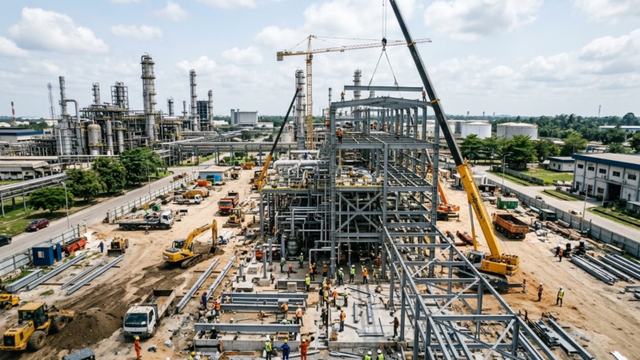
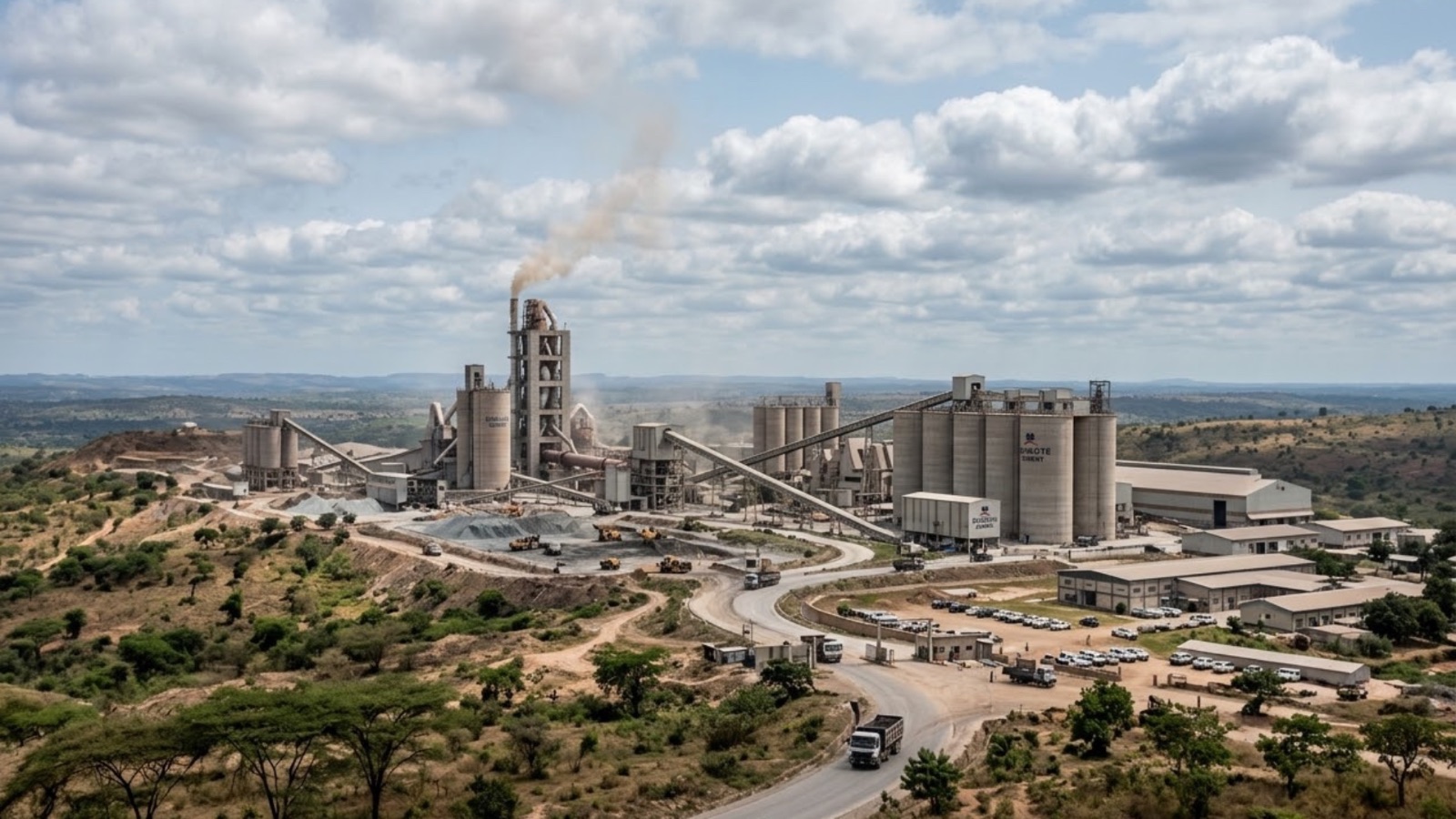
This is the issue behind the reported rise in the Obajana cement plant cost. Nigerian industrialist Aliko Dangote said the project, which was initially expected to cost about $180 million, eventually required about $1 billion because the company had to address infrastructure needs it had expected public services to meet.
Read: Do you need a professional writer in 72 hours? Contact Auxi Chat
The plant is in Kogi State and is a major part of Dangote Cement’s operations. The reported increase has brought fresh attention to the cost of building large factories in Nigeria and the difficulties businesses can face when essential services are not readily available.
READ: Indorama Fertiliser Expansion Targets 5.6 Million Tonnes
I believe the story matters because the cost of running a factory does not affect only its owner. It can also influence investment decisions, employment, production and the wider cost of doing business.
Why the Obajana Cement Plant Cost Increased
Read: Need a professional website in 72 hours? Contact Auxi Chat
According to Dangote’s account, the Obajana project was initially expected to cost around $180 million. The company had planned its investment on the understanding that some important infrastructure would be available.
However, Dangote said gaps in power and gas infrastructure created additional demands. The company had to provide facilities that it had expected to obtain through public services.
These additional needs increased the amount of money required to develop the plant. Dangote said the final cost rose to about $1 billion.
That is a major difference between the original estimate and the reported final cost. It shows why the price of a factory cannot be measured by looking only at its buildings and production machines.
A cement plant needs a reliable supply of energy. It also needs systems to move raw materials, operate equipment and transport finished products. If these services are missing or unreliable, the owner may have to spend extra money to provide them.
I would not assume that every factory in Nigeria faces the same costs. Each project has its own location, design and requirements. But the Obajana example shows how infrastructure needs can add to the cost of a major industrial investment.
Why Factories Need Reliable Electricity and Gas
Factories use energy to operate machines, process materials and produce goods. For a cement plant, energy is particularly important because production involves heavy equipment and processes that require large amounts of power and heat.
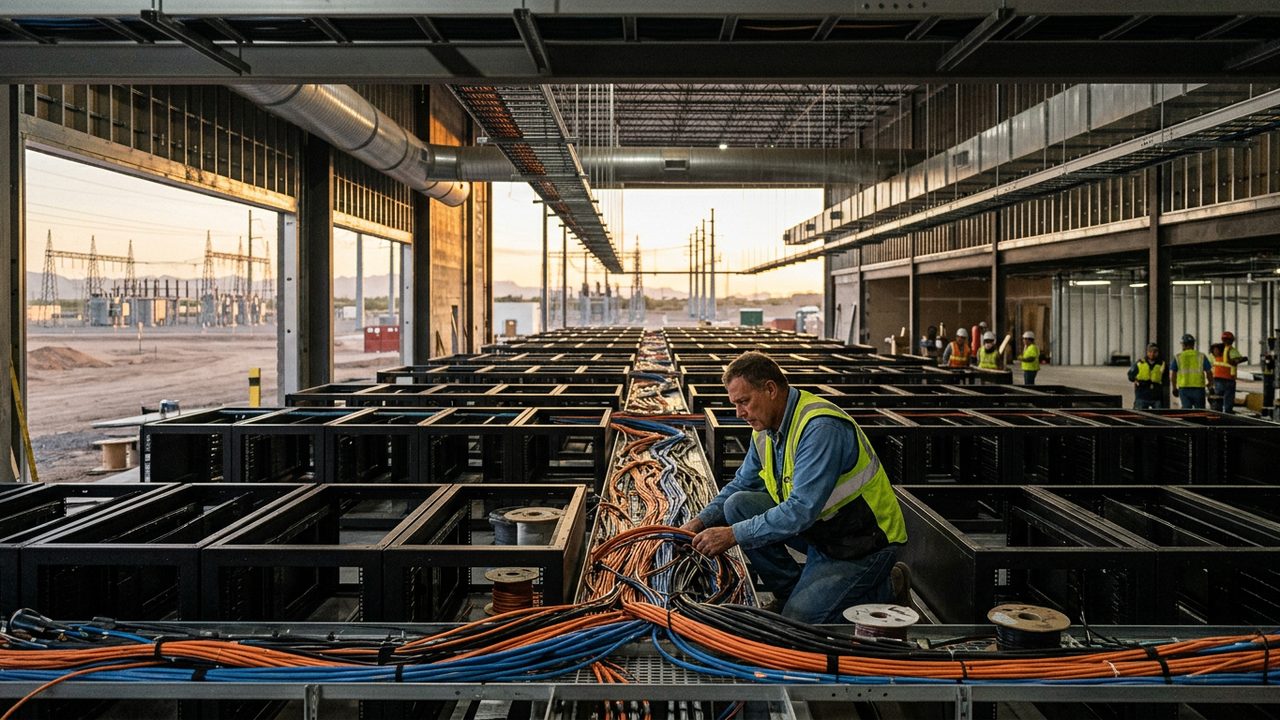
When electricity is unreliable, a business may need backup generators or other power systems. These systems cost money to install and maintain. The fuel needed to operate them can add further expenses.
Gas supply can also be important for industrial production. A factory may need pipelines, storage facilities or other equipment to obtain and use fuel safely.
If these facilities are not available, the company may have to build or arrange them itself. That requires money, time and technical planning.
The problem does not end when the equipment is installed. The company must continue paying for fuel, repairs, maintenance and the workers needed to keep the systems running.
A factory may therefore face two sets of costs: the cost of producing its main product and the cost of providing the infrastructure required to make production possible.
When those additional costs are higher than expected, the original budget may no longer be enough.
How Infrastructure Problems Increase the Cost of Doing Business in Nigeria
I find it helpful to think about a small business to understand the pressure facing a large factory.
Imagine someone who wants to open a bakery. The owner plans to buy an oven, rent a shop and purchase flour. But after opening, the electricity supply is unreliable, so the owner must buy a generator and pay for fuel.
If transport is also difficult, flour may cost more to deliver. The owner now has expenses that were not fully included in the original plan.
A large factory can face a similar challenge, although the amounts involved are much greater.
Poor infrastructure can increase the cost of producing goods because businesses must pay for services that they would otherwise expect to obtain from a wider public system.
These costs can also affect expansion. A company that planned to build another production line may have to delay that investment because money is needed for power, gas or transport facilities.
For small businesses, the same problem can make it harder to buy equipment, employ workers or offer products at competitive prices.
This is why infrastructure should be treated as an important part of economic planning. It is not separate from business growth. It helps determine whether companies can produce goods efficiently and reach customers at a reasonable cost.
What Dangote Said About Financing the Project
Dangote also discussed how the Obajana project was financed.
According to his account, the company sought support from the International Finance Corporation (IFC), which reviewed the project’s financial arrangements.
He said the company had wanted to repay the financing over three years, but the arrangement was extended. The structure he described involved seven years, including an initial two-year period without repayments followed by five years of repayments.
Dangote also referred to local bank interest rates of up to 40 per cent on borrowing connected with the project.
These details help explain why a large increase in project costs can create additional financial pressure. If a company needs more money than originally planned, it may have to seek extra financing or change how the project is funded.
Borrowing also has a cost. Interest payments can increase the amount a business must repay, reducing the money available for other needs.
However, the interest rate described by Dangote should not be treated as the rate charged to every Nigerian business. Lending conditions depend on the borrower, the lender, the type of financing and the terms agreed.
The wider point is that unexpected infrastructure costs can affect the entire financial plan of a project. They may increase the need for borrowing and delay the point at which the investment begins to generate enough income to cover its costs.
Why the Obajana Plant Matters to the Cement Industry
Cement is used to build houses, schools, hospitals, roads and other structures. It is an important material for construction, so the way it is produced matters to builders and property owners.
A cement producer must pay for raw materials, energy, labour, maintenance and transport. If any of these costs increase, the company may face pressure on its profits.
The final price customers pay depends on many factors, including production costs, demand, competition and transport expenses. It would therefore be wrong to say that the reported cost of the Obajana plant alone determines the price of every bag of cement.
Still, a major industrial project can offer useful lessons about the conditions needed for local production.
If a manufacturer spends heavily on infrastructure before production can begin, it may have less money available for expansion or other investments. If the company can rely on more dependable services, it may be able to plan its spending with greater confidence.
Obajana’s reported development cost provides an example of why industrial infrastructure matters to Nigeria’s cement industry and to the wider manufacturing sector.
Could Better Infrastructure Help Nigerian Manufacturers?
More reliable electricity, gas supply and transport links could make it easier for manufacturers to plan their operations.
If a factory can depend on the services it needs, it may not have to spend as much money building backup systems or arranging alternative supplies. The savings could potentially be used for new equipment, more workers, better production methods or business expansion.
Better transport can also help raw materials arrive on time and finished products reach customers. This may reduce delays and make it easier for companies to manage their stock.
However, infrastructure is expensive to build and maintain. Projects require careful planning, responsible spending and systems that continue to work after construction is complete.
Private companies may still need to invest in facilities designed for their own operations. The goal is not to remove every cost from businesses, but to ensure that essential services are reliable and available enough to support productive work.
Infrastructure alone will not solve every problem facing Nigerian industry. Companies also need access to finance, skilled workers, clear rules and stable markets.
But dependable power, fuel and transport can remove some of the obstacles that make it difficult for businesses to grow.
What Investors Can Learn From the Obajana Project
READ: CBN stablecoin capital requirement of ₦15 Billion Foreign-Currency Stablecoin Issuers
For anyone planning to invest in a factory, the Obajana story offers a practical lesson: the cost of the main equipment is only part of the total investment.
Investors need to ask whether the proposed location has reliable electricity, access to fuel, suitable roads and the facilities required to move goods. They must also estimate the cost of providing any services that are missing.
Financing is another important consideration. A project that costs more than expected may require additional borrowing, which can increase interest expenses and change the time needed to recover the investment.
These questions should be considered before construction begins, not only after problems appear.
Governments and public institutions can also help by being clear about the services available in industrial areas and by improving infrastructure where the need is greatest.
For business owners, careful planning can reduce the risk of unexpected costs. For policymakers, dependable public services can make industrial investment more attractive.
How High Factory Costs Can Affect Ordinary Nigerians
The cost of building a factory may seem far away from everyday life, but industrial spending can affect the wider economy.
A manufacturer needs to pay workers, buy materials and maintain equipment. If operating costs rise, the company may have to review its prices, reduce other spending or delay expansion.
When businesses grow, they may create jobs and buy more goods and services from suppliers. When expansion becomes harder, those opportunities may take longer to appear.
Cement is especially important because it is used in construction. Families building homes and companies developing properties pay attention to the cost of building materials.
But consumers should not assume that the cost of one plant directly determines cement prices. Market demand, transport, fuel, raw materials and competition can all affect the final price.
The wider lesson is that the cost of infrastructure can influence business decisions, and those decisions can eventually affect jobs, production and the goods people buy.
What the Obajana Story Means for Nigeria’s Economy
The reported increase in the Obajana cement plant cost highlights a challenge that can affect large and small businesses alike. When essential services are missing or unreliable, companies may have to spend more money before they can concentrate on their main work.
Dangote’s account of the cost rising from $180 million to about $1 billion shows how much the financial demands of a major project can change when additional infrastructure is needed.
For Nigeria, this raises an important question about the relationship between public infrastructure and private investment.
Businesses can bring money, equipment, skills and jobs into the economy. But they need conditions that allow them to operate efficiently. Reliable electricity, gas, roads and transport systems can help companies plan and use their resources more productively.
Investors must still manage their finances carefully, and public infrastructure projects must be planned and maintained responsibly. Neither side can guarantee that every industrial project will succeed.
However, the Obajana experience shows why infrastructure should remain part of any serious discussion about manufacturing and industrial growth.
If Nigeria wants more factories, stronger local production and businesses that can compete in wider markets, the cost and reliability of essential services cannot be ignored.
The writer of this article does not claim to know the individuals named personally. The information regarding their backgrounds as published on Global News Arena is based on independent online research.
If you have an article, opinion piece, event or news story you would like published, Global News Arena would love to hear from you.