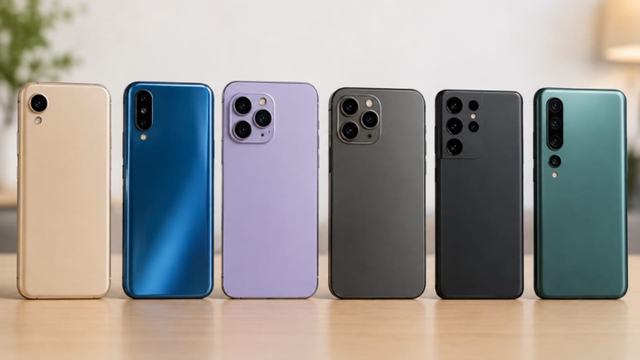
Nigerians can now use a new checking service from the Nigerian Communications Commission (NCC) to find out whether their mobile phones meet the country’s approval requirements.
The regulator has introduced the Device Checker as part of efforts to identify fake, cloned and unapproved phones. The move is also intended to help consumers make safer choices when buying mobile devices.
The system took effect on October 7, 2026. Under the rules, newly imported communication devices must meet the required approval and verification conditions.
The NCC says the checker allows users to confirm whether a device model has been approved and whether a particular device is verified for use on Nigerian mobile networks.
Checking a phone is simple.
Users can dial 315# and follow the instructions on their screens.
They can also use the official NCC Device Checker website.
Depending on the check, a user may need the phone’s 15 digit International Mobile Equipment Identity number, also known as the IMEI. To find this number, users can usually dial #06# on their phones.
The NCC says the system covers more than ordinary mobile phones. Other devices that connect to mobile networks, including tablets, modems and point of sale terminals, may also fall under the requirements.
This matters because many businesses depend on connected devices to receive payments, communicate with customers and carry out daily transactions.
The announcement does not mean that every Nigerian must immediately register an existing phone again.
According to the NCC, phones already connected to Nigerian networks before the system took effect were automatically verified.
However, people buying a new or second hand phone should check its status before paying. A phone that has been used before is not automatically guaranteed to meet every requirement.
The checker is also intended to help address problems caused by cloned and counterfeit devices.
A cloned phone may use an identification number copied from another device, while a counterfeit phone may be made or sold to look like a genuine product.
Such devices can create problems for consumers and make it harder for network operators and regulators to identify devices correctly.
Buyers should therefore purchase from trustworthy sellers and ask questions if a device’s status is unclear.
Consumers should also be careful when checking their phones online.
The NCC advises people to use its official service and warns against scams linked to device verification.
If a verification process sends a one time code, users should enter it only through the official process and never share it with a seller or an unknown caller.
If a phone cannot be verified, the owner should contact the seller, mobile network provider or NCC for guidance rather than immediately assuming the phone will stop working.
The new system puts more responsibility on buyers and sellers to check device approval before a purchase is completed.
For buyers, the main lesson is simple. Check first, pay later.
For businesses that rely on phones and other connected equipment, confirming device status can help avoid unexpected problems.
If you have an article, opinion piece, event or news story you would like published, Global News Arena would love to hear from you.
Send a message to Global News Arena contact to get in touch.