The International Monetary Fund has warned that the world economy could face fresh problems if investment in artificial intelligence suddenly falls. The warning comes as countries deal with high energy prices, rising government debt and uncertainty caused by conflicts in the Middle East. Although the global economy is still expected to grow in 2026, the IMF says there are risks that governments, businesses and investors should not ignore.
The IMF expects the world economy to grow by about 3.1 per cent in 2026. This means the total value of goods and services produced around the world is expected to increase. However, the organisation says this growth could be threatened if businesses lose confidence in AI technology or if the Middle East conflict continues to push up energy costs.
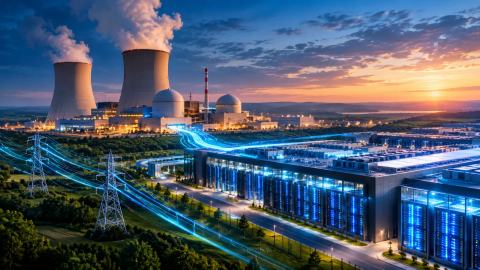
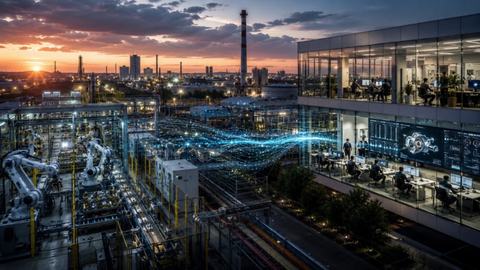
One major concern is the amount of money flowing into artificial intelligence. Many companies have been spending billions of dollars to build data centres, develop AI tools and buy powerful computer chips. Investors have also been buying shares in companies they believe will benefit from the technology. This has helped support parts of the stock market. But if investors begin to believe that AI will not make as much money as expected, they could quickly pull their money out.
A sudden fall in AI investment could affect more than technology companies. Businesses that supply computer chips, build data centres or provide cloud services could lose customers. Companies that borrowed heavily to expand their AI operations could also face financial pressure. If share prices fall sharply, investors and businesses may become more cautious about spending, which could slow economic activity in other industries. The IMF has warned that a serious correction in AI investment could damage global economic growth.
Government debt is another major concern. Many countries owe large amounts of money and must pay interest on their borrowing. When interest rates and borrowing costs rise, governments may have less money available for roads, schools, hospitals and other public services. Businesses can also face higher costs when they borrow money to expand, employ workers or purchase equipment. This can make it harder for smaller companies to grow.
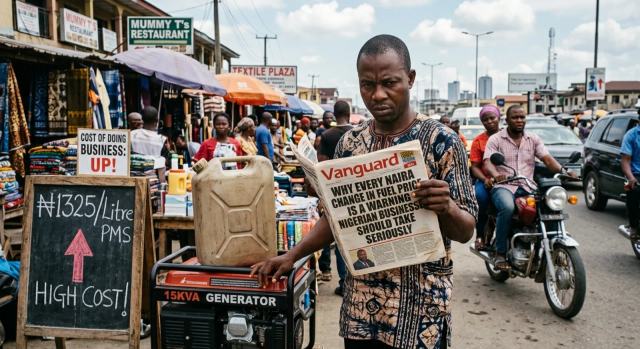
The conflict in the Middle East adds another problem because it can disrupt the supply of oil and other important goods. When energy becomes more expensive, transport companies, factories and shops may have to spend more money to keep operating.
Businesses can pass some of these extra costs to customers, making everyday goods more expensive. Families may then have less money left to spend on other needs.
The IMF has warned that continued conflict and high energy prices could place additional pressure on the global economy.
Small businesses may feel these pressures strongly. A company that already spends a large part of its income on electricity, transport, rent and supplies may struggle when costs rise. Businesses also need to attract customers, manage their money and keep up with changing technology. Digital tools can help them improve their operations, but business owners need to choose tools that solve real problems rather than spend money simply because a technology is popular.
Platforms such as Auxi Sherpa can help businesses explore digital services that support their online presence, marketing and growth.
The IMF’s warning does not mean that a global recession is certain or that AI investment will suddenly collapse. It means that the world economy faces risks that could become more serious if several problems happen at the same time. Governments need to manage public debt carefully, while businesses and investors need to consider the risks of borrowing too much or relying on one fast-growing industry. For ordinary people, the effects may show up through prices, job opportunities and the cost of running a business. The coming months will help show whether the global economy can continue growing despite these challenges.
If you have an article, opinion piece, event or news story you would like published, Global News Arena would love to hear from you.
Send a message to Global News Arena contact to get in touch.