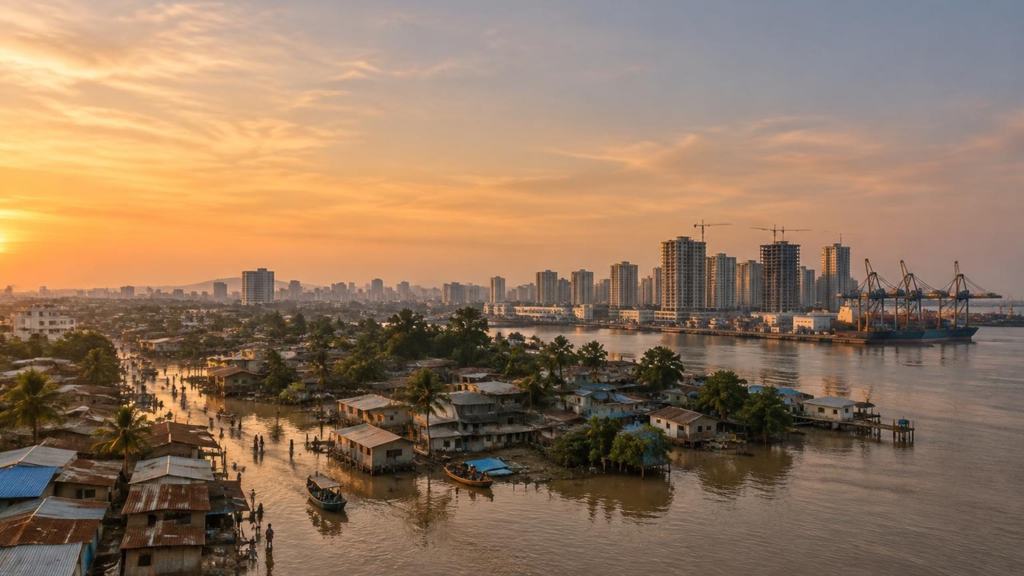
World Bank Warns of Growing Disaster Insurance Gap
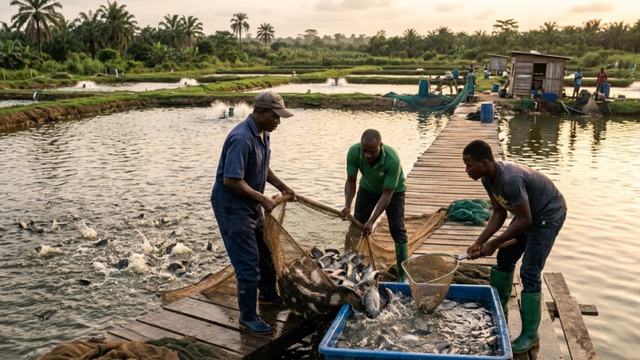
READ: Nigeria Fish Production Unveils $200m Drive With World Bank Support
The World Bank has warned that the World Bank disaster insurance gap is leaving developing economies exposed to significant financial losses, with more than 80% of natural disaster-related losses going uninsured in parts of Africa, Asia and Latin America over the past decade.
Read: Do you need a professional writer in 72 hours? Contact Auxi Chat
The findings are contained in the World Bank Group’s Finance and Prosperity 2026 report, which examines financial sector developments and challenges in emerging market and developing economies.
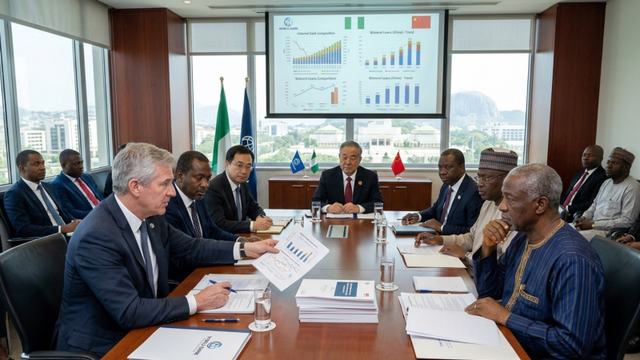
READ: Nigeria External Debt and China Loans: World Bank Reveals $145 Billion Debt
The report highlights the difficulty many vulnerable countries face in protecting households, businesses and public infrastructure against the financial consequences of natural disasters.
In some of the world’s poorest and most vulnerable countries, uninsured disaster-related losses reached as high as 95%. This means that only a small proportion of the financial damage was covered by insurance, leaving affected communities and governments to shoulder much of the recovery costs.
Read: Need a professional website in 72 hours? Contact Auxi Chat
How the World Bank Disaster Insurance Gap Affects Developing Countries
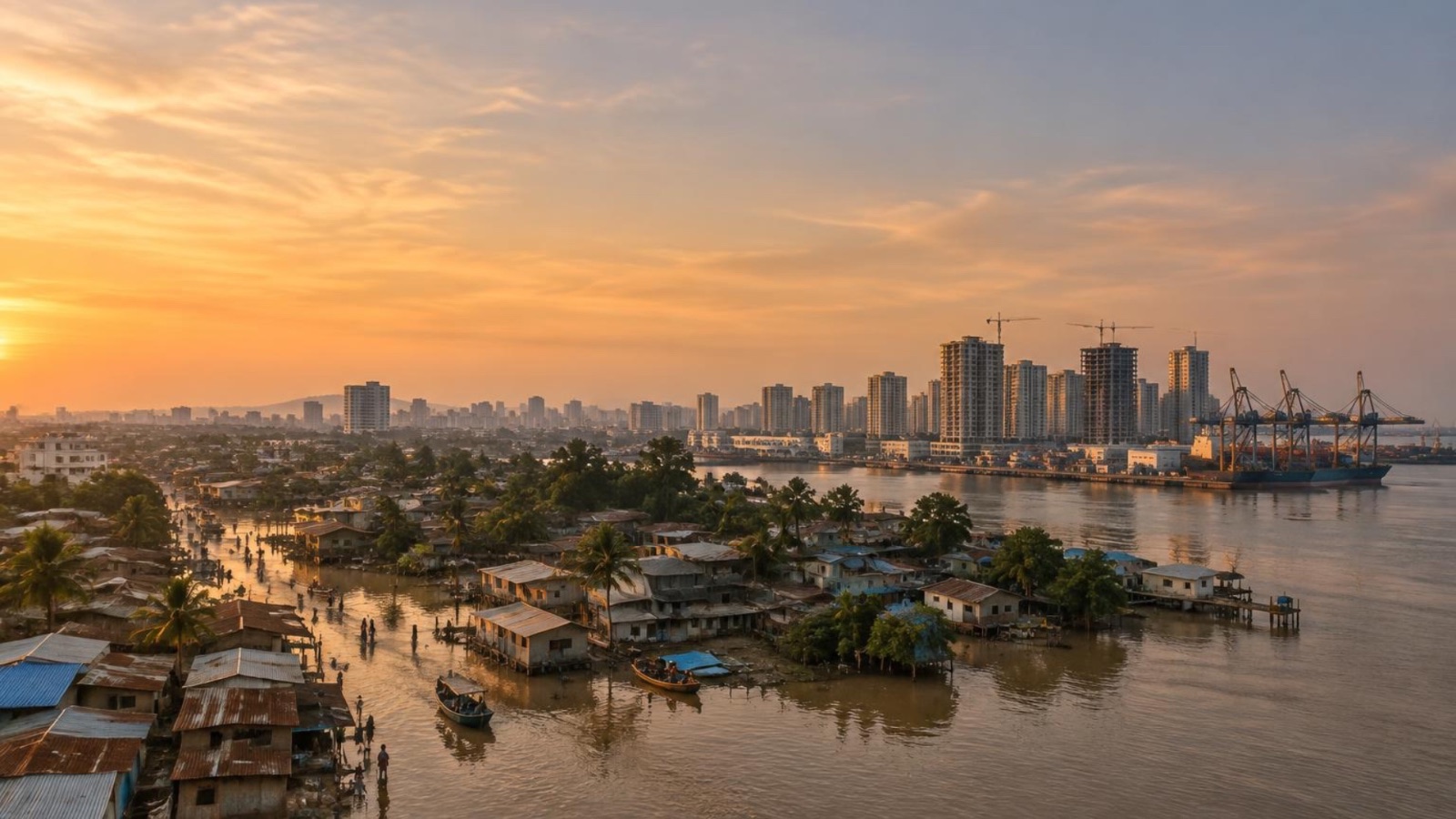
Natural disasters can cause extensive damage to homes, businesses, farms, roads and other essential infrastructure. However, the financial consequences often continue long after the immediate emergency has passed.
Insurance coverage provides a financial safety net by helping individuals and organisations recover from covered losses. When that protection is unavailable or unaffordable, affected households and businesses may have to depend on personal savings, loans, government assistance or support from relatives.
For small businesses, the consequences can be particularly difficult. Flooding, storms and other disasters can destroy equipment, damage products and interrupt daily operations. Business owners without adequate insurance may struggle to replace damaged assets or reopen.
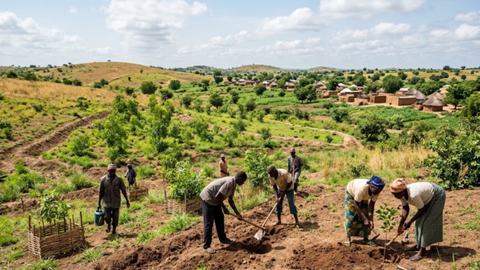
Farmers also face considerable risks when natural disasters destroy crops, livestock or agricultural equipment. Without suitable insurance, a single disaster can affect their income and ability to continue production.
The World Bank’s findings show that the insurance protection gap is a major financial vulnerability for developing economies, particularly in regions where access to affordable coverage remains limited.
World Bank Calls for More Affordable Insurance Coverage
The report highlights the need to improve access to insurance and strengthen financial protection against natural disasters.
Making insurance more affordable and accessible could help households, farmers and businesses recover more effectively after major events. However, expanding coverage requires insurance products that reflect the financial circumstances and specific risks faced by different communities.
Governments, financial regulators and insurance providers all have important roles in addressing the problem. Stronger insurance markets, supportive regulations and suitable financial products could help increase the number of people and businesses protected against disaster-related losses.
The World Bank’s findings also underline the importance of reducing disaster risks before they occur. Better infrastructure, improved preparedness and effective risk-management policies can help limit the damage caused by natural hazards.
Insurance alone cannot prevent disasters, but it can reduce the financial burden on those affected and support a faster recovery.
Economic Consequences of Uninsured Disaster Losses
The consequences of limited insurance coverage extend beyond individual households and businesses. When major disasters occur, governments may face increased pressure to provide emergency assistance, rebuild damaged infrastructure and support affected communities.
These additional expenses can place pressure on public finances, particularly in countries already dealing with limited financial resources and competing development priorities.
Businesses that cannot recover quickly may reduce operations or close, affecting employment and household incomes. Agricultural losses can also disrupt food production and economic activity in affected areas.
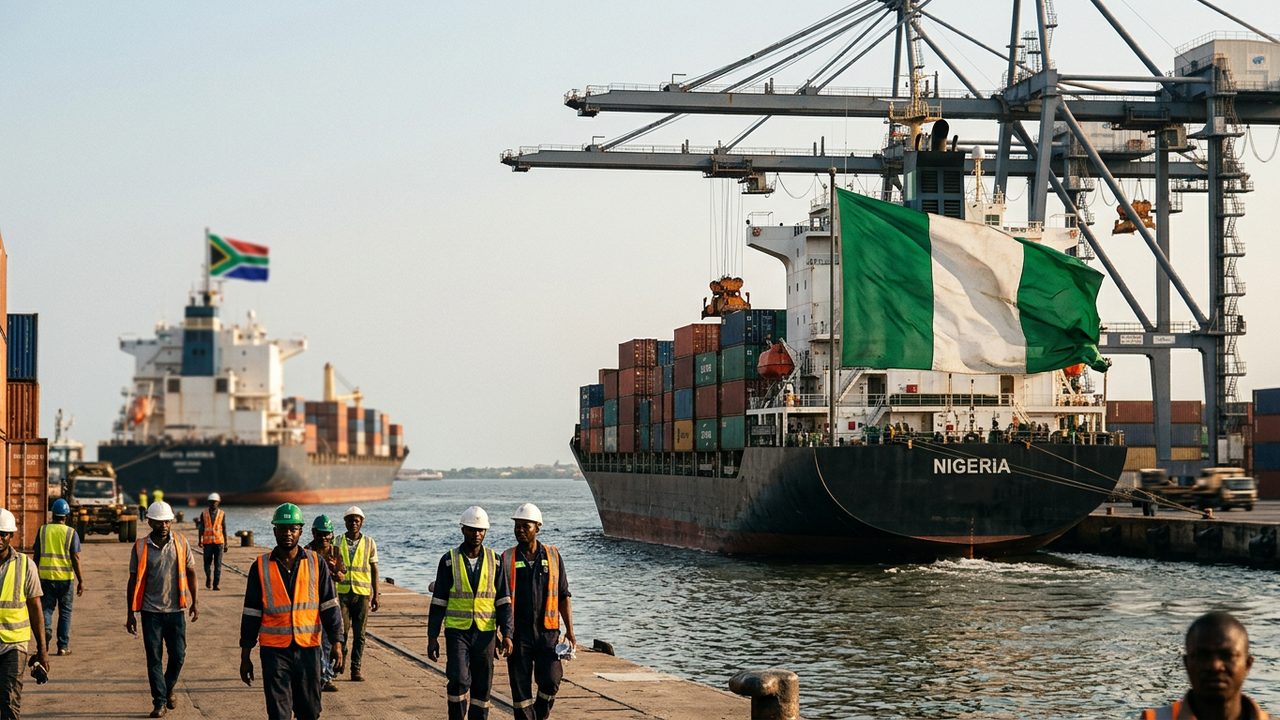
READ: Nigeria Overtakes South Africa as Africa's Largest Economy
Repeated uninsured losses may therefore make it harder for vulnerable economies to maintain growth and invest in long-term development.
The World Bank’s Finance and Prosperity 2026 report places the insurance protection gap within a wider discussion about financial resilience in developing economies. Strengthening financial systems and improving access to protection are important steps towards managing economic risks.
Closing the gap will require sustained cooperation between governments, regulators, insurers and financial institutions. More affordable insurance, stronger disaster preparedness and better risk management could help protect vulnerable communities from the financial effects of future disasters.
The report’s findings highlight a serious challenge for developing economies: without wider access to financial protection, households, businesses and governments will continue to carry much of the cost when natural disasters strike.
Are you interested in learning how to write professionally and earn money as a writer and content creator? Contact us today to start your writing journey immediately.
Need a professional website in 72 hours? Contact us
Do you need a professional writer in 72 hours? Contact us
If you have an article, guest story, event or news tip you would like published, Global News Arena would love to hear from you.