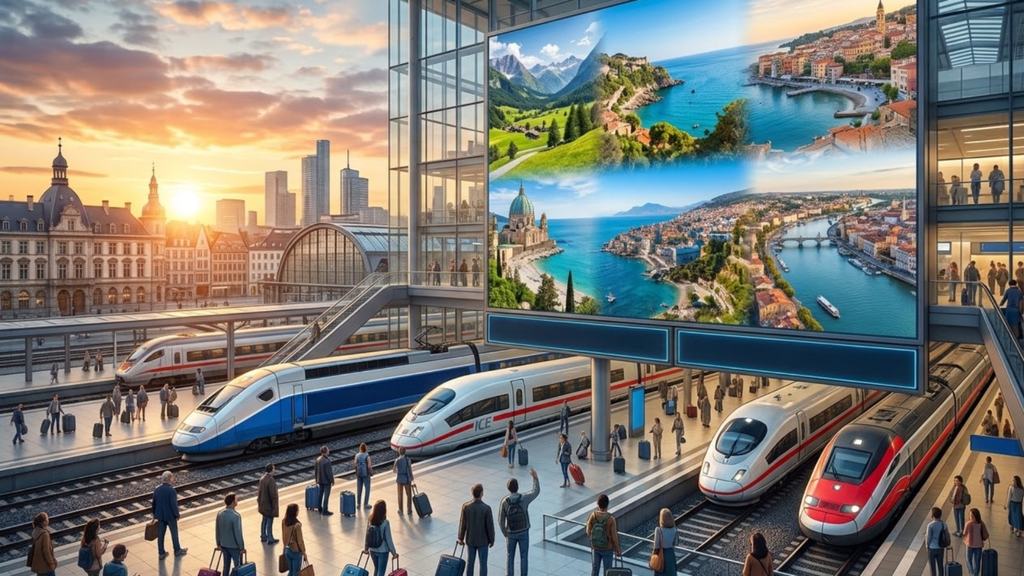
Europe tourism strategy to Explore More Places
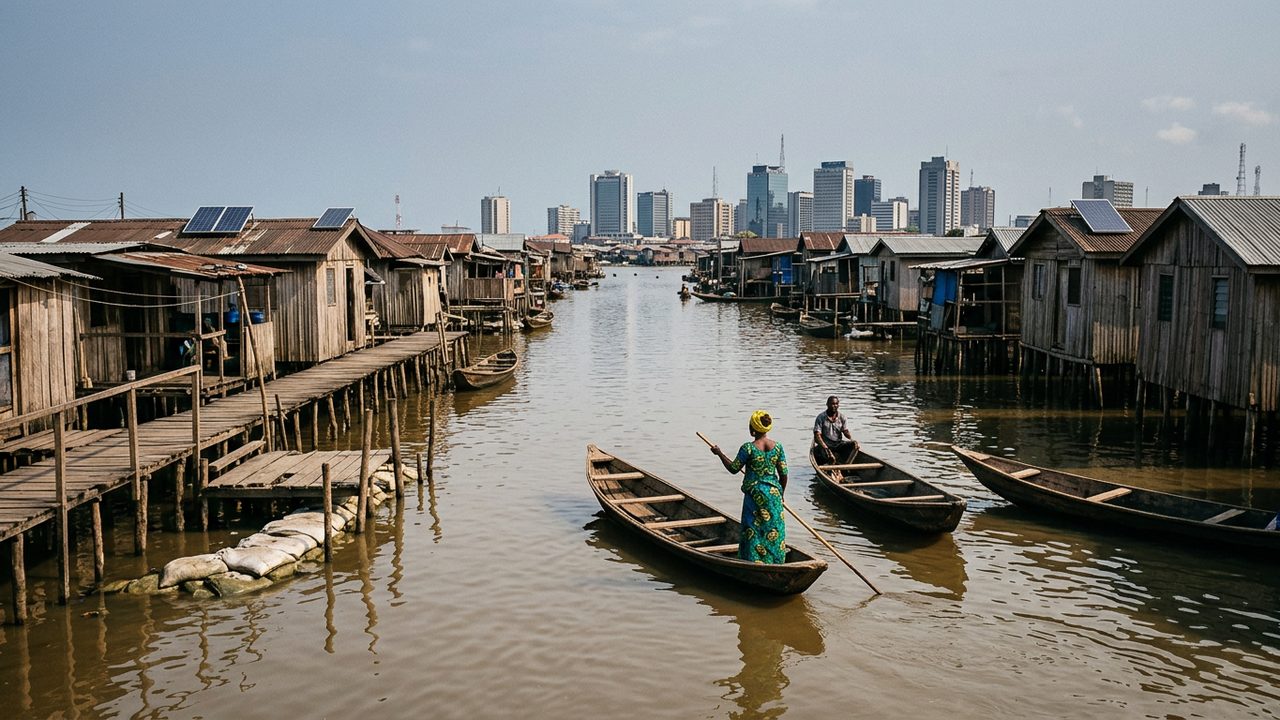
READ: Lagos and the Rising Water: A City Planning Against the Sea
Europe is encouraging tourists to visit more places instead of travelling mainly to the same famous cities and holiday destinations.
Read: Do you need a professional writer in 72 hours? Contact Auxi Chat
The European Commission announced a new plan on November 4, 2026, to help spread tourists across more regions and throughout the year. The plan received further coverage on November 7 as Europe continued looking for ways to manage growing visitor numbers.
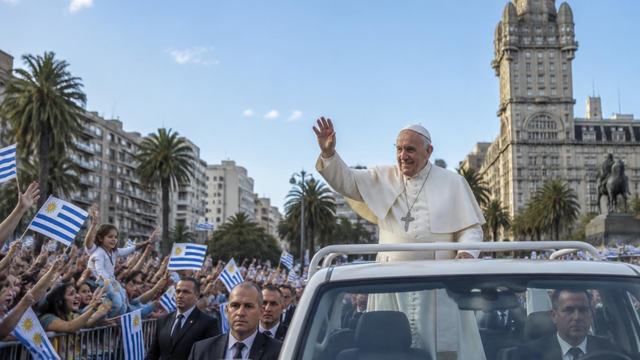
READ: Pope Leo South American Tour Begins With Call for Unity
The idea is simple. Instead of millions of people visiting the same popular places during the same few weeks, Europe wants more travellers to discover other destinations and visit during quieter months.
This could help reduce crowded streets, busy transport systems and pressure on homes and public services in places that receive too many visitors at once.
Read: Need a professional website in 72 hours? Contact Auxi Chat
It could also bring new opportunities to smaller towns, villages and regions that have beautiful places to visit but do not receive as many tourists as Europe’s most famous destinations.
The European Commission says tourism is important to the region’s economy. It supports more than 20 million jobs and contributes around 10 per cent of the European Union’s gross value added, a measure of the value created by goods and services.
However, the benefits of tourism are not shared equally. Some places welcome millions of visitors, while other areas struggle to attract enough tourists to support local businesses.
The new strategy aims to make tourism work better for visitors, businesses and the people who live in popular destinations.
Why Europe Wants Tourists to Visit Different Places
Many people travelling to Europe want to see famous destinations such as Paris, Rome, Venice and Barcelona.
These cities have well-known landmarks, historic buildings, museums, restaurants and cultural attractions. They attract visitors from different parts of the world throughout the year.
But when too many people arrive at the same time, the experience can become difficult for both visitors and residents.
Streets can become crowded, queues can grow longer and public transport can become uncomfortable. Local people may also find it harder to move around their neighbourhoods or use services that are already under pressure.
Housing is another concern in some popular destinations. Demand for holiday accommodation and short-term rentals can create tension in local housing markets, although the causes and effects vary from place to place.
Tourism can also put pressure on beaches, historic buildings, natural areas and public facilities when visitor numbers exceed what a destination can comfortably manage.
The European Commission wants destinations to plan more carefully so that tourism supports local communities instead of creating problems they cannot easily manage.
One important part of the strategy is encouraging tourists to consider places beyond the most famous destinations.
For example, a visitor planning a trip to a busy European city might also consider a smaller historic town, a rural area, a coastal community or a region known for local food and culture.
These places may offer interesting experiences while helping spread tourism income to more businesses and communities.
The plan is not asking people to stop visiting famous cities. Instead, it aims to give travellers more choices and help destinations manage visitor numbers more effectively.
Too Many Tourists Visit a Small Number of Regions
One of the main reasons behind the new strategy is the uneven distribution of tourists across Europe.
According to the European Commission, approximately half of all tourist overnight stays in Europe are concentrated in just 13 per cent of its regions.
This means that a relatively small number of places receive a large share of overnight visitors, while many other regions attract much less tourism.
The problem becomes more noticeable during busy travel periods, particularly in the summer.
Popular beach destinations, historic cities and major tourist attractions can experience large crowds during school holidays and other peak travel periods.
At the same time, some regions have hotels, restaurants, cultural attractions and natural scenery that could attract more visitors but remain less well known internationally.
The European Commission wants to help these places reach more travellers.
Better promotion, improved transport connections and more information about alternative destinations could make it easier for tourists to discover new places.
The plan also encourages tourism throughout the year instead of concentrating most visits into a few busy months.
If more people travel during quieter periods, popular destinations could experience less pressure during peak season. Businesses in less-visited regions could also have more opportunities to earn money outside traditional holiday periods.
However, spreading visitors will require more than simply telling tourists to go somewhere else. Destinations need suitable accommodation, reliable transport, public facilities and services that can support additional visitors.
Local communities must also be involved in decisions about how tourism develops.
Smaller Towns Could Benefit From the New Tourism Plan
The strategy could create opportunities for smaller destinations across Europe.
Large cities often have international airports, well-known attractions and established tourism businesses. Smaller communities may have beautiful scenery, historic sites, traditional food and cultural activities but lack the resources needed to attract international attention.
Encouraging visitors to explore these places could help local businesses reach new customers.
A family running a small hotel could welcome more guests. A local restaurant could serve more visitors. Tour guides could find additional work, while shops selling locally made products could benefit from increased spending.
Tourism can also help preserve local traditions when businesses and communities have enough income to maintain cultural activities and historic places.
For example, a traveller visiting a smaller town might spend money on accommodation, meals, transport, souvenirs and guided tours. That spending can support several local businesses during the same visit.
However, the benefits are not automatic.
Smaller destinations need good roads or public transport, clear travel information, suitable accommodation and enough facilities to welcome visitors safely.
If visitor numbers rise too quickly, these places could face some of the same problems experienced by popular tourist cities.
The aim is therefore to develop tourism at a pace that communities can manage while protecting the places that make them attractive.
Europe Wants Tourists to Travel Throughout the Year
Another major part of the strategy is reducing the difference between busy and quiet travel seasons.
Many European destinations receive their largest number of visitors during the summer months. Warm weather, school holidays and popular festivals encourage people to travel at similar times.
This can create pressure on accommodation, transport and attractions during the busiest weeks.
Hotels may fill up quickly, flights can become more expensive and popular attractions may require advance bookings.
During quieter months, however, some tourism businesses struggle because fewer people are travelling.
The European Commission wants to encourage more year-round tourism so that destinations can benefit from visitors outside the traditional summer season.
Travellers could consider visiting historic cities during autumn or winter, exploring cultural attractions in spring or choosing destinations that offer activities throughout the year.
This does not mean every destination should receive tourists in every season. Some locations depend on particular weather conditions, wildlife patterns or seasonal activities.
Instead, the strategy aims to help destinations develop tourism offers that suit their local conditions and spread visitor numbers more evenly where possible.
Year-round tourism could help businesses plan better, maintain employment for longer periods and reduce the pressure created by large seasonal crowds.
For travellers, visiting outside peak periods may also offer a more relaxed experience. Depending on the destination, they may find shorter queues, more accommodation choices and opportunities to experience local life without the largest crowds.
Prices will still depend on demand, transport costs and other factors, so travelling in a quieter month does not guarantee a cheaper holiday.
What the European Commission Plans to Do
The European Commission’s Sustainable Tourism Strategy sets out several measures intended to help destinations manage visitors and strengthen the tourism industry.
One proposed measure is an EU Model for Tourism Management. This is intended to help destinations make better decisions about tourism, including how they manage visitor numbers and respond to local pressures.
The Commission also plans to develop a Toolbox for Balanced Tourism to give authorities practical guidance and examples of ways to manage tourism more effectively.
A proposed recommendation on balanced tourism is expected to help countries and destinations develop suitable approaches to managing visitor flows.
The strategy also includes plans to improve tourism data, strengthen digital tools and encourage cooperation between governments, businesses and local communities.
Better information could help destinations understand when visitors arrive, which places experience the greatest pressure and where tourism could grow without causing unnecessary harm.
Transport is another important part of the plan.
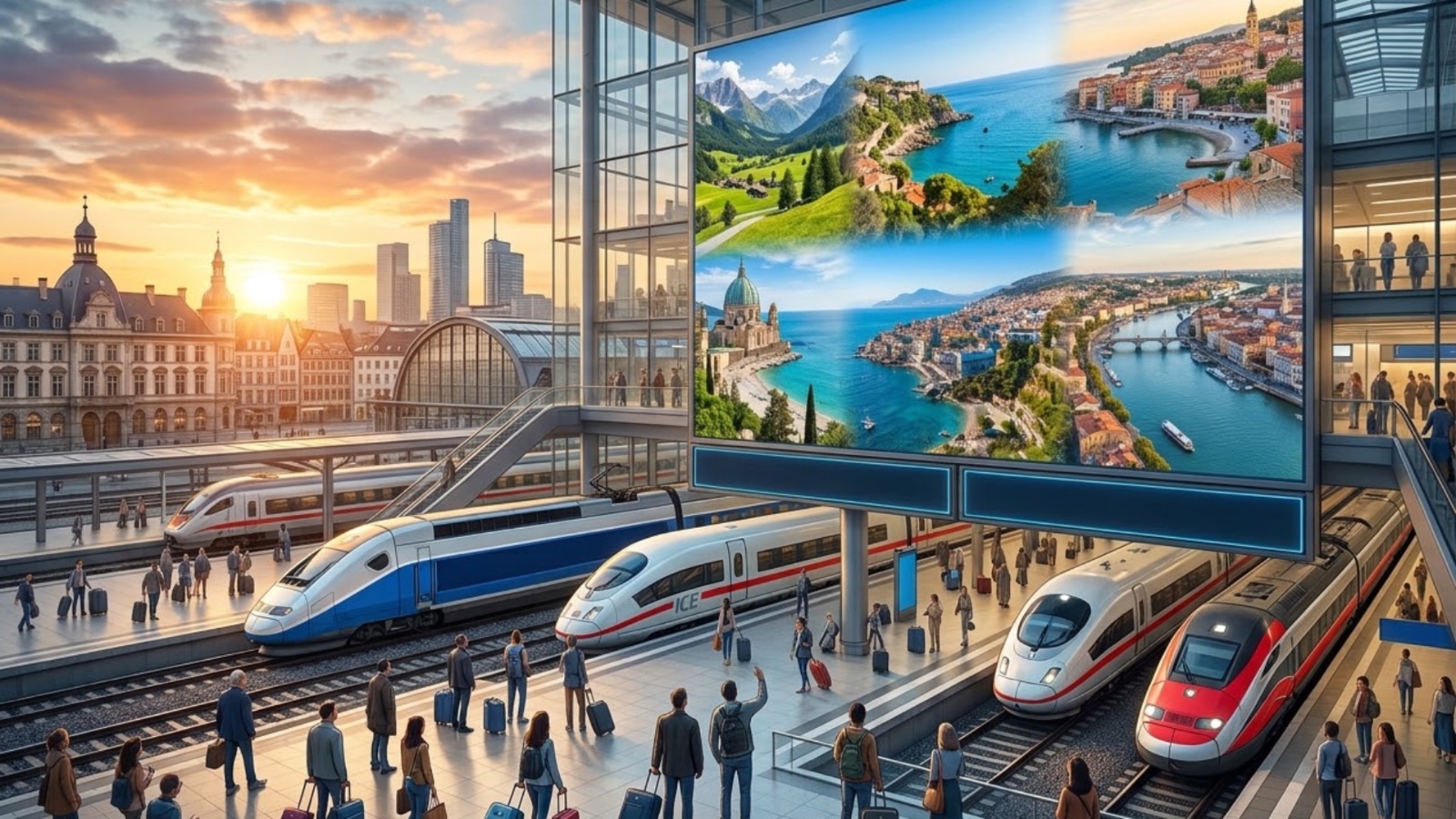
If travellers cannot easily reach smaller destinations, they may continue choosing major cities with better connections. Improved cross-border rail services, easier ticketing and better links between transport systems could make alternative destinations more accessible.
The Commission also intends to pay special attention to cruise tourism and its impact on port cities.
Cruise ships can bring large numbers of visitors into a destination within a short period. This can provide income for local businesses but may also create sudden pressure on transport, streets and popular attractions.
The strategy aims to encourage cooperation between port authorities, cruise operators, public authorities and other stakeholders.
Most of the proposed measures will require further development and cooperation before they can be fully implemented. The strategy does not introduce a single European limit on the number of tourists allowed to visit a destination.
Will the Plan Make Travel Cheaper?
The new strategy could give travellers more choices, but it does not promise that holidays across Europe will immediately become cheaper.
Travel prices depend on several factors, including airline demand, fuel costs, hotel availability, exchange rates and the time of year.
However, encouraging visitors to explore less crowded destinations could create more accommodation choices and reduce pressure on some popular tourism markets.
Travellers who are flexible about where and when they go may find alternatives that suit their budgets better.
For example, someone who wants to experience European history might consider a smaller historic city rather than staying only in one of the continent’s most expensive capitals.
A traveller interested in beaches could compare different coastal regions rather than automatically choosing the best-known resort.
People who enjoy food and culture could also explore smaller communities where local traditions remain an important part of everyday life.
These alternatives will not always be cheaper or easier to reach. Some less-visited areas have limited transport connections, and travelling there may require additional planning.
The main benefit is that tourists could have more options instead of competing for the same hotels, attractions and transport services.
The strategy also recognises that destinations must remain accessible and attractive to visitors while protecting the quality of life of residents.
Cruise Tourism and Crowded Cities Remain a Concern
Cruise tourism is one area receiving special attention under the new European plan.
Cruise ships can bring thousands of passengers into a port city, sometimes arriving within hours of one another.
Many passengers visit major attractions, restaurants and shops before returning to their ships. This can create a valuable source of income for local businesses.
But when large groups arrive at the same time, narrow streets and popular attractions can become crowded.
Residents may experience longer journeys, more noise and increased pressure on public spaces.
European destinations have responded to these concerns in different ways. Measures can include managing visitor flows, regulating access to particular areas, improving transport arrangements and introducing local rules for certain tourism activities.
The European Commission’s strategy seeks to encourage greater cooperation between cruise operators and destinations.
The goal is to make sure tourism provides economic benefits without placing unreasonable pressure on the people who live in the areas being visited.
The approach will need to recognise that each destination has different needs. A small historic port city may face different challenges from a large coastal destination with more transport and public facilities.
How Local People Could Benefit
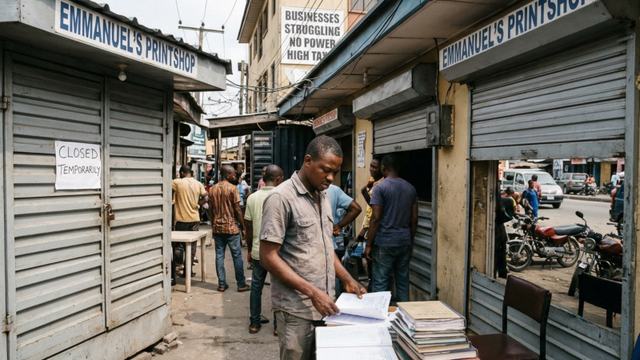
READ: High Business Costs in Nigeria Put Jobs at Risk
For many communities, tourism is an important source of employment and business income.
Hotels, restaurants, transport companies, tour operators and cultural attractions depend on visitors to support their activities.
Tourism can also create work for cleaners, drivers, cooks, guides, performers and people who sell local products.
When visitors concentrate in only a few places, other communities may miss out on these opportunities.
Spreading tourism more widely could help businesses in less-visited regions attract customers and encourage investment in local services.
It could also give travellers more opportunities to learn about different cultures, traditions and ways of life.
However, local people must be part of the process.
If tourism grows without proper planning, communities can face rising housing pressure, overcrowded public spaces and environmental damage.
The European Commission’s approach places importance on balancing the needs of visitors with the needs of residents.
That means destinations should consider whether local infrastructure can support additional visitors and whether tourism development protects cultural heritage and natural resources.
The aim is not simply to bring more people into every town. It is to help destinations build a tourism industry that creates lasting value.
The Challenges Europe Must Overcome
Although the strategy sets out an ambitious direction, putting it into practice will not be easy.
Travellers often choose destinations based on reputation, price, convenience and recommendations from friends or online platforms.
A small town may have beautiful attractions but struggle to compete with a famous city that has direct flights, extensive transport links and international marketing.
Changing these patterns will require better information, stronger transport connections and cooperation between tourism businesses and public authorities.
Another challenge is funding. The strategy does not create a new dedicated tourism fund or set binding numerical targets for redistributing visitors.
The European Commission has pointed to existing EU programmes and funding instruments that can support tourism-related projects. Governments, local authorities and businesses will still need to identify suitable resources and make practical investments.
Climate change also presents a challenge. Extreme heat, wildfires and other weather-related events can affect travel plans and damage tourism infrastructure.
Destinations will need to prepare for these risks while protecting the natural environments that attract visitors.
Finally, the success of the strategy will depend on whether travellers are willing to explore alternatives and whether those alternatives can provide the experiences people want.
Encouraging more balanced tourism will take time. The results will depend on how governments, communities and businesses apply the proposed measures.
What This Means for People Planning a European Holiday
For people planning a European trip, the new strategy is a reminder that the continent offers much more than its most famous cities.
Travellers can research smaller destinations, compare transport options and consider visiting outside the busiest travel periods.
They can also look for local tours, cultural events and businesses that help them understand the places they visit.
Planning a trip around several destinations may allow visitors to experience different regions instead of spending their entire holiday in one crowded location.
However, travellers should still check accommodation availability, transport schedules, local rules and the conditions at each destination before making bookings.
The European Commission’s plan is not an immediate travel restriction. It is a strategy intended to help Europe manage tourism more sustainably in the years ahead.
For now, visitors can continue travelling to Europe’s popular destinations while considering other places that offer the experiences they are looking for.
Europe Looks for a Better Balance Between Tourism and Local Life
Europe’s plan to spread tourists across more destinations reflects a growing challenge for the travel industry: how to welcome visitors while protecting the places people call home.
Tourism brings jobs, business opportunities and money into local economies. But when visitor numbers become concentrated in a small number of places and during a few busy months, the pressure can affect residents, public services and historic sites.
The European Commission wants to encourage more balanced travel by promoting lesser-known destinations, supporting year-round tourism and giving local authorities better tools to manage visitor flows.
The strategy will require cooperation, investment and practical action before its goals can be fully achieved. It will also need to ensure that smaller destinations have the transport, facilities and local support required to welcome more visitors.
For travellers, the plan could eventually mean more choices and opportunities to discover places beyond the usual tourist hotspots.
For local communities, it offers the possibility of sharing the benefits of tourism more widely while protecting their quality of life.
Whether the strategy succeeds will depend on how effectively its proposals are put into practice.
The writer of this article does not claim to know the individuals named personally. The information regarding their backgrounds as published on Global News Arena is based on independent online research.
If you have an article, opinion piece, event or news story you would like published, Global News Arena would love to hear from you.