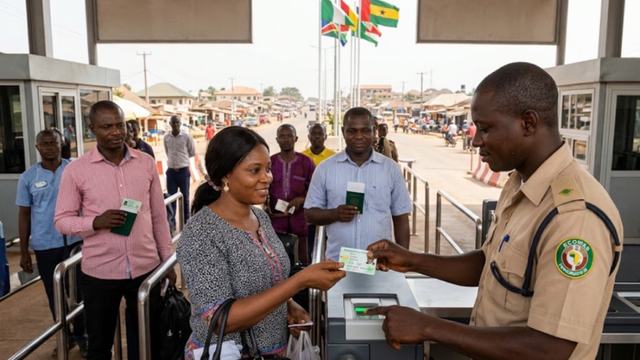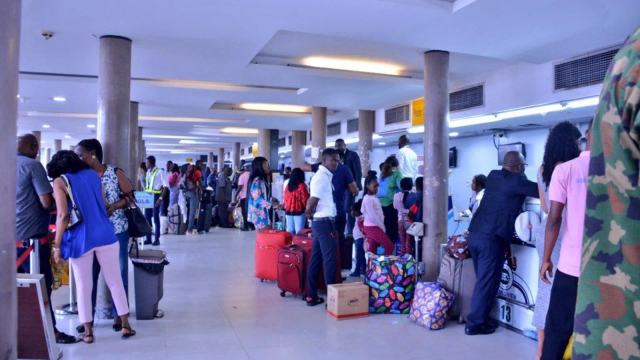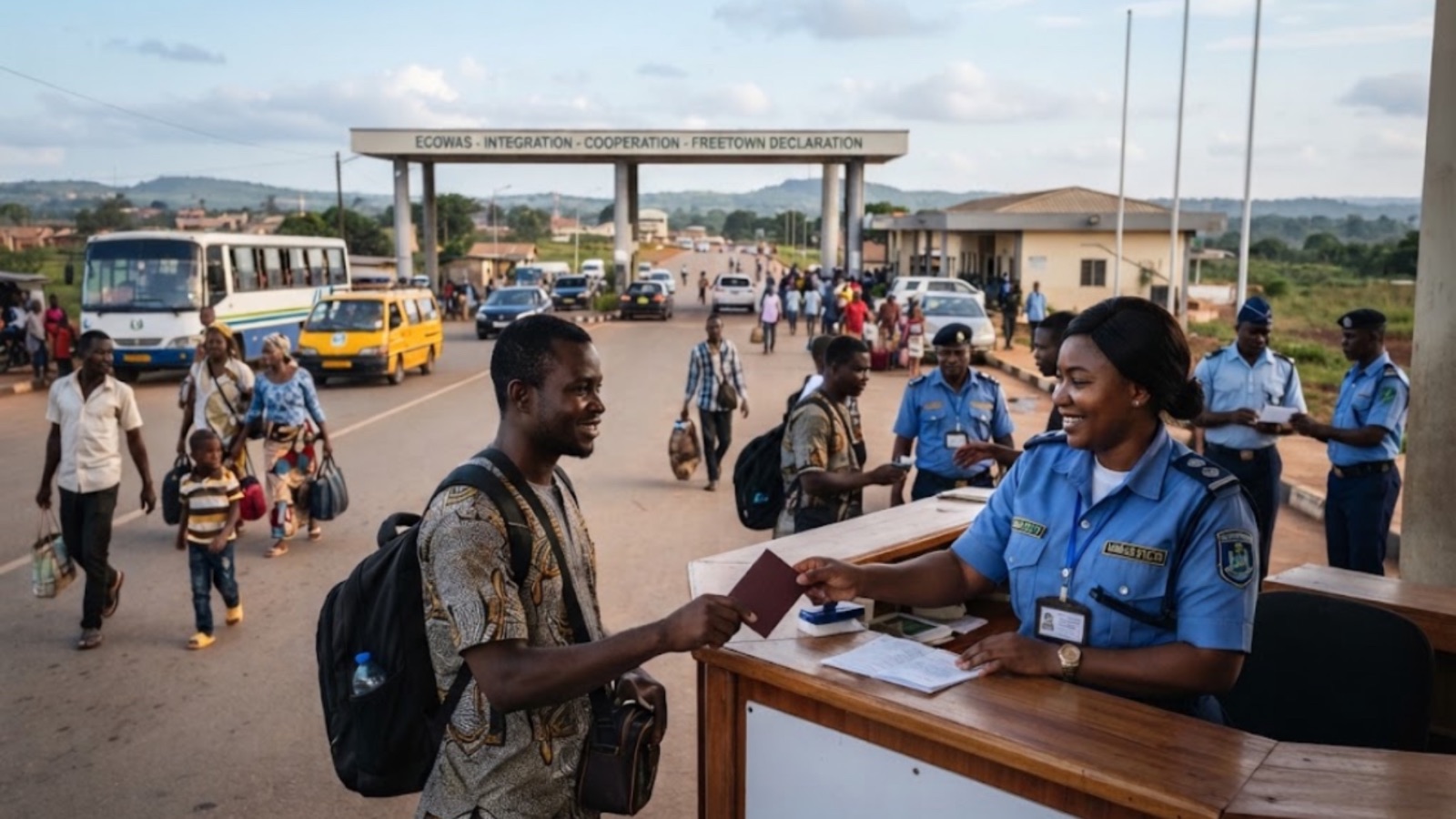
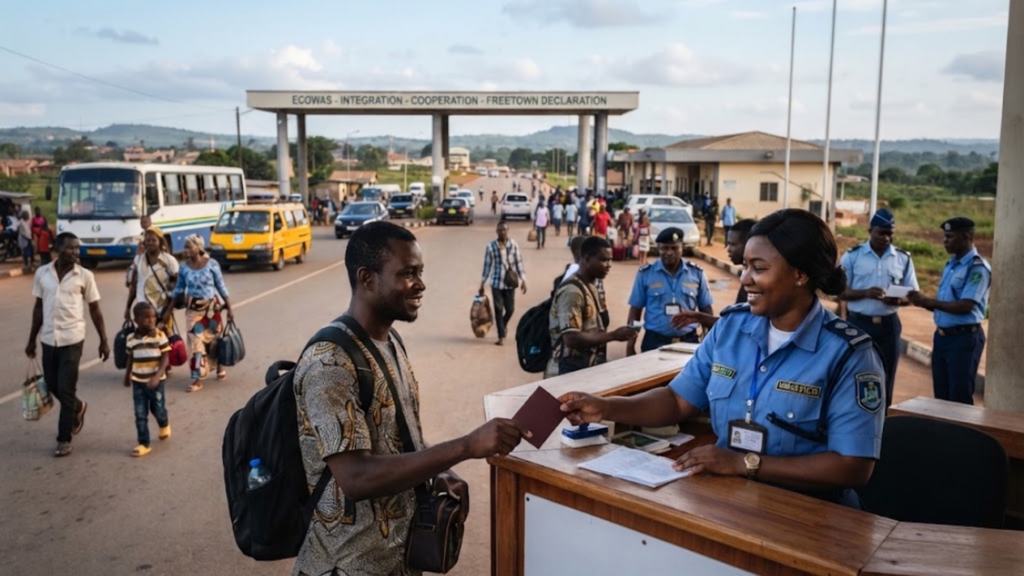
The Freetown Declaration is a new step towards making travel across West Africa simpler, safer and more organised. Adopted by heads of immigration from the Economic Community of West African States (ECOWAS), the declaration focuses on the recognition of biometric identity cards, better border management and the implementation of existing regional free-movement rules.
READ: ECOWAS Biometric ID Cards Could Make West African Travel Easier
For travellers, traders, workers and families who regularly cross borders, the agreement could make it easier to prove their identity when travelling within the region. However, it does not mean that every traveller can cross a border without checks or that all immigration requirements have been removed.
Read: Do you need a professional writer in 72 hours? Contact Auxi Chat
Freetown Declaration: What Was Agreed?
READ: UAE Eid Al Etihad Travel: Tropical Escapes and Winter Holidays
The declaration was adopted at the 10th Annual Meeting of ECOWAS Heads of Immigration, held in Freetown, Sierra Leone, from November 3 to 4, 2026. The meeting brought together immigration officials to discuss how regional travel policies could work more effectively in practice.
One of the main commitments is that, from January 1, 2027, ECOWAS member states should accept a valid ECOWAS National Biometric Identity Card issued by any member country at all official border crossing points.
Read: Need a professional website in 72 hours? Contact Auxi Chat
The card is intended to provide proof of the holder’s identity and citizenship within the regional community. Under the declaration, a country should recognise a valid card even if it has not yet completed its own national rollout of the document.
The commitment also calls for better procedures, clear instructions for immigration officers and systems that allow border officials to verify cards issued by other member states.
How the ECOWAS Biometric Identity Card Supports Travel
The ECOWAS National Biometric Identity Card, commonly called ENBIC, is designed to help eligible citizens establish their identity when travelling within the region.
Biometric identification uses personal information, including physical characteristics, to help confirm that a document belongs to its holder. When properly implemented, this can support more reliable identity checks and help immigration officials detect false documents.
The Freetown Declaration seeks to make the card more useful by encouraging all member states to recognise it consistently. Without common acceptance, a traveller could face difficulties using a document in one country that is recognised in another.
The agreement therefore places importance on practical cooperation between immigration authorities, rather than simply having a regional policy on paper.
What the Freetown Declaration Means for Nigerians
For Nigerians travelling to other ECOWAS countries, the declaration could offer another way to prove their identity and community citizenship at official border crossings once the commitment takes effect.
This may be useful for people travelling for business, education, employment, family visits and other legitimate purposes. Traders who move goods across borders could also benefit from more predictable border procedures, although the declaration does not automatically remove customs requirements or other trade rules.
Nigerian travellers should still confirm the documents required for their particular journey before departure. The Freetown Declaration does not remove every immigration check, guarantee entry into another country or replace all applicable travel regulations.
The practical benefit will depend on whether border authorities receive the necessary instructions, have functioning verification systems and apply the agreement consistently.
Migration, Border Security and Regional Cooperation
The Freetown Declaration also addresses a wider challenge facing West Africa: how to make legitimate travel easier while keeping borders secure.
Countries need to identify travellers correctly, prevent the movement of criminals and manage migration in an organised way. At the same time, long delays and inconsistent document requirements can create difficulties for ordinary citizens and businesses.
ECOWAS officials have stressed that free movement and border security should support each other. Better cooperation can help authorities verify documents while allowing legitimate travellers to move more efficiently.
The declaration also calls for public awareness so that citizens, traders and communities living near borders understand their rights and the purpose of the biometric identity card.
Challenges That Could Affect Implementation
Signing a declaration is only the beginning. Its success will depend on how well each country puts the commitments into practice.
Border posts need clear procedures, trained officers and suitable equipment to verify biometric identity cards issued by other member states. Countries must also coordinate with their national identity authorities and communicate the rules to transport operators and travellers.
READ: Nigeria Airport Biometric Rollout Faces Yuletide Travel Risks
Differences in funding, technology and the speed of national identity-card programmes could make implementation uneven. The ECOWAS Commission has been asked to strengthen regional verification arrangements, monitor progress and report on how the commitments are being carried out.
Member states are also expected to submit their national rollout plans to the Commission by December 2030. Future meetings of immigration officials will review progress on the declaration.
Why the Freetown Declaration Matters for West Africa
The Freetown Declaration is an effort to turn regional integration into a more practical experience for ordinary people. Its value will be measured not only by the agreement itself but also by whether travellers encounter clearer procedures and more consistent recognition of their identity documents.
If countries meet the January 2027 target, the ECOWAS biometric identity card could become a more dependable travel document across official border crossings in the region.
For now, travellers should understand both the promise and the limits of the commitment. The declaration supports easier movement within West Africa, but its benefits will depend on implementation, effective border systems and continued cooperation among member states.
Are you interested in learning how to write professionally and earn money as a writer and content creator? Contact us today to start your writing journey immediately.
Need a professional website in 72 hours? Contact us
Do you need a professional writer in 72 hours? Contact us
If you have an article, guest story, event or news tip you would like published, Global News Arena would love to hear from you.