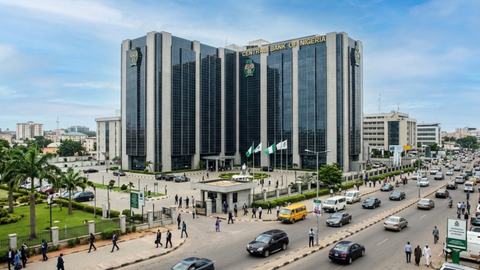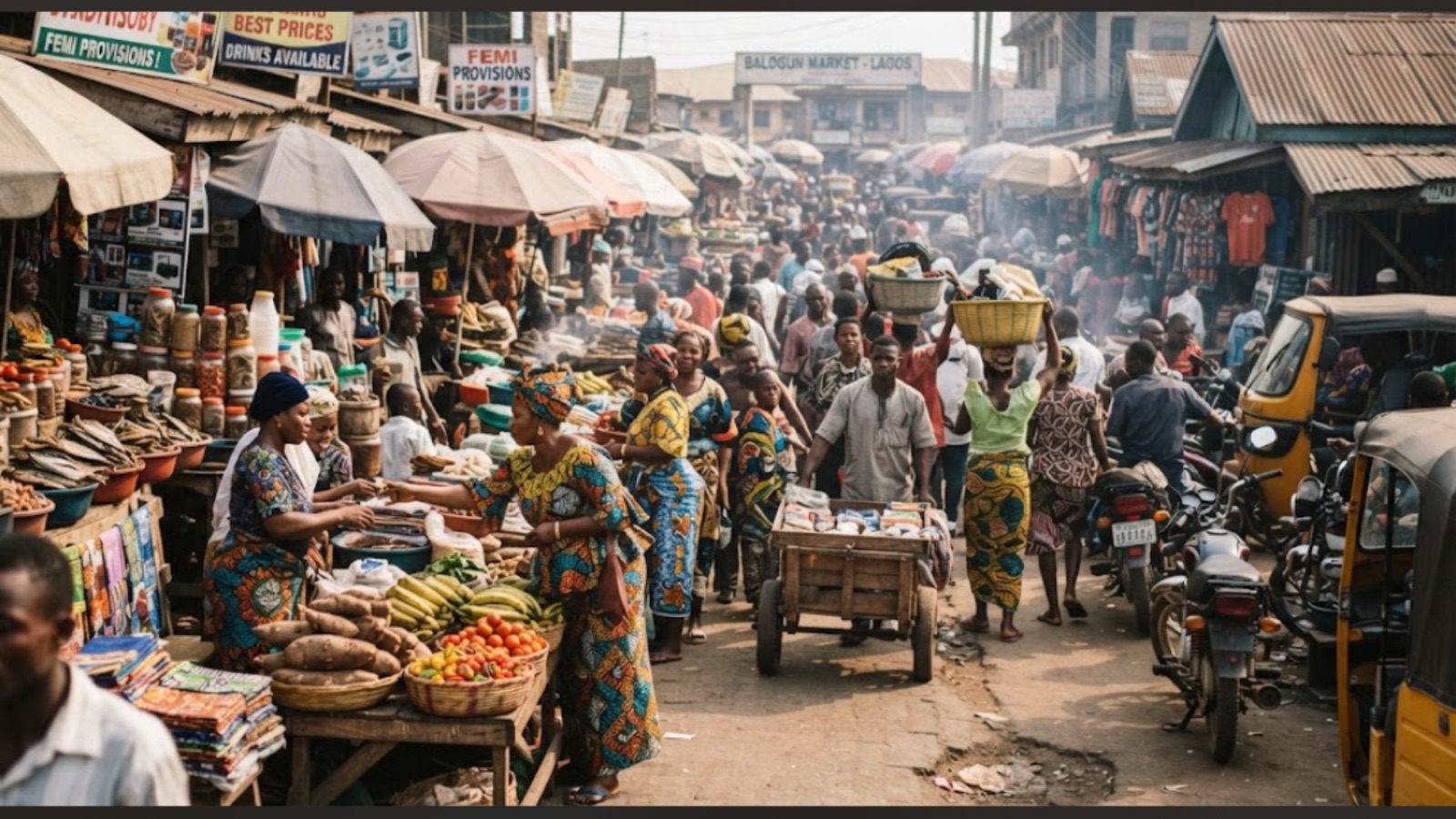
The ECOWAS Profile explains how the Economic Community of West African States works to bring countries together. Its main goal is to help West African nations cooperate, grow their economies and improve the lives of their people. Instead of every country working alone, ECOWAS gives its members a platform to discuss shared problems and find solutions together.
READ: World Bank Disaster Insurance Gap Exposes Developing Economies
Imagine a group of neighbours who decide to help one another build better roads, trade goods and keep their communities safe. That is a simple way to understand the idea behind ECOWAS. The organisation works to make cooperation easier between countries that share borders, businesses, cultures and common challenges.
Read: Do you need a professional writer in 72 hours? Contact Auxi Chat
ECOWAS Profile: How the Regional Organisation Began
READ: Dangote Refinery IPO Could Rise to $2.1 Billion
ECOWAS was established on 28 May 1975 when West African leaders signed the Treaty of Lagos in Nigeria. The organisation was created to promote economic cooperation and integration across the region.
At the time, leaders recognised that countries could benefit by working together. A business in one country might need customers in another, while farmers and manufacturers could benefit from easier access to regional markets.
Read: Need a professional website in 72 hours? Contact Auxi Chat
The organisation later expanded its work beyond trade and economic cooperation to include issues such as peace, security, democracy and regional stability.
ECOWAS has its headquarters in Abuja, Nigeria. Its institutions help member countries discuss regional priorities, develop shared programmes and work towards common goals.
What Does ECOWAS Do?
ECOWAS has several responsibilities that affect governments, businesses and ordinary people.
One major responsibility is promoting trade between West African countries. When trade becomes easier, businesses can reach more customers, farmers can sell their produce across borders and consumers may have access to a wider range of goods.
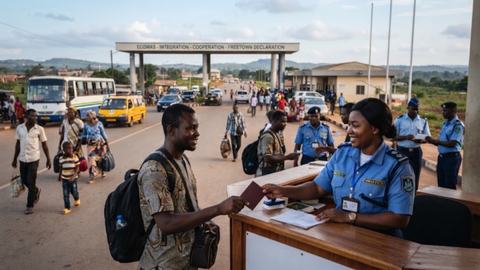
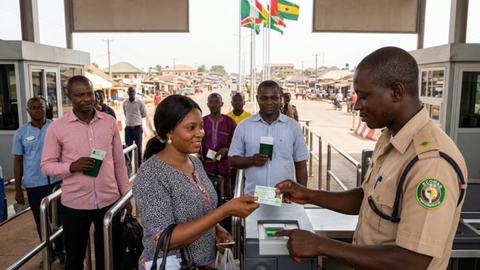
The organisation also works to support the movement of people across the region. Regional arrangements on free movement are intended to make it easier for eligible citizens to travel, live and conduct business in other member countries, subject to applicable rules.
ECOWAS also promotes cooperation in areas such as agriculture, transport, energy, education, health and telecommunications. These sectors matter because countries often face similar problems that are easier to address through joint action.
Another important part of its work involves regional peace and security. The organisation provides a forum for governments to discuss conflicts, political crises and other problems that may affect neighbouring countries.
ECOWAS Member Countries and Regional Cooperation
ECOWAS was originally established by 15 West African countries. However, membership has changed over time.
As of November 2026, the ECOWAS website lists 12 member states: Benin, Cabo Verde, Côte d’Ivoire, The Gambia, Ghana, Guinea, Guinea-Bissau, Liberia, Nigeria, Senegal, Sierra Leone and Togo. Burkina Faso, Mali and Niger formally withdrew from the organisation on 29 January 2025.
These countries have different languages, cultures, economies and political systems. Yet they also share important interests, including trade, transport, security and access to markets.
Regional cooperation can help countries exchange knowledge, coordinate policies and respond to problems that cross national borders.
For example, a security threat in one country can affect neighbouring states. A transport project connecting two countries can help traders move goods more easily. Cooperation gives governments a way to discuss such issues together.
How ECOWAS Supports Trade and Business
Trade is one of the main reasons ECOWAS was established. Businesses need customers, suppliers and reliable ways to move goods from one place to another.
A trader who buys goods in one West African country and sells them in another may benefit when regional trade rules make the process easier. Farmers can also gain access to larger markets, while manufacturers may find new customers beyond their home countries.
ECOWAS promotes regional economic integration through trade-related programmes, cooperation and efforts to reduce barriers between countries.
However, regional trade is not always simple. Customs procedures, transport costs, poor infrastructure, border delays and differences in national regulations can make business difficult.
This means that cooperation must go beyond signing agreements. Countries also need to implement shared rules, maintain infrastructure and help businesses understand the requirements for cross-border trade.
ECOWAS and Peace and Security in West Africa
Peace and security are important to economic growth. Businesses are more likely to invest when people can travel safely, goods can move without serious disruption and communities have greater stability.
ECOWAS works with member countries on regional security challenges and political disputes. Its responsibilities have included diplomatic efforts, conflict prevention and regional peace support initiatives.
The organisation also promotes democratic governance and the peaceful resolution of disputes. These principles are important because political instability can affect neighbouring countries through migration, disrupted trade and security threats.
However, ECOWAS cannot solve every conflict by itself. Lasting peace often requires cooperation between national governments, local communities, security institutions and other regional and international partners.
Its effectiveness depends on political cooperation, resources and the willingness of countries to follow through on agreed decisions.
Challenges Facing ECOWAS
READ: Nigeria Power Generation Drops to 3,180MW
Although ECOWAS has an important regional role, it faces several challenges.
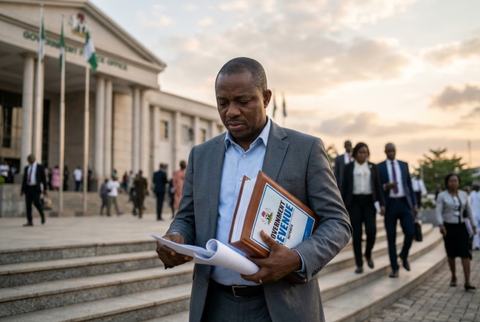
Differences between governments can make it difficult to agree on common policies. Political crises and security threats can also place pressure on the organisation and its members.
Economic conditions vary widely across West Africa. Some countries have stronger infrastructure and larger industries, while others face serious development challenges. These differences can make it difficult to ensure that all countries benefit equally from regional programmes.
Trade barriers, transport problems and limited resources can also slow progress. Agreements may promise easier movement and better cooperation, but people and businesses need to see practical improvements before they feel the benefits.
For ECOWAS to achieve its goals, member countries must cooperate, implement agreed policies and remain committed to regional development.
Why the ECOWAS Profile Matters to West Africans
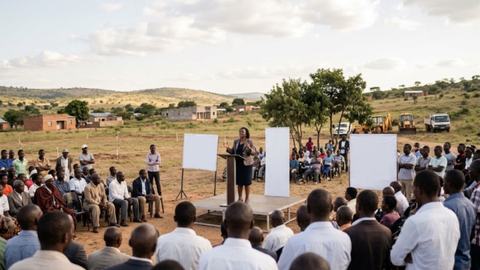
The ECOWAS Profile helps readers understand why regional cooperation matters beyond meetings between political leaders.
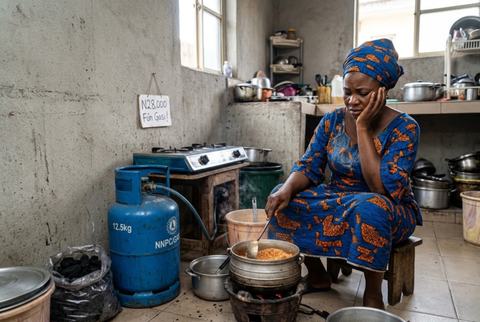
For ordinary people, regional integration can affect travel, employment, education, business and access to markets. For entrepreneurs, it can create opportunities to sell products and services across borders. For governments, it offers a way to address shared challenges through dialogue and joint action.
The organisation’s long-term vision is to build a more peaceful, connected and prosperous West Africa. Achieving this goal requires more than agreements on paper. It requires countries to work together and turn regional plans into improvements that people can see in their daily lives.
ECOWAS remains an important part of the discussion about West Africa’s economic future, regional security and cooperation between neighbouring nations.
Are you interested in learning how to write professionally and earn money as a writer and content creator? Contact us today to start your writing journey immediately.
Need a professional website in 72 hours? Contact us
Do you need a professional writer in 72 hours? Contact us
If you have an article, guest story, event or news tip you would like published, Global News Arena would love to hear from you.