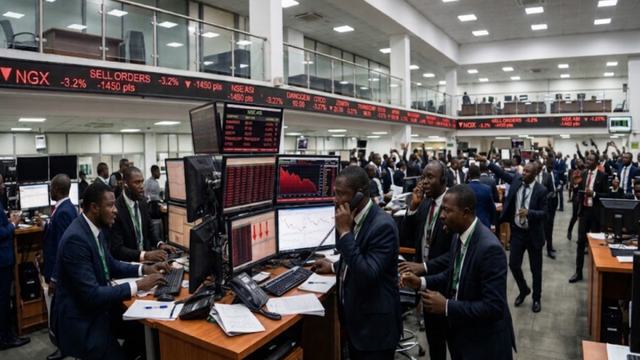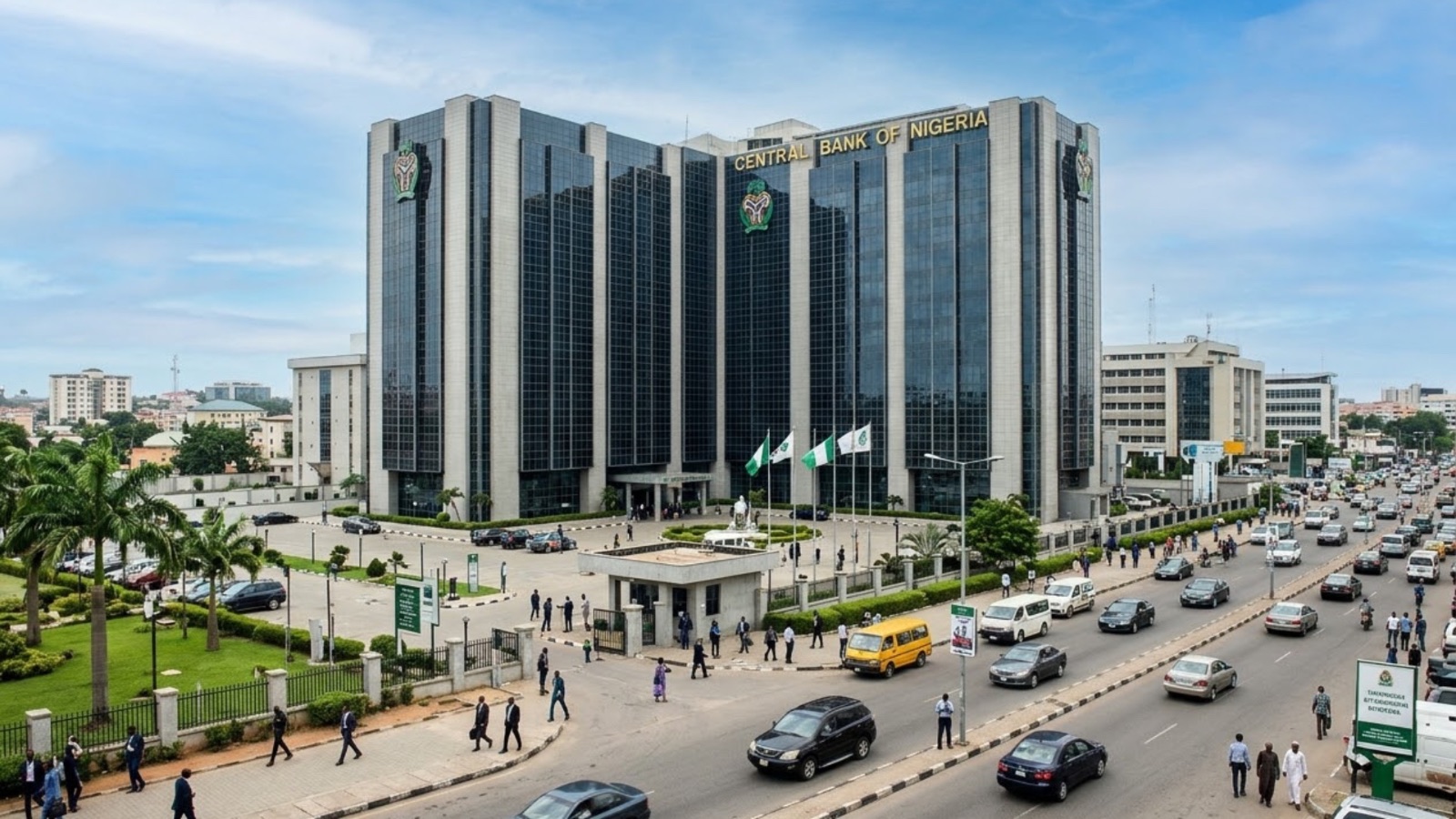
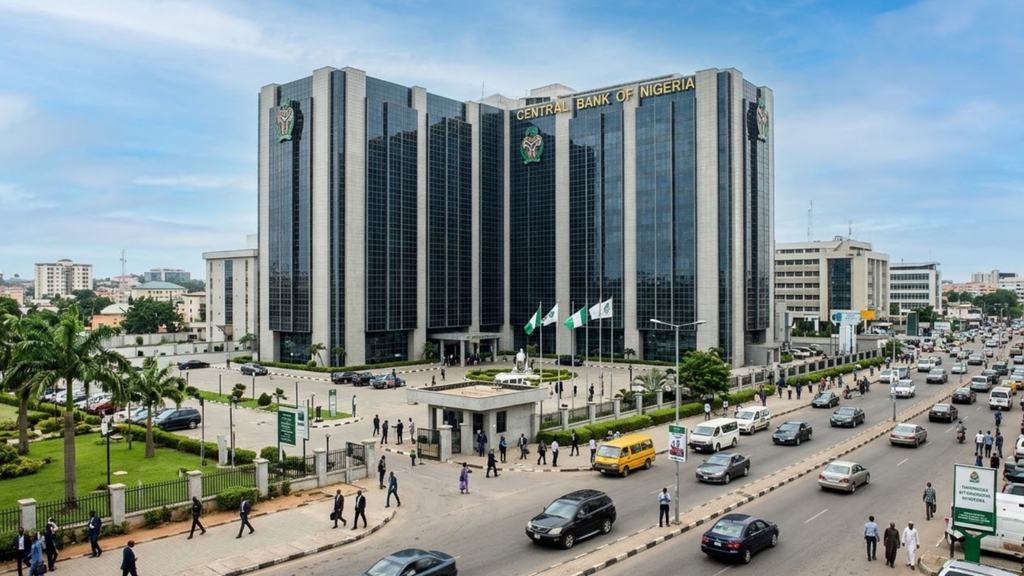
looking at the latest Central Bank of Nigeria auction figures, what stands out is the amount of money investors were prepared to place in government securities. The CBN liquidity withdrawal absorbed approximately ₦3.46 trillion through recent Open Market Operations and Treasury bills auctions, according to a report published on 6 November 2026.
READ: Instagram News: Meta Pauses Business Terms Changes Amid AI Concerns
The auctions, conducted on 3 and 4 November, attracted combined subscriptions of about ₦5.57 trillion against total offers of ₦2.3 trillion. The central bank allotted approximately ₦2.95 trillion through OMO instruments and ₦509.41 billion through Treasury bills.
Read: Do you need a professional writer in 72 hours? Contact Auxi Chat
These figures need to be read carefully. The amount investors offer to buy, the amount an issuer makes available and the amount ultimately allotted are different measures. A large volume of subscriptions indicates interest in the instruments, but it does not mean every investor receives the amount requested.
READ: Nigerian Stock Market Loses ₦3.28 Trillion as Heavy Selling Hits Major Shares
What the CBN Liquidity Withdrawal Tells Us
Liquidity refers to the funds available within the financial system to support payments, transactions and other financial obligations.
Read: Need a professional website in 72 hours? Contact Auxi Chat
Central banks can use market operations to absorb or inject liquidity, depending on monetary policy objectives and the conditions prevailing in the banking system. The impact of an operation depends on its size, maturity and relationship with other developments in the market.
I would not interpret a single liquidity operation as a complete explanation for the direction of the economy. It is one part of a wider monetary environment that includes inflation expectations, interest rates, credit conditions and demand for money.
For banks and other investors, the decision to place funds in government securities involves weighing returns against liquidity needs and alternative investment opportunities.
Treasury Bills Attract Strong Subscriptions
The Treasury bills auction on 4 November attracted approximately ₦2.045 trillion in subscriptions against an offer of ₦800 billion. The central bank allotted about ₦509.41 billion, according to the report.
The accepted stop rates remained at 15.40 per cent for the 91-day instrument, 15.79 per cent for the 182-day bill and 15.80 per cent for the 364-day bill.
The report also noted that some investors submitted bids for the 364-day instrument at yields as high as 18.18 per cent. This does not mean that the highest requested rate was accepted. Investors can submit different bids, and the final allotment reflects the terms accepted by the issuing authority.
Why Businesses Should Pay Attention
For businesses, financial-market conditions can influence the cost and availability of borrowing. Interest rates are only one factor in the terms a company receives, but they can affect the price of working capital and the financing of new equipment or expansion.
When investors can earn attractive returns from government securities, they may compare those returns with the risks of lending to private businesses. The relationship is not automatic, but government-security yields form part of the wider financial environment in which borrowing decisions are made.
Small businesses, in particular, need to understand the cost of financing before taking on debt. A project may look profitable on paper but become difficult to sustain if interest and repayment obligations exceed the income it generates.
READ: Federal Government Revenue in Nigeria Reaches ₦33 Trillion
What Comes Next?
I will be watching subsequent auctions for changes in subscription levels, accepted yields and the amounts allotted. Those details can help show whether the current pattern continues.
The latest results demonstrate substantial investor interest in government securities and significant central-bank activity. They do not, by themselves, establish that liquidity conditions have permanently changed or that borrowing costs will move in one direction.
The bigger story is how monetary operations, investor demand and the financing needs of government interact with the wider economy. That relationship will matter to banks, investors and businesses making financial decisions in the weeks ahead.
The writer of this article does not claim to know the individuals named personally. The information regarding their backgrounds as published on Global News Arena is based on independent online research.
If you have an article, opinion piece, event or news story you would like published, Global News Arena would love to hear from you.