
Dr. Jide Idris is a prominent figure in Nigeria’s public health system. His career has included medical practice, healthcare administration, policy development and leadership within the Lagos State health sector. He became Director-General and Chief Executive Officer of the Nigeria Centre for Disease Control and Prevention (NCDC) in February 2024, bringing more than 30 years of professional experience to the national role.Dr. Jide Idris Biography
READ: Nigeria Centre for Disease Control (NCDC), Agency Profile
The Dr. Jide Idris biography reflects a career built around improving healthcare systems, strengthening public health preparedness and helping authorities respond to disease outbreaks. His experience during major health emergencies, including Nigeria’s Ebola response, forms an important part of his professional background.
Read: Do you need a professional writer in 72 hours? Contact Auxi Chat
Dr. Jide Idris Biography: Education and Early Career
READ: Experts Call on States to Step Up NTD Elimination Drive
Dr. Olajide Idris, widely known as Dr. Jide Idris, attended King’s College in Lagos for his secondary education. He later studied medicine at the College of Medicine of the University of Lagos, where he obtained his medical qualification.
He continued his education with a Master of Public Health degree from Yale University in the United States. He also pursued postdoctoral research at Columbia University in New York.
Read: Need a professional website in 72 hours? Contact Auxi Chat
His education combined clinical medicine with public health, research and the study of how health systems operate. These areas are important because protecting public health involves more than treating individual patients. It also requires understanding how diseases spread, how healthcare services are organised and how governments can prepare for health emergencies.
Over the course of his career, Idris developed experience in medical practice, health policy, administration and healthcare management. These skills later became central to his leadership responsibilities in Lagos State and at the national disease-control agency.
Dr. Jide Idris and His Career in Lagos State
A major part of Dr. Jide Idris’s professional career took place in Lagos State, one of Nigeria’s largest and most complex healthcare environments.
He served as Permanent Secretary in the Lagos State Ministry of Health from 1999 to 2007. He subsequently became Commissioner for Health, serving from 2007 to 2019.
These positions placed him at the centre of decisions affecting healthcare delivery, public health programmes, medical facilities and health administration across the state. His responsibilities involved working within government systems to improve services and strengthen the organisation of healthcare.
During his years in public service, health sector reform was an important part of his work. Such reforms can involve improving how healthcare institutions are managed, developing the workforce, supporting primary healthcare and strengthening the systems that help people access medical services.
Leading a large state health system also requires coordination among government departments, hospitals, health workers and other partners. This experience provided a foundation for his later responsibilities in national public health leadership.
Dr. Jide Idris and Nigeria’s Ebola Response
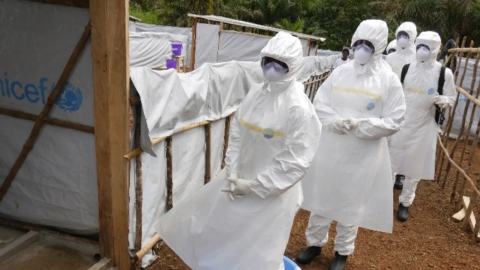
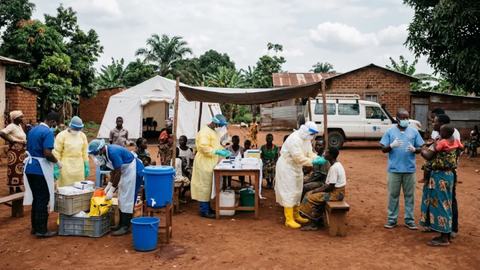
One of the most important episodes in Dr. Jide Idris’s career was his involvement in Nigeria’s response to the Ebola virus disease outbreak in 2014.
Nigeria faced a serious public health challenge when Ebola entered the country. The disease can spread through direct contact with the bodily fluids of an infected person, making rapid identification, contact tracing, isolation and infection-control measures essential.
As a senior health official in Lagos State, Idris led the state response team involved in containing the outbreak. The response required cooperation between health authorities, healthcare workers, laboratories and other relevant institutions.
Nigeria’s successful containment of the outbreak demonstrated the importance of early detection, careful monitoring of contacts and coordinated public health action. The experience also reinforced the need for strong emergency preparedness and the ability to mobilise health workers quickly.
The Ebola response remains an important part of Idris’s professional background because it connects his experience in state health administration with the wider responsibilities of disease prevention and emergency management.
Appointment as NCDC Director-General
In February 2024, President Bola Ahmed Tinubu approved Dr. Jide Idris’s appointment as Director-General and Chief Executive Officer of the Nigeria Centre for Disease Control and Prevention. He assumed the role on February 19, 2024, succeeding Dr. Ifedayo Adetifa.
The appointment placed Idris in charge of a national institution responsible for preventing, detecting and responding to infectious disease threats and other public health emergencies.
As Director-General, he oversees the agency’s administration and helps guide its work in disease surveillance, laboratory services, outbreak preparedness and emergency response. The role also involves working with state health authorities and other institutions to improve national health security.
The position requires both technical understanding and administrative leadership. Disease-control agencies must be able to interpret health information, coordinate emergency operations, communicate risks and support decisions that protect communities.
Idris’s experience in Lagos State health administration and emergency response formed part of the professional background he brought to the position.
What the NCDC Does Under His Leadership
The Nigeria Centre for Disease Control and Prevention works to protect the country from infectious diseases and other public health threats. Its responsibilities include monitoring disease patterns, supporting outbreak investigations, strengthening laboratory systems and coordinating responses to emergencies.
The agency works with healthcare facilities, state governments, public health professionals and other partners. This cooperation is important because an outbreak can cross local and state boundaries, requiring information and resources to be shared quickly.
Under the Director-General’s leadership, the agency’s wider responsibilities include strengthening surveillance systems, improving preparedness and supporting the collection and use of reliable public health data.
Disease surveillance helps authorities identify unusual patterns of illness. Laboratory services help confirm what disease may be responsible, while emergency planning supports a coordinated response. Public information also matters because people need clear guidance about health risks and the steps they can take to protect themselves.
The NCDC cannot perform every healthcare function in Nigeria. Hospitals treat patients, and state and local authorities have their own public health responsibilities. The agency’s role is to coordinate national disease-control efforts and strengthen the systems needed to identify and manage serious threats.
Professional Associations and Public Health Contributions
READ: Ebola Update: Nigeria Tracks 10 Contacts After One Confirmed Case
Dr. Jide Idris is associated with professional organisations that support medicine and public health. These include the Association of Public Health Physicians of Nigeria, the Nigerian Medical Association and the American Public Health Association.
He has also served on the boards of institutions involved in health research and reform, including the University of Ibadan Research Foundation and the Health Reform Foundation of Nigeria.
These professional connections reflect the wider environment in which public health leaders work. Medical associations support professional development, while research and health-policy organisations contribute to discussions about improving healthcare services and addressing public health challenges.
Public health leadership often depends on cooperation between government, research institutions, medical professionals and communities. These relationships can help strengthen knowledge, improve planning and support better responses to health threats.
Why Dr. Jide Idris Matters to Nigeria’s Health System
The importance of Dr. Jide Idris’s career lies in the connection between medical knowledge, public administration and disease prevention. His experience spans state-level healthcare management, public health emergency response and national disease-control leadership.
Nigeria faces continuing challenges in infectious disease surveillance, laboratory capacity, healthcare access and emergency preparedness. Addressing these issues requires strong institutions, trained personnel, reliable information and cooperation between different levels of government.
As NCDC Director-General, Idris holds a leadership position within this system. The agency’s work is important not only during major outbreaks but also during the periods when health authorities must strengthen preparedness, improve surveillance and educate the public.
His professional journey illustrates how experience in clinical medicine and government administration can contribute to national public health leadership. The long-term value of that leadership will depend on the agency’s capacity, the strength of its partnerships and its ability to help Nigeria detect and respond to health threats effectively.
Are you interested in learning how to write professionally and earn money as a writer and content creator? Contact us today to start your writing journey immediately.
Need a professional website in 72 hours? Contact us
Do you need a professional writer in 72 hours? Contact us
If you have an article, guest story, event or news tip you would like published, Global News Arena would love to hear from you.