Iran Executes Baluch Man Over Armed Police Station Attack
READ: Trump Says the US Will Not Attack Iran Before November Elections
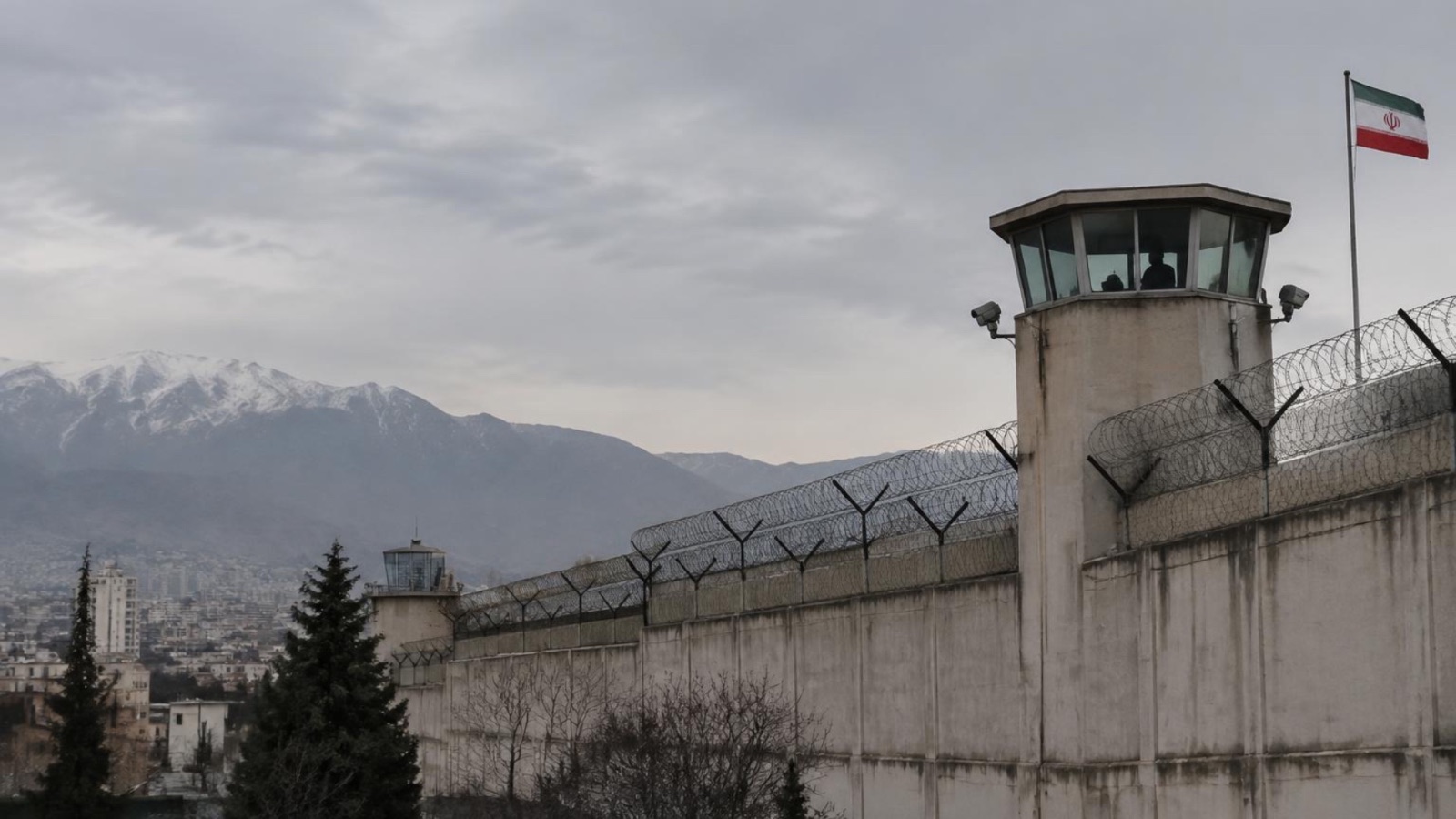
Iran executed Mohammad Aref Shahbakhsh on Saturday, November 7, 2026, after authorities convicted him over an armed attack on a police station in the country’s southeastern region. Iranian media reported that the attack left several police officers dead or wounded.
Read: Do you need a professional writer in 72 hours? Contact Auxi Chat
Shahbakhsh was identified by Iranian media as a member of Jaish al-Adl, a Sunni militant group that has carried out attacks against Iranian security forces, particularly in areas close to the border with Pakistan.
READ: America Is at War With Iran. So Why Is Iran Still Going to the UN?
The execution followed a court conviction on charges of armed rebellion and moharebeh, a term in Iran’s legal system commonly translated as “waging war against God.” Iranian authorities said the sentence was carried out after the legal proceedings were completed.
The case has drawn attention to the continuing security challenges in Sistan-Baluchestan, a province that has experienced repeated clashes involving security forces and armed groups.
Read: Need a professional website in 72 hours? Contact Auxi Chat
Who Was Mohammad Aref Shahbakhsh?
Mohammad Aref Shahbakhsh was the man executed by Iranian authorities over his alleged role in the attack on the Qaleh Bid police station in Khash County, southeastern Iran.
According to reports carried by Iranian media, authorities linked him to Jaish al-Adl, which operates in the region near Iran’s border with Pakistan. The group has been accused of conducting attacks against Iranian security personnel and has been designated an outlawed militant organisation by Iranian authorities.
The available reports provide limited information about Shahbakhsh’s personal background, the circumstances of his arrest or the full details of the evidence presented during his trial.
Iranian authorities said he was convicted of armed rebellion and moharebeh in connection with the police station attack. However, independent details about the trial proceedings and the evidence against him were not fully provided in the reports announcing his execution.
These gaps make it difficult to independently assess the proceedings beyond the information released by Iranian officials and state-linked media.
What Happened During the Qaleh Bid Police Station Attack?
The case centred on an armed assault on the Qaleh Bid police station in Khash, a city in Sistan-Baluchestan province.
Iranian authorities reported that several police officers were killed or wounded during the attack. However, the reports did not specify the exact date of the incident or provide a confirmed casualty total.
The absence of those details leaves important questions about the circumstances of the assault unanswered. Publicly available reporting also offered limited information about the sequence of events leading up to the attack and Shahbakhsh’s precise alleged role.
The police station attack formed the basis of the charges that ultimately led to his execution. Iranian authorities treated the incident as a serious security offence, connecting it to the broader challenge posed by armed groups operating in the southeast of the country.
What Is Jaish al-Adl?
Jaish al-Adl is a Sunni militant group active in southeastern Iran, particularly in areas close to the Pakistani border. The organisation has claimed or been linked to attacks against Iranian security forces over the years.
The region’s border geography presents significant challenges for security agencies. Armed groups can operate across difficult terrain, while cross-border movement complicates efforts to prevent attacks and track suspected militants.
Iranian authorities regard Jaish al-Adl as a major security threat. The group’s activities have contributed to repeated confrontations between militants and security personnel in Sistan-Baluchestan.
The organisation’s presence is also part of a wider regional security problem involving border control, armed violence and tensions between the state and communities in the province.
Although the Iranian government presents operations against the group as necessary for national security, cases involving alleged membership in militant organisations can raise questions about the evidence used in prosecutions and the fairness of judicial proceedings.
Why Sistan-Baluchestan Remains a Security Concern
Sistan-Baluchestan lies in southeastern Iran, bordering Pakistan and Afghanistan. It is home to a substantial ethnic Baluch population, many of whom follow Sunni Islam in a country where the majority of the population is Shia Muslim.
The province has experienced persistent security challenges, including attacks against police and military personnel, clashes with armed groups and cross-border instability.
Economic hardship and longstanding grievances have also shaped discussions about the region. Sistan-Baluchestan is widely regarded as one of Iran’s less developed provinces, and questions about economic opportunity, public services and political representation have remained significant.
These conditions do not mean that the wider Baluch population supports armed violence. It is important to distinguish ordinary residents and ethnic identity from the activities of militant organisations.
For people living in the region, repeated attacks and security operations can create an atmosphere of uncertainty. Police and other security personnel face risks from armed assaults, while residents may experience disruptions and heightened security measures.
The execution of Shahbakhsh brings renewed attention to the intersection of militancy, regional inequality and the Iranian state’s response to violence.
Iran’s Death Penalty in Security Cases
Iran regularly uses capital punishment for a range of offences, including murder and certain crimes classified as threats to state security. Human rights organisations have repeatedly raised concerns about the country’s extensive use of executions and the fairness of some trials.
In Shahbakhsh’s case, authorities cited armed rebellion and moharebeh as the legal grounds for the death sentence. These charges carry serious consequences under Iranian law and have been used in cases involving alleged armed opposition to the state.
The execution also highlights a broader debate over whether capital punishment is an effective response to militant violence. Governments often argue that severe penalties are necessary to deter attacks and protect public safety. Critics counter that executions cannot resolve the underlying political, social and economic conditions that contribute to instability.
Assessing a death-penalty case requires more than knowing the charges and the outcome. Access to evidence, transparency during court proceedings, legal representation and the ability to challenge a conviction are also important considerations.
In this case, the publicly reported information did not provide enough detail to independently evaluate every stage of the judicial process.
READ: Why the United States and Iran Struggle to Reach a Peace Deal
What the Execution Means for Regional Security
The execution demonstrates the seriousness with which Iranian authorities are treating attacks against security installations. Police stations are central to local law enforcement, and an armed assault on such a facility can trigger a strong state response.
However, the long-term security implications remain uncertain. Executing a person convicted in connection with an attack may satisfy the government’s stated demand for punishment, but it does not necessarily eliminate the networks, grievances or operational conditions that allow armed groups to continue functioning.
Security in Sistan-Baluchestan will depend on several factors, including the ability of authorities to prevent further attacks, protect civilians, strengthen border security and address longstanding local concerns.
The response to militancy also matters for public confidence. Transparent investigations and credible judicial procedures can help establish trust, while limited public information may leave questions about accountability unanswered.
For now, the available reports establish that Shahbakhsh was executed following his conviction over the Qaleh Bid police station attack. They do not establish whether the execution will have a measurable effect on the activities of Jaish al-Adl or the wider security situation in the province.
Conclusion: Iran Executes Baluch Man as Security Tensions Continue
The execution of Mohammad Aref Shahbakhsh places the spotlight once again on Iran’s response to armed violence in Sistan-Baluchestan. Authorities said he was convicted over an attack on the Qaleh Bid police station that left several officers dead or wounded and identified him as a member of Jaish al-Adl.
Yet important details about the original attack, the number of casualties and the evidence presented during the trial remain unclear in publicly available reports.
The case illustrates the difficult balance between protecting security personnel, holding suspects accountable and ensuring that criminal proceedings meet standards of transparency and fairness. It also underlines the continuing challenges facing a province affected by armed violence and longstanding economic and social difficulties.
Whether the execution changes the security situation remains to be seen. What is clear is that the questions surrounding militancy, justice and the use of capital punishment in Iran are far from settled.
The writer of this article does not claim to know the individuals named personally. The information about their backgrounds, as published on Global News Arena, is based on independent online research.
Are you interested in learning how to write professionally and earning money as a writer and content creator? Contact Auxi Chat today to start your writing journey immediately.
If you have an article, opinion piece, event or news story you would like published, Global News Arena would love to hear from you.