Myanmar Rohingya Genocide Ruling: What the World Court Decided
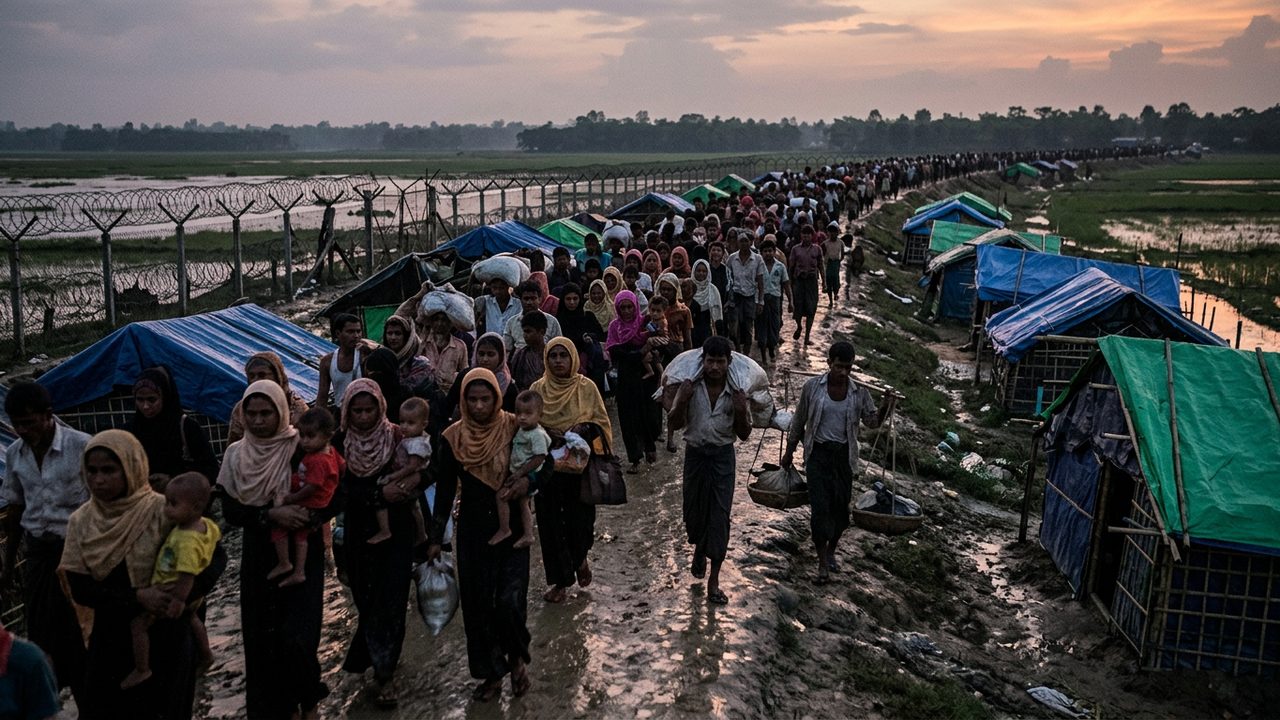
READ: Hundreds of Thousands of Rohingya Flee Myanmar Into Bangladesh
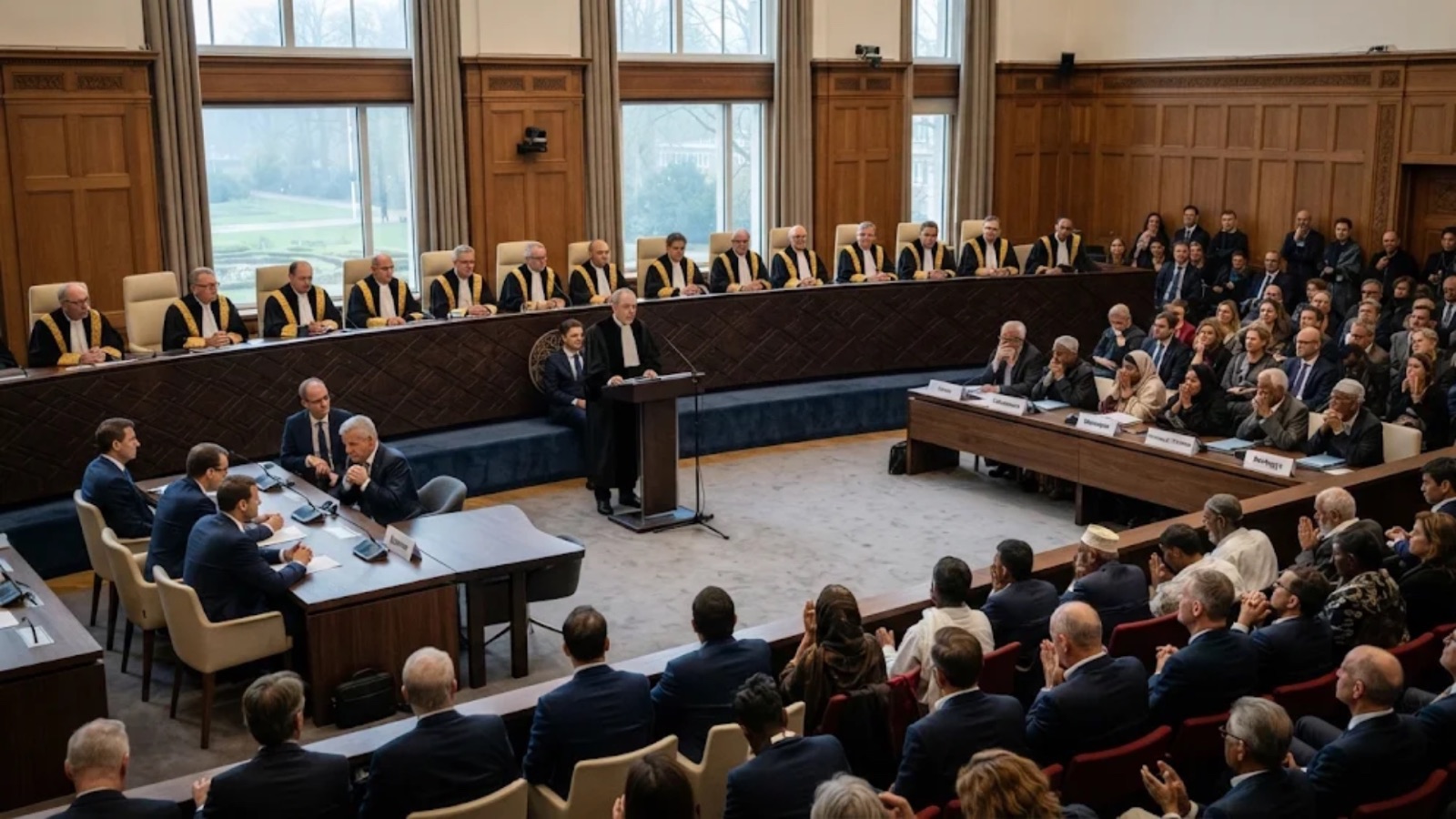
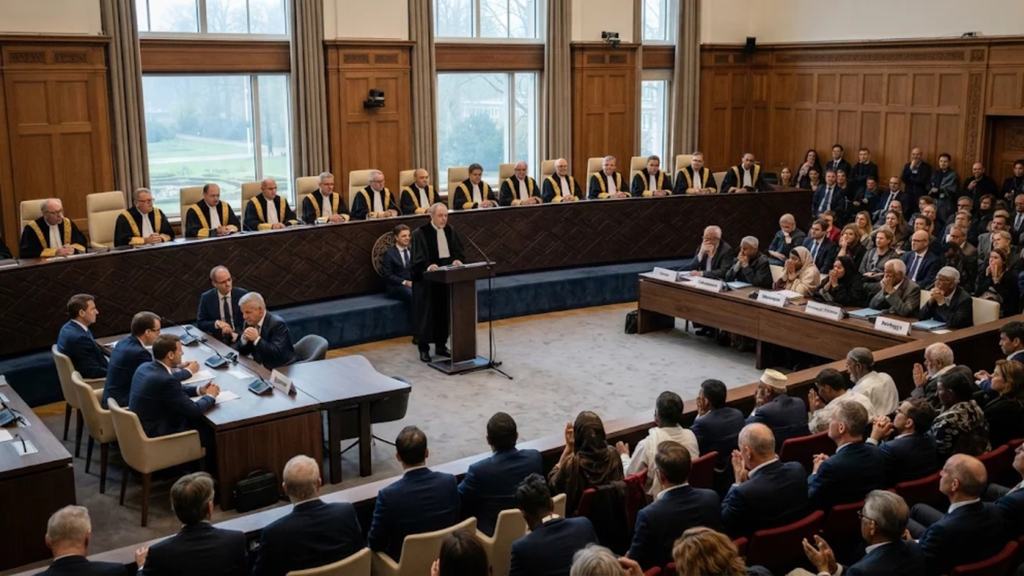
The International Court of Justice (ICJ) ruled on Thursday, November 19, 2026, that Myanmar committed genocide against the Rohingya population in northern Rakhine State during the military's 2017 clearance operations.
Read: Do you need a professional writer in 72 hours? Contact Auxi Chat
The landmark judgment followed a seven-year legal case brought by The Gambia, which accused Myanmar of violating the 1948 Convention on the Prevention and Punishment of the Crime of Genocide.
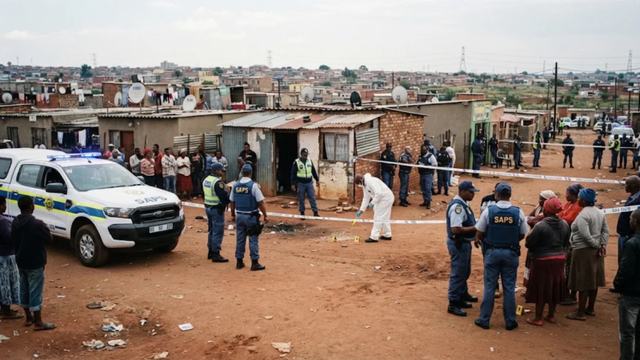
READ: At Least 17 Killed in South Africa Mass Shootings
In its decision, the 15-member court found, by nine votes to six, that Myanmar had committed genocide against the Rohingya group.
Presiding Judge Yuji Iwasawa said the court found evidence that Myanmar's security forces killed thousands of Rohingya civilians, carried out widespread sexual violence and committed extreme acts of violence against children.
Read: Need a professional website in 72 hours? Contact Auxi Chat
The judges also identified mass executions, attacks on people fleeing violence and the destruction of hundreds of villages as part of the military campaign.
The court concluded that the evidence established an intention to destroy a substantial part of the Rohingya population in northern Rakhine State.
The ruling represents a significant development in international law because it is the first time the ICJ has found a state responsible for committing genocide.
How the 2017 Military Operations Affected the Rohingya
The case concerns the military operations launched in Myanmar's Rakhine State in 2017.
During the crackdown, security forces carried out operations against Rohingya communities following attacks by an armed Rohingya group on security posts.
The military described its campaign as a counterterrorism operation. However, survivors and international investigators documented widespread killings, sexual violence, village destruction and the forced displacement of civilians.
More than 700,000 Rohingya fled across the border into Bangladesh during the violence.
Many survivors settled in refugee camps around Cox's Bazar, which has since become home to one of the world's largest refugee populations.
The Rohingya, a predominantly Muslim ethnic minority, have faced decades of discrimination and restrictions in Myanmar, including limitations on citizenship and freedom of movement.
The Gambia filed its case at the ICJ in 2019, arguing that Myanmar's treatment of the Rohingya violated its obligations under the Genocide Convention.
The case received support from several countries, with 11 states intervening in the proceedings.
ICJ Orders Myanmar to Compensate Rohingya Victims
Beyond declaring Myanmar responsible for genocide, the court ordered the country to take several measures to address the violations.
Myanmar was directed to investigate individuals reasonably suspected of committing acts covered by the Genocide Convention and prosecute and punish them where appropriate.
The court also ordered the country to provide assurances against the repetition of similar violations and adopt measures to protect the Rohingya population.
One of the most significant parts of the judgment concerns the return of displaced Rohingya people.
The ICJ directed Myanmar to support their safe, voluntary and dignified return to their places of residence. It also called for family reunification and measures of restitution for those affected by the military operations.
The court further found that Myanmar must compensate the Rohingya group and its members for the damage caused.
However, the amount and specific arrangements for compensation were not determined in the November 19 judgment. The court said these issues would be addressed in a subsequent phase of the proceedings.
Myanmar is required to submit a report within two years detailing its restitution measures and the proposed amount and arrangements for compensation.
What the Myanmar Rohingya Genocide Ruling Means for International Law
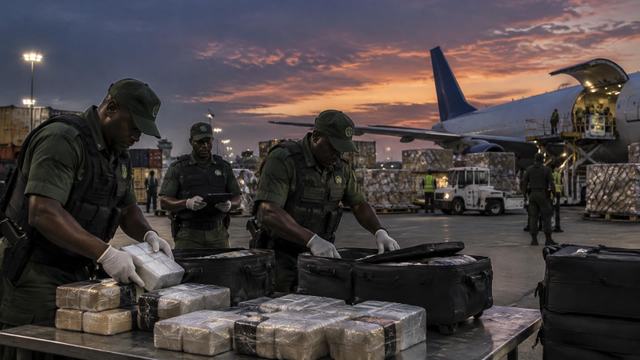
READ: Nigeria Arrests Eight Suspects in Cocaine Trafficking Network Linked to Europe
The judgment is expected to influence discussions about accountability for genocide and the responsibilities of governments under international law.
The ICJ is the United Nations' principal judicial organ and settles legal disputes between states. Its ruling in the case brought by The Gambia establishes Myanmar's international responsibility for genocide under the Genocide Convention.
However, the judgment does not automatically result in criminal convictions for individual military officers or political leaders. Individual criminal responsibility is a separate legal question that can be considered by other courts with the appropriate jurisdiction.
Although ICJ judgments are legally binding, the court does not have its own enforcement force. This means that ensuring Myanmar implements the orders could depend on international diplomatic and political pressure.
The decision may also influence other international cases involving allegations of genocide, particularly because it addresses the evidence required to establish a state's intention to destroy a protected group.
For Rohingya survivors, the ruling represents formal international recognition of the atrocities they endured. However, their ability to return home safely, receive compensation and rebuild their lives will depend on what happens after the judgment.
The November 19 decision therefore marks an important legal milestone, but the challenge of securing justice and lasting protection for the Rohingya remains.
Are you interested in learning how to write professionally and earn money as a writer and content creator? Contact us today to start your writing journey immediately.
Need a professional website in 72 hours? Contact us
Do you need a professional writer in 72 hours? Contact us
If you have an article, guest story, event or news tip you would like published, Global News Arena would love to hear from you.