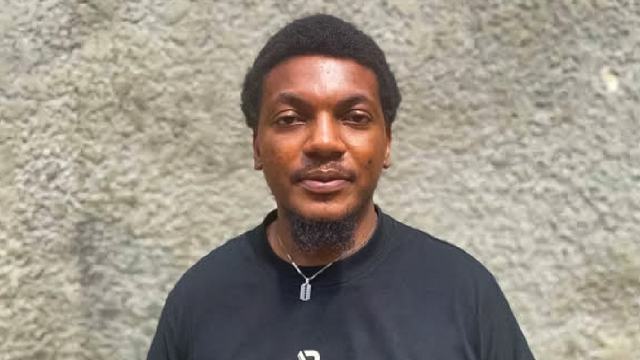
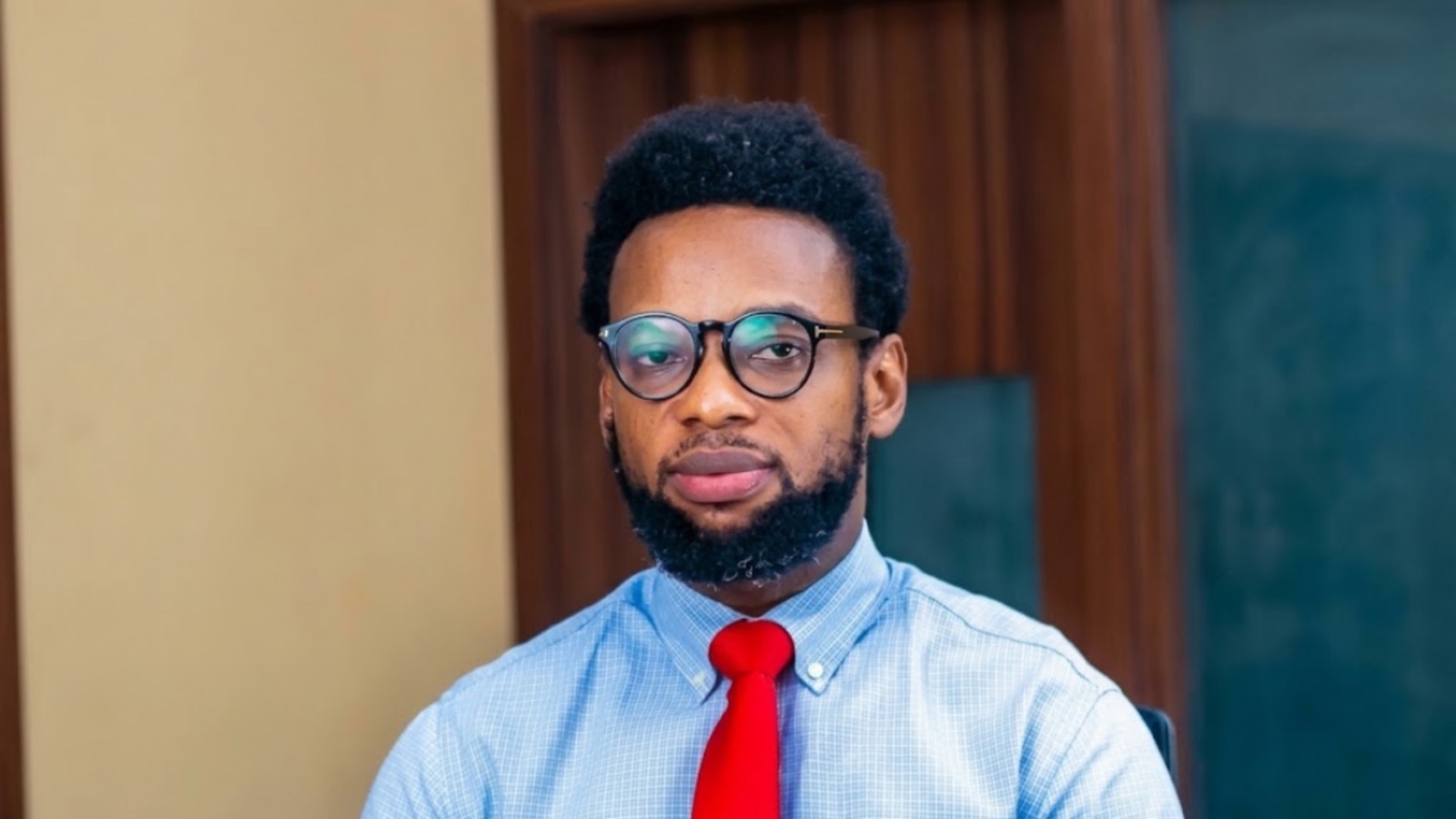
The Fisayo Soyombo Biography tells the story of a Nigerian journalist recognised for investigating issues involving corruption, public institutions, human rights and social justice. His reporting often examines what happens behind official statements and explores how decisions made by powerful institutions affect ordinary people.
READ: Daniel Ojukwu Biography: Nigerian Investigative Journalist
Soyombo has worked as a reporter and editor and later founded the Foundation for Investigative Journalism (FIJ). His career shows how investigative journalism can use detailed research, undercover methods and public-interest reporting to bring difficult issues to light.
Read: Do you need a professional writer in 72 hours? Contact Auxi Chat
Fisayo Soyombo Biography: Education and Early Career
READ: George Elombi Biography: Afreximbank President and CEO
Fisayo Soyombo studied Animal Science before building his career in journalism. His professional path shows that journalists can enter the media industry from different academic backgrounds and develop their reporting skills through practical experience.
He began his journalism career with newsroom and reporting roles before moving into editing and investigative work. Over time, he worked with media organisations including TheCable, Sahara Reporters and the International Centre for Investigative Reporting.
Read: Need a professional website in 72 hours? Contact Auxi Chat
These experiences helped him develop skills in reporting, editing and managing editorial work. The Fisayo Soyombo Biography also illustrates how journalism can evolve from writing individual stories to leading teams and developing an organisation focused on public-interest investigations.
Fisayo Soyombo and Undercover Investigative Reporting
Fisayo Soyombo is widely known for undercover investigations designed to examine how institutions operate in practice.
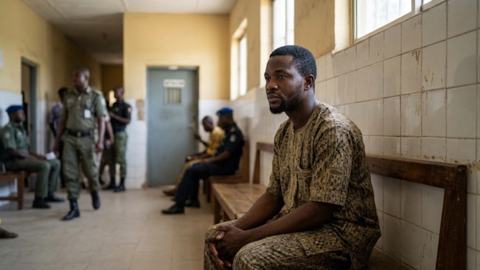
One of his best-known investigations involved spending time in police custody and Ikoyi Prison to document problems within Nigeria’s criminal justice system. Another involved driving a vehicle presented as stolen from Abuja to Lagos while recording the checkpoints encountered along the journey.
These investigations drew attention to questions about corruption, police conduct, detention and the everyday experiences of people dealing with public institutions.
Undercover reporting can be complicated and carries risks. Journalists must consider personal safety, legal responsibilities, source protection and whether the method is justified by the public interest. Strong investigations also require evidence that supports the claims made in the final report.
The Fisayo Soyombo Biography is closely associated with this demanding form of journalism, which aims to reveal information that may be difficult to obtain through ordinary interviews alone.
Fisayo Soyombo and the Foundation for Investigative Journalism
Fisayo Soyombo founded the Foundation for Investigative Journalism in 2020. The organisation focuses on reporting issues involving social justice, human rights, corruption and accountability.
Creating an investigative newsroom requires more than publishing stories. It involves building editorial processes, reviewing evidence, protecting sources and making sure published claims can be supported.
As founder and editor-in-chief, Soyombo has been involved in developing a platform for investigative reporting in Nigeria. The organisation provides a space for journalists to investigate issues that may affect citizens and public institutions.
This part of the Fisayo Soyombo Biography highlights his role not only as a reporter but also as someone who helped establish an organisation devoted to investigative journalism.
Reporting on Human Rights and Public Accountability
Investigative journalism can help document problems involving public services, law enforcement, government spending and the treatment of vulnerable people.
Fisayo Soyombo has investigated subjects including conditions affecting injured soldiers, the handling of bodies in public facilities, the management of relief supplies and allegations of corruption within government institutions.
Such reporting can be difficult because it may involve vulnerable sources, sensitive information and powerful organisations. Journalists need to verify documents, speak to people with direct knowledge and seek responses from those facing allegations.
The purpose is not simply to attract attention. It is to provide evidence-based information that helps readers understand what happened, why it matters and what questions remain unanswered.
Challenges Facing Investigative Journalists in Nigeria
Investigative journalists can face pressure, threats, legal challenges and difficulties obtaining reliable information. Reporting on powerful institutions may also place sources at risk, making careful editorial decisions essential.
Nigeria’s media environment includes journalists working across traditional newsrooms, independent platforms and digital publications. Each setting brings different resources and responsibilities, but accuracy and fairness remain important.
READ: Donald Trump Biography: Business Career and Presidency
The Fisayo Soyombo Biography also reflects the wider challenges of investigative reporting. Journalists need to protect evidence, confirm claims, explain uncertainty and give relevant parties a fair opportunity to respond.
These practices help maintain public trust and ensure that investigations contribute useful information rather than confusion.
Why Fisayo Soyombo’s Work Matters
Fisayo Soyombo’s career demonstrates the role investigative journalism can play in examining institutions and bringing public-interest issues to a wider audience.
His work combines reporting, editorial leadership and the development of an organisation dedicated to investigations. Through these activities, he has contributed to discussions about justice, corruption, human rights and government accountability.
The Fisayo Soyombo Biography offers readers background on a journalist whose work focuses on questions that affect public life in Nigeria. It also shows why investigative reporting requires persistence, careful evidence gathering and a clear commitment to accuracy.
For readers interested in Nigerian journalism, press freedom and public accountability, his career provides an example of how reporting can investigate difficult questions and encourage closer examination of institutions.
Are you interested in learning how to write professionally and earn money as a writer and content creator? Contact us today to start your writing journey immediately.
Need a professional website in 72 hours? Contact us
Do you need a professional writer in 72 hours? Contact us
If you have an article, guest story, event or news tip you would like published, Global News Arena would love to hear from you.