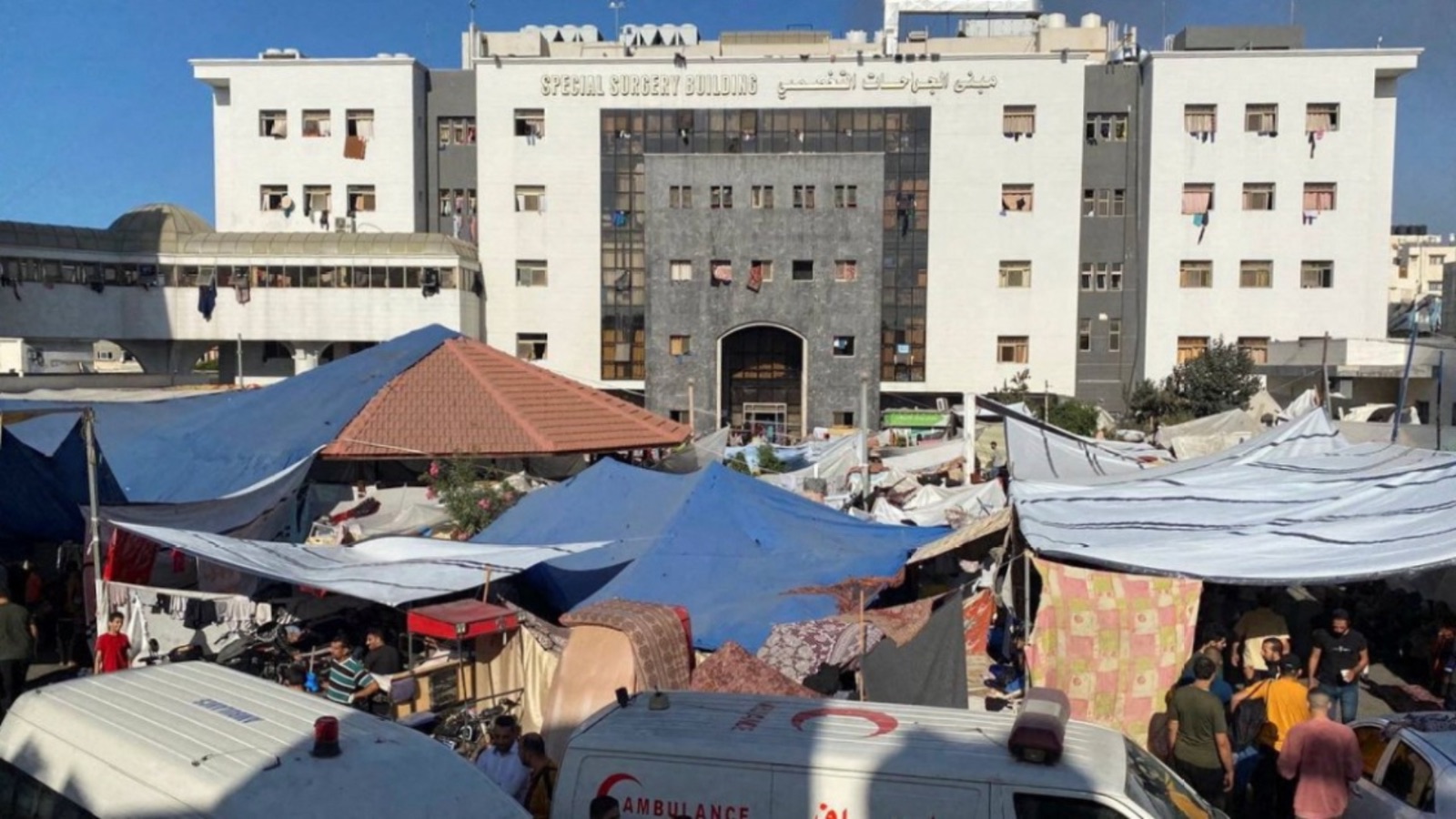
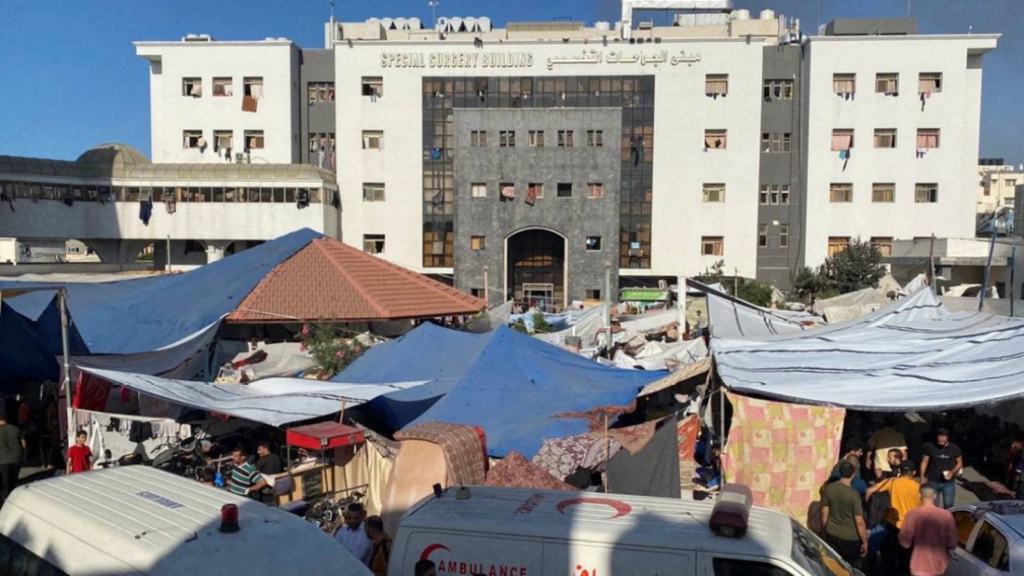
Kamal Adwan Hospital and Al-Shifa Hospital are two well-known medical facilities in the Gaza Strip, Palestine. Both have served communities facing serious healthcare challenges, including injuries, illness, shortages of medical supplies and the effects of conflict. Their stories highlight the importance of protecting hospitals and ensuring that patients can receive medical care when they need it most.
READ: George Elombi Biography: Afreximbank President and CEO
Although both hospitals serve people in Gaza, they are separate facilities with different locations and histories. Kamal Adwan Hospital is in Beit Lahia in northern Gaza, while Al-Shifa Hospital is in Gaza City. Both have become important parts of discussions about healthcare access and the condition of medical services during the conflict.
Read: Do you need a professional writer in 72 hours? Contact Auxi Chat
Kamal Adwan Hospital: History and Medical Services
READ: Donald Trump Biography: Business Career and Presidency
Kamal Adwan Hospital is located in Beit Lahia, in the northern Gaza Strip. It has served people living in northern Gaza, including families who need emergency treatment and specialised medical care.
The hospital has provided services in areas such as paediatrics, maternity care and surgery. Its paediatric and neonatal services have been particularly important for children and newborn babies who need close medical attention.
Read: Need a professional website in 72 hours? Contact Auxi Chat
For many families, having a hospital nearby can make a major difference. Children with serious illnesses, pregnant women and people injured in accidents may need treatment that cannot safely wait for a long journey to another facility.
Kamal Adwan Hospital has therefore played an important role in the northern Gaza healthcare system. Its medical staff have worked in difficult conditions, with access to supplies, electricity, fuel and specialist equipment affected by the wider humanitarian crisis.
Al-Shifa Hospital: One of Gaza’s Major Medical Centres
Al-Shifa Hospital is located in Gaza City and has historically been one of the largest and most important hospitals in the Gaza Strip.
Established in 1946, the hospital developed over time into a major referral centre. It provided a wide range of services, including emergency treatment, surgery, maternity care and other medical services for patients from different parts of Gaza.
A referral hospital treats patients who may need specialist care that smaller clinics or hospitals cannot provide. Such facilities are especially important when patients have severe injuries, complex illnesses or conditions that require surgery and intensive treatment.
Al-Shifa Hospital has also played a role during periods of conflict, when large numbers of injured people need urgent medical attention. Its size and range of services have made it an important part of Gaza’s healthcare infrastructure.
However, the hospital has suffered extensive damage during the war, affecting buildings, equipment and its ability to provide care. The extent of its operational capacity can change as security conditions, repairs, staffing and medical supplies change.
What Makes Kamal Adwan Hospital and Al-Shifa Hospital Important?
Kamal Adwan Hospital and Al-Shifa Hospital serve different communities, but both demonstrate why reliable medical facilities are essential.
Kamal Adwan Hospital has been an important healthcare provider for people in northern Gaza, particularly patients requiring paediatric and neonatal care. Al-Shifa Hospital has served a wider referral role in Gaza City, providing services for patients with a variety of medical needs.
When a hospital becomes damaged or cannot operate normally, the effects extend beyond its buildings. Patients may have to travel farther for treatment, medical teams may lose access to essential equipment, and nearby healthcare facilities may face greater pressure.
This can be especially dangerous for people who need emergency surgery, dialysis, intensive care or treatment for serious injuries. Newborn babies and patients with long-term illnesses may also face additional risks when services are interrupted.
The importance of these hospitals therefore goes beyond their individual facilities. Their ability to function affects the wider healthcare network and the people who depend on it.
The Impact of Conflict on Gaza’s Hospitals
Hospitals need functioning buildings, trained staff, clean water, electricity, medicines and medical equipment to provide safe care. When conflict disrupts these basic needs, even experienced medical teams can struggle to treat patients.
Kamal Adwan Hospital has faced severe pressure during military operations in northern Gaza. Reports from humanitarian organisations have documented damage, access difficulties, shortages and the evacuation of patients during periods of intense fighting.
Al-Shifa Hospital has also experienced extensive destruction. Assessments by humanitarian medical teams have described serious damage to hospital buildings and equipment, reducing the facility’s ability to deliver essential services.
These conditions create problems for both patients and healthcare workers. Staff may have to work with limited resources while treating large numbers of injured people. Patients who need specialised treatment may face delays or may have to be transferred to another facility when safe transfers are possible.
The destruction or interruption of hospital services can also affect public health beyond immediate injuries. When maternity care, routine treatment, vaccination services and disease management are disrupted, communities can face additional health risks.
The Challenges Facing Medical Workers and Patients
Medical workers in Gaza have faced difficult conditions while trying to provide treatment during conflict. Doctors, nurses, ambulance crews and support staff need safe access to hospitals and sufficient supplies to care for patients.
One major challenge is the shortage of essential medical resources. Medicines, surgical equipment, fuel, oxygen and clean water are necessary for many forms of treatment. A shortage of any of these resources can limit what a hospital is able to do.
Another challenge is moving patients safely. People who need specialist treatment may require ambulances, medical escorts and access to functioning referral facilities. When roads are damaged or movement is restricted by fighting, these transfers become more difficult.
Healthcare workers also need protection. International humanitarian law provides special protection for medical personnel, hospitals and ambulances, subject to the applicable legal conditions. Parties to a conflict must respect and protect medical services and take steps required by international law.
Maintaining access to healthcare is essential not only during emergencies but also after fighting subsides, when injured people need rehabilitation and hospitals need repairs and new equipment.
Why Hospital Protection Matters
READ: Bassey Otu Biography: Cross River State Governor
Protecting hospitals is a vital part of protecting civilians. Medical facilities provide care to people regardless of whether their injuries result from conflict, illness, childbirth or another emergency.
When hospitals are damaged or forced to stop operating, the consequences can continue long after the immediate incident. Patients may lose access to treatment, healthcare workers may be displaced, and damaged equipment can take considerable time and resources to replace.
Restoring services requires more than repairing walls. Hospitals need reliable water and electricity, functioning laboratories, medical supplies, trained personnel and safe access for patients and aid workers.
For Kamal Adwan Hospital and Al-Shifa Hospital, recovery depends on the conditions surrounding each facility and the resources available for rehabilitation. Their experiences also demonstrate the importance of preparing healthcare systems to withstand emergencies and restore essential services.
The Future of Healthcare in Gaza
The future of healthcare in Gaza depends on several connected factors, including security, access to humanitarian assistance, rebuilding damaged facilities and supporting medical workers.
Hospitals need dependable supplies and functioning infrastructure to resume services. They also need specialist equipment and sufficient staff to treat patients safely. Where facilities cannot provide particular services, effective referral systems are needed to help patients reach other hospitals.
Long-term recovery will require sustained support rather than short-term emergency assistance alone. Rebuilding healthcare services also means restoring laboratories, pharmacies, maternity units, paediatric departments and other essential parts of the medical system.
Kamal Adwan Hospital and Al-Shifa Hospital illustrate how closely community health is linked to the strength of local medical infrastructure. Their histories remind readers that hospitals are not simply buildings. They are places where families seek help, healthcare workers save lives and communities depend on essential services.
Protecting medical care and rebuilding damaged facilities are important steps towards a future in which people in Gaza can access treatment with greater safety and dignity.
Are you interested in learning how to write professionally and earn money as a writer and content creator? Contact us today to start your writing journey immediately.
Need a professional website in 72 hours? Contact us
Do you need a professional writer in 72 hours? Contact us
If you have an article, guest story, event or news tip you would like published, Global News Arena would love to hear from you.