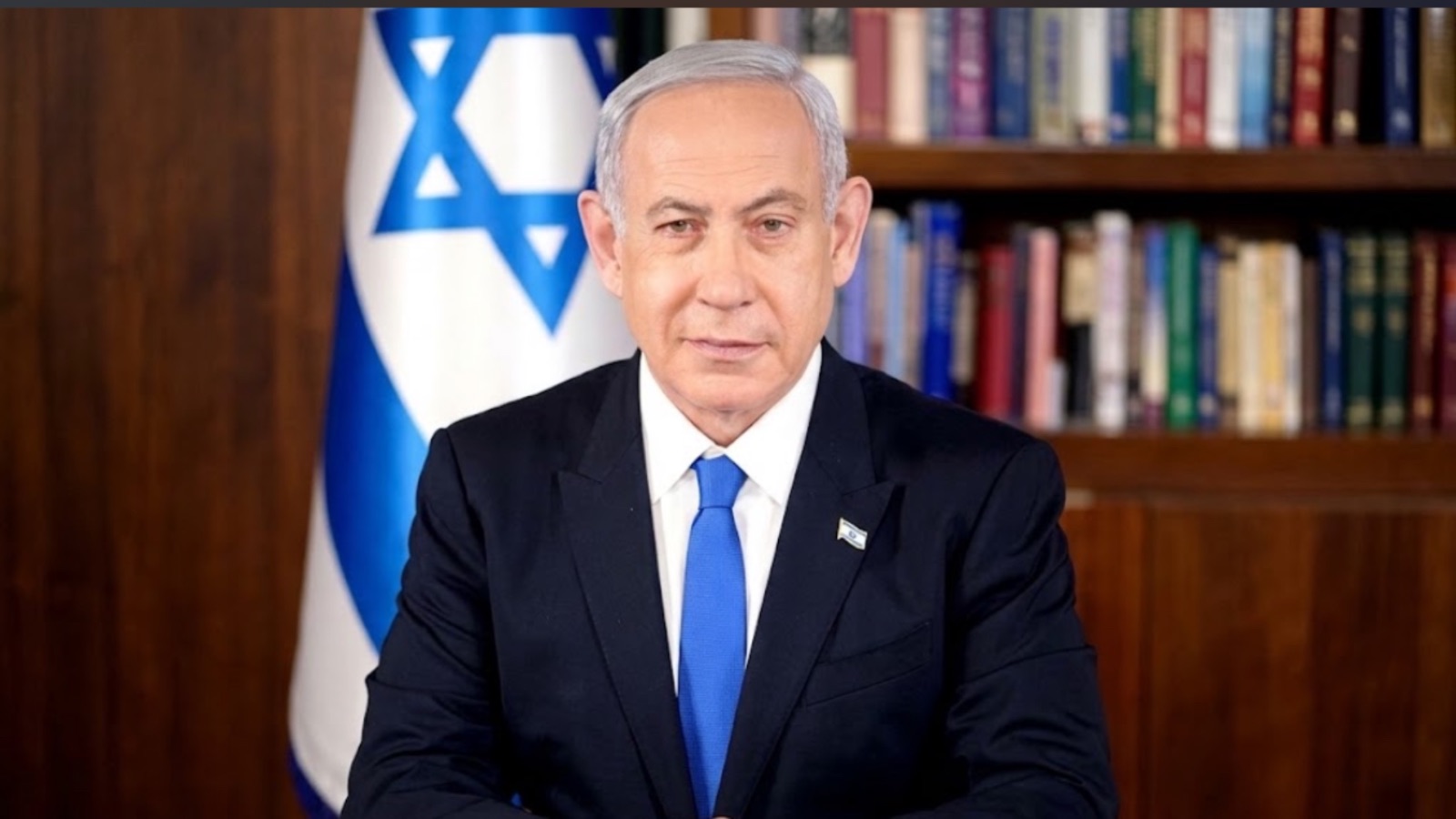
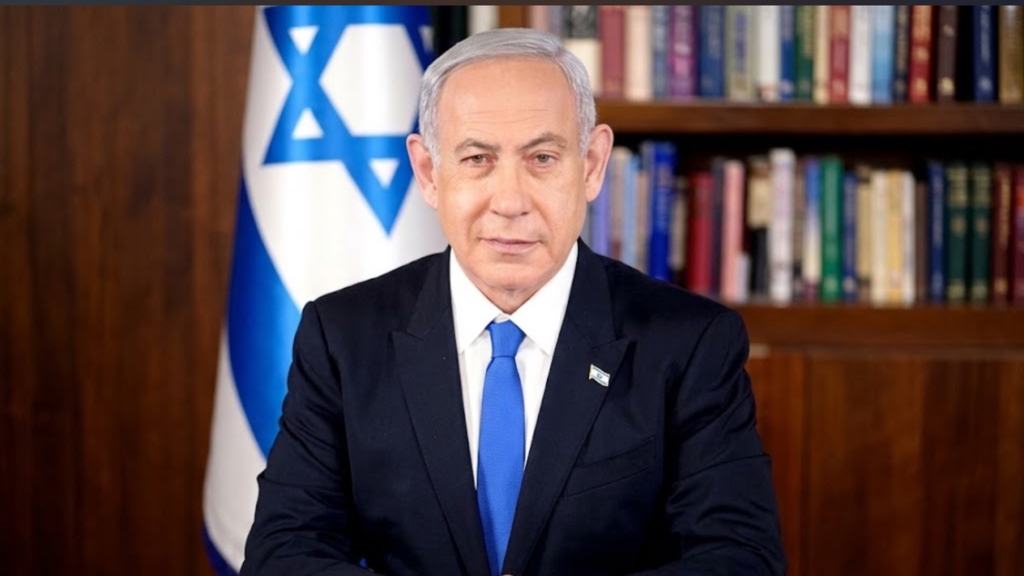
The Benjamin Netanyahu Biography tells the story of an Israeli politician whose career has shaped the country’s government, security policies and relations with other nations. Benjamin Netanyahu is the leader of the Likud political party and has served multiple terms as prime minister of Israel. His time in office has included major political debates, economic changes, diplomatic efforts and conflicts that have drawn worldwide attention.
READ: George Elombi Biography: Afreximbank President and CEO
Known to many supporters as “Bibi,” Netanyahu has spent decades in public life. His background includes military service, university education in the United States, diplomatic work and leadership in Israeli politics. His supporters often highlight his focus on national security, while critics question several of his policies and decisions. Understanding his biography provides useful context for following Israeli politics and Middle Eastern affairs.
Read: Do you need a professional writer in 72 hours? Contact Auxi Chat
Benjamin Netanyahu Biography: Early Life and Education
READ: Donald Trump Biography: Business Career and Presidency
Benjamin Netanyahu was born on October 21, 1949, in Tel Aviv, Israel. He grew up in a family with strong interests in history and public affairs. His father, Benzion Netanyahu, was a historian, and his older brother, Yonatan Netanyahu, later became known for his military service.
During parts of his childhood and teenage years, Netanyahu lived in the United States while his father worked there. These experiences gave him familiarity with American society and helped shape his later connections with the country.
Read: Need a professional website in 72 hours? Contact Auxi Chat
After returning to Israel, Netanyahu attended military service before continuing his education in the United States. He studied at the Massachusetts Institute of Technology (MIT), earning a degree in architecture and a master’s degree in business management. He also studied political science at MIT and Harvard University.
His education gave him experience in business, management and international affairs. These subjects later became relevant to his work in government, particularly when he served in economic and diplomatic roles.
The early years covered in the Benjamin Netanyahu Biography help explain how his personal background, education and time in two countries contributed to his later political career.
Benjamin Netanyahu’s Military Service and Early Career
Netanyahu served in the Israel Defense Forces from 1967 to 1972. He was a member of Sayeret Matkal, an elite military unit involved in special operations.
During his military service, he participated in operations that included the rescue of passengers from a hijacked aircraft in 1972. He later served in the reserves during the 1973 Yom Kippur War.
After completing his initial military service, Netanyahu returned to the United States for university studies and professional work. He worked for Boston Consulting Group, a management consulting firm, where he gained experience in business strategy.
In 1976, his older brother Yonatan was killed during the Israeli operation to rescue hostages at Entebbe Airport in Uganda. The event had a lasting impact on Netanyahu and strengthened his interest in international security and counterterrorism.
He subsequently became involved in public advocacy on terrorism and international security. These activities helped prepare the way for his diplomatic career and eventual entry into national politics.
From Diplomat to Israeli Political Leader
Before becoming prime minister, Netanyahu held several diplomatic positions. In 1982, he became deputy chief of mission at Israel’s embassy in Washington, DC. He later served as Israel’s ambassador to the United Nations from 1984 to 1988.
During his time at the United Nations, he represented Israeli government positions and became a familiar figure in international media discussions about Israel and the Middle East.
In 1988, Netanyahu was elected to the Knesset, Israel’s parliament, as a member of the Likud party. He subsequently held government positions and developed a reputation as a strong public speaker.
In 1993, he became chairman of Likud. His leadership of the party helped position him as a major contender for national leadership.
The Benjamin Netanyahu Biography shows how his experience in diplomacy, public communication and party politics helped him move from international representation to the centre of Israeli government.
Benjamin Netanyahu’s First Term as Prime Minister
Netanyahu first became prime minister in 1996, following an election victory over Shimon Peres. At the time, he became Israel’s youngest prime minister.
His first term lasted until 1999. During these years, his government focused on security, economic policy and negotiations involving the Palestinians.
His administration signed the Hebron Protocol in 1997 and the Wye River Memorandum in 1998. These agreements formed part of efforts to address outstanding issues in the Israeli-Palestinian peace process.
Netanyahu also supported economic reforms, including privatisation and changes intended to encourage business activity. His government faced disagreements over security, negotiations and domestic political priorities.
He lost the 1999 election to Ehud Barak and left office. However, he remained an influential figure within Likud and later returned to senior government roles.
Return to Government and Long Political Career
After his first term as prime minister, Netanyahu returned to government in the early 2000s. He served as foreign minister and later as finance minister.
As finance minister, he supported reforms involving taxation, public spending, welfare policy and privatisation. Supporters argued that these changes helped encourage economic growth, while critics questioned their effects on vulnerable households.
Netanyahu returned to the prime minister’s office in 2009 and remained in power until 2021. After a period of political uncertainty and repeated elections, he returned to office in December 2022.
His time in government has covered several major issues, including economic policy, relations with the United States, Iran’s regional role, Palestinian statehood and Israel’s security strategy.
Netanyahu has often advocated a firm approach to national security. His policies have also faced strong opposition within Israel and abroad, particularly over relations with Palestinians, judicial reform and the conduct of military operations.
The Benjamin Netanyahu Biography reflects a political career marked by repeated returns to power, strong support from parts of the electorate and persistent criticism from political opponents.
Benjamin Netanyahu’s Role in International Affairs
As prime minister, Netanyahu has maintained close relations with the United States while also pursuing Israel’s interests in other regions. His governments have focused on security cooperation, technology, trade and diplomatic relationships.
He has frequently spoken about Iran’s nuclear programme and the security challenges Israel faces in the Middle East. These positions have influenced discussions with international leaders and contributed to disagreements over regional policy.
Netanyahu has also been a central figure in debates about the Israeli-Palestinian conflict. His approach to Palestinian statehood, settlement policy and military action has drawn both domestic and international criticism.
READ: Bassey Otu Biography: Cross River State Governor
Supporters describe his leadership as focused on protecting Israel and maintaining its strategic position. Critics argue that some of his policies have deepened divisions and made a lasting peace more difficult to achieve.
A balanced understanding of Netanyahu’s international role requires examining both the decisions made by his governments and the consequences those decisions have had for people across the region.
Family Life and Personal Background
Benjamin Netanyahu is married to Sara Netanyahu. He has two sons, Yair and Avner, with Sara, and a daughter, Noa, from his first marriage.
His family has sometimes attracted public attention because of Netanyahu’s long political career. However, his public record is mainly associated with his work in government, his leadership of Likud and his role in international affairs.
Netanyahu has also written and edited books on international security, terrorism and Israel’s position in the world. His writing reflects themes that have featured throughout his political career.
Why Benjamin Netanyahu Remains an Important Political Figure
Benjamin Netanyahu has spent decades at the centre of Israeli politics. His experience includes military service, diplomacy, economic policymaking and repeated terms as prime minister.
His supporters point to his focus on security, international partnerships and economic development. His critics raise concerns about his approach to the Palestinians, domestic institutions and the consequences of his government’s policies.
These differing views are part of the reason his leadership continues to attract global attention. Decisions made by the Israeli government can affect regional security, international diplomacy, humanitarian conditions and relations between countries.
The Benjamin Netanyahu Biography offers readers a foundation for understanding his background and political journey. His career illustrates how leadership, party politics, security concerns and international relationships can shape the direction of a country over many years.
As Israel continues to face political and regional challenges, Netanyahu’s record remains an important subject for anyone following Israeli government, Middle Eastern politics and international affairs.
Are you interested in learning how to write professionally and earn money as a writer and content creator? Contact us today to start your writing journey immediately.
Need a professional website in 72 hours? Contact us
Do you need a professional writer in 72 hours? Contact us
If you have an article, guest story, event or news tip you would like published, Global News Arena would love to hear from you.