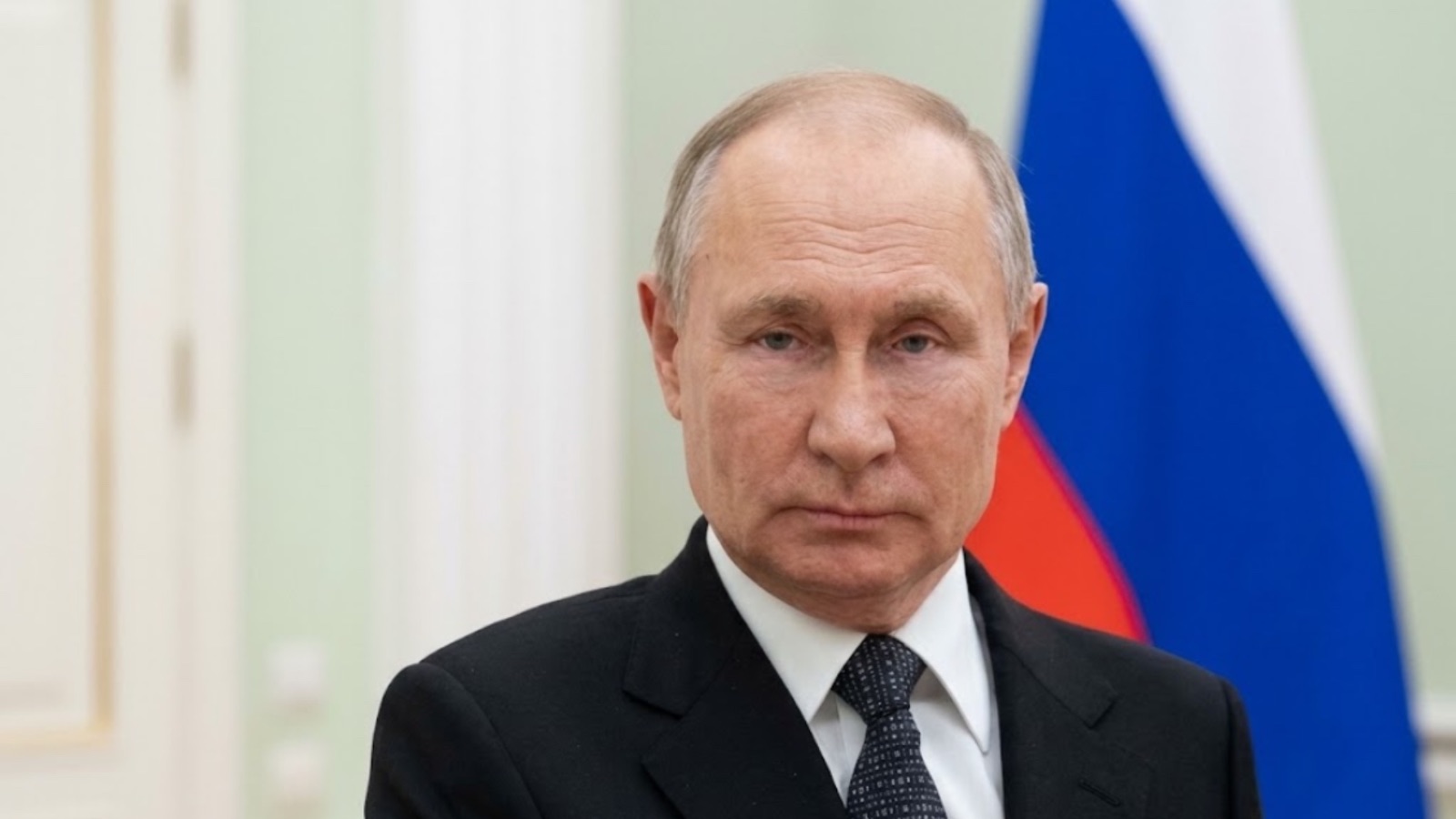
The Vladimir Putin Biography tells the story of one of the most influential political figures in modern Russia. Vladimir Vladimirovich Putin began his career as an intelligence officer before entering government and eventually becoming the country’s president. Over the years, his leadership has influenced Russia’s domestic policies, economy, military decisions and relationships with other countries.
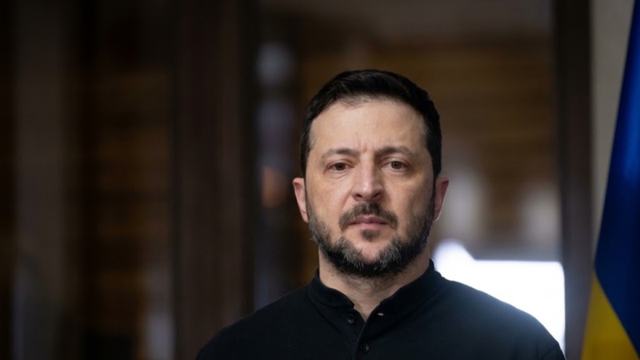
READ: Volodymyr Zelenskyy Biography: Ukraine’s President
Born in Leningrad, now known as Saint Petersburg, Russia, Putin studied law before joining the Soviet Union’s security service. His move into politics during the final years of the Soviet Union opened the door to a career that took him from local government to the highest office in the country.
Read: Do you need a professional writer in 72 hours? Contact Auxi Chat
Vladimir Putin Biography: Early Life and Education
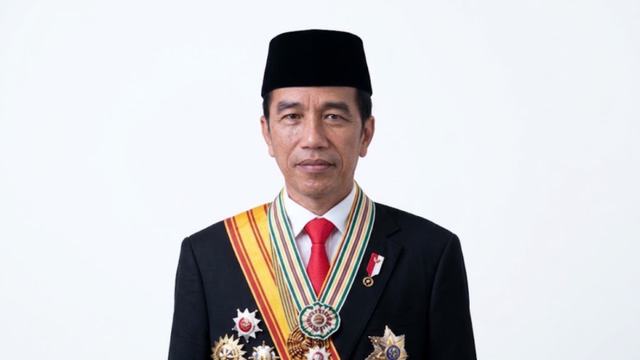
READ: Joko Widodo Biography: Indonesia’s Former President
Vladimir Putin was born on October 7, 1952, in Leningrad, which is now called Saint Petersburg. He grew up during the Soviet era in a working-class family. His parents were Vladimir Spiridonovich Putin and Maria Ivanovna Putina.
As a young man, Putin developed an interest in martial arts, particularly judo. He also became interested in intelligence work and government service. These interests later formed part of his public image.
Read: Need a professional website in 72 hours? Contact Auxi Chat
Putin attended Leningrad State University, where he studied law and graduated in 1975. His education provided a foundation for his early government career.
The Vladimir Putin Biography is closely connected to the political changes that transformed Russia during his lifetime. He entered professional life while the Soviet Union was still a major world power, but his career later developed during the country’s transition to a new political and economic system.
Vladimir Putin’s Career in the KGB
After graduating from university in 1975, Putin joined the KGB, the Soviet Union’s state security and intelligence service. He worked in intelligence roles and received further training during his service.
In the 1980s, he was posted to Dresden in East Germany. His work there involved foreign intelligence during a period when relations between the Soviet Union and Western countries were shaped by the Cold War.
Putin returned to Russia in 1990 as political changes spread across Eastern Europe. The Berlin Wall had fallen, and the Soviet political system was facing growing pressure.
He left active KGB service in 1991 as the Soviet Union approached its collapse. He then moved into civilian government work, beginning a new stage of his professional life.
This transition was an important turning point in the Vladimir Putin Biography, taking him from intelligence work into public administration and politics.
How Vladimir Putin Rose to Power
After leaving intelligence service, Putin worked in Saint Petersburg’s local government. He served under Anatoly Sobchak, the city’s mayor and one of his former university teachers.
His responsibilities included international relations and economic cooperation. The work gave him experience in government administration and helped him build relationships with officials and business figures.
In 1996, Putin moved to Moscow and joined the Russian presidential administration. He later became head of the Federal Security Service, known as the FSB, which succeeded the KGB’s main domestic security functions.
In 1999, President Boris Yeltsin appointed Putin prime minister. On December 31 of that year, Yeltsin resigned, making Putin acting president.
Putin won Russia’s presidential election in March 2000. His rise from a relatively little-known government official to national leader was rapid, and it marked the beginning of a long period of influence over Russian politics.
Vladimir Putin as President of Russia
Putin first served as president from 2000 to 2008. Because Russia’s constitution then limited presidents to two consecutive terms, he did not immediately remain in the presidency after completing those terms.
Dmitry Medvedev became president in 2008, while Putin served as prime minister. In 2012, Putin returned to the presidency after winning another election.
Changes to Russia’s constitutional rules later allowed him to seek additional terms. He won another presidential election in 2024 and began a new six-year term.
The Vladimir Putin Biography reflects a period in which political power became increasingly centred on the presidency. Supporters have associated his leadership with state stability and Russia’s international influence. Critics have raised concerns about restrictions on political opposition, independent media and civil liberties.
Understanding his presidency therefore requires looking at both the policies pursued by his government and the debates surrounding Russia’s political system.
Vladimir Putin’s Domestic Policies and Leadership
During Putin’s time in office, the Russian government has focused on strengthening central authority, maintaining national security and expanding the state’s influence over strategic sectors of the economy.
His administration has also overseen changes in taxation, government administration and social policy. Russia’s economy has been shaped by its energy resources, particularly oil and natural gas, as well as international trade and government spending.
Political conditions under Putin have attracted considerable international attention. Human rights organisations and other critics have reported restrictions on opposition groups, independent journalism and public protest. Russian authorities have defended many of their actions as necessary for national security, public order or the protection of the state.
These disagreements remain an important part of discussions about his leadership. The Vladimir Putin Biography is therefore not only a personal history but also a way to understand major debates about government, political participation and state power in modern Russia.
Vladimir Putin and Russia’s Foreign Relations
Russia’s relationships with other countries have been a major part of Putin’s presidency. His government has sought to maintain Russia’s influence in international affairs and has pursued a foreign policy that places strong emphasis on national security and regional power.
Relations with Western countries have experienced periods of cooperation and serious disagreement. Disputes over military alliances, regional conflicts, political influence and economic sanctions have contributed to tensions between Russia and several Western governments.
The war in Ukraine has become one of the defining issues of Putin’s leadership. Russia annexed Crimea in 2014, a move widely rejected internationally, and launched a full-scale invasion of Ukraine in February 2022. The invasion led to extensive international condemnation, sanctions against Russia and continued fighting with significant human consequences.
Putin’s government has defended its actions through its own security and political arguments, while Ukraine and many other governments have condemned Russia’s invasion as a violation of Ukrainian sovereignty.
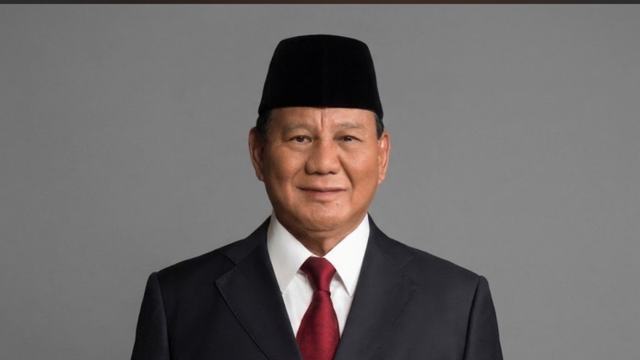
READ: Prabowo Subianto Biography: Indonesian President and Political Career
These events have had major effects on European security, international diplomacy, trade and relations between Russia and other countries.
Vladimir Putin’s Personal Life and Interests
Putin generally keeps his private life away from public attention. He married Lyudmila Shkrebneva in 1983, and they have two daughters, Maria and Katerina. The couple announced their separation in 2013 and later divorced.
He is widely associated with judo and other sporting activities. His interest in martial arts has formed part of the public image presented during his political career.
Although details of his family life remain limited in the public domain, his official activities and political decisions have attracted extensive attention around the world.
The personal side of the Vladimir Putin Biography offers background to the public figure, but his historical significance is primarily connected to his years in government and his influence on Russia’s direction.
Why Vladimir Putin Remains a Major World Figure
Vladimir Putin has been a central figure in Russian politics for more than two decades, serving as either president or prime minister during much of that period. His leadership has affected Russia’s institutions, international relationships, economy and security policies.
His record remains the subject of debate. Supporters point to his emphasis on national strength and Russia’s role in world affairs. Critics focus on political freedoms, the treatment of opposition groups and the consequences of Russia’s military actions, especially the war in Ukraine.
The Vladimir Putin Biography helps readers understand the path from his early life and intelligence career to his rise in government and his continued influence on international affairs.
His legacy will be assessed through the decisions made during his leadership and their lasting effects on Russia, neighbouring countries and the wider world. For readers following global politics, his biography provides essential background to many of the issues shaping relations between Russia and other nations.
Are you interested in learning how to write professionally and earn money as a writer and content creator? Contact us today to start your writing journey immediately.
Need a professional website in 72 hours? Contact us
Do you need a professional writer in 72 hours? Contact us
If you have an article, guest story, event or news tip you would like published, Global News Arena would love to hear from you.