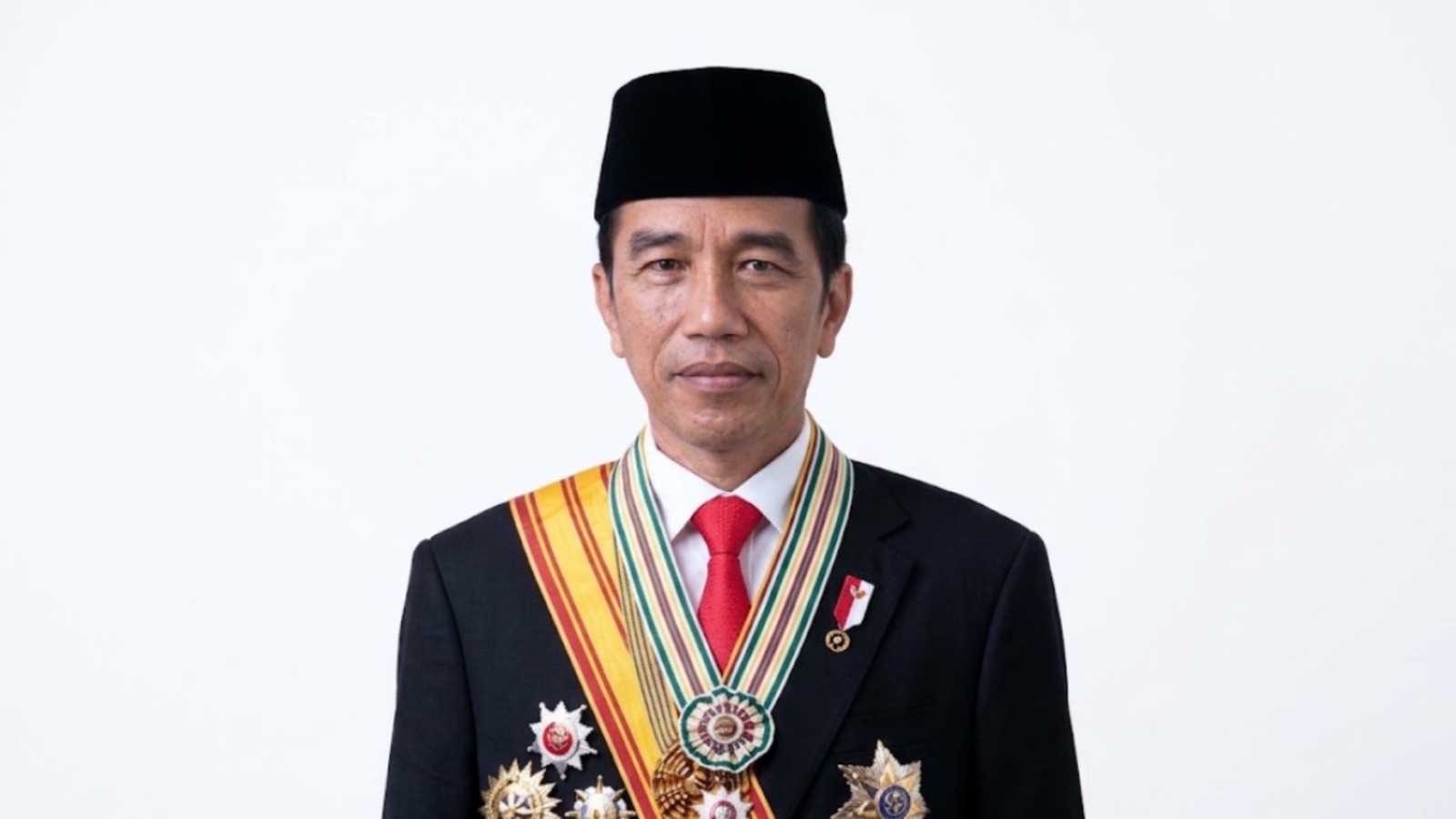
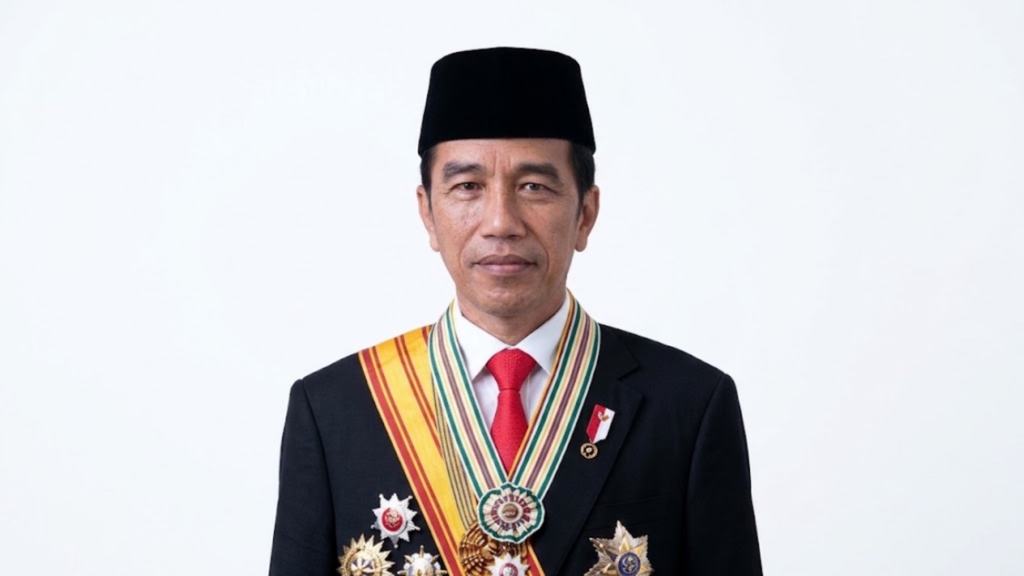
The Joko Widodo Biography tells the story of a man who moved from running a furniture business to leading Indonesia for ten years. Popularly known as Jokowi, Joko Widodo became Indonesia’s seventh president in 2014 and won a second term in 2019. Before becoming president, he served as mayor of Surakarta, also known as Solo, and governor of Jakarta.
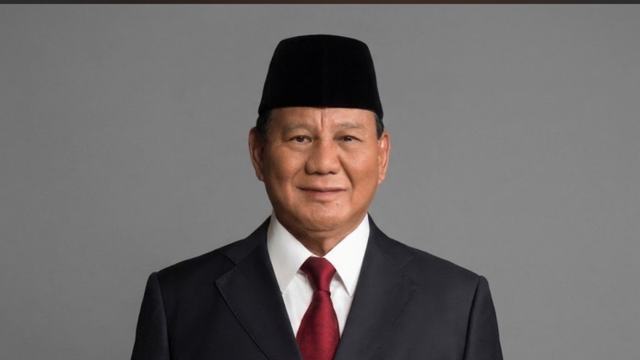
READ: Prabowo Subianto Biography: Indonesian President and Political Career
His journey attracted attention because he came from a business background rather than the military or Indonesia’s traditional political elite. During his presidency, he placed strong attention on roads, transport, public facilities and economic development. His time in office also became part of wider discussions about political leadership, democracy and the future of Indonesia.
Read: Do you need a professional writer in 72 hours? Contact Auxi Chat
Joko Widodo Biography: Early Life and Education
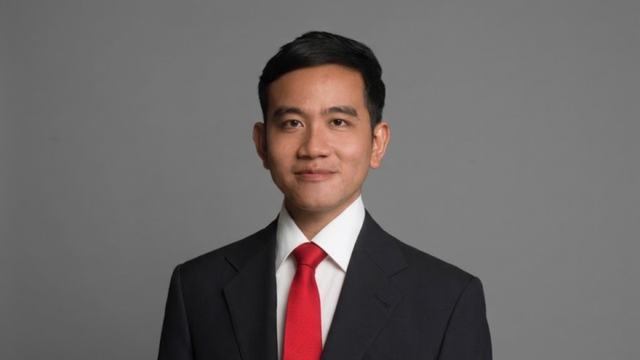
READ: Gibran Rakabuming Raka Biography, Vice President
Joko Widodo was born on June 21, 1961, in Surakarta, Central Java, Indonesia. He grew up in a modest family. His father worked in the timber business, which gave Jokowi early exposure to wood and furniture.
His childhood experiences helped shape his understanding of everyday life in Indonesia. His family faced financial difficulties, and they experienced housing insecurity. These experiences later became part of the public story surrounding his rise from a small-business background to national leadership.
Read: Need a professional website in 72 hours? Contact Auxi Chat
Jokowi attended school in Surakarta before studying forestry at Gadjah Mada University in Yogyakarta. He graduated in 1985 with a degree in forestry.
His education provided knowledge of timber and forest resources, which connected with his later business activities. Rather than entering politics immediately, he first worked and developed his experience in the furniture industry.
The Joko Widodo Biography shows how his early life, education and business experience became important parts of his public identity.
From Furniture Businessman to Political Leader
After completing university, Jokowi worked in the forestry and timber sector, including a period in Aceh. He later returned to Solo and became involved in the furniture business.
He established his own furniture company and developed a business that reached customers beyond his local market. His experience included understanding products, managing business relationships and working with buyers.
Over time, he became involved in business organisations and community activities. These connections helped introduce him to wider public issues and eventually to politics.
In 2005, Jokowi was elected mayor of Surakarta. His work in the city brought him greater public attention, particularly through efforts involving urban development, public markets and engagement with residents.
His political approach included visiting communities and speaking directly with people about local concerns. This practice became associated with the Indonesian term blusukan, referring to visits to communities and public places to hear concerns first-hand.
His time as mayor helped build the public profile that later supported his move into national politics.
Joko Widodo as Governor of Jakarta
In 2012, Jokowi became governor of Jakarta, Indonesia’s capital. The role placed him in charge of a large city facing challenges involving traffic, flooding, housing, public transport and access to services.
As governor, he worked with his administration on public programmes and urban improvements. His approach included visiting neighbourhoods and public facilities to understand problems faced by residents.
Jakarta also gave Jokowi experience in managing a more complex government. The capital is a major centre for business, transport and public administration, so decisions made there can affect millions of people.
His time as governor increased his national visibility. In 2014, he contested the presidential election and won, becoming Indonesia’s seventh president.
Joko Widodo Biography: Presidency from 2014 to 2024
Jokowi took office as president on October 20, 2014. He was re-elected in 2019 and completed his second term on October 20, 2024. Prabowo Subianto succeeded him as president.
During his decade in office, infrastructure development was a major priority. His administrations pursued projects involving toll roads, airports, ports, dams and other public facilities. The stated aim was to improve transport, connect regions and support economic activity.
His government also promoted greater domestic processing of some natural resources, with the goal of encouraging investment and developing industries within Indonesia.
Another major project was the development of Nusantara, a planned new capital in East Kalimantan on the island of Borneo. The project was intended to reduce the long-term concentration of government activity in Jakarta, although its cost, environmental impact and implementation attracted debate.
The Joko Widodo Biography is also connected to the challenges of governing a large and diverse country. His presidency involved economic decisions, public-service programmes and questions about political institutions and democratic standards. Supporters highlighted infrastructure and development, while critics raised concerns about aspects of governance and democratic safeguards.
Understanding his presidency therefore requires looking at both the projects pursued by his administrations and the debates surrounding their effects.
Economic Development and Infrastructure Projects
Infrastructure was one of the most visible features of Jokowi’s presidency. Roads and transport links can make it easier for people to travel, move goods and reach services. Ports and airports can also support trade and tourism.
His administrations sought to improve connections between Indonesia’s many islands and strengthen the country’s economic infrastructure. Indonesia is an archipelago, so transport links are especially important for connecting communities and markets.
The government also promoted investment in industries that process raw materials domestically. This policy aimed to create more economic value within Indonesia instead of relying only on exports of unprocessed resources.
However, large infrastructure projects require significant funding, careful planning and long-term maintenance. Their benefits can differ between regions and communities, and their environmental and social effects may be debated.
Jokowi’s infrastructure agenda remains an important part of discussions about his time as president and Indonesia’s longer-term development plans.
Joko Widodo’s Family and Personal Life
Joko Widodo is married to Iriana Joko Widodo, and they have three children: Gibran Rakabuming Raka, Kahiyang Ayu and Kaesang Pangarep.
His family became more visible during his presidency, particularly as his children entered public, business and political life. Gibran Rakabuming Raka became vice president of Indonesia in 2024, serving alongside President Prabowo Subianto.
The growing political visibility of members of Jokowi’s family also became a subject of public debate. Supporters and critics expressed different views about the role of family members in public life and the wider implications for Indonesian politics.
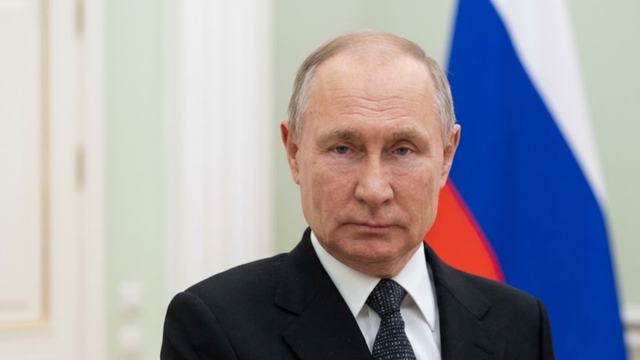
READ: Vladimir Putin Biography: Russian President and Political Career
These discussions formed part of the political environment surrounding the end of his presidency.
Joko Widodo’s Life After the Presidency
Jokowi left the presidency in October 2024 after completing two terms. His departure marked the end of a decade in Indonesia’s highest office and the beginning of a new chapter outside the presidency.
His time in office continues to be discussed in relation to infrastructure development, economic policy, Indonesia’s international relationships and the state of its democratic institutions.
Former national leaders often remain subjects of public interest because their decisions can influence government programmes and political debates after they leave office. Jokowi’s experience as a businessman, mayor, governor and president gives observers several stages of his career to examine.
The Joko Widodo Biography therefore remains useful for readers seeking background on Indonesia’s recent political history and the development priorities pursued between 2014 and 2024.
Why Joko Widodo Remains an Important Figure in Indonesian Politics
Jokowi’s political journey connects local government, national leadership and economic development. He moved from the furniture industry into city leadership, then governed Jakarta before becoming president.
His presidency placed infrastructure and investment at the centre of Indonesia’s development plans. At the same time, debates about political accountability, democratic standards and the role of political families formed part of the public assessment of his administration.
His legacy is therefore discussed from different perspectives. Infrastructure projects and economic policies are part of the record, while questions about institutions and governance remain important to understanding the broader impact of his leadership.
For readers interested in international politics, the Joko Widodo Biography offers a background to Indonesia’s former president, his rise to power and the main issues associated with his decade in office.
Are you interested in learning how to write professionally and earn money as a writer and content creator? Contact us today to start your writing journey immediately.
Need a professional website in 72 hours? Contact us
Do you need a professional writer in 72 hours? Contact us
If you have an article, guest story, event or news tip you would like published, Global News Arena would love to hear from you.