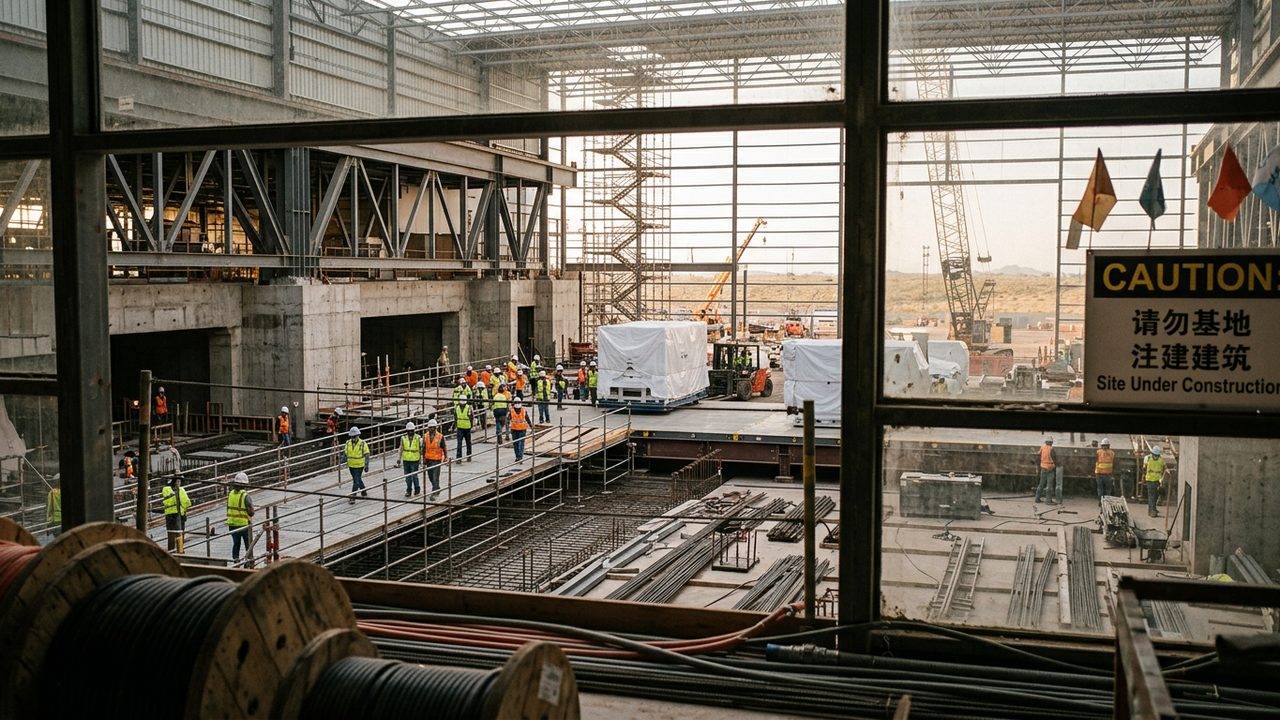
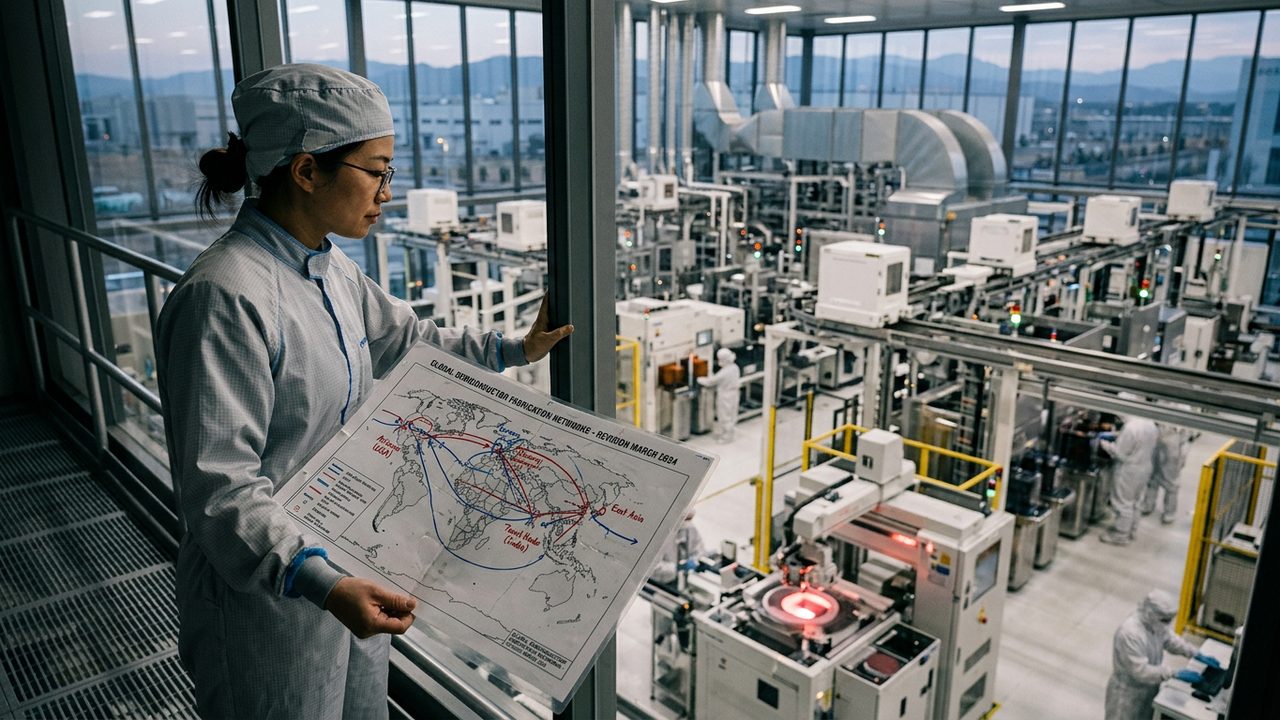
Half a decade of industrial policy aimed at diversifying semiconductor manufacturing has produced real fabrication capacity outside East Asia. It has not yet meaningfully reduced the concentration of leading-edge logic production.
The reason is that the difficulty of chipmaking is not evenly distributed. Mature nodes, which account for the majority of chips by unit volume and go into cars, appliances and industrial equipment, can be built in new locations with money and time. Leading-edge nodes require an ecosystem of tool vendors, materials suppliers and process engineers that exists in very few places and took decades to assemble.
Advanced packaging has emerged as a second bottleneck, and one that receives less policy attention than wafer fabrication despite being equally capable of halting shipments.
For importing countries the practical lesson is that supply security is a question of inventory, qualification of second sources, and design flexibility, rather than of hosting a fab. For the industry, the constraint over the next few years is likely to be trained engineers rather than construction capital.