
Monetary policy has rarely had to contend with a set of inputs pointing so clearly in opposite directions.
Goods prices in most advanced economies have been disinflationary, reflecting normalised supply chains and weak Chinese domestic demand exporting deflation outward. Services inflation, which is largely wages, has proved far stickier, because labour force growth in several major economies has slowed structurally rather than cyclically.
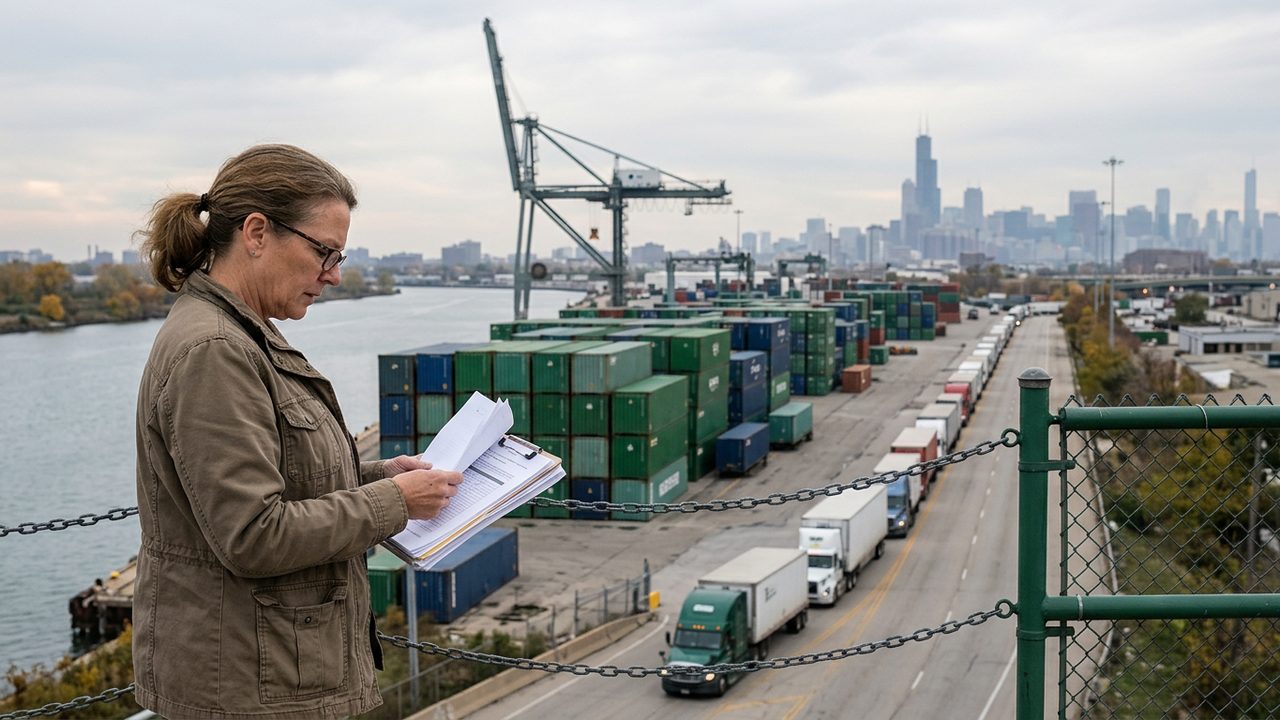
Layered on top is trade policy. Tariffs raise the price level in the importing country, but whether they raise the rate of inflation durably depends on whether wages respond. Central bankers have generally treated the effect as a one-off shift, while conceding they cannot be certain in advance.
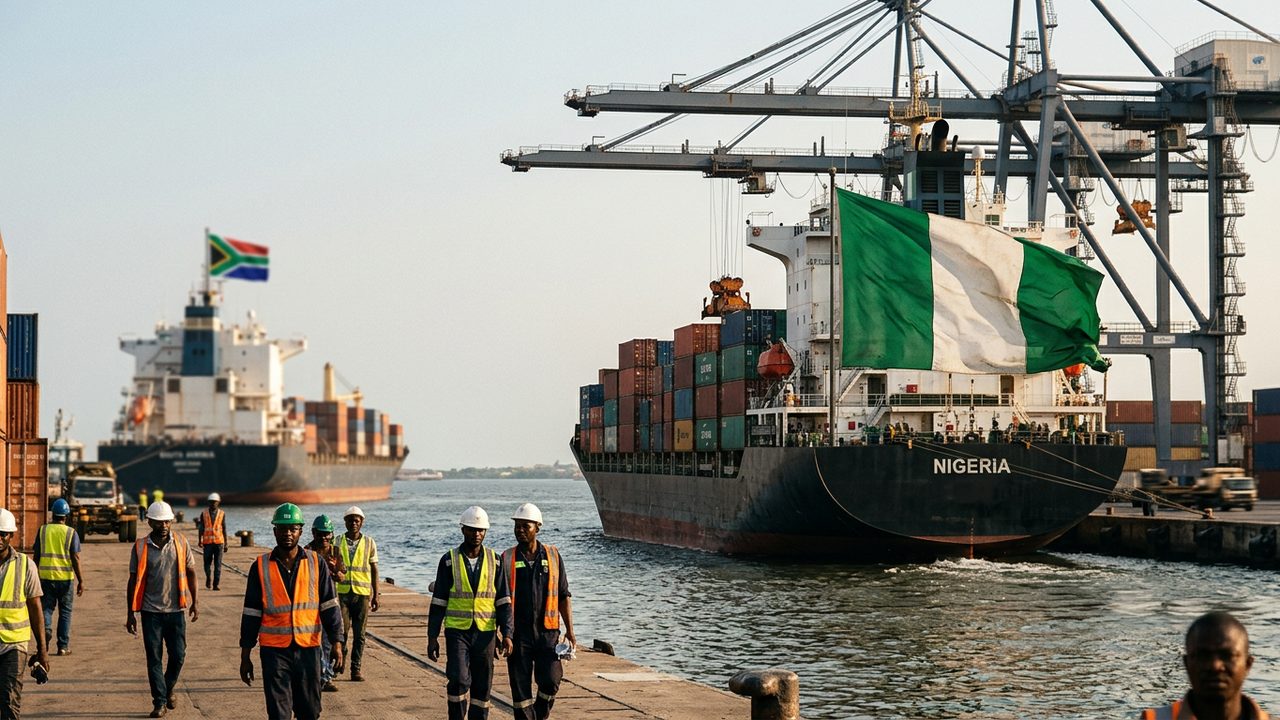
The result is divergence. Rate paths in North America, Europe and East Asia have separated more than at any point since the immediate post-pandemic period, with consequences for exchange rates that emerging market central banks then have to absorb.