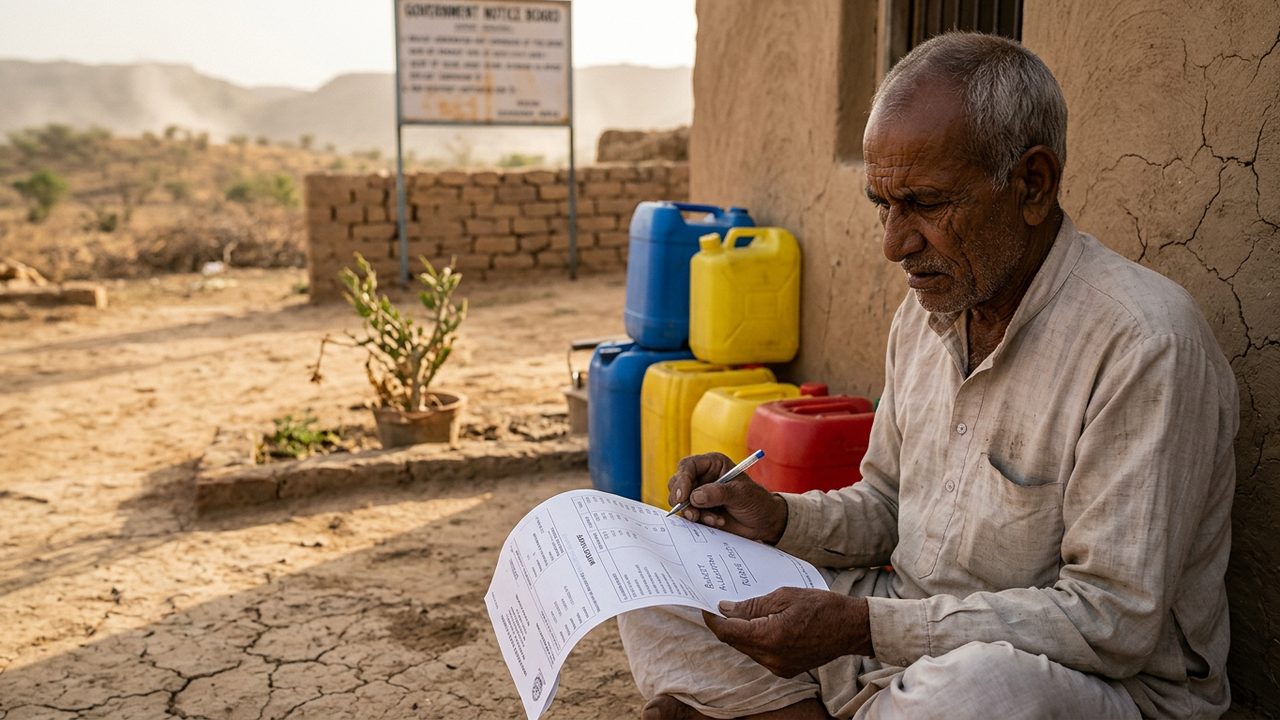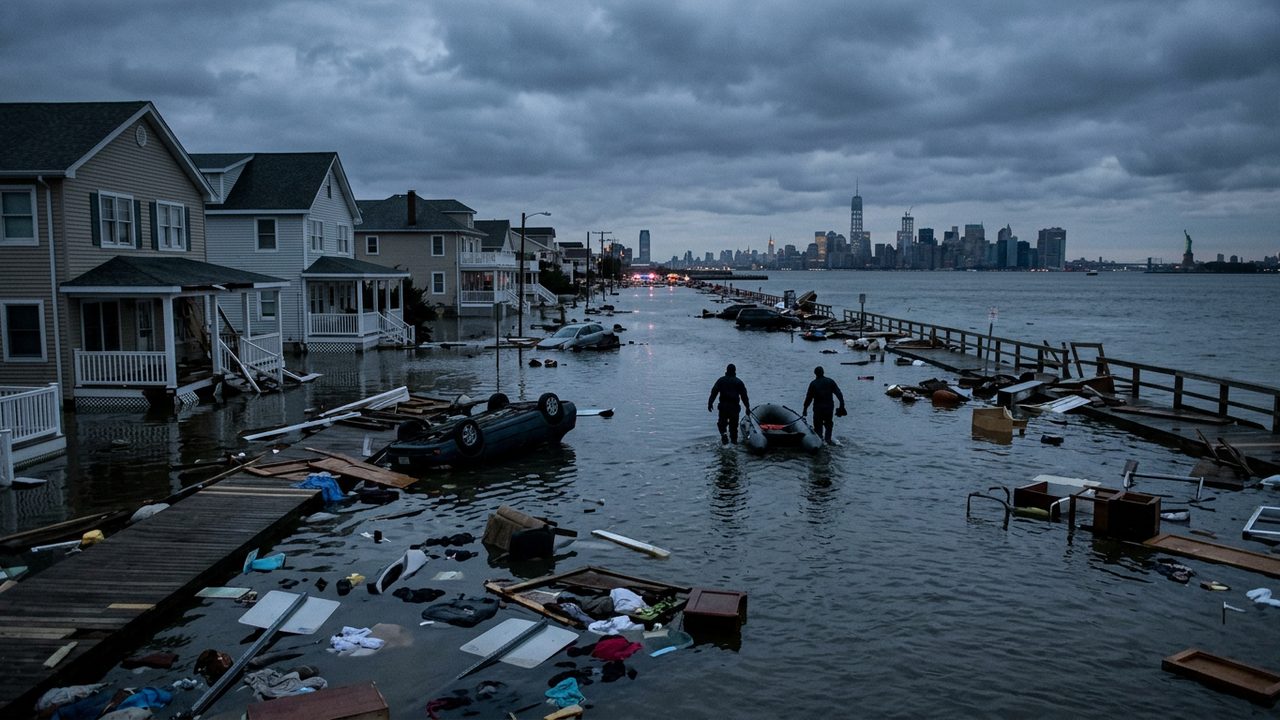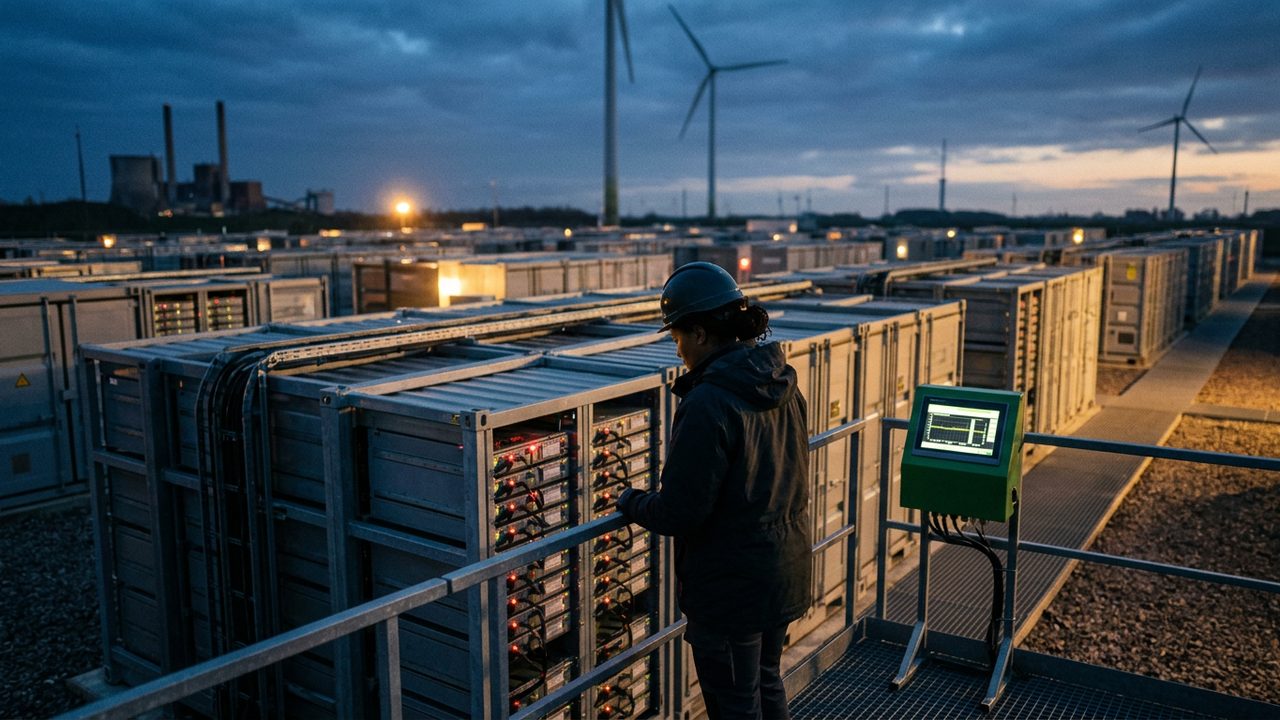

Climate finance discussions are dominated by mitigation, because mitigation produces assets with revenue: a solar farm sells electricity, a battery plant sells batteries. Adaptation mostly does not. A raised embankment, a drainage upgrade or a drought-tolerant seed programme produces avoided losses, which are real but do not appear on anyone's income statement.
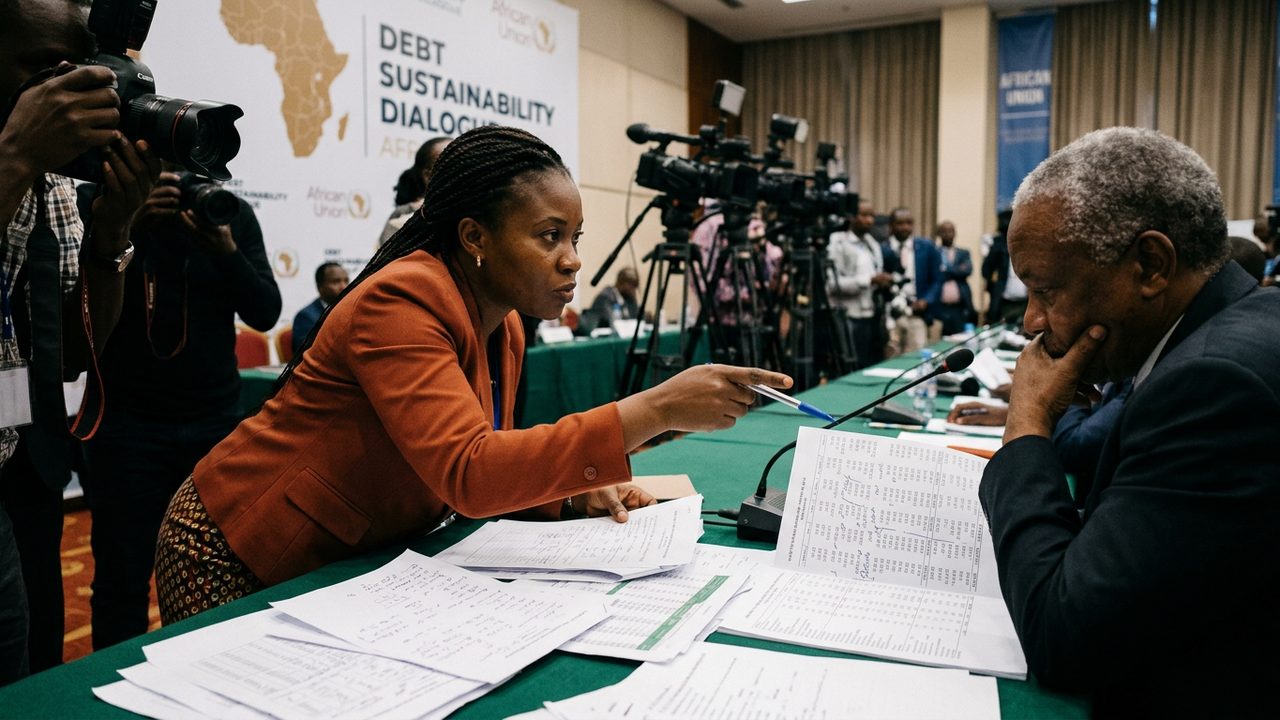
That asymmetry explains why adaptation consistently receives a small minority of climate finance despite repeated commitments to balance the two. It also explains why what does flow arrives predominantly as loans rather than grants, adding to the debt burden of the countries least responsible for the emissions concerned.
There are workable instruments. Parametric insurance pays out on a measured trigger such as rainfall deficit rather than on assessed loss, which makes payouts fast and cheap to administer. Resilience credits and outcome-based bonds have been piloted at small scale. Municipal-level lending against avoided-damage projections is beginning in a handful of markets.
None of these scales without better local data on exposure. That, rather than a shortage of willing capital, is now the practical bottleneck in most of the countries we cover.