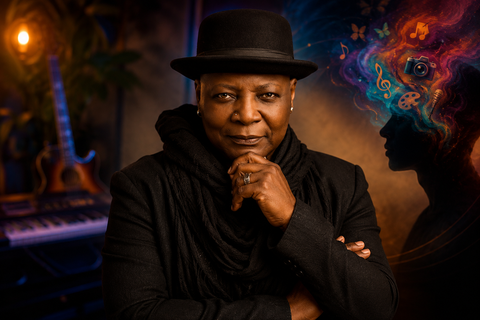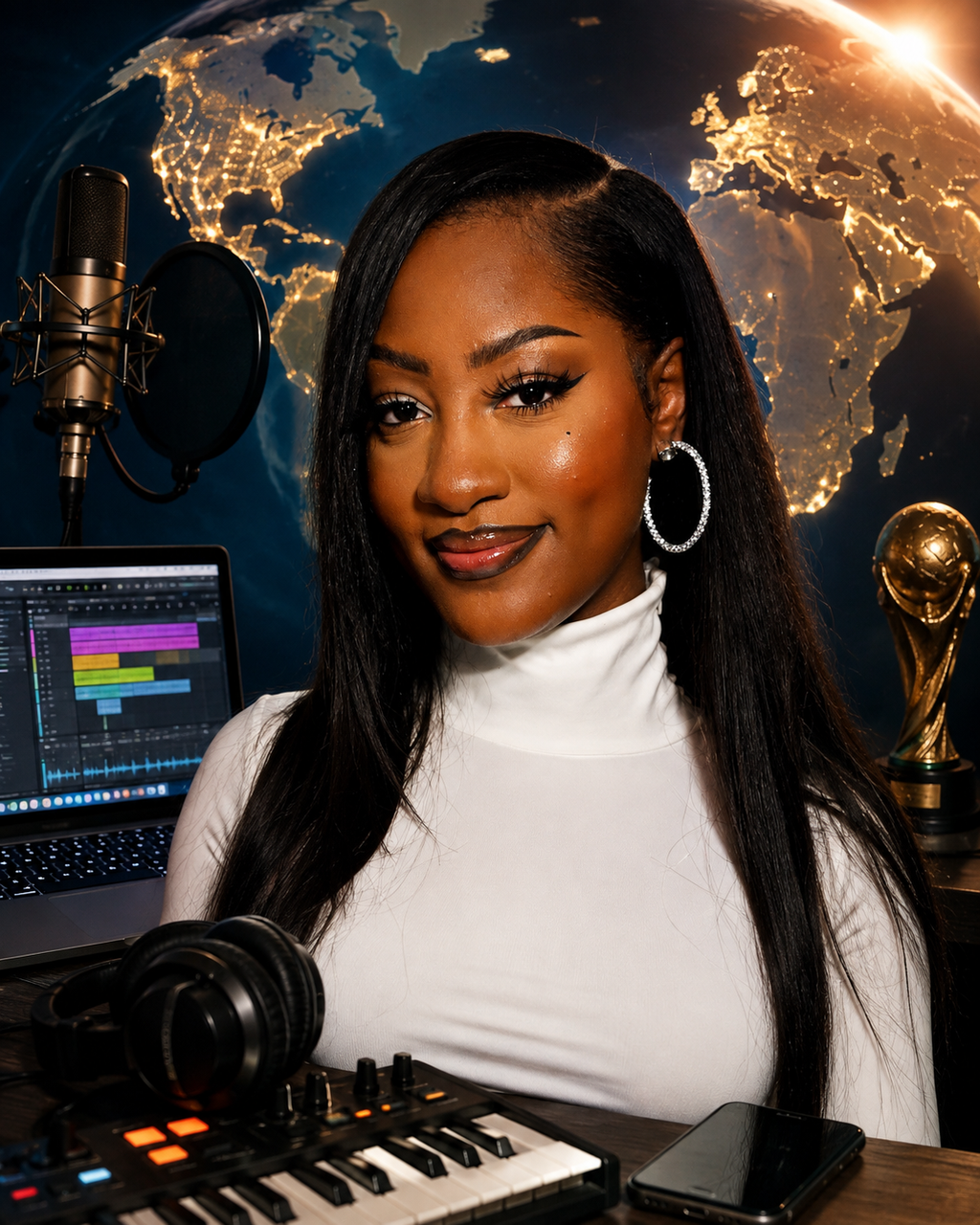
There are some celebrity stories I read and immediately forget. Then there are those that make me pause for a moment because, underneath the headline, there is something much bigger to think about. Tems celebrating another international career milestone was one of those stories for me.
At first, it is easy to look at another achievement from a global Nigerian music star and simply say, “Congratulations, Tems.” And of course, she deserves the celebration. But when I looked beyond the excitement surrounding the milestone, I found myself thinking about something that has very little to do with awards, international recognition or celebrity status.
I started thinking about creativity.
More specifically, I started thinking about what can happen when someone makes one bold decision to take their creativity seriously and then keeps showing up long after the initial excitement has disappeared.
That, to me, is one of the most interesting parts of Tems’ journey.
Her music has travelled far beyond Nigeria, connecting with audiences across different countries and cultures. Her rise has also contributed to the continuing global conversation around Nigerian music and Afrobeats. But what I find particularly fascinating is that global relevance did not require her to stop being herself.
In fact, it appears to have worked in the opposite direction.
The sound, identity and creative perspective that made her different became part of what made her interesting to the world.
And that made me ask myself a question that I think many aspiring creators should ask themselves too: What if the thing you are trying to hide is actually the thing that could make your work stand out?
I see people trying so hard to copy whatever is currently trending online. A creator sees another person's successful video and copies the format. Someone sees a business making money and immediately wants the same business. An aspiring musician hears a popular sound and wants to reproduce it exactly.
There is nothing wrong with studying what works. I believe we should learn from people who are already succeeding. But there is a difference between learning from someone and becoming a copy of that person.
The internet has made that distinction even more important because we now have access to an enormous audience. Someone sitting in Nigeria can create something today and potentially have someone in another part of the world discover it tomorrow.
That possibility would have sounded almost unbelievable to many people a few decades ago.
Today, it can happen from a smartphone.
And this is where Tems’ latest international career milestone started making me think about the opportunities available to ordinary creators.
Because while we celebrate global artists for reaching international audiences, many people are still underestimating what they can create with the devices already in their hands.
The smartphone sitting beside you can be used for entertainment, but it can also become a creative studio, a learning centre, a publishing platform, a marketing tool and the beginning of a digital business.
Of course, having a smartphone doesn't automatically make anyone successful. I don't want to create that impression. Technology can give you access to tools, but it cannot replace discipline, creativity, patience or the willingness to improve.
However, technology has made the starting point much easier.
Think about someone who has always wanted to make music but assumed they needed an expensive studio before they could begin. That person may now be able to start learning songwriting, experimenting with melodies, creating beats and developing musical ideas with digital tools.
That's why I find the Music Creation service on Auxi Sherpa interesting.
For an aspiring creator who wants to experiment with making music, writing songs or producing cool beats, tools like this can make the creative process more accessible from a smartphone. And I think that is where the opportunity becomes bigger than simply making a song for fun.
You can start with creativity and eventually discover a business opportunity around the skill.
Maybe you create beats.
Maybe you develop original songs.
Maybe you create music that other content creators can use.
Maybe you build a social media page around your music journey.
Maybe you eventually offer creative services.
Maybe you develop digital products around what you have learned.
The possibilities are not necessarily about becoming the next Tems. That would be the wrong lesson to take from her story.
The better lesson is to understand that a creative skill can become an asset when you develop it seriously.
And that applies far beyond music.
A person who knows how to design can create templates and sell digital products. A writer can build an audience and create guides or offer freelance writing services. Someone who understands video editing can work with creators and businesses. A teacher can package knowledge into digital resources. A person who knows how to create music can explore beats, songwriting, production, licensing and other creative opportunities.
The common thread is simple: you develop something valuable, find people who need or appreciate it, and learn how to deliver that value consistently.
That is the part of the creator economy that interests me most.
We often focus so heavily on virality that we forget about value.
Everyone wants the viral video.
Everyone wants millions of views.
Everyone wants the song that suddenly explodes on social media.
But what happens after the attention?
That is where I believe the smarter creators start thinking differently.
Instead of asking only, “How can I go viral?” they begin asking, “How can I turn the attention I receive into something sustainable?”
That could mean building an audience, creating a service, developing a digital product, finding freelance clients, establishing partnerships or creating multiple legitimate income streams around a skill.
And suddenly, the smartphone becomes much more than a device for consuming content.
It becomes a business tool.
This is also why I don't think people should look at Tems' success and conclude that international recognition is reserved for celebrities or people with powerful connections.
Her story can be appreciated from a different angle.
What if your own version of success doesn't begin with someone discovering you?
What if it begins with you discovering what you can create?
That is a question worth sitting with.
Because many people are waiting for permission.
They are waiting for someone to tell them their idea is good.
They are waiting until they have better equipment.
They are waiting until they have more money.
They are waiting until they have enough followers.
They are waiting for the perfect time.
Meanwhile, someone else with fewer resources is experimenting, learning and improving.
I don't believe you need to have everything figured out before starting. In fact, I think trying to figure everything out before taking the first step is one of the easiest ways to never begin.
Your first song may not be great.
Your first beat may sound ordinary.
Your first video may receive very little attention.
Your first digital product may not sell immediately.
That's okay.
The first attempt is not supposed to prove that you've already mastered the skill. It is supposed to give you something to improve.
And the more I think about Tems' international career milestone, the more I see that this is the part people don't always notice when they celebrate successful creators.
We see the international stage.
We see the recognition.
We see the headlines.
We see the finished product.
What we don't see are all the ordinary days of creating, learning, experimenting and continuing when nobody was paying attention.
That is where most success is built.
So, if you've been thinking about creating music, writing songs, making beats or simply developing a creative skill that you can eventually turn into an online income opportunity, perhaps you don't need to wait for a perfect opportunity.
Perhaps you need to make one bold creative decision.
Start.
Use the tools available to you.
Learn something.
Create something.
Publish something.
Improve it.
Then do it again.
And while you're doing that, don't just think about becoming famous. Think about becoming useful.
Because fame can disappear, trends can change and algorithms can shift. But a valuable skill, a loyal audience and the ability to create something people genuinely want can continue opening doors.
That is the lesson I personally took from seeing Tems celebrate another international career milestone.
Global success may look enormous when we see it from the outside, but every creative journey has a beginning. Sometimes that beginning is simply one person deciding that their idea deserves a chance.
Maybe your idea deserves that chance too.
And perhaps the next time you look at your smartphone, instead of asking what you can watch on it, you should ask yourself what you can create with it.
If you have an article, opinion piece, or news story you'd like published on Global News Arena, or you're ready to begin your journey toward building a profitable digital business from your phone, I'd love to hear from you. You can send your article, story idea or digital-business journey to email.
Read more at Global News Arena.