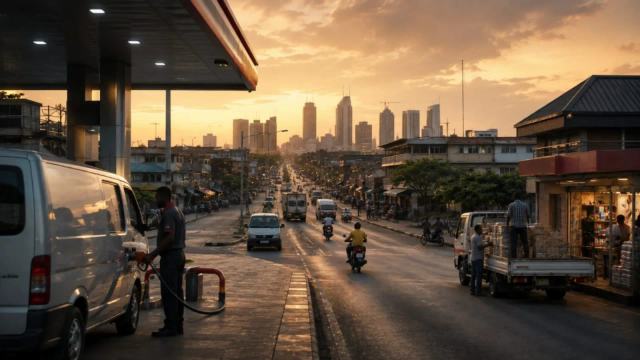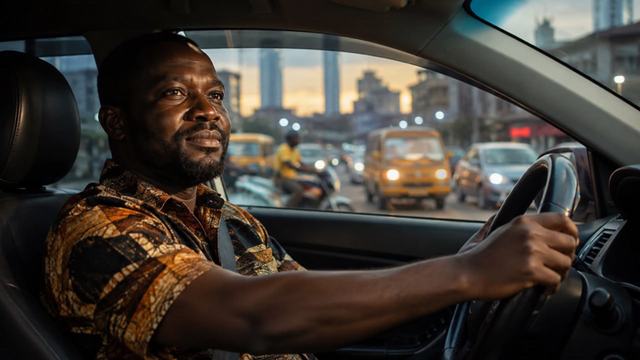
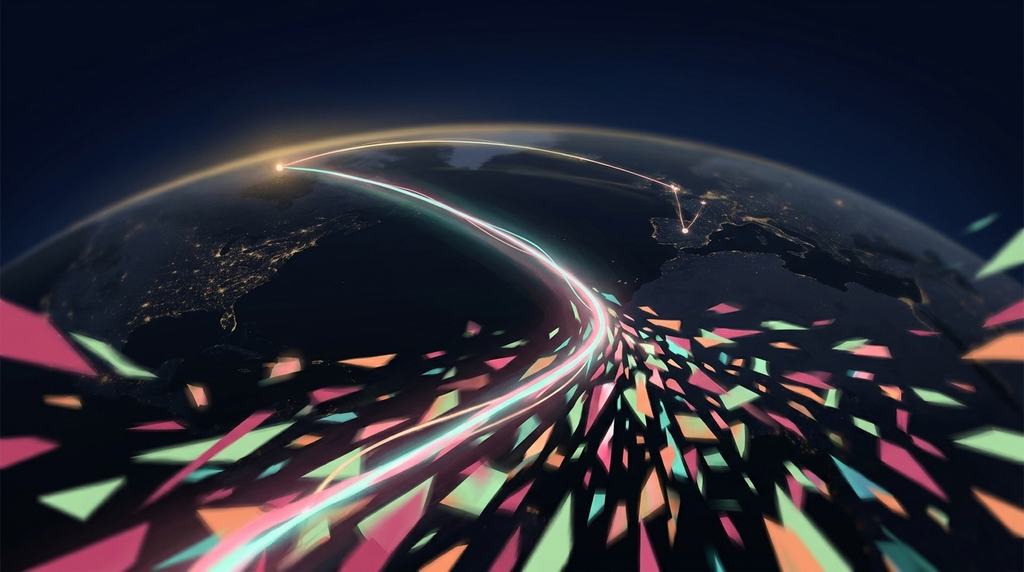
I was talking to someone in Lagos about a trend recently, and by the time I finished typing my reply, someone in London had already turned it into a meme.
That is the internet now.
Something happens in one corner of the world and, sometimes within minutes, the rest of us are watching it, joking about it, arguing about it or turning it into content.
A joke starts in Abuja.
Someone remixes it in Canada.
Someone translates it in Nairobi.
Someone adds music to it in New York.
At the end of the day, nobody is even talking about the original joke anymore.
We talk about this like it is magic, and honestly, it kind of is.
The internet has made the world incredibly small.
Anything, and I mean any little thing at all, can trend and go viral in a flash.
You can learn what people are discussing on another continent before you've even had breakfast. You can watch a live event happening thousands of kilometres away. You can build a business with customers you've never physically met.
That access is extraordinary.
But there is a strange cost hiding underneath it.
Our attention did not evolve at the same speed as our access to information.
We are now expected to process global news, local news, work messages, social media updates, advertisements, memes, emails and somebody's holiday photos, sometimes within the same five minutes.
A war sits beside a birthday cake.
A heartbreaking personal story sits beside a funny video.
Then another video starts automatically.
And another.
And another.
Nothing gets the space it deserves because the next thing is already waiting.
Its exhausting.
And you can see the side effects everywhere online.
All of a sudden, someone posts a short, thoughtful paragraph as a caption or a comment, and the internet loses its mind. People immediately flood the replies with, "Who is going to read all that?" or "Somebody please read this and summarize it for me."
People are getting intellectually lazy by the day, It’s literally an "olodo uprising" out here.
And it will get worse.
I think that is part of why digital overload feels so strange.
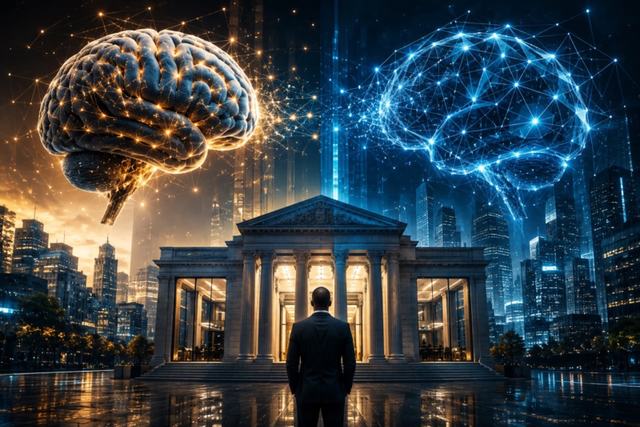
You can spend an hour online and come away feeling like you've experienced the entire planet without actually feeling properly present anywhere.
You know what happened.
You have seen the headlines.
You've read the comments.
You've watched the reaction videos.
But did you actually sit with any of it?
That is where information fatigue starts to creep in.
The internet has made information incredibly cheap.
Attention is the expensive part.
And we only have so much of it.
This matters particularly if you're trying to build something online.
There is always another business idea to research.
Another AI tool to try.
Another creator telling you that you're doing everything wrong.
Another strategy you absolutely need to implement immediately.
Another productivity system.
Another platform.
Another trend.
You can spend your entire day consuming information about building a business without actually building one.
I know because it is incredibly easy to do.
You tell yourself you're learning.
Technically, you are.
But there is a difference between learning something useful and endlessly collecting information because taking action feels harder.
That is why I think the solution to digital overload is not necessarily deleting every app and disappearing into the countryside.
Most of us cannot realistically do that.
The internet is part of how we work, communicate, learn and make money now.
The smaller shift is choosing what actually deserves your attention.
Maybe you don't need to read every opinion about a story.
Maybe you don't need to watch twelve videos explaining the same trend.
Maybe you don't need to know what everyone on the internet thinks about something five minutes after it happens.
You can care about something without consuming every piece of content surrounding it.
You can also decide that certain hours of your day belong to you instead of the algorithm.
That might mean putting your phone away while working.
Turning off unnecessary notifications.
Reading one article properly instead of scrolling through thirty headlines.
Or simply finishing one task before opening another tab.
The world getting smaller is not a bad thing.
Quite the opposite.
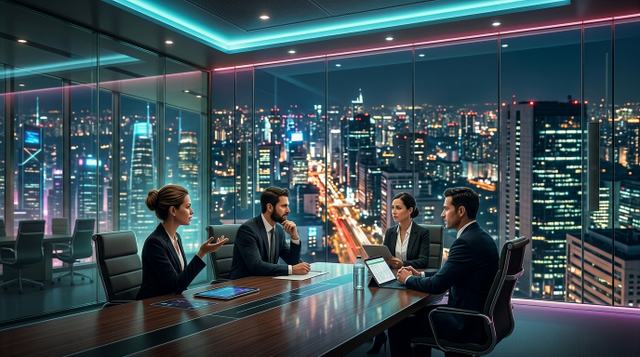
I love the fact that someone in Lagos can collaborate with someone in London without either person boarding a plane.
I love that a beginner can learn a skill from someone on another continent for free.
I love that a small business can reach customers it could never have reached twenty years ago.
But access to the entire world does not mean we have to consume the entire world every day.
The world got smaller.
Our attention did not get bigger to match it.
Maybe the next digital skill isn't learning how to consume more.
Maybe it is learning what to ignore.
Frequently Asked Questions
Why does constant global information feel exhausting?
Our brains process a huge volume of unrelated information in every scroll, crisis, celebration, ad, joke, back to back, without time to properly process any single piece.
Does this mean I should quit social media entirely?
Not necessarily. The goal isn't disconnecting completely, it's being more intentional about what you actually let yourself sit with instead of letting the feed dictate your pace.
Why do global trends spread so fast now?
Social platforms connect audiences instantly across countries, so a moment in one city can be remixed and reshared globally within hours.
Is this attention fatigue a real, documented phenomenon?
Yes. Constant information overload is widely discussed in psychology and media studies as a genuine factor in modern digital fatigue.
How can I manage this without disconnecting completely?
Choose specific times to engage deeply with content rather than passively scrolling constantly, and give yourself permission to skip stories that don't need your immediate attention.
If you have an article, opinion piece, event or news story you would like published or you are ready to begin building a profitable online content writing business from your phone or laptop, Global News Arena would love to hear from you.
Send an email to advertise@globalnewsarena.com