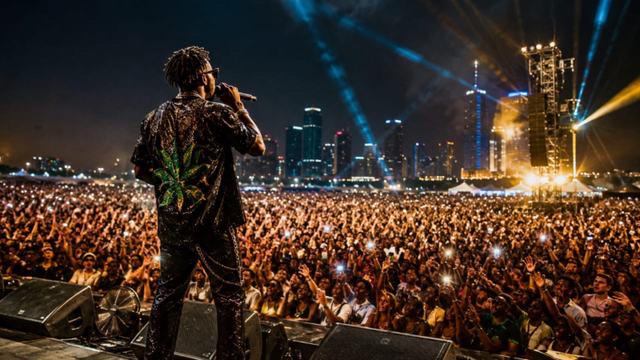
Recognition can help an artist reach people who have never heard their music before. When a musician receives a major award or appears on an influential international list, news organisations and fans may become more interested in their career.
New listeners may search for their songs, watch performances or explore other African artists. This attention does not guarantee lasting success, but it can create an opportunity for more people to discover the work.
International recognition can also support business opportunities. An artist who attracts a wider audience may receive invitations to perform at overseas festivals, collaborate with international musicians or work with brands.
These opportunities can generate income for the artist and the team behind them, including producers, songwriters, dancers, managers and other creative professionals. When handled well, success can support more jobs across the music industry.
African music also carries cultural meaning. Songs can introduce listeners to local expressions, rhythms, languages and experiences. Some artists combine traditional sounds with modern styles, while others create music that reflects life in cities, relationships, social change or personal struggles.
As audiences listen, they may become curious about the places and communities that inspire the music. Cultural recognition can therefore help people see Africa through more varied stories and experiences.
Streaming services and social media have made it easier for African artists to reach international audiences. A song can travel from a local recording studio to listeners in different countries without requiring a traditional international release in every market.
However, artists still need effective promotion, reliable distribution and a clear understanding of the agreements that govern their work. Online popularity alone does not always lead to steady income or long term success.
There are also challenges behind international recognition. Artists may face high touring costs, complicated contracts, unequal access to industry networks and difficulties protecting their music rights. Some musicians receive attention for a short time but struggle to turn it into a lasting career. Awards and public praise can open doors, but continued growth often depends on strong music, careful business decisions and teams that understand the industry.
Recognition is also important because it challenges narrow ideas about where important creative work comes from. African artists are not simply copying international trends. They are creating their own sounds, styles and stories, and these can influence popular culture elsewhere. When their work is recognised internationally, it can encourage music companies, event organisers and audiences to pay closer attention to other artists from the continent.
The lasting value of global recognition is not only the award or headline itself. It is the opportunity to reach new listeners, build sustainable creative businesses and give more African stories a place in international culture.
Continued investment in music education, production, fair contracts and local creative industries can help turn individual success into wider opportunities.
As African music continues to travel, recognition can help more people discover the creativity and diversity that the continent has to offer.
If you have an article, opinion piece, event or news story you would like published, Global News Arena would love to hear from you.
Send a message to Global News Arena contact to get in touch.