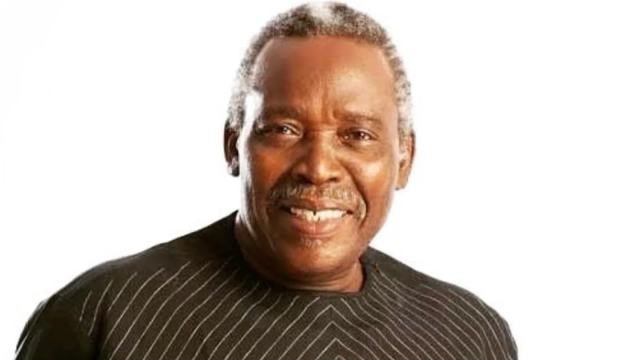
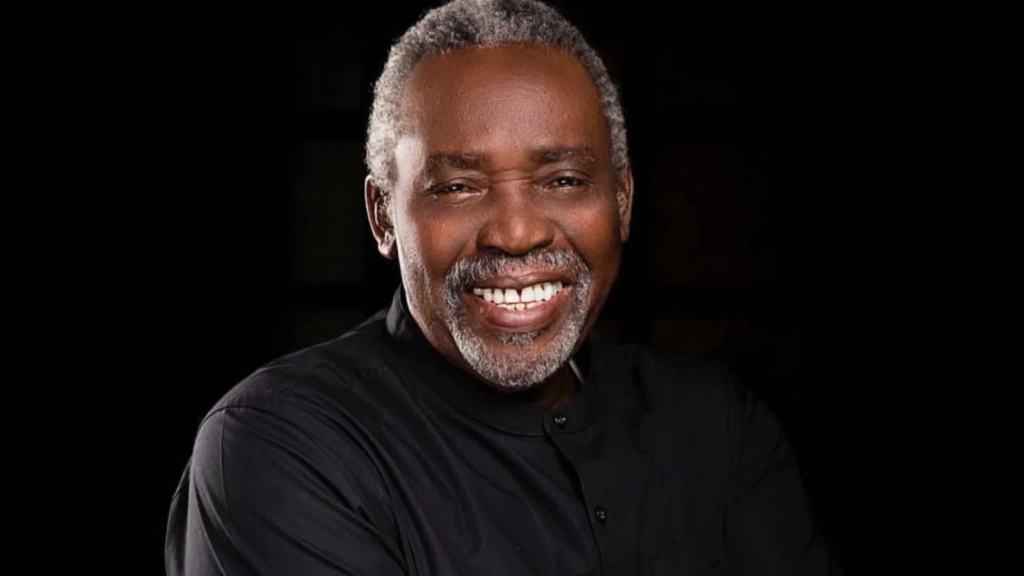
Olu Jacobs is dead.
The veteran Nigerian actor and film executive died on Wednesday, September 16, 2026, at the age of 84.
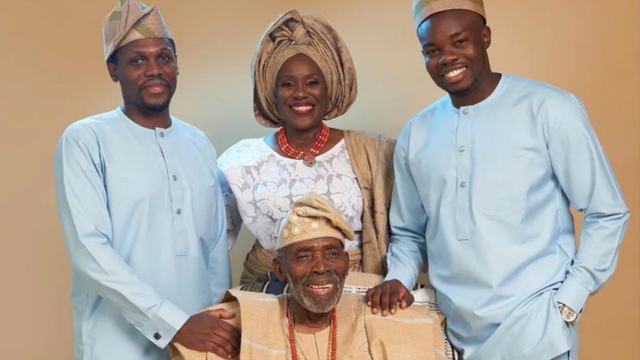
His son, Olusoji Jacobs, announced the death in a statement shared on Instagram, describing him as “The Lion of Lufodo” and asking bloggers and social media influencers to respect the family’s privacy.
But the story of Olu Jacobs is bigger than the announcement of his death.
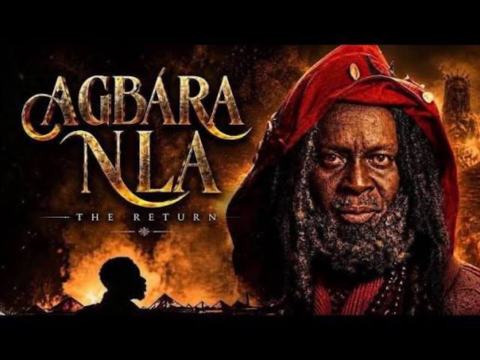
It is the story of a man who spent more than five decades moving between theatre, television, international cinema and Nollywood.
And that career matters because Jacobs belonged to a generation that helped give Nigerian acting its professional identity.
Before Nollywood became the global industry it is today, Jacobs had already built a career on the British stage and screen.
He trained at the Royal Academy of Dramatic Art (RADA) in London and worked in British theatre and television before appearing in international film productions.
Then he returned to Nigeria.
That return placed him in an industry that was still developing, and Jacobs became one of its most recognizable faces.
His voice, presence and theatre-trained delivery became part of the language of Nigerian cinema.
He played fathers, businessmen, traditional rulers, villains, authority figures and complicated men whose influence could change the direction of a story.
But acting was only one part of his contribution.
Together with his wife, veteran actress Joke Silva, Jacobs was involved in the Lufodo Group and the development of the Lufodo Academy of Performing Arts.
That matters because building an industry is different from simply working inside one.
A successful actor can leave behind films.
An institution can leave behind people.
Jacobs did both.
Also Read: Olu Jacobs Was More Than a Nollywood Actor. His Career Explains How Nigerian Cinema Grew.
His career also carried something unusual.
He was able to move between worlds without losing his Nigerian identity.
British theatre gave him formal training and international experience. Nigerian television and film gave him a much larger cultural audience.
The result was a career that connected two different traditions of performance.
His work earned him major recognition, including the Africa Movie Academy Award for Best Actor in a Leading Role in 2007, the Member of the Order of the Federal Republic (MFR) national honour in 2011, and other industry honours.
Yet perhaps the clearest measure of his career is how familiar his name became.
For several generations of Nigerians, Olu Jacobs was not simply an actor whose name appeared in credits.
He was the actor you recognized before the character even finished speaking.
That kind of familiarity is difficult to manufacture.
It comes from years of showing up, across different stories, different eras and different versions of the Nigerian film industry.
His death therefore closes one chapter in Nigerian entertainment.
But the work remains.
The films remain.
The performances remain.
And the actors who learned, directly or indirectly, from the generation he represented will continue to carry parts of that legacy forward.
Olu Jacobs spent decades playing characters who commanded attention.
In death, the attention is finally on the man behind them.
Nigeria has lost one of its most recognizable screen and stage figures.
The industry he helped shape will now have to tell the story of what came after him.
More details to follow as tributes and information from the family emerge.
If you have an article, opinion piece, event or news story you would like published, Global News Arena would love to hear from you.
Send an email to advertise@globalnewsarena.com.