A film about one of Ibadan's most powerful men went up on YouTube. Days later, his family sent lawyers.
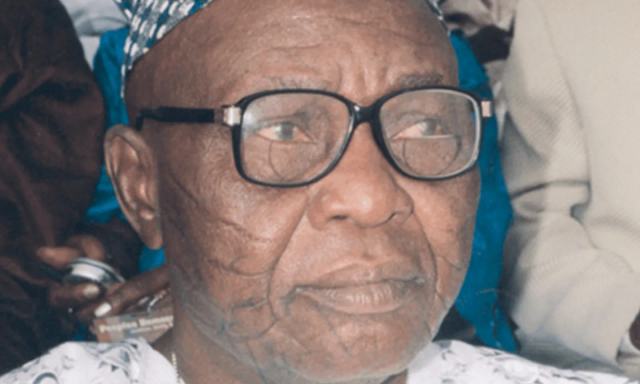
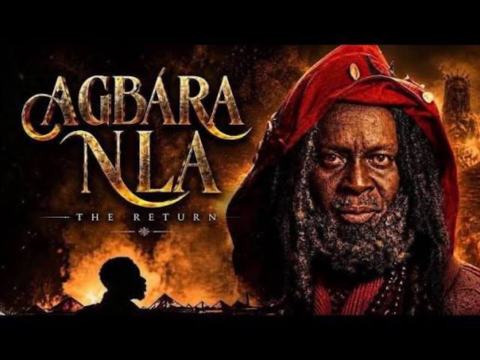
The film is Adedibu: Alagbara Ibadan. It tells the life of Lamidi Adedibu, the man they called the strongman of Ibadan politics. He died in 2008.
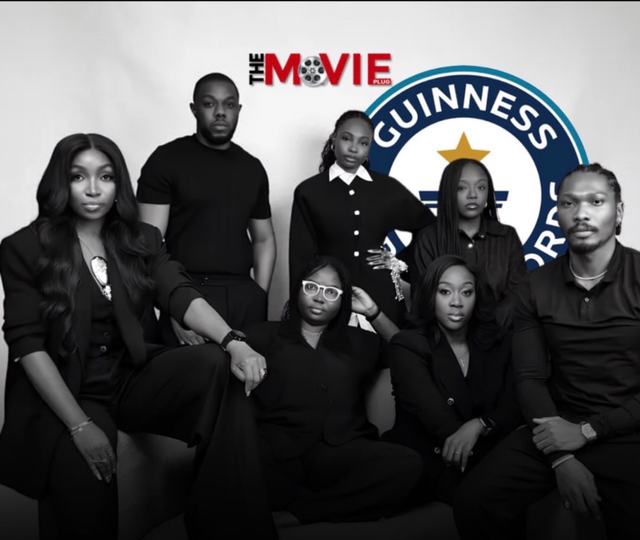
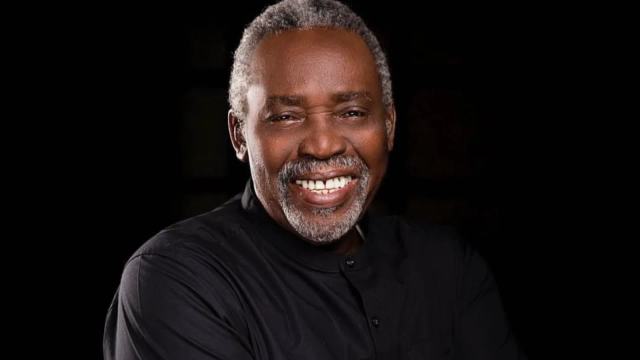
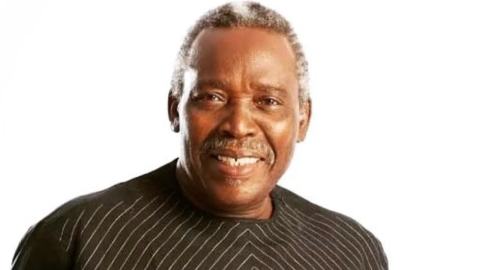
Seun Oloketuyi made it. He is the founder of the Best of Nollywood Awards. Abiodun Jimoh directed it, and veteran actor Lere Paimo plays Adedibu.
The film came out on Libra TV's YouTube channel. It was meant to premiere on Sunday, October 4.
Then the trouble started.
On October 5, lawyers for the family wrote a letter. Their first complaint was simple. Nobody asked them.
They said the film carries things about Adedibu that are not true.
Then they listed them.
The film shows him rigging elections with violence, the letter said. It shows him using what it calls amala politics to hold Ibadan people down. It calls him a puppet of doom.
The family says none of that is who he was. They say he was a grassroots man who brought people together.
They also said the film used family photos and voice recordings without asking.
Then the family named its price.
Take the film down from YouTube and every other platform. Say sorry in a three minute video on the same YouTube page, and pin it for 30 days. Print another apology in the Nigerian Tribune within seven days. Pay ₦500 million. And promise never to make anything else about him without the family's written approval.
They gave the filmmaker 48 hours.
If he refused, they said, they would report him to YouTube, take it to the police cybercrime unit, and go to the Oyo State High Court. There they would ask for ₦1 billion and an order to stop him for good.
The filmmaker did not blink.
His lawyers replied on October 7. Their answer was short. Every fact in the film was already out there.
Newspapers had printed them, they said. Books had written about them. And the family, they added, had not pointed to one single line that was false. No line, no time stamp, no proof.
They also made a legal point. Nigerian law, they said, does not usually force a filmmaker to ask a dead public figure's family before telling that person's story.
They still left one door open. Send us the exact parts you say are wrong, they said, with the time in the film and the evidence. The family has seven days.
Otherwise the filmmaker said he would fight in court. And if the film came down for a reason he calls untrue, he would ask for his lost money.
Then the government quietly stepped in.
The National Film and Video Censors Board watched the film and approved it on October 8.
The paper it gave rates the film 15. That means children under 15 should not watch it.
That approval does not answer the family's complaint. It only means the film can be shown.
There was one more twist.
Rumours went round that the makers begged for money to shoot the film. The company behind it, Ultimate Communications, said that is false.
So where does it stand? The family has not backed down. The filmmaker has not taken the film down. No court has ruled on who is right.
For now, both sides are waiting.
If you have an article, opinion piece, event or news story you would like published, Global News Arena would love to hear from you.
Send a message to Global News Arena contact to get in touch.