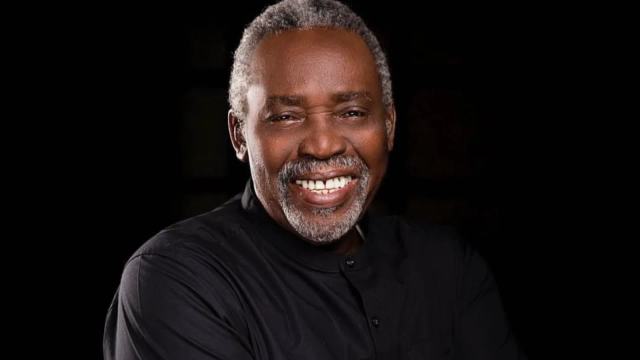
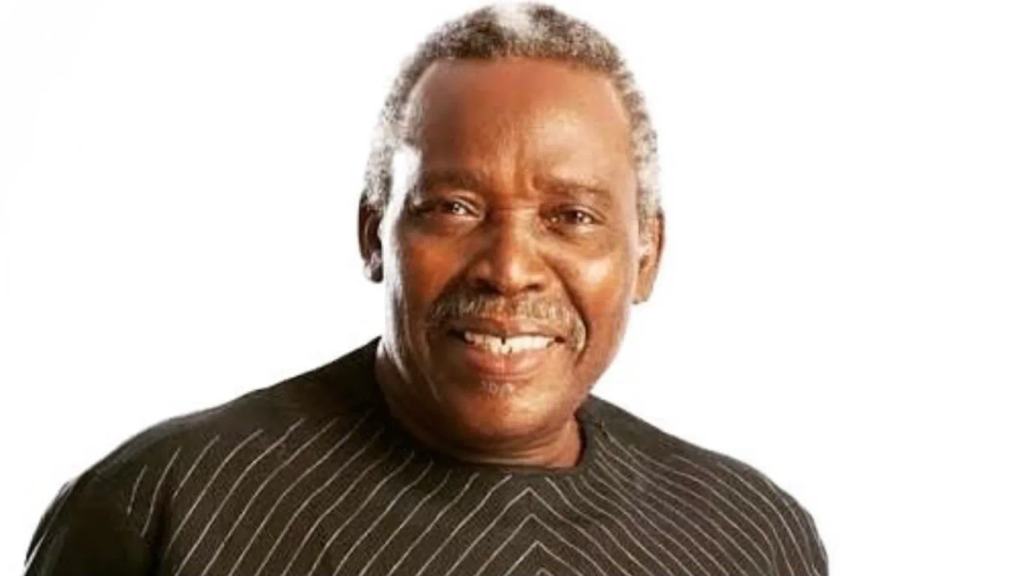
Olu Jacobs became famous through Nigerian film.
But Nigerian film was only one chapter of his story.
Born Oludotun Baiyewu Jacobs on July 11, 1942, in Kano, Nigeria, Jacobs went on to build a career that crossed theatre, British television, international cinema and Nollywood.
That journey is what makes his biography worth remembering.
Because Jacobs did not begin with Nollywood.
He began with theatre.
As a young man in Kano, Jacobs developed an interest in performance. One of the experiences that influenced him was watching the legendary Nigerian theatre practitioner Hubert Ogunde perform.
That interest eventually took him to Britain, where he trained at the Royal Academy of Dramatic Art (RADA) in London.
That training became an important foundation for the actor audiences would later know.
Jacobs worked in British theatre and television during the 1970s, appearing in productions including The Goodies, Till Death Us Do Part, The Professionals and other television and stage productions.
He also appeared on the international screen.
His film credits included The Dogs of War, Baby: Secret of the Lost Legend and Pirates.
Then he returned to Nigeria.
And that is where another chapter began.
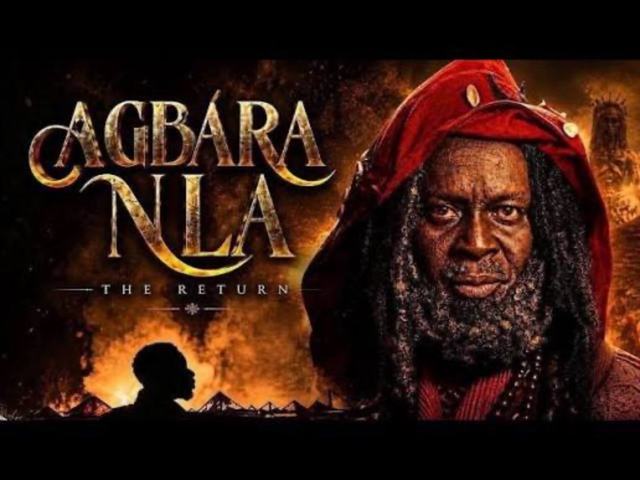
By the time Jacobs became a major presence in Nigerian entertainment, the country’s film industry was developing into what would eventually become known around the world as Nollywood.
Jacobs became one of its familiar faces.
He appeared in a large number of Nigerian films and television productions, playing characters that audiences could immediately recognize. Fathers, businessmen, traditional rulers, villains, politicians and men with authority.
But his contribution was not simply about the number of films he appeared in.
It was about what he brought with him.
Theatre training.
International experience.
Voice control.
Stage discipline.
And an understanding of how to make a character feel larger than the scene around him.
That combination became part of his identity as an actor.
There was another important part of his career that happened away from the camera.
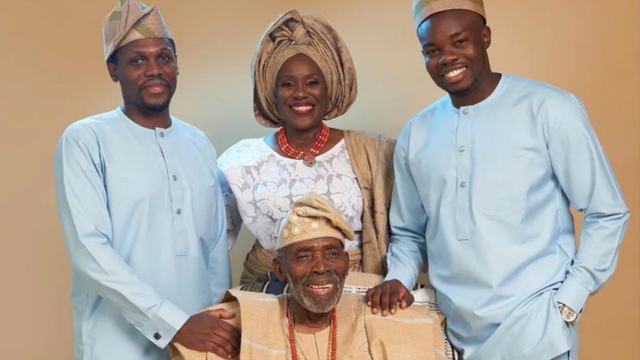
Jacobs and his wife, veteran actress Joke Silva, became involved in building creative institutions.
Together, they were associated with the Lufodo Group, which operates across areas including production, distribution, consulting and performing-arts education.
They were also involved with the Lufodo Academy of Performing Arts, creating a space where emerging performers could receive professional training.
That distinction matters.
There is a difference between having a successful career and helping create a path for people who come after you.
Jacobs’ career eventually earned him major recognition.
He won the Africa Movie Academy Award for Best Actor in a Leading Role and received the Nigerian national honour of Member of the Order of the Federal Republic (MFR) in 2011.
His work also earned him other industry and lifetime-achievement honours over the years.
But awards only tell part of the story.
Ask Nigerians who grew up watching his films and many will remember something else.
The voice.
The posture.
The authority.
The way he could enter a scene and immediately make the character feel important.
That recognition did not happen overnight.
It came from decades of work.
Jacobs’ career also tells a bigger story about Nigerian entertainment.
The industry did not suddenly become international because of streaming platforms.
Long before Netflix and global distribution changed how Nigerian films reached audiences, performers, writers, directors and producers were building the foundation.
Olu Jacobs was part of that generation.
His career connected the old world of Nigerian theatre and television with the expanding commercial film industry that became Nollywood.
He also represented something increasingly important in African entertainment: the ability to move between local and international creative spaces without abandoning the culture that produced you.
His marriage to Joke Silva became another significant part of that story.
Together, they became one of Nigeria’s best-known performing-arts couples, while also contributing to professional training and creative-industry development.
Jacobs eventually became less visible on screen in his later years.
But disappearing from the screen did not mean disappearing from the history of Nigerian entertainment.
The performances remained.
The films remained.
The students trained through institutions associated with his work remained.
And the actors who came after his generation continued to work within an industry that people like Jacobs helped build.
That is why the name "Olu Jacobs" is simply not just a list of movies but a life that tells the story of an actor who kept moving.
From stage to screen.
From Britain back to Nigeria.
From performing to building.
And from building a career to helping create space for the next generation.
Also Read: Who Is Olu Jacobs?
That may ultimately be the more important part of his story.
Not simply that Olu Jacobs was a famous actor.
But that his career became part of the infrastructure on which Nigerian entertainment continued to grow.
If you have an article, opinion piece, event or news story you would like published, Global News Arena would love to hear from you.
Send an email to advertise@globalnewsarena.com.