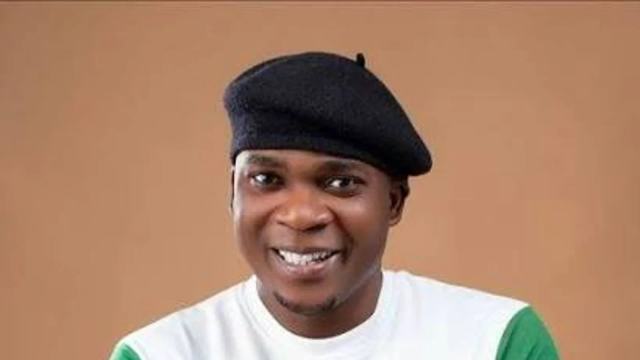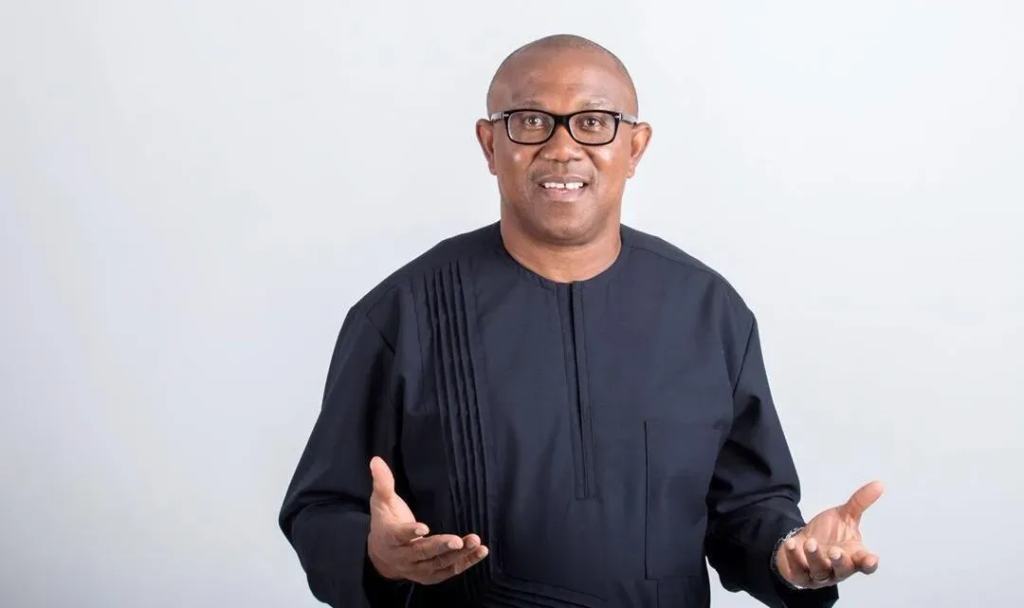
Peter Obi has become one of the most recognisable figures in Nigerian politics. From his years as a businessman to his tenure as governor of Anambra State and his emergence as a major political force during the 2023 presidential election, Obi's career offers an interesting window into how Nigeria's political landscape has changed.
For many Nigerians, particularly younger voters, he represents the possibility of a different style of politics. For his critics, however, questions remain about his record in government, his political alliances and whether the expectations surrounding him match the realities of governing Nigeria.
So, who exactly is Peter Obi, and why has he become such an important figure in the country's political conversation?
Early Life and Education
Peter Gregory Obi was born on 19 July 1961 in Onitsha, Anambra State.
He attended Christ the King College in Onitsha and later studied Philosophy at the University of Nigeria, Nsukka, graduating in 1984.
Before entering politics, Obi spent many years in the private sector. He worked in business and banking and held positions in a number of companies and financial institutions. His background in business and finance would later become central to the way he presented himself as a politician.
Rather than portraying himself primarily as a career politician, Obi frequently emphasised his experience managing businesses and finances as evidence that he understood the importance of accountability, planning and efficient resource management.
Becoming Governor of Anambra State
Obi entered electoral politics in the early 2000s and contested the 2003 Anambra State governorship election under the All Progressives Grand Alliance, commonly known as APGA.
Although Chris Ngige was initially declared the winner, Obi challenged the result through the courts. After a prolonged legal battle, he eventually became governor.
His time in office was interrupted in 2006 when he was impeached by the Anambra State House of Assembly. He later returned to office following a court ruling and subsequently secured another term.
Obi remained governor until 2014.
His administration became particularly associated with financial management, education, infrastructure and savings. Supporters have consistently pointed to his government's efforts to manage public finances more conservatively and invest in projects they argue would benefit the state over the long term.
His record as governor, however, has also been the subject of political debate. As with most political records, assessments of his administration differ depending on the evidence examined and the perspective of those evaluating it.
From APGA to the PDP
After leaving the Anambra governorship, Obi continued his political career at the national level.
He eventually joined the Peoples Democratic Party (PDP) and became the running mate to Atiku Abubakar in the 2019 presidential election.
The Atiku-Obi ticket lost to Muhammadu Buhari and Yemi Osinbajo of the All Progressives Congress.
Obi's political trajectory changed significantly in 2022 when he left the PDP and joined the Labour Party.
He was subsequently chosen as the party's presidential candidate for the 2023 election, with Yusuf Datti Baba-Ahmed as his running mate.
That campaign would fundamentally change his place in Nigerian politics.
The 2023 Election and the Rise of the "Obidient" Movement
Before 2023, Peter Obi was known nationally as a former governor and former vice-presidential candidate. The 2023 election, however, turned him into a major political phenomenon.
His campaign attracted considerable support from young Nigerians, professionals, first-time voters and Nigerians living in major cities and abroad.
Supporters began identifying themselves as "Obidients."
The movement was driven heavily by social media and grassroots organising. Supporters promoted Obi's message of accountable government, reduced waste, investment in human capital and a shift from what he described as a consumption-oriented economy toward a more productive one.
The movement also demonstrated something significant about Nigerian politics: political mobilisation was increasingly taking place outside traditional party structures.
Social media platforms became important spaces for political education, campaigning, debate and mobilisation.
What Happened in the 2023 Presidential Election?
The 2023 presidential election was principally a three-way contest involving Bola Ahmed Tinubu of the APC, Atiku Abubakar of the PDP and Peter Obi of the Labour Party.
The Independent National Electoral Commission declared Bola Tinubu the winner.
Obi finished third in the official national result, behind Tinubu and Atiku. He subsequently challenged the election result in court.
The legal challenge was unsuccessful. The Presidential Election Petition Court rejected the petitions, and subsequent appeals did not overturn the election result.
This distinction is important when discussing the 2023 election: Peter Obi and his supporters disputed the conduct and outcome of the election, but Nigeria's courts ultimately upheld Tinubu's victory.
What Does Peter Obi Stand For?
A major part of Obi's political identity has been his emphasis on production, investment and human development.
He has repeatedly argued that Nigeria needs to move away from excessive government consumption and focus more on investing in areas that can expand the productive capacity of the economy.
Education, healthcare, security, infrastructure, agriculture and support for businesses have featured prominently in his political messaging.
His supporters believe his experience in business and his approach to public finances make him better suited to improving government efficiency.
Critics, meanwhile, argue that managing a state and running a private business are very different from managing a complex federal system such as Nigeria. They have also questioned aspects of his record and some of the economic assumptions behind his proposals.
These disagreements are part of the wider debate surrounding his political career.
Why Young Nigerians Connected With Him
Perhaps the most interesting aspect of Obi's political rise is the demographic energy behind his movement.
Many young Nigerians who supported him in 2023 were not necessarily traditional Labour Party supporters. Some were first-time voters or people who had previously shown little interest in party politics.
For them, Obi became associated with a desire to challenge the established political order.
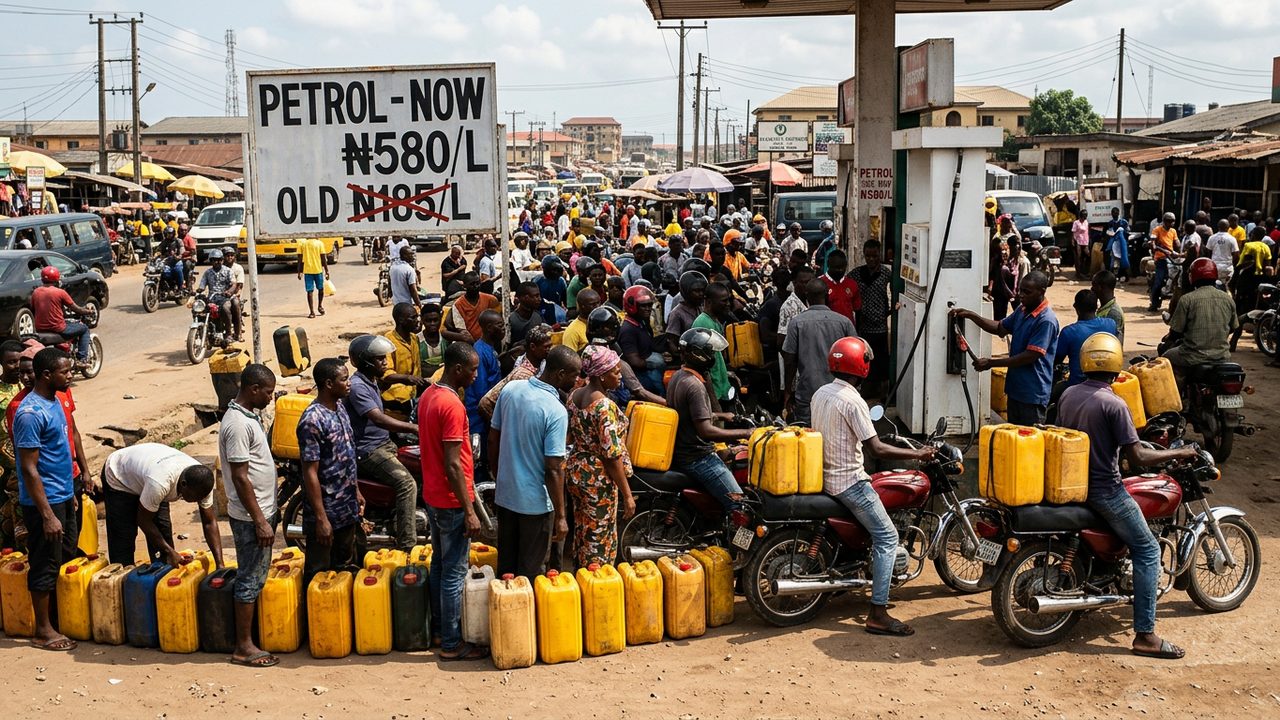
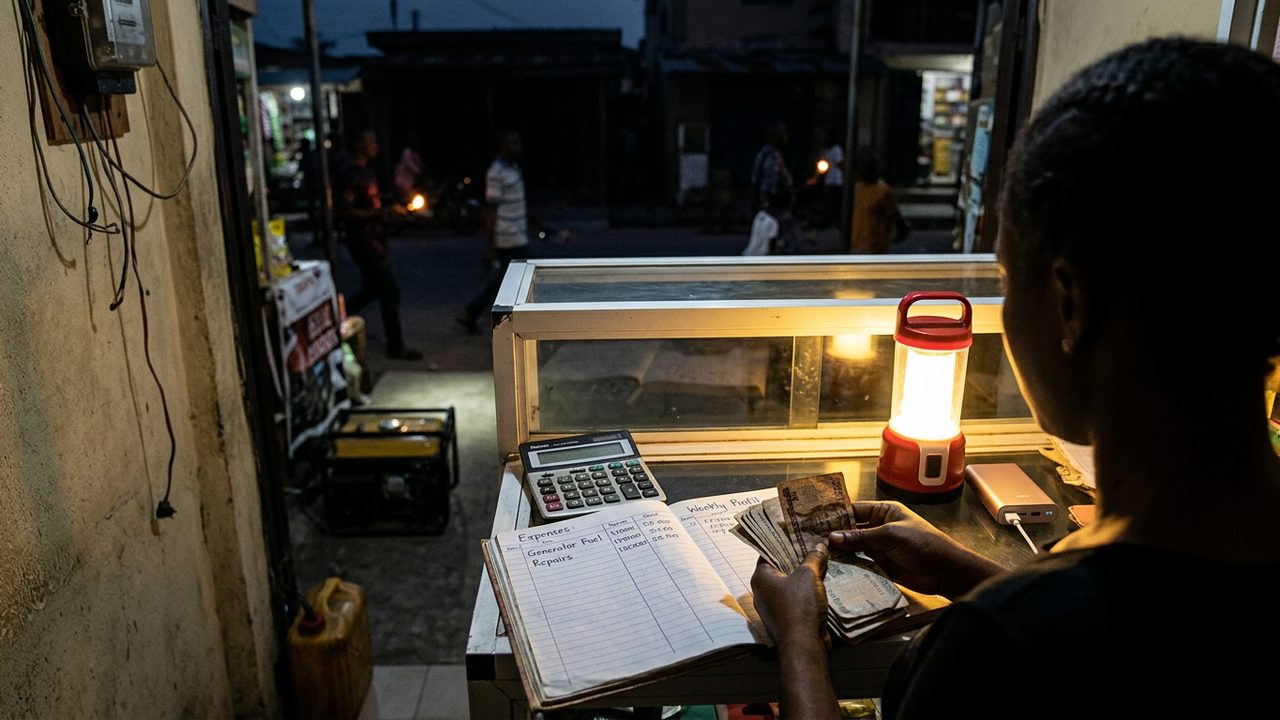
The movement was about more than one candidate. It reflected broader frustrations over unemployment, insecurity, inflation, corruption, poor public services and the perception that Nigeria's political system was not delivering enough for its citizens.
However, the movement also became highly polarised. Critics accused some of Obi's supporters of treating him as beyond criticism, while supporters argued that attacks against the movement often failed to address the legitimate concerns that brought millions of people into politics.
Peter Obi Beyond the 2023 Election
Obi's political relevance did not end when the 2023 election concluded.
He has continued to speak publicly on national issues and remains an influential opposition figure.
As Nigeria looks toward the 2027 presidential election, questions surrounding Obi's political future, party affiliation, alliances and ability to build a broad national political structure have become increasingly important.
His political journey has also highlighted one of the challenges facing movements built around individual personalities: transforming popular enthusiasm into a sustainable political organisation.
Winning a presidential election in Nigeria requires more than online popularity. It requires a national structure, candidates at different levels, strong organisation, election-day mobilisation and the ability to build coalitions across Nigeria's diverse regions and interests.
Peter Obi's Place in Nigerian Politics
Whether one supports Peter Obi or disagrees with his politics, his impact on Nigeria's political conversation is difficult to ignore.
His rise challenged the assumption that Nigeria's presidential politics would always be dominated by the two largest established parties. His 2023 campaign also demonstrated the ability of young voters and digitally organised communities to influence political discourse on a national scale.
At the same time, Obi should be understood as a politician rather than simply as the symbol some of his supporters have made him.
His record should be examined critically, his policies should be tested against evidence, and claims made both for and against him should be independently verified.
That is ultimately the most useful way for voters to engage with any political figure.
The Bigger Picture
Peter Obi's story is, in many ways, larger than Peter Obi himself.
It is a story about the changing nature of Nigerian politics, the growing political influence of young people, the power of social media and the desire among many citizens for a different approach to governance.
Whether Obi eventually wins the presidency or not, the political movement that emerged around his 2023 campaign has already left a mark on Nigeria's political landscape.
The bigger question now is whether that movement can evolve from a powerful expression of voter dissatisfaction into a durable political force capable of building institutions, winning elections and, most importantly, delivering effective governance.