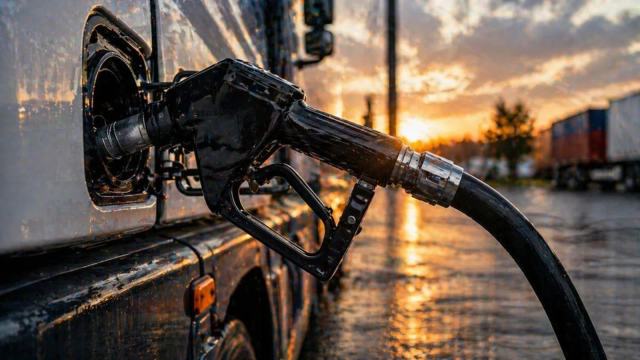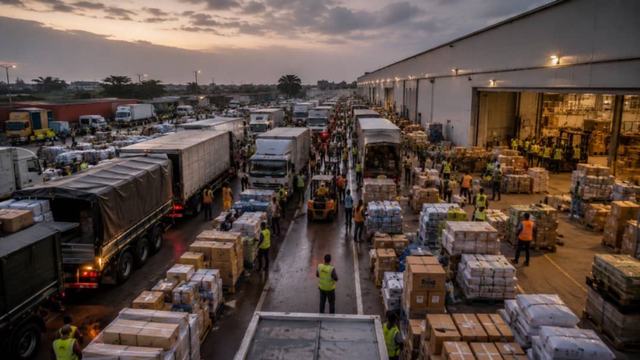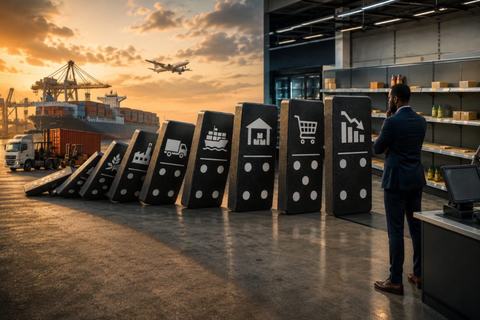
When the price of fuel goes up, every business feels it. But they do not all feel it the same way.
A big company can swallow a rise. A small one usually cannot.
Here is why.
The first reason is margin.
A big business often works on thin margins too, but it has volume. It makes a little on each sale, and it makes a lot on millions of sales. A small business makes a little on a few sales, so the same rise eats a bigger share of its profit.
The second reason is buying power.
Big companies buy in bulk. They sign contracts months ahead and lock in a price. A small shop buys as it needs, at whatever the price is that day.
So when the market jumps, the small business pays the new price at once. The big one keeps paying the old price for a while.
The third reason is credit.
Big businesses borrow cheaply and pay suppliers later. Many small businesses pay as they go, sometimes in cash. When costs rise, there is no cushion to lean on.
The fourth reason is simple. A small business cannot easily raise its prices.
If a big brand adds a little to its price, customers barely notice. If the small shop down the road does the same, customers notice at once. They can walk away. So the small owner often absorbs the cost instead.
That is the squeeze. Costs go up fast. Prices cannot.
And it gets worse the longer it lasts. Rising costs eat savings first. Then they eat stock. Then they eat the owner's own pay, and the business quietly gets weaker.
So what can a small business actually do?
It cannot control the fuel price. Nobody can. But every business has costs it can control, and those are the ones worth looking at first.
Start with the work that repeats itself every day. The same customer questions answered again. The same follow-ups sent late. The same details typed into two places. The same reminders chased by hand.
That work costs money. It does not look like a big cost, because it comes in small pieces. But added up over a month, it can be bigger than the bill the owner is angry about.
Then look at what you can trim without hurting the customer. Not quality. Not service. Only the busywork.
A business that fixes this is not just saving money. It is preparing. When the next price rise comes, it has room to breathe.
That is the difference between a business that survives a hard season and one that does not. Not luck. Preparation.
Platforms like Auxi Sherpa help businesses take the repetitive work off the owner's desk, so less money goes into tasks a system can handle and more stays in the business when costs rise.
If you have an article, opinion piece, event or news story you would like published, Global News Arena would love to hear from you.
Send a message to Global News Arena contact to get in touch.