The Gaza ceasefire collapse warning from the US-backed Board of Peace has raised fresh concerns about the future of the agreement between Israel and Hamas, as the organisation says continued delays could undermine efforts to restore stability in the Palestinian territory.
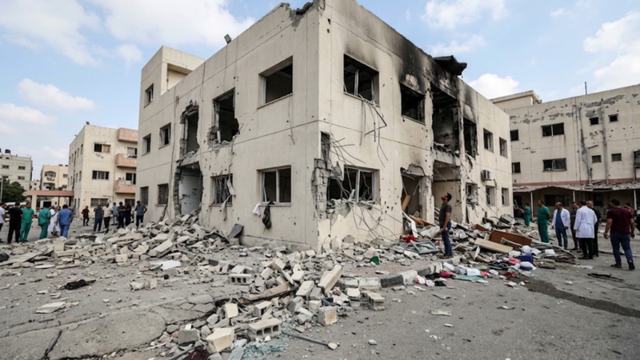
READ: Six Die as Israeli Strike Hits Gaza Hospital
In its first annual report submitted to the United Nations Security Council on Tuesday, November 17, the board said the gap between the commitments made under the 2025 ceasefire agreement and conditions on the ground remained the biggest threat to the peace process.
Read: Do you need a professional writer in 72 hours? Contact Auxi Chat
The report called on both Israel and Hamas to fulfil their obligations, warning that the ceasefire could not survive indefinitely without visible progress.
READ: Lawmakers Absent as NSCDC Team Arrives for Mining Probe Hearing
The development was reported by Al Jazeera, which reviewed the board's assessment of the situation.
Why the Board of Peace Warns of Gaza Ceasefire Collapse
Read: Need a professional website in 72 hours? Contact Auxi Chat
The Board of Peace said continued fighting and delays in implementing agreed measures have weakened confidence in the ceasefire.
The agreement, which formally began on October 10, 2025, was intended to create a framework for ending hostilities, arranging transitional governance and supporting Gaza's reconstruction.
However, the board said both Israel and Hamas had fallen short of their commitments.
It specifically identified continued Israeli military strikes and Hamas military activity as factors preventing the full implementation of the agreement.
The report also warned that a ceasefire that produces no visible improvement in people's lives cannot be maintained indefinitely.
It urged the United Nations Security Council to use its influence to encourage both parties to fulfil their responsibilities.
Humanitarian Conditions Add Pressure to Gaza Ceasefire
The report also raised concerns about the humanitarian situation in Gaza as winter approaches.
According to the Board of Peace, restrictions on the entry of supplies and equipment, alongside funding shortages, have affected preparations and emergency response efforts.
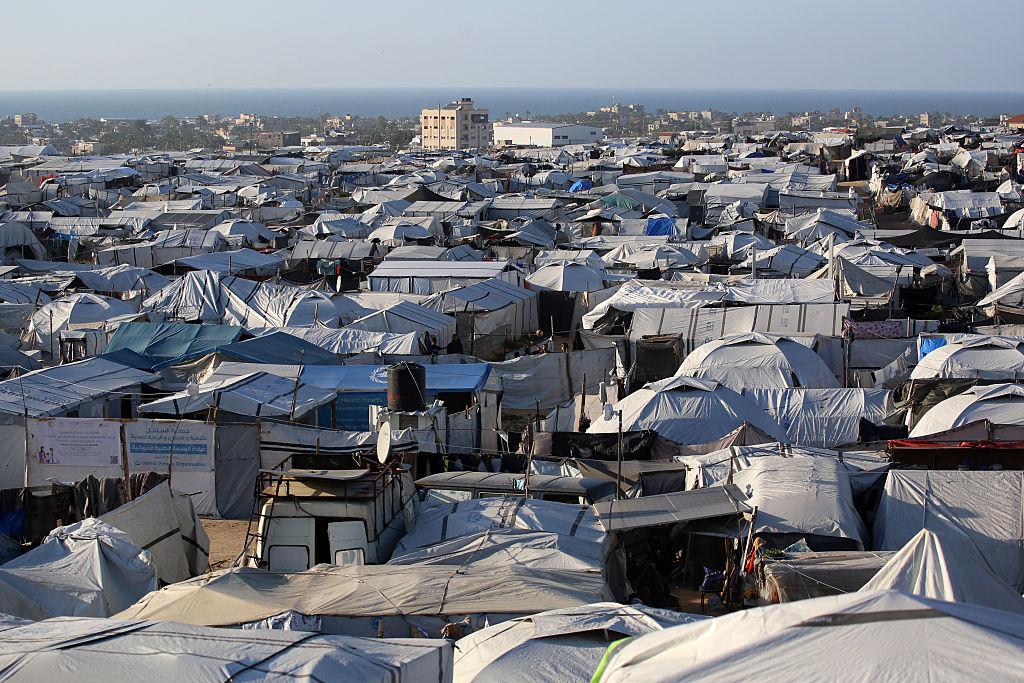
The organisation called for increased access to shelter materials and equipment needed to prepare for winter conditions.
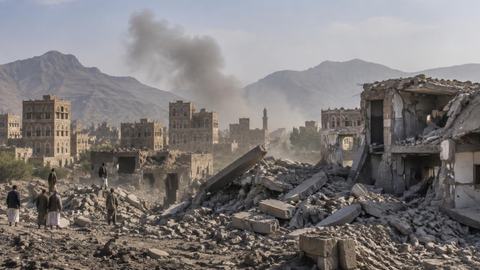
It warned that many Palestinians could face another difficult winter in temporary shelters and damaged buildings.
The report specifically highlighted the need for supplies such as pumps, generators and heavy machinery to support humanitarian operations.
These challenges have added pressure to the ceasefire agreement, as rebuilding efforts depend on reliable access to essential materials and equipment.
Delays in Gaza's Interim Administration
Another major obstacle identified in the report is the failure to establish the interim civil administration intended to manage Gaza during the transition period.
The Board of Peace said Israel had not approved the necessary arrangements for the technocratic administration to begin its work in the territory.
It also said decisions concerning the training, deployment and return of civilian police remained outstanding.
According to the report, these delays have affected plans to deploy an international stabilisation force.
The proposed force is considered an important part of the wider agreement because its deployment is linked to Israeli troop withdrawal, Hamas disarmament and large-scale reconstruction.
The board urged the Israeli government to approve the necessary arrangements without further delay.
Board of Peace Calls on UN to Push Both Sides
The Board of Peace appealed to the Security Council to support the implementation of the agreement and put pressure on both parties to meet their obligations.
It argued that neither Israel nor Hamas should use delays by the other side as an excuse for failing to fulfil its own commitments.
The report also stressed that the eventual outcome must provide a credible path towards Palestinian self-determination and statehood.
The appeal places renewed responsibility on the international community to help prevent the ceasefire from breaking down.
READ: US 90-Day Recruitment Rule Could Tighten Foreign Worker Sponsorship
However, the board's warning does not mean the agreement has formally ended. It is an assessment of the risks facing the current arrangement.
What Happens Next for the Gaza Ceasefire?
The future of the ceasefire will depend on whether Israel and Hamas take practical steps to implement the outstanding parts of the agreement.
These include progress on transitional administration, security arrangements, humanitarian access, Israeli withdrawal and reconstruction.
The Security Council will also face pressure to determine how it can support the implementation process.
For Palestinians in Gaza, the immediate concern remains access to shelter, essential supplies and more stable living conditions after years of conflict.
Global News Arena previously reported on the continuing humanitarian challenges in the territory in its coverage of the Israeli strike on Nasser Hospital in Gaza.
The Board of Peace has made clear that continued delays could put the entire arrangement at risk. Whether the warning leads to meaningful action will be an important test for the international effort to secure a lasting ceasefire.
Are you interested in learning how to write professionally and earn money as a writer and content creator? Contact us today to start your writing journey immediately.
Need a professional website in 72 hours? Contact us
Do you need a professional writer in 72 hours? Contact us
If you have an article, guest story, event or news tip you would like published, Global News Arena would love to hear from you.