have always been fascinated by how quickly people can turn an assumption into somebody else's identity.
Someone dresses differently, speaks differently, behaves in a way we are not accustomed to, and before long, people begin filling in the blanks for them. A photograph becomes a theory. A theory becomes a rumour. The rumour gets repeated so many times that, eventually, people who have never met the person begin believing they know the truth about them.
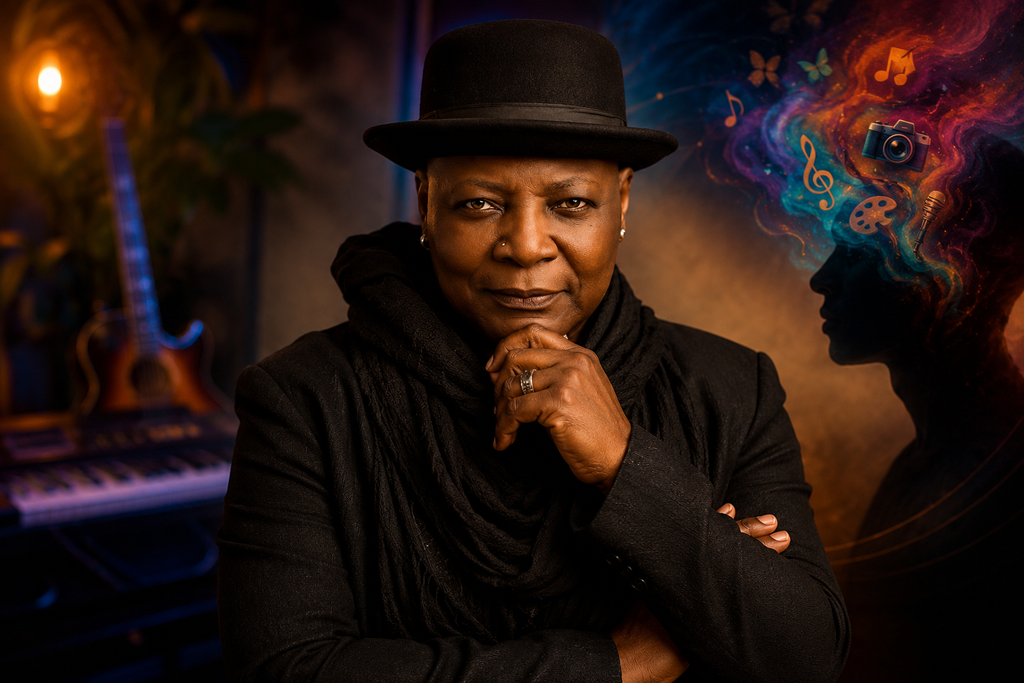
That is what came to my mind when I saw Charly Boy addressing the years of speculation surrounding his sexuality.
For someone who has spent decades deliberately refusing to fit neatly into conventional boxes, Charly Boy's experience does not completely surprise me. What surprises me is how long a public assumption can survive, even when the person at the centre of it has repeatedly explained himself.
Charly Boy, whose real name is Charles Chukwuemeka Oputa, has faced speculation about his sexuality for years. His unconventional appearance, his feminine alter egos, his outspoken personality and his willingness to challenge social expectations have all contributed to the conversations surrounding him.
But Charly Boy has consistently rejected the claim that he is gay.
In addressing the issue, he has made the point that if he were gay, he would have no reason to hide it and would be the first person to say so publicly. He has also previously explained that he has a feminine side and spoken about his alter ego, Linda, while making it clear that those aspects of his personality should not automatically be interpreted as evidence of his sexual orientation.
And honestly, that distinction is important to me.
Because somewhere along the line, we have become far too comfortable interpreting other people's lives for them.
We see a photograph and decide what it means. We watch a short video and convince ourselves that we understand somebody's personality. We see a man behaving differently from what society expects and immediately begin searching for a label to explain him.
But a person's appearance is not a biography.
A person's clothing is not a confession.
A character they create is not necessarily a reflection of their private life.
And being comfortable expressing a side of yourself that society considers unconventional does not automatically give strangers the right to define who you are.
This is what makes Charly Boy's story more interesting to me than the rumour itself.
For decades, he has been one of those Nigerian entertainers who seemed almost determined to make people uncomfortable with their expectations. He experimented with his appearance, created different characters, challenged social conventions and spoke about issues that many people would rather avoid.
He was not trying to become everybody's idea of normal.
And perhaps that is precisely why he remained memorable.
That thought made me pause because we often tell people that they should be themselves, but we don't always tell them what happens when they actually do it.
Being yourself sounds wonderful until being yourself makes other people uncomfortable.
Being different sounds inspiring until somebody starts laughing.
Standing out sounds like good business advice until your first few videos receive almost no views.
Building a personal brand sounds exciting until people you know begin asking why you are suddenly putting yourself online.
That is the part of Charly Boy's story that I think aspiring creators and entrepreneurs should pay attention to.
How many of us are hiding something valuable because we are afraid of what people will say?
Maybe you have been thinking about starting a YouTube channel but you are worried your friends will laugh at you.
Maybe you want to create TikTok videos but keep telling yourself that you are not interesting enough.
Maybe you have been thinking about writing an ebook, creating an online course, selling digital products or offering your skills as a freelancer, but you are already imagining the criticism before you have even started.
Maybe you have a creative talent that you have never explored because you are waiting to feel completely confident.
I understand that fear because there is something very vulnerable about putting your work in front of other people.
The moment you publish something, you lose control over how people interpret it.
Someone may love it.
Someone may ignore it.
Someone may misunderstand it.
Someone may criticise it.
And someone may decide they know everything about you because of one thing you posted.
But that is also the strange beauty of the internet.
For the first time, ordinary people can build audiences without waiting for traditional gatekeepers to give them permission.
You don't necessarily need a television programme.
You don't need a major publishing company.
You don't need a huge office.
You don't even need expensive equipment to begin.
Your smartphone can be your camera, recording device, editing studio, publishing platform and, increasingly, the foundation of a small digital business.
And that is where I think Charly Boy's story becomes much bigger than celebrity gossip.
It makes me think about the value of individuality.
There are millions of people creating content every day. Millions of videos are uploaded. People are writing blogs, making podcasts, designing graphics, creating music, selling digital products and launching online businesses.
So how do you make someone stop scrolling?
Sometimes it is expertise.
Sometimes it is humour.
Sometimes it is storytelling.
Sometimes it is personality.
And sometimes it is simply the unusual way you look at something ordinary.
Charly Boy understood the power of individuality long before "personal branding" became one of the biggest buzzwords in the digital economy.
For anyone trying to build an online business today, that is a lesson worth remembering.
You don't have to become a copy of somebody who is already successful.
You don't have to imitate the person with one million followers.
You don't have to reproduce somebody else's business model exactly.
Instead, you can ask yourself a much more useful question: What do I know, create or understand that could genuinely help somebody else?
That question can take you in many directions.
If you are good at writing, you can explore freelance writing or turn your knowledge into digital guides.
If you understand a particular subject, you can create educational content around it.
If you are good at design, you can create templates and other digital resources.
If you enjoy speaking, you can build a video or podcast audience.
If you love music, you can explore songwriting, beat-making and music creation.
And if you build an audience around something you genuinely understand, there are legitimate opportunities to explore digital products, services, affiliate marketing and other forms of online income.
But there is something important here: attention is not the same thing as value.
The internet makes it incredibly easy to chase attention.
A controversial post can attract thousands of comments.
A provocative video can go viral.
A celebrity rumour can spread across social media within hours.
But what happens after the attention disappears?
That is the question I think creators should be asking.
If one of your videos gets 100,000 views, what happens next?
Do those people remember you?
Do they follow you?
Do they trust you?
Do they visit your website?
Do they read your other work?
Do they eventually buy something useful from you?
Can you turn that attention into an audience?
Can you turn that audience into a community?
Can you eventually build a legitimate business around the value you provide?
Those questions are much more important to me than simply asking how to go viral.
Because going viral can happen by accident.
Building something sustainable requires intention.
And this is where the idea of owning your creativity becomes particularly powerful.
Owning your creativity does not mean everybody has to understand you.
It does not mean everybody has to like you.
It does not mean you should deliberately become controversial just to attract attention.
It means you stop allowing the fear of being misunderstood to prevent you from creating.
That is something I believe aspiring entrepreneurs need to hear.
Because the moment you decide to build something online, opinions will come with it.
Someone may tell you that your idea is unrealistic.
Someone may question your price.
Someone may laugh at your first video.
Someone may ignore your first product.
Someone may compare you with someone who has been doing the same thing for ten years.
And if you allow every opinion to determine your next move, you may never move far enough to discover what you are capable of doing.
Charly Boy's experience reminds me of something very simple: we cannot completely control what people say about us.
What we can control is what we consistently put into the world.
That distinction matters.
If you spend your entire life responding to every rumour, criticism and misunderstanding, you may eventually have no energy left to create anything.
There will always be somebody who doesn't understand you.
There will always be somebody who doesn't like what you create.
There will always be somebody who thinks your idea will fail.
There will always be somebody who believes you should be doing something else.
But criticism does not automatically mean you are on the wrong path.
Sometimes it simply means people can see you.
And if you learn how to handle visibility properly, attention can become an opportunity.
This is particularly interesting when it comes to creativity.
Think about music, for example.
You can listen to a trending Afrobeats song, enjoy it, share it and move on.
But what if instead of only consuming music, you started asking yourself, "What could I create?"
Perhaps you don't own a recording studio.
Perhaps you don't know how to produce a professional beat.
Perhaps you have never written a song before.
That doesn't mean you cannot begin learning.
Today, digital tools are making it easier for beginners to experiment with creative work using devices they already own. The Music Creation service on Auxi Sherpa, for example, can give someone interested in music a starting point for experimenting with songs, lyrics and beats from a smartphone.
That doesn't mean a tool will magically make someone the next Davido, and I would never want to suggest that.
There are no shortcuts to developing genuine creative ability.
But technology can reduce the barrier to getting started.
Your first goal doesn't have to be creating a global hit.
Your first goal could simply be creating your first song.
Then your second.
Then your third.
You can share the process online.
You can learn what your audience responds to.
You can experiment with different sounds.
You can improve your songwriting.
You can create content around your journey.
And perhaps, over time, you may discover that your creativity has become more than a hobby.
It could become a skill.
That skill could become content.
That content could become an audience.
And an audience, when built around genuine value, can eventually create opportunities for income.
The same principle applies to almost every digital skill.
You can start with one article.
One video.
One service.
One digital product.
One tutorial.
One useful recommendation.
One idea.
Then you learn.
Then you improve.
Then you try again.
I think this is something we often forget when looking at successful people.
We see the polished version.
We see the celebrity.
We see the successful business.
We see the viral video.
We see the finished product.
What we don't always see are the awkward beginnings.
We don't see the videos nobody watched.
We don't see the songs that never became hits.
We don't see the business ideas that failed.
We don't see the rejected proposals.
We don't see the years of experimentation that eventually produced something people recognised.
That is why I don't think we should look at Charly Boy's career and conclude that simply being different guarantees success.
It doesn't.
Being different can give you distinction.
But you still have to develop your skills.
You still have to create value.
You still have to understand your audience.
You still have to learn how to communicate.
And if you want to make money online, you eventually have to understand the business side of creativity.
That is where the conversation becomes particularly important.
We are living in a time when attention can become an economic asset, but attention without a strategy can disappear as quickly as it arrives.
A creator who understands this doesn't simply ask, "How do I become viral?"
They ask, "What can I build from the attention I receive?"
Can I create a useful digital product?
Can I offer a service?
Can I build an email list?
Can I develop a community?
Can I recommend products I genuinely believe will help my audience?
Can I turn my skills into freelance work?
Can I create original music and build a brand around it?
These are the questions that move a person from simply being a content creator to thinking like a digital entrepreneur.
And perhaps that is why the Charly Boy story stayed with me.
The headlines may focus on the rumours, but I find myself thinking about something much deeper.
Identity.
Perception.
Creativity.
Courage.
And the freedom that comes from refusing to allow other people's assumptions to become the boundaries of your life.
There is a difference between listening to constructive criticism and allowing public opinion to control you.
There is a difference between learning from feedback and becoming paralysed by criticism.
There is a difference between building a personal brand and pretending to be someone you are not simply because you think that version of yourself will get more attention.
I believe the healthier approach is to know yourself, understand what you have to offer and remain willing to improve.
You don't have to be perfect.
You simply have to be willing to start.
So, if you are sitting on an idea because you are afraid of what people will say, perhaps this is the moment to reconsider.
If you want to write, write.
If you want to make music, experiment.
If you want to create videos, start filming.
If you want to teach, start sharing what you know.
If you want to create a digital product, identify a problem and find a useful solution.
If you have a skill businesses need, explore freelancing.
If you have built an audience around something you genuinely understand, learn how ethical affiliate marketing works.
You don't need to become Charly Boy.
You don't need to become the next internet celebrity.
You simply need to become more willing to discover what you are capable of creating.
Your first video may receive five views.
Your first song may not sound the way you imagined.
Your first digital product may not sell.
Your first client may reject your proposal.
Your first business idea may fail.
None of those things have to be the end.
They can simply become part of your education.
Because sometimes the difference between the person who says, "I wish I could do that," and the person who eventually does it is not talent.
It is the decision to begin.
And that, more than anything, is what I take away from Charly Boy's story.
It may have started with years of speculation about his sexuality, but for me, it ends somewhere much more useful.
It is about the courage to define yourself.
It is about understanding that public perception is not always reality.
It is about refusing to let strangers write your entire story.
And it is about creativity.
Because when you truly own your creativity, you stop waiting for everybody's permission to use it.
You start creating.
You start learning.
You start publishing.
You start discovering what works.
And eventually, you may discover that the very thing you were once afraid to share is the thing that helps you build an audience, a career or even a business.
In a world where millions of people are competing for attention, perhaps your greatest advantage isn't trying to become like everybody else.
Perhaps it is becoming comfortable enough with your own voice that people can recognise your work when they see it.
So instead of constantly asking, "What will people say?", maybe there is another question worth asking:
"What can I create?"
For me, that is the question worth carrying away from this entire conversation.
And if you have an article, opinion piece or news story you'd like published on Global News Arena, or you're ready to begin your journey toward building a profitable digital business from your phone, I'd love to hear from you. Send me an email
Read more at Global News Arena