Dimeji Ilori Fashion and the Meaning of Wearable Art
READ: Abiola Olusola fashion Brings Modern Femininity and Yoruba Heritage Together Through Fashion
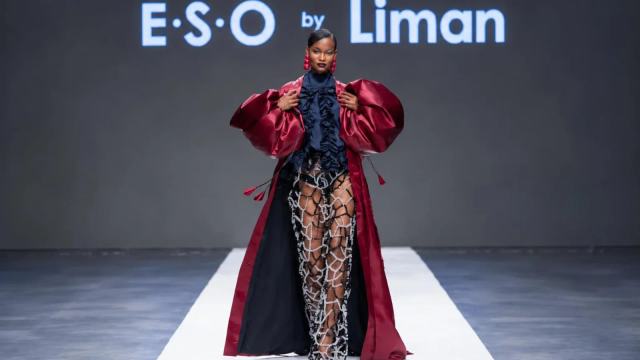
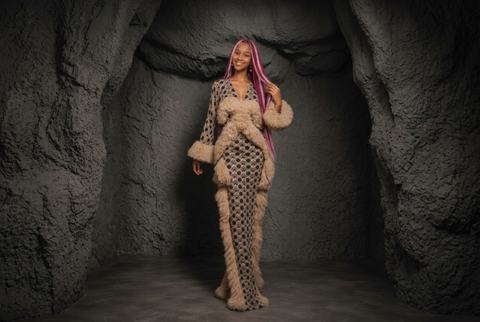
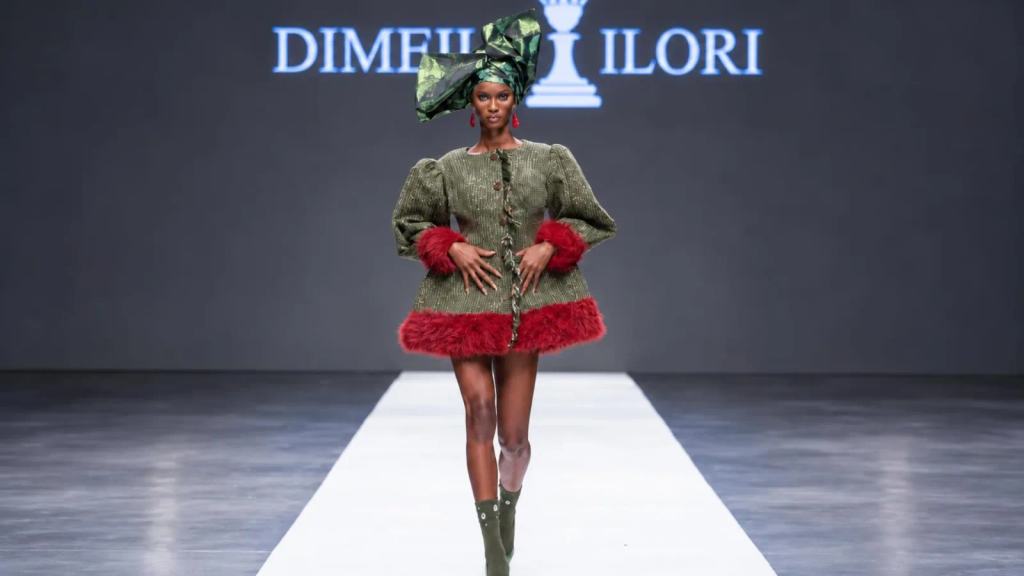
Dimeji Ilori fashion is built around the idea that clothing can communicate stories as well as style. Rather than treating a garment as an object concerned only with appearance, the designer approaches fashion as a means of exploring African heritage, cultural memory and contemporary identity. Textiles, traditional craftsmanship and modern silhouettes become elements in a wider conversation about how the past can inform the way people dress today.
This approach is significant within an African fashion industry that continues to develop through the work of designers with distinct creative philosophies. Some focus on traditional craft, others explore modern luxury or experimental construction, while some combine heritage references with contemporary forms. Dimeji Ilori's emphasis on wearable art brings these concerns together through garments that aim to communicate meaning as well as visual appeal.
READ: Irapada fashion Explores Nigerian Fashion Through Creative Reuse
The concept of wearable art challenges the assumption that clothing must be understood only through trends, seasons or commercial categories. A garment can also carry references to a place, a material tradition, a personal experience or a cultural practice. Its value may lie partly in how it encourages the wearer and the observer to think about the stories embedded in what people wear.
For Dimeji Ilori, the connection between clothing and storytelling provides a framework for exploring African heritage in a contemporary setting. The result is a design philosophy in which craftsmanship and cultural references are central to the identity of the work.
The Designer Behind the Label
Dimeji Ilori is a Nigerian fashion designer whose background includes studying Physics at the University of Ilorin before moving into fashion. His journey demonstrates that a creative career does not always follow a conventional route through formal fashion education. Technical thinking, personal interests and exposure to different experiences can all influence how a designer approaches materials and construction.
Ilori grew up in Ilorin, Kwara State, an environment that brought him into contact with different cultural settings and ways of life. His creative perspective draws on the relationship between African heritage and modern living, with particular interest in traditional craftsmanship, cultural objects and the histories associated with materials.
His approach also reflects a broader question facing contemporary African designers: how can cultural heritage be represented without reducing it to decoration? For Ilori, clothing becomes a way to make cultural references part of a contemporary design language. The garment is not simply intended to display a motif or textile. It can also provide a context for considering the people, techniques and histories connected to its materials.
The development of an independent fashion label requires creative direction as well as practical decisions about sourcing, production and presentation. Ilori's interest in craftsmanship and material reuse places these questions within the broader discussion of how designers can combine artistic ambition with more conscious production methods.
African Heritage Through Contemporary Design
Heritage can be expressed in fashion in many ways. It may appear through the use of handwoven textiles, traditional garment forms, artisanal techniques or references to cultural objects and practices. Designers can preserve familiar techniques, reinterpret them through new silhouettes or combine them with contemporary construction.
The challenge is to ensure that heritage remains meaningful within the finished design. A traditional textile, for example, carries more than a particular colour or surface pattern. It may be connected to the skills of weavers, the availability of materials and the communities that have maintained its production. When designers work with such materials thoughtfully, clothing can help sustain interest in the craft and the knowledge behind it.
Dimeji Ilori's design philosophy places emphasis on this relationship between cultural references and modern elegance. Traditional fabrics and artisanal methods can be used to create garments that speak to contemporary audiences without abandoning the histories associated with their materials.
This approach also allows heritage to remain active rather than static. Cultural traditions continue to develop as people interpret them in new circumstances. Fashion provides one way for designers to participate in that process, translating familiar references into forms that can be worn in modern social and professional settings.
The result is a conversation between continuity and change. Heritage provides context, while contemporary design offers new ways of experiencing it.
Craftsmanship and the Importance of Textiles
Textiles are central to how a garment looks, feels and moves. A fabric's texture, weight, structure and drape influence the silhouette, while its origin and method of production can add another layer of meaning. In a design philosophy concerned with cultural storytelling, material selection becomes part of the narrative rather than a purely technical decision.
Handwoven fabrics, for example, may carry visible evidence of the process through which they were made. Variations in texture and structure can give a garment individuality, while the knowledge required to produce the fabric connects the finished piece to a wider network of skilled makers.
Craftsmanship also involves how a designer works with a material. Pattern development, cutting, construction and finishing determine how the fabric is transformed into clothing. A textile may be beautiful on its own, but its role in the final garment depends on the way it is handled.
This relationship between material and construction is particularly relevant to wearable art. The garment needs to function as clothing while also expressing the idea behind the design. Its proportions and details must support both the visual statement and the experience of the wearer.
By placing material and craftsmanship within a wider cultural context, designers can encourage audiences to appreciate not only the finished product but also the work and knowledge that contribute to it.
Sustainability and the Value of Reworking Existing Materials
Fashion production raises important questions about resource use and waste. Garments require textiles, labour, energy and transport, while unwanted clothing and discarded materials can create environmental challenges when they are not reused effectively.
One response is to rethink the value of materials that already exist. Reworking garments, using deadstock textiles and transforming discarded pieces can provide designers with opportunities to create something new without relying entirely on newly produced resources. These methods can also introduce limitations that encourage creative experimentation.
Dimeji Ilori's interest in material reuse is reflected in his Afrowaste approach, which explores how existing clothing and discarded materials can be transformed into new fashion pieces. Instead of viewing every used garment as something without value, this process considers what can be retained, reshaped or combined to create a different result.
Reworking existing materials is not a complete solution to the environmental impact of fashion. It still requires thoughtful design, labour and decisions about durability. However, it can encourage a different understanding of waste by showing that the life of a material does not necessarily end when its original purpose changes.
This approach also gives each material a history. The marks, construction and previous identity of an existing garment can become part of the creative process, allowing the designer to build something new from what already exists.
African Fashion and the Responsibility of Storytelling
Cultural storytelling in fashion requires attention to the relationship between a design and the references it uses. African heritage is not a single story, and the continent's many communities have different histories, textiles, techniques and forms of artistic expression.
Designers who engage with these traditions have an opportunity to broaden how audiences understand African creativity. They can draw attention to the work of artisans, present familiar materials in new settings and demonstrate that heritage can remain relevant in contemporary life.
At the same time, cultural references are most meaningful when they are considered with care. A garment should not be treated as though one pattern or fabric can represent an entire continent. The stories connected to materials are often specific, and recognising that specificity helps preserve the depth of the work.
Dimeji Ilori's emphasis on cultural memory and wearable art provides a way to consider these questions. His design direction brings attention to the role clothing can play in communicating identity and connecting present-day fashion with historical and artisanal influences.
Readers interested in another approach to African design can explore Global News Arena's feature on NKWO and sustainable African fashion. The two design perspectives provide different entry points into the discussion of materials, craftsmanship and the future of fashion production.
Building a Contemporary Fashion Brand
READ: E.S.O by Liman Fashion: Memory, Heritage and Modern Craft
A clear creative philosophy can help a fashion label distinguish itself, but sustaining a brand requires more than an interesting concept. Designers must also consider production quality, sourcing, pricing, communication and how garments will reach their intended audiences.
For a label built around cultural storytelling, communication is particularly important. Customers need to understand the ideas behind the garments and the choices that make them distinctive. The story should support the design rather than replace the need for quality construction and a coherent product.
Material sourcing also affects the business. Working with artisans and traditional textiles may require careful coordination, especially when production depends on specialist skills or limited quantities of fabric. These relationships can support craft traditions, but they also require planning and respect for the work involved.
Sustainability adds another layer of consideration. Reusing materials or prioritising local production can form part of a responsible approach, but these practices need to be supported by realistic production decisions and attention to the useful life of each garment.
The long-term development of a fashion brand therefore involves bringing creative ambition and practical management together. A compelling philosophy provides direction, while consistent execution helps audiences experience that philosophy through the clothing itself.
Why Dimeji Ilori Fashion Matters
Dimeji Ilori fashion contributes to the wider African fashion conversation by treating garments as potential carriers of memory, identity and cultural meaning. Its emphasis on heritage, craftsmanship and material reuse encourages audiences to consider what clothing represents beyond its immediate appearance.
This approach also reflects a wider shift in fashion discussions. Increasingly, designers and consumers are asking where materials come from, who makes the garments and what happens to clothing when its original use comes to an end. These questions connect creative expression with the practical realities of production.
The value of wearable art lies in its ability to bring these concerns together. A garment can be visually considered, technically constructed and culturally meaningful at the same time. It can also encourage the wearer to engage with the story behind its materials.
As contemporary African fashion continues to evolve, designers such as Dimeji Ilori demonstrate the importance of allowing different creative philosophies to develop. The industry benefits when heritage can be reinterpreted thoughtfully, craftsmanship is valued and sustainability becomes part of the wider conversation about how fashion is made.
The writer of this article does not claim to know the individuals named personally. The information about their backgrounds, as published on Global News Arena, is based on independent online research.
Are you interested in learning how to write professionally and earn money as a writer and content creator? Contact Auxi Chat today to start your writing journey immediately.
Need a professional website in 72 hours? Contact Auxi Chat
If you have an article, opinion piece, event or news story you would like published, Global News Arena would love to hear from you.