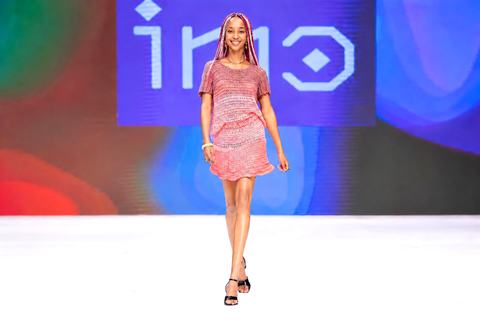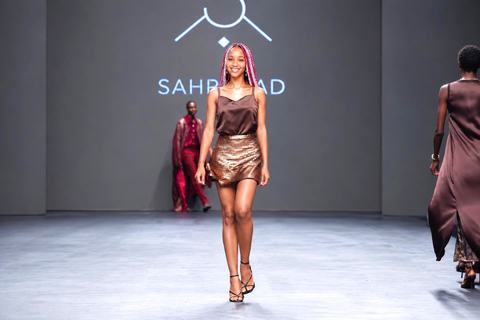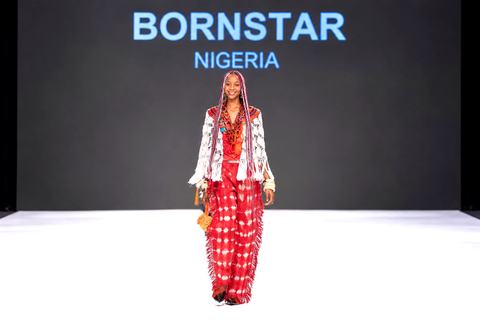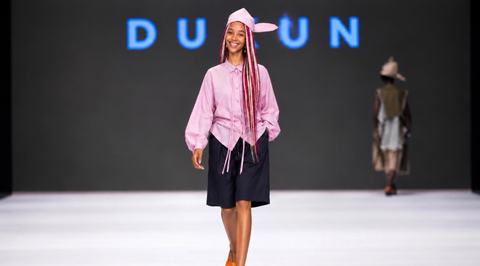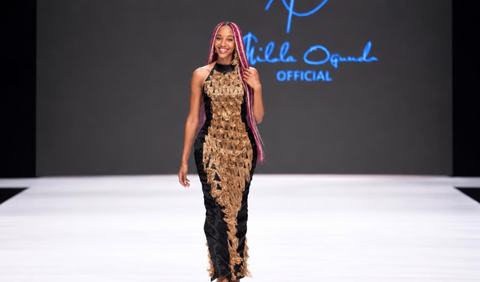
Bridget Awosika Fashion and the Language of Modern Elegance
READ: Abiola Olusola fashion Brings Modern Femininity and Yoruba Heritage Together Through Fashion
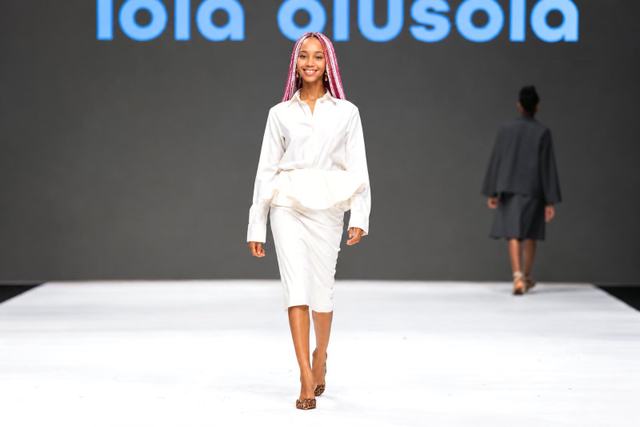
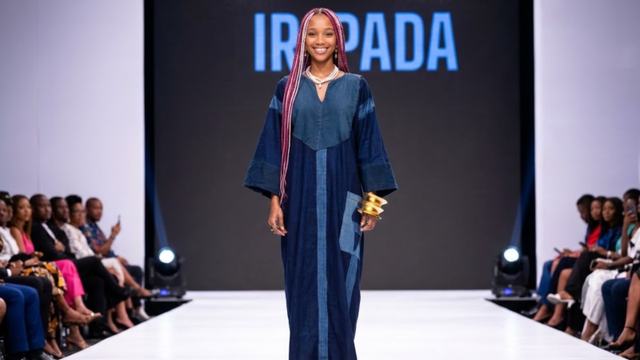
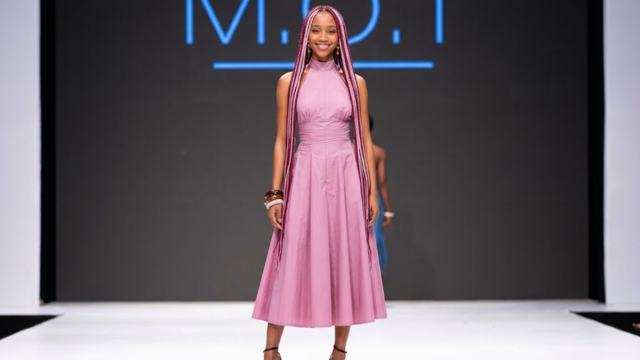
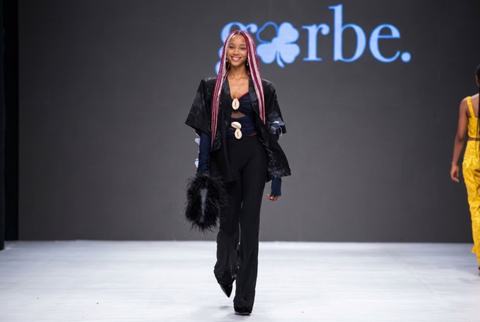
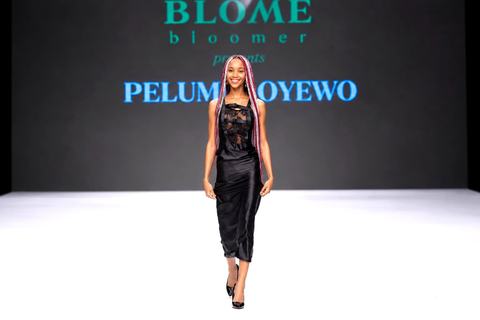
Bridget Awosika fashion represents a thoughtful approach to contemporary womenswear, where clean construction, sculptural silhouettes and subtle details contribute to a distinctive visual language. Rather than relying exclusively on loud patterns or elaborate decoration, the designer’s work is associated with the careful use of shape, proportion and movement. This approach makes her name relevant to conversations about the changing character of African fashion and the designers shaping its contemporary direction.
Fashion is often discussed through colour, fabric and trends, but silhouette is equally important. The way a garment sits on the body, the balance between fitted and flowing sections, and the relationship between structure and movement can determine how a collection is experienced. Bridget Awosika’s design identity places considerable emphasis on these elements, creating clothing that can appear restrained at first glance while revealing complexity through its construction.
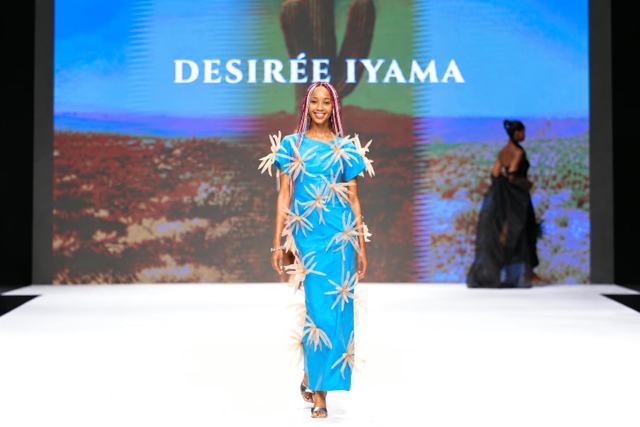
READ: Désirée Iyama Fashion: Feminine Design, Slow Fashion and the Meaning of Modern Nigerian Style
The designer’s work also reflects the growing interest in African fashion that is not limited to a single aesthetic. Contemporary African designers work across different creative languages, drawing from personal experience, international fashion education, local production possibilities and changing ideas about how people want to dress. Bridget Awosika’s approach belongs within this wider conversation because it demonstrates how a designer can build an identity around form, finish and a clear understanding of modern femininity.
The Designer Behind the Label
Bridget Awosika is a Nigerian-born fashion designer whose professional background includes training at Parsons School of Design in New York. Her experience in the fashion industry has been associated with exposure to established international design environments, including internships with major fashion houses. These experiences form part of the professional context surrounding her development as a designer.
Formal fashion training can provide a foundation in garment construction, pattern development, textiles and the practical process of translating an idea into a finished piece. However, a recognisable design identity requires more than technical knowledge. It develops through repeated decisions about proportion, materials, finishing and the kind of experience a designer wants clothing to create for the wearer.
For Bridget Awosika, the resulting aesthetic is often discussed in terms of refined modernity. Architectural references, asymmetrical details and flowing lines are useful ways to understand the visual language associated with her work. These elements can create interest without overwhelming the garment, allowing structure and movement to work together.
The development of a fashion label also requires a balance between creativity and business. A designer must translate an artistic direction into garments that can be produced, presented and worn. The challenge is particularly important for independent labels, where a clear point of view helps distinguish a collection in a crowded market.
Architecture, Shape and the Power of Silhouette
One of the most interesting aspects of Bridget Awosika fashion is the attention that can be given to the shape of a garment. Architectural influence in clothing does not necessarily mean producing stiff or complicated designs. It can appear through a shoulder line, an unexpected seam, an asymmetrical opening or the contrast between a defined upper section and a fluid lower half.
These choices influence how a piece moves and how it is perceived. A sharply constructed garment may communicate confidence and precision, while a softer silhouette can suggest ease. When both qualities appear in the same design, the result can feel contemporary without becoming difficult to wear.
This balance matters because fashion exists between the designer’s imagination and the wearer’s daily experience. A garment may be visually striking on a runway, but its design also has to consider comfort, movement and the occasions for which it might be used. The relationship between expressive design and practical wearability is one of the continuing questions facing contemporary womenswear.
Bridget Awosika’s design language provides an opportunity to consider how a collection can communicate through construction rather than depending on decoration alone. The result is an approach to style in which details matter because of their relationship to the entire garment.
Modern Femininity Without a Single Definition
Femininity in fashion has never had one fixed appearance. Different designers interpret it through softness, tailoring, volume, colour, transparency, simplicity or dramatic form. Contemporary design has widened these possibilities by allowing women to choose clothing according to their personalities and preferences rather than a single prescribed ideal.
Bridget Awosika’s refined silhouettes offer a way to explore this broader understanding of modern femininity. Clean lines can feel powerful, flowing shapes can feel relaxed, and asymmetry can introduce movement or individuality. These features demonstrate that sophistication does not have to depend on excess.
The appeal of understated clothing also lies in its versatility. A well-considered silhouette may remain relevant after a particular trend has passed, especially when the garment has a clear shape and quality finishing. This does not mean every minimalist design is automatically timeless. It means that thoughtful construction can give clothing a longer visual life than a piece created solely to capture a passing moment.
For women building personal wardrobes, such design principles can be useful. Clothing can make a statement through proportion, fit and texture without needing to compete for attention. That quiet confidence is an important part of the appeal of refined contemporary fashion.
Bridget Awosika Within the Wider African Fashion Conversation
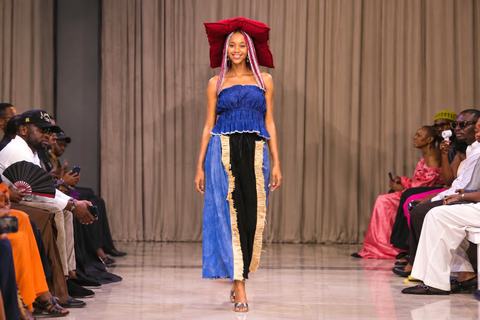
African fashion is frequently described as though it were one unified style, but the continent’s designers work across a broad range of approaches. Some centre traditional textiles and handcraft. Others explore tailoring, minimalism, experimental forms, contemporary luxury or combinations of several traditions. The diversity is part of what makes the industry creatively significant.
Readers interested in other expressions of this diversity can explore Global News Arena’s coverage of NKWO and its approach to sustainable African design. The discussion provides a complementary perspective on the relationship between design identity, material choices and the wider responsibilities of fashion production.
Bridget Awosika’s work can be considered alongside these different approaches without suggesting that all African designers share the same methods. Her emphasis on refined shapes and contemporary womenswear offers one perspective among many. The value lies in recognising individual creative voices rather than expecting designers to represent a single continental aesthetic.
This distinction is important as African fashion receives attention from audiences across different markets. International visibility can create opportunities, but it can also encourage simplified expectations about what African design should look like. A stronger understanding of the industry begins by examining each label on its own terms, including its design language, production choices and creative ambitions.
Craftsmanship and the Importance of Finishing
A garment’s appearance is shaped not only by its overall design but also by the details that hold it together. Seam placement, lining, hems, closures and the handling of fabric all influence the finished result. These technical decisions may not always be obvious from a distance, yet they can determine how a piece sits, moves and lasts.
For a design built around clean lines, finishing becomes particularly important. When there is little decoration to distract the eye, the quality of construction and the balance of the silhouette become more visible. The garment must communicate through its own proportions and materials.
Craftsmanship also involves understanding how different textiles behave. Some fabrics hold a defined shape, while others drape, fold or move more freely. A designer’s choice of material can therefore change the meaning of a silhouette. The same pattern may appear formal in one textile and relaxed in another.
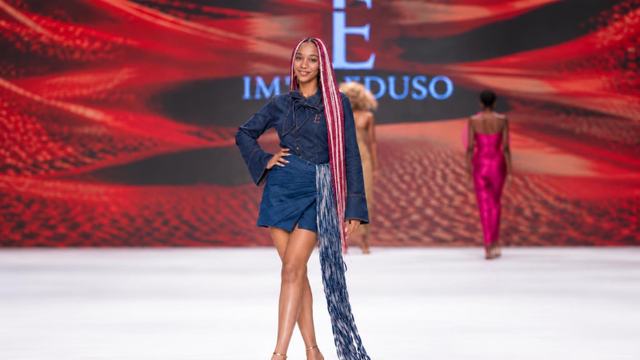
READ: Imad Eduso Into the Wild at Lagos Fashion week 2026
These considerations help explain why contemporary fashion should be evaluated beyond a single photograph. The full experience of a garment includes how it feels, how it moves and how its details have been resolved.
Why Bridget Awosika’s Design Perspective Remains Relevant
The fashion industry continues to move between seasonal trends and longer-lasting design identities. Social media can make individual looks visible almost instantly, but a label’s lasting recognition usually depends on more than one successful image. Consistency, creative development and the ability to interpret changing tastes all contribute to a designer’s place in the industry.
Bridget Awosika fashion offers a useful example of a design identity grounded in silhouette, modernity and considered detail. These qualities provide a framework through which individual collections can be understood without reducing the designer’s work to a single trend or garment.
Her place in the wider Nigerian fashion landscape also highlights the variety of routes through which designers develop their careers. Education, industry experience, independent creativity and the practical work of building a label can all contribute to a designer’s direction. No single route guarantees success, but a recognisable point of view gives audiences something meaningful to engage with.
As African fashion continues to develop, coverage of designers such as Bridget Awosika is most useful when it moves beyond simple descriptions of clothing. Looking closely at construction, proportion, identity and the relationship between design and everyday life allows readers to understand not only what a collection looks like, but also the ideas that make its visual language distinctive.
The wider story is therefore not simply about elegance. It is about the many ways designers use clothing to communicate confidence, individuality and contemporary identity, while contributing to an African fashion landscape that remains diverse and continually evolving.
The writer of this article does not claim to know the individuals named personally. The information about their backgrounds, as published on Global News Arena, is based on independent online research.
Are you interested in learning how to write professionally and earn money as a writer and content creator? Contact Auxi Chat today to start your writing journey immediately.
Need a professional website in 72 hours? Contact Auxi Chat
If you have an article, opinion piece, event or news story you would like published, Global News Arena would love to hear from you.