FIA Fashion and the Art of Mixing Prints
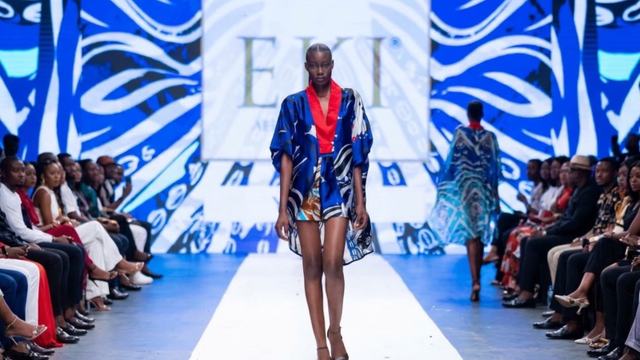
READ: Eki Silk fashion Turns African Heritage Into Modern Luxury
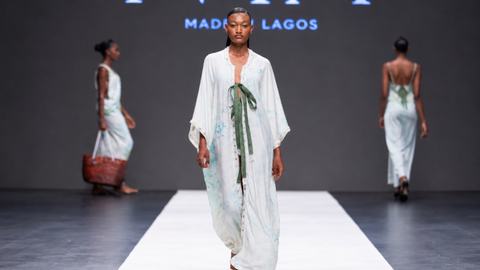
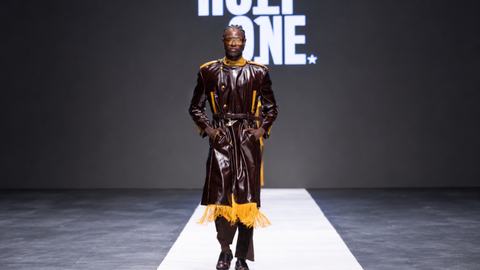
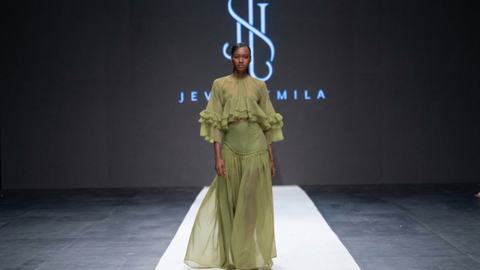
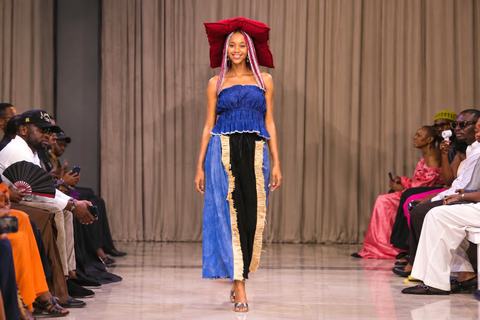
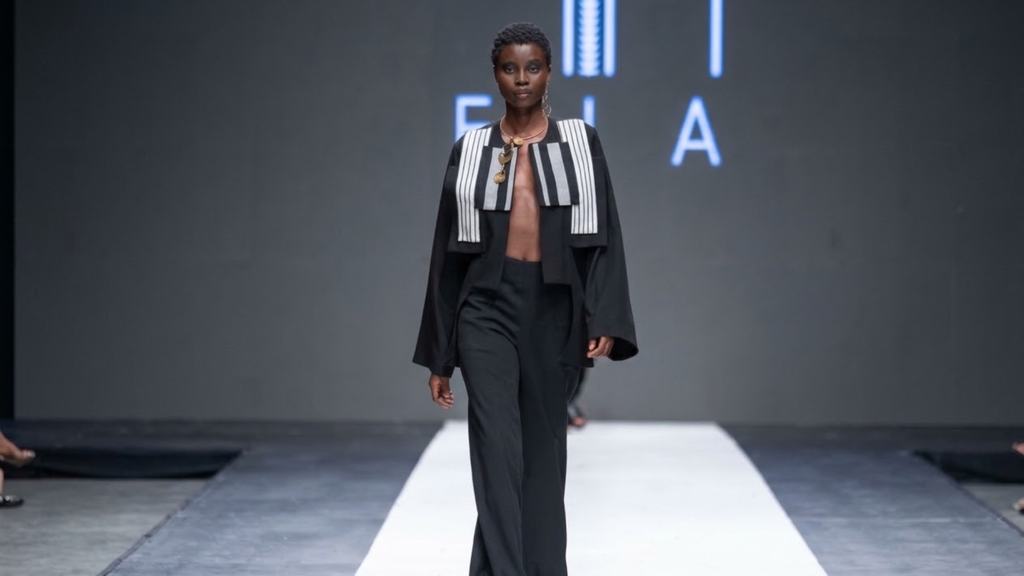
FIA fashion is recognised for its eclectic and unconventional approach to contemporary African womenswear. The Nigerian label combines prints and colours to create pieces that reflect a lively, expressive understanding of personal style. Rather than treating fashion as a set of rules that must be followed, FIA embraces the possibilities that emerge when different patterns and visual elements are brought together.
Print mixing can be challenging because each pattern has its own scale, rhythm and character. When several prints appear in one outfit, the designer must consider how they interact and whether the combination creates balance or visual confusion. Differences in colour, spacing and proportion can determine whether the final result feels cohesive.
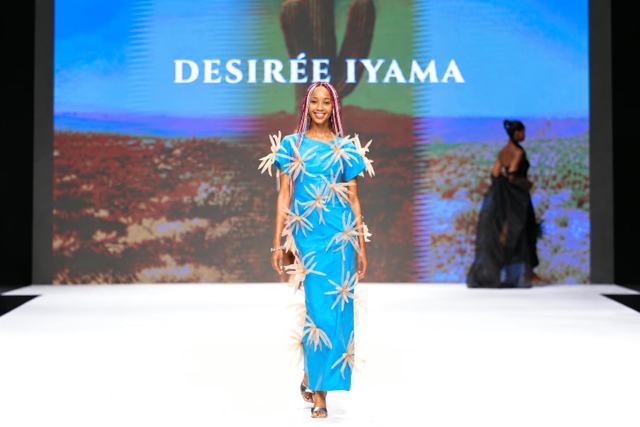
READ: Désirée Iyama Fashion: Feminine Design, Slow Fashion and the Meaning of Modern Nigerian Style
FIA’s creative identity draws on this willingness to combine elements in unexpected ways. Its eclectic approach creates space for individuality, allowing clothing to become a means of expressing personality rather than simply following familiar trends.
The label’s place in the Lagos Fashion Week programme offers an opportunity to consider the wider role of expressive womenswear in contemporary African fashion. Designers are continually finding different ways to interpret modern style, and FIA contributes a perspective that values colour, experimentation and confidence.
The Designers Behind FIA
FIA was founded in June 2015 by three Nigerian creative directors: Funke, Ijeoma and Abisose. The name reflects the initials of the founding trio, whose shared creative direction helped establish the brand’s identity.
The label originated in Bonny Island before developing its operations in Lagos, where it grew into a fashion business serving women with an interest in expressive, unconventional and sophisticated clothing.
From the beginning, FIA’s philosophy has centred on unity, diversity and the development of confidence among women. Its designs combine eclectic prints with contemporary styling, creating a visual identity that differs from more restrained approaches to womenswear.
Building a label around a shared creative vision involves more than developing individual garments. Designers must agree on the direction of the brand, determine how collections should be presented and maintain consistency as the business grows. The collaboration between FIA’s founders provides the foundation for the label’s continued creative work.
The brand’s identity is also connected to its intended audience. FIA seeks to serve women who want their clothing to reflect personality and individuality, whether through bold patterns, unusual combinations or a polished approach to everyday and occasion dressing.
A Nigerian Brand With an Expressive Identity
Nigerian fashion has developed through a broad range of creative approaches. Some designers concentrate on tailoring and minimalism, while others explore traditional textiles, contemporary luxury, experimental construction or expressive prints. FIA belongs to the part of this landscape that uses colour and pattern as important tools for communicating identity.
The appeal of expressive clothing lies partly in its ability to create an immediate visual impression. A vivid print or unexpected combination can make an outfit memorable, while thoughtful construction helps ensure that the design remains wearable.
For FIA, eclectic styling provides a way to distinguish the label within a competitive fashion market. Rather than depending on a single colour palette or silhouette, the brand’s design philosophy allows for combinations that can feel playful and unconventional.
This approach also reflects the relationship between fashion and personality. Some people prefer understated wardrobes, while others enjoy clothing that attracts attention and communicates energy. Neither approach is inherently better. The value of fashion lies in the ability to offer different ways for people to express themselves.
FIA’s creative direction places particular emphasis on that freedom of expression, making individuality an important part of its design identity.
Understanding the Balance Between Prints and Colour
Mixing prints successfully involves a series of design decisions. Pattern scale, colour relationships, fabric texture and silhouette all influence the final appearance of an outfit.
Two bold prints may compete if they have similar intensity and scale. By contrast, a larger pattern can sometimes work alongside a smaller one when the colours create a connection between them. A shared colour can help bring different patterns together, while a change in texture may create separation and balance.
Silhouette also matters. A garment with a strong print may need a relatively simple cut to allow the pattern to remain the main feature. Alternatively, a more complex shape can introduce another dimension to the design, provided the elements work together.
These decisions demonstrate that expressive fashion still depends on technical understanding. Creativity does not mean combining elements without thought. The most effective designs often emerge when experimentation is supported by an awareness of proportion, construction and the way the garment will be worn.
FIA’s eclectic identity provides an opportunity to appreciate this balance between spontaneity and design discipline. Boldness becomes more effective when the details of the garment support the overall idea.
Fashion, Confidence and Individuality
Clothing can influence how people present themselves and how they feel in different situations. A well-fitting garment may provide comfort, while a colour or pattern that reflects someone’s personality can help them feel more confident. These experiences are personal, which is why fashion cannot be reduced to a single definition of elegance.
FIA’s stated commitment to supporting confidence among women connects its creative approach with a wider understanding of fashion as a form of self-expression. The label’s designs encourage the idea that women should have room to explore different styles rather than feeling restricted to one way of dressing.
Confidence does not require every person to wear bright colours or bold prints. For some, it may come from a simple outfit; for others, it may involve more expressive combinations. The important point is that clothing should allow people to make choices that feel appropriate to their identities and preferences.
This perspective is relevant to contemporary womenswear because audiences increasingly encounter different representations of beauty, style and personal expression. Fashion labels can contribute to that diversity by offering garments that speak to different tastes rather than relying on a narrow definition of what women should wear.
From Bonny Island to Lagos
FIA’s development from a small fashion operation conceptualised in Bonny Island to a Lagos-based brand reflects the practical journey involved in building a creative business. A fashion label must develop its products while also establishing production systems, reaching customers and maintaining a clear identity.
Lagos provides access to a large and varied fashion market, along with a network of creative professionals, retailers and customers. Operating in such an environment can offer opportunities for growth, but it also places labels in a competitive setting where a distinctive identity becomes particularly valuable.
FIA’s eclectic approach provides one way to stand apart. A recognisable design language helps audiences understand what makes the brand different and gives the label a foundation for presenting new collections.
The business also needs to maintain the quality of its garments as it develops. Pattern placement, fabric selection, finishing and fit all contribute to how the clothing is experienced. A strong visual identity must be supported by the practical details that customers encounter when wearing the pieces.
The journey of a fashion label therefore involves both creative expression and sustained business development. The work does not end when a collection is presented; it continues through the process of making clothing consistently and building relationships with customers.
FIA Within the Wider African Fashion Landscape
African fashion is not a single aesthetic. It includes designers working with traditional craft, contemporary tailoring, luxury clothing, minimalist silhouettes, upcycled materials and expressive prints. These approaches reflect different creative interests and demonstrate the variety of perspectives within the industry.
FIA’s emphasis on eclectic pattern combinations offers a distinctive contribution to this wider landscape. Its work places colour and visual experimentation at the centre of its identity, showing how a label can build recognition through a clear design philosophy.
Global News Arena has also explored the relationship between fashion identity and production in its feature on NKWO and sustainable African design. The article offers a complementary perspective on how a different Nigerian fashion label approaches its materials and creative responsibilities.
These contrasting approaches help illustrate the breadth of contemporary African fashion. One label’s focus on sustainable material use does not diminish another’s interest in prints or expressive styling. Each can contribute to the industry in a different way.
READ: Ejiro Amos Tafiri fashion Gives African Elegance a Modern Voice
Recognising this diversity is important as African designers reach audiences across different markets. Their work should be understood through the particular ideas, techniques and creative decisions that define each label rather than through a single expectation of what African fashion should look like.
The Business of Building a Distinctive Fashion Brand
A memorable aesthetic can help a fashion label attract attention, but a lasting business requires consistent execution. Designers must consider sourcing, production quality, pricing, inventory and customer service. These practical responsibilities influence whether a brand can maintain its identity while meeting customer expectations.
For a label known for expressive prints, material selection and pattern placement can be particularly important. The way a print appears across a garment depends on the cut, the arrangement of panels and the decisions made during construction. Careful production helps ensure that the finished piece reflects the intended design.
Communication also matters. Customers need to understand the brand’s identity and the kinds of products it offers. Clear presentation can help people decide whether a label’s aesthetic fits their preferences and how its clothing might work within their wardrobes.
As FIA continues to participate in the Nigerian fashion conversation, its creative identity provides a foundation for that relationship with audiences. The challenge is to preserve the distinctive character of the work while responding to changing tastes and the practical realities of running a fashion business.
Why FIA Fashion Matters
FIA fashion contributes to contemporary Nigerian womenswear through its eclectic prints, unconventional combinations and commitment to women’s confidence. The label’s history also highlights the collaborative work involved in building a fashion identity, from the shared vision of its founders to the practical development of a business in Lagos.
Its design approach demonstrates that fashion can communicate through colour and pattern as powerfully as it can through tailoring or minimalism. Different aesthetics serve different preferences, and the industry’s diversity depends on allowing those approaches to coexist.
The broader significance of FIA lies in its emphasis on individuality. Clothing can be a way to experiment, express personality and move beyond familiar expectations. For women who enjoy bold patterns and distinctive combinations, expressive fashion provides an opportunity to make personal choices visible.
As African fashion continues to evolve, labels with clear and individual design philosophies help keep the industry varied and responsive to different audiences. FIA’s approach adds another perspective to that conversation, reminding us that contemporary style can be sophisticated, unconventional and full of personality at the same time.
The writer of this article does not claim to know the individuals named personally. The information about their backgrounds, as published on Global News Arena, is based on independent online research.
Are you interested in learning how to write professionally and earn money as a writer and content creator? Contact Auxi Chat today to start your writing journey immediately.
Need a professional website in 72 hours? Contact Auxi Chat
If you have an article, opinion piece, event or news story you would like published, Global News Arena would love to hear from you.