Éki Kéré Fashion and the Power of African Craftsmanship
READ: Cynthia Abila Fashion Brand: The Common Ground Between Heritage and Memory
Fashion can communicate a connection to a place long before the person wearing a garment explains where it comes from. A textile can carry the memory of a community, a handmade detail can reveal the knowledge of an artisan, and a familiar material can become a symbol of cultural identity when it is used with intention.
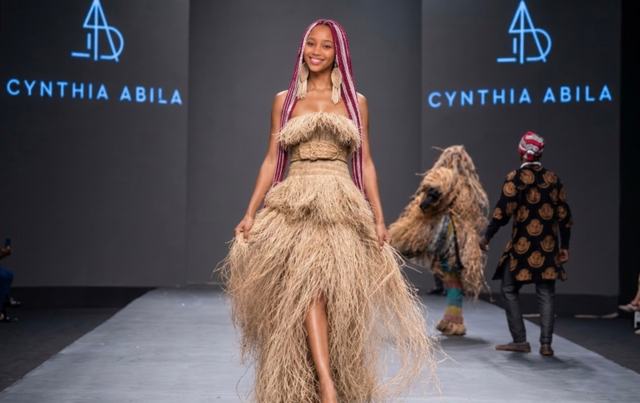
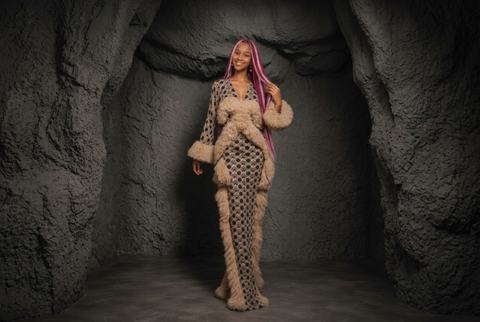
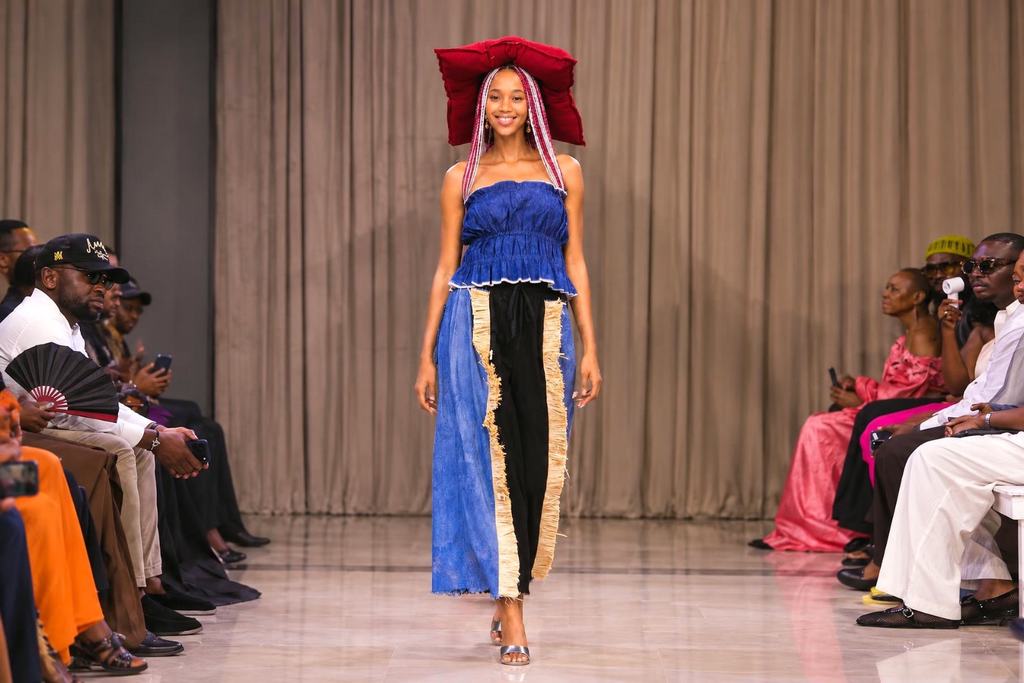
Éki Kéré fashion explores this relationship between material, heritage and contemporary design. The Nigerian label has developed a distinctive identity around African craftsmanship, particularly the use of raffia, while exploring silhouettes and garment construction suited to modern fashion.
READ: Bloke fashion Pushes the Boundaries of African Knitwear With Experimental Design
Founded by Abasiekeme Ukanireh in 2020, Éki Kéré draws attention to the creative possibilities of a material deeply associated with the designer’s home city of Ikot Ekpene in Akwa Ibom State, widely recognised for its raffia traditions.
For me, this connection between material and origin is one of the most interesting aspects of the brand. Raffia is not simply a surface decoration or a way to make a garment look recognisably African. It carries a relationship with place, craft knowledge and the people whose skills allow the material to become part of a finished design.
The label’s approach also raises an important question about the future of Nigerian fashion: how can designers preserve the significance of traditional craftsmanship while making room for contemporary experimentation?
Éki Kéré offers one possible answer. Its design direction places local material knowledge within a wider conversation about artistic expression, responsible production and the commercial potential of African design.
Abasiekeme Ukanireh and the Story Behind Éki Kéré
Éki Kéré was founded in 2020 by Nigerian designer Abasiekeme Ukanireh. Her creative direction draws on the traditions and craftsmanship associated with African design while exploring how these influences can be interpreted through contemporary fashion.
The connection between the brand and Ikot Ekpene is particularly significant. The city in Akwa Ibom State is associated with raffia production and craft traditions, making the material an important part of the cultural context surrounding Ukanireh’s work.
For a designer, growing up with or maintaining a connection to a particular place can influence the way materials are understood. A textile is no longer simply something purchased for a collection. It may represent local knowledge, familiar practices and the work of people whose skills have developed over time.
This relationship can shape decisions about what a designer chooses to make, which techniques are worth exploring and how the finished garment should communicate its identity.
Éki Kéré’s approach reflects an interest in bringing these elements together. The brand uses artisanal influences within a contemporary fashion language, allowing traditional craftsmanship to contribute to garments that feel connected to the present.
Its design philosophy also recognises the importance of the people involved in material production. Raffia-based fashion depends on knowledge of the material, the ability to work it into a suitable form and an understanding of how it behaves when incorporated into a finished product.
The designer’s task is therefore not only to create a visually distinctive garment but also to understand the material and the skills required to use it successfully.
Why Raffia Matters to Éki Kéré Fashion
Raffia is a natural fibre obtained from raffia palms. It has long been used in different craft traditions for weaving, tying, decorative work and the production of practical objects.
Its physical qualities make it interesting for designers. Depending on how it is prepared and used, raffia can create texture, structure and a distinctive surface. It can be arranged into patterns, incorporated into woven forms or used to introduce contrast against other materials.
For Éki Kéré fashion, raffia has significance beyond its appearance. The material connects the brand’s creative identity to the traditions associated with Ikot Ekpene and the wider craft knowledge of the region.
This relationship provides an alternative to the idea that contemporary fashion must always depend on newly developed textiles or materials sourced from distant markets. Existing materials can offer substantial creative opportunities when designers understand their properties and the skills involved in working with them.
Raffia can also change the way a garment is perceived. Its texture may create a contrast against smoother fabrics, while its structure can contribute to a more sculptural silhouette. Used thoughtfully, it can become an integral part of the design rather than a decorative addition.
However, working with raffia also requires careful decisions about comfort, durability, finishing and the intended use of the garment. A material that performs well in an accessory may require a different treatment when used in clothing that comes into direct contact with the body.
These considerations illustrate why material knowledge is essential to successful design. A distinctive textile can inspire a collection, but the finished product still needs to meet the practical demands of the person wearing it.
From Traditional Craft to Contemporary Silhouettes
Traditional craftsmanship is sometimes discussed as though it belongs exclusively to historical objects, ceremonial dress or products made for cultural exhibitions. Contemporary designers are challenging this separation by bringing established techniques into modern clothing and accessories.
Éki Kéré’s approach reflects this possibility. Its emphasis on raffia and artisanal construction creates a foundation for exploring how familiar materials can be used in new forms.
A designer may retain the natural texture of a material while changing the scale or placement of its use. A technique traditionally associated with an accessory may inform a garment, while an established craft process may be combined with contemporary tailoring or unusual proportions.
These choices can help create designs that communicate cultural identity without simply reproducing the appearance of traditional dress.
The distinction matters because cultural heritage is not necessarily preserved by keeping every technique unchanged. It can also remain relevant when craftspeople and designers find new applications for existing knowledge, provided the work is approached with understanding and respect.
For the wearer, this creates an opportunity to experience traditional craftsmanship within a contemporary wardrobe. A garment can express a connection to a particular material or place while remaining part of modern personal style.
For the designer, it offers room for innovation. The creative challenge becomes finding a balance between the qualities that make a material culturally meaningful and the changes required to use it in a new context.
Éki Kéré’s design identity places this relationship at the centre of its exploration of contemporary African fashion.
The People and Skills Behind Raffia Design
A finished garment may be presented under the name of a fashion label, but the work behind it can involve several people with different skills.
Material preparation, weaving, cutting, shaping, assembly and finishing each require knowledge and attention. When a designer works with a specialist material such as raffia, the expertise of craftspeople can influence both the quality and the appearance of the finished piece.
This is why discussions about African fashion should include the people responsible for preserving and developing craft traditions. Their knowledge is not simply an additional detail in a designer’s story. It forms part of the practical foundation on which the work depends.
For labels working with locally rooted materials, collaboration can also help connect contemporary fashion businesses with wider craft communities. It creates opportunities for traditional skills to be applied to new products and for designers to learn from the people who understand the material most directly.
However, meaningful collaboration requires attention to how the work is organised and valued. The use of traditional techniques should not be treated as a substitute for recognising the people whose expertise makes the work possible.
There are also practical questions about training, production capacity and consistency. Designers may need to work with artisans to develop methods that allow a particular technique to be repeated while retaining the qualities that make it distinctive.
For the wider Nigerian fashion industry, these relationships can support the development of a stronger creative economy. They connect the artistic ambitions of designers with the technical knowledge needed to turn concepts into finished products.
Éki Kéré’s focus on craftsmanship offers an opportunity to consider these relationships as part of the story behind contemporary African fashion.
Sustainability and the Responsibility of Material Choices
Sustainability is an important subject in contemporary fashion, but it is not a single technique or a guarantee attached to a particular material.
A natural fibre may offer certain advantages, yet its overall environmental impact depends on how it is grown or collected, how it is processed, how far it travels and how the finished product is used and disposed of.
The same principle applies to raffia. Its natural origin does not automatically mean that every product made from it is environmentally sustainable. Responsible production requires attention to sourcing, processing, durability, labour and the wider conditions under which the material is obtained.
Éki Kéré’s interest in raffia and artisanal craftsmanship provides a starting point for discussing how material choices influence a fashion brand’s identity.
The label’s approach encourages attention to the relationship between local resources and contemporary design. It also creates space for questions about how craft knowledge can be maintained, how materials can be used efficiently and how finished garments can remain useful over time.
These questions are relevant to the wider fashion industry. Producing a garment involves decisions that affect the amount of material used, the work required to assemble it and its potential lifespan.
Designers can contribute to more responsible production by considering durability, limiting avoidable waste and ensuring that materials are appropriate for their intended purpose. Consumers can also play a role by caring for clothing properly and choosing pieces they expect to wear repeatedly.
It is important, however, to distinguish a brand’s design philosophy from independently measured environmental outcomes. Without specific evidence about production and material impacts, sustainability claims should not be treated as quantified results.
What Éki Kéré brings to the conversation is an emphasis on a material with a strong connection to Nigerian craft traditions and the possibilities of contemporary design.
Éki Kéré Fashion and the Wider African Design Conversation
African fashion is not a single aesthetic. It includes different regional traditions, textiles, tailoring methods, craft practices and contemporary design movements.
The use of raffia provides one example of how a material associated with a particular place can become part of a wider fashion conversation. When a designer brings it into contemporary clothing, the material can communicate both local identity and a willingness to experiment.
Éki Kéré contributes to this diversity through its interest in artisanal design and distinctive silhouettes. Its work demonstrates how Nigerian fashion can develop through close attention to material rather than relying only on familiar visual references.
This is important in an international fashion environment where African design is sometimes reduced to a narrow set of expectations about colour, print or traditional clothing.
A broader understanding recognises that African designers can work with minimalism, sculptural shapes, experimental materials, modern tailoring and traditional crafts in many different combinations.
Éki Kéré’s approach illustrates how a designer can use a locally significant material as a foundation for a contemporary creative identity.
READ: Abiola Olusola fashion Brings Modern Femininity and Yoruba Heritage Together Through Fashion
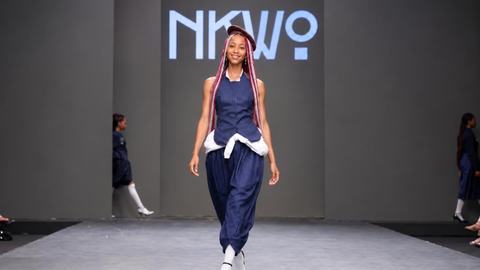
Readers can also explore Dukun’s reinterpretation of Itsekiri heritage and NKWO’s work with sustainable African design. These features consider different ways designers connect cultural references, material knowledge and contemporary fashion.
The Business Potential of Artisanal Fashion
Craft-based fashion has creative potential, but building a successful business around specialised materials and techniques requires careful planning.
Artisanal production may involve time-consuming processes that cannot always be accelerated without affecting the result. The availability of skilled craftspeople, the supply of materials and the consistency of production can all influence how many products a label can deliver.
Pricing must also reflect the labour involved. A handmade garment may require substantial work in material preparation and construction, and the business needs to account for those costs when setting a price.
Designers must also understand their customers. Some buyers may be attracted to the story behind a material, while others will place greater emphasis on comfort, versatility, price or the garment’s appearance.
A clear brand identity can help communicate why a product is distinctive, but the product itself must still meet customer expectations.
For Éki Kéré, the connection between raffia, Nigerian craftsmanship and contemporary design offers a foundation for telling that story. The challenge for any craft-focused business is to connect the value of the creative process with reliable production, appropriate pricing and consistent quality.
This also highlights the importance of the wider fashion ecosystem. Designers need access to materials, production expertise, business support and customers who understand the value of the work.
The long-term strength of a craft-based label depends not only on the appeal of its designs but also on whether the business can sustain the relationships and processes that make those designs possible.
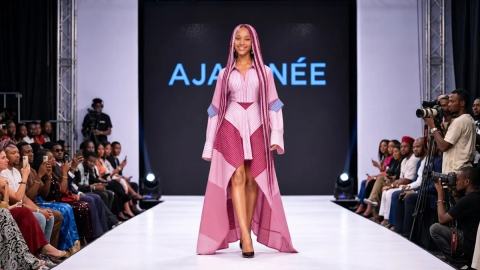
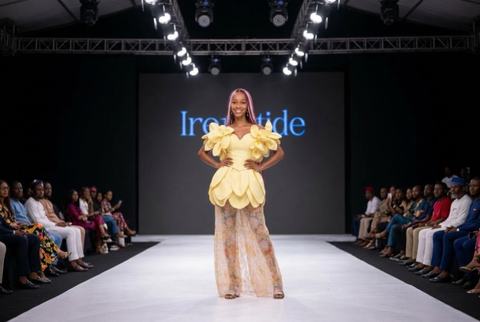
What Éki Kéré Brings to Lagos Fashion Week
Lagos Fashion Week provides a setting in which designers can present their creative identities to audiences interested in contemporary African fashion.
Éki Kéré’s participation places its exploration of raffia and artisanal craftsmanship within that wider conversation. Its work offers a perspective grounded in Nigerian material traditions while remaining open to new forms of design.
For audiences, this creates an opportunity to look beyond the surface of a garment and consider the material knowledge involved in its construction. The questions become broader than whether a piece is visually attractive. They include where the material comes from, who has the skills to work with it and how the designer has adapted those skills for contemporary use.
For aspiring designers, the label’s approach offers a reminder that creative identity can emerge from a close understanding of place and material. Innovation does not always require abandoning traditional techniques. It can involve learning how to use them differently.
For the fashion industry, the story reinforces the importance of preserving craft knowledge while creating practical opportunities for artisans and designers to work together.
Éki Kéré Fashion and the Future of Nigerian Craft
Éki Kéré fashion represents a relationship between cultural heritage and contemporary creativity. Founded by Abasiekeme Ukanireh in 2020, the label draws on raffia and artisanal craftsmanship associated with Nigerian traditions while exploring distinctive forms of modern design.
Its focus on material and craft provides an opportunity to consider how designers can create garments that communicate a connection to place without being limited to conventional interpretations of heritage.
The story also reminds us that fashion depends on people and knowledge as much as it depends on materials. Craft traditions remain relevant when the skills behind them are understood, valued and given opportunities to develop.
For Nigerian fashion, this relationship can support a more diverse creative landscape, one in which designers work with both established techniques and new ideas to build recognisable identities.
I believe the significance of Éki Kéré lies in its invitation to see raffia as more than a familiar natural material. Through design, it can become part of a contemporary story about identity, craftsmanship and the possibilities of African fashion.
The writer of this article does not claim to know the individuals named personally. The information about their backgrounds, as published on Global News Arena, is based on independent online research.
Are you interested in learning how to write professionally and earning money as a writer and content creator? Contact Auxi Chat today to start your writing journey immediately.
If you have an article, opinion piece, event or news story you would like published, Global News Arena would love to hear from you.