Dukun Lagos Fashion Week: Itsekiri Heritage Reimagined
READ: Maliko at Lagos Fashion Week 2026: Artisanal Footwear
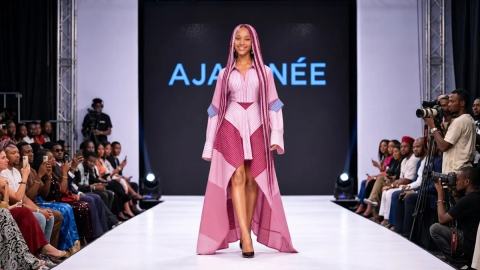
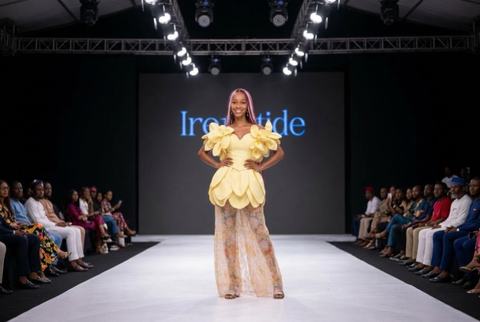
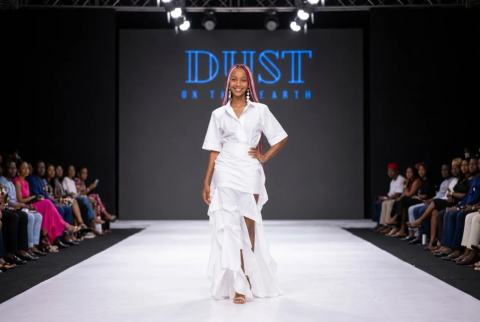
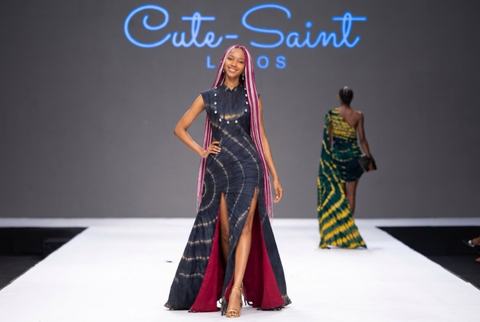
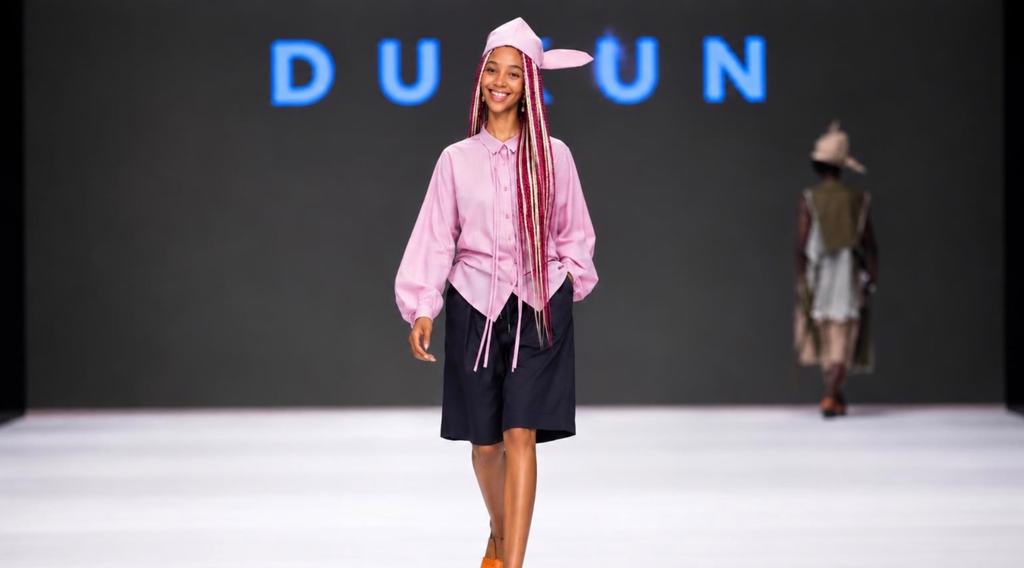
Dukun Lagos Fashion Week offered a compelling look at how cultural identity can inform contemporary clothing without restricting a designer to conventional interpretations of traditional dress. At the 2026 edition, Dukun presented a collection inspired by Itsekiri traditions from southern Nigeria, bringing together deconstruction, fabric manipulation and layered silhouettes in shades of orange, yellow, white and cobalt blue.
The presentation stood out because it approached heritage as a source of design ideas rather than a fixed set of visual references. Instead of relying only on familiar motifs, the collection used the construction of garments, the handling of fabric and the relationship between layers to explore how clothing can communicate a sense of place and identity.
READ: Sanwo-Olu walks the runway at Lagos Fashion Week 2026
For me, that distinction is important. Cultural influence in fashion can be expressed through a textile, a colour, a silhouette, a technique or a personal memory. The strongest interpretation is not necessarily the one that reproduces a traditional outfit most literally. It may be the one that understands the meaning of a reference and finds a thoughtful way to bring it into a contemporary wardrobe.
Dukun’s presentation formed part of a wider Lagos Fashion Week programme that featured designers examining craftsmanship, identity and the possibilities of African fashion.
Who Is Dukun? The Designer Behind the Label
Dukun is a Lagos-based fashion label associated with designer Temisan Dukun. The label’s creative direction places emphasis on craftsmanship, product-led design, experimentation with materials and the use of clothing as a means of storytelling.
The designer’s published collection notes offer insight into the ideas behind the brand. In the debut project Prologue, the designer described an interest in nostalgia, slow fashion and artisanship, drawing on personal experiences of growing up in southern Nigeria. The collection used hand techniques including macramé, embroidery and crochet, presenting clothing as a way to record memories and communicate ideas.
Those notes also identify the Itsekiri menswear dress shirt known as the Kemeje as an influence on the silhouette and volume of the debut collection. Shirts, trousers and outerwear provided a foundation for exploring proportion, while end-of-line cotton and cotton blends were combined with materials such as yarn, beads and embroidery thread.
The available profile information points to a designer interested in the relationship between making and meaning. Rather than treating a garment only as a finished product, the approach considers how a piece is constructed, which materials are used and what memories or cultural references inform its form.
This is particularly relevant to a collection inspired by Itsekiri traditions. The reference becomes more than a theme when it influences the decisions made during design and construction.
Dukun Lagos Fashion Week and the Itsekiri Connection
The Itsekiri people have a long-standing cultural history in the Niger Delta region of southern Nigeria. Their traditions, language, dress and social practices form part of the wider cultural landscape of the region. For a designer drawing from this background, translating that heritage into contemporary clothing involves both creative opportunity and responsibility.
A fashion collection can explore cultural identity through shape, material, layering, colour and technique. However, no single runway presentation can represent the full range of a community’s history or experience. A designer’s interpretation is one creative perspective, shaped by personal knowledge, research and artistic decisions.
In Dukun’s case, published coverage identifies Itsekiri traditions as the central inspiration for the 2026 presentation. The use of deconstruction and fabric manipulation suggests an interest in transforming familiar garment structures rather than simply reproducing them.
The reference to the Kemeje in the designer’s earlier work offers further context. Traditional clothing can provide a starting point for experimentation with volume and proportion, especially when a designer examines how a familiar silhouette can be adjusted, reconstructed or combined with other forms.
I find this approach valuable because cultural continuity does not always require visual repetition. A tradition can remain meaningful while the forms through which it is expressed change. Fashion designers can contribute to that process when they understand the source material and make deliberate choices about how it enters a new context.
The important point is that cultural inspiration should be approached with care. It requires attention to the origins of a reference and a willingness to distinguish personal interpretation from a claim to represent an entire culture.
Deconstruction and the Art of Rebuilding a Garment
Deconstruction was one of the defining elements identified in coverage of Dukun’s Lagos Fashion Week presentation. In fashion, deconstruction involves questioning the conventional structure of a garment. Seams, panels, proportions and layers can be altered to reveal new ways of assembling clothing.
A familiar shirt may be lengthened, separated into sections or reassembled in a different arrangement. A standard trouser silhouette may be adjusted through volume or an unexpected relationship between its components. Outerwear can also be reshaped so that its layers become an active part of the design rather than merely a means of warmth or coverage.
The technique can make a garment appear unfinished or deliberately irregular, but successful deconstruction still requires control. A designer must understand the original structure before changing it. The garment needs to retain its intended function, fit and durability, even when its appearance challenges conventional expectations.
Fabric manipulation adds another dimension. Pleating, gathering, folding, stitching and other techniques can change the surface and behaviour of a material. A relatively ordinary fabric may take on a new character when it is shaped or layered in an unexpected way.
For a label interested in craft, these methods create opportunities to demonstrate technical skill. The design idea may appear spontaneous, but its execution can involve extensive sampling and careful construction.
Dukun’s reported emphasis on fabric manipulation and layering therefore speaks to the technical side of its creative approach. The finished garment becomes the result of decisions about how the material should behave, where it should create volume and how the different sections should relate to one another.
A Palette of Orange, Yellow, White and Cobalt Blue
The colours reported in the Dukun collection included orange, yellow, white and cobalt blue. Together, they created a palette with a range of possible effects, from warmth and brightness to sharper contrast.
Colour plays an important role in how a collection is read. It can direct attention towards a particular garment, establish connections between looks and influence the emotional impression of a runway presentation. However, its impact depends on more than the shade itself. Fabric texture, lighting, silhouette and the way colours are combined all affect the final result.
Orange and yellow can introduce warmth and visual energy, while white offers contrast and can make a garment’s structure easier to notice. Cobalt blue provides a strong, saturated counterpoint. Used together, these colours can create a collection that feels bold without relying on print alone.
Colour also interacts with construction. A layered garment may appear different when contrasting shades reveal its individual sections. Similarly, a manipulated fabric can produce changes in light and shadow that alter the way its colour is perceived.
For a collection rooted in cultural references, the palette can contribute to its overall atmosphere, but it should not be treated as a complete explanation of its heritage. Colour choices are design decisions, and their meaning depends on the context in which they are used.
What matters most is the relationship between the palette and the collection’s construction. When colour, texture and silhouette work together, they can give the runway presentation a recognisable identity.
Craftsmanship Beyond Decoration
Craft is often discussed in fashion through visible details such as embroidery, beadwork or handwoven textiles. Yet craftsmanship can also be found in the construction of a garment, the way a material is handled and the precision required to create an unusual silhouette.
Dukun’s published work points to an interest in techniques including macramé, embroidery and crochet. These processes require time and manual skill, and each offers different possibilities for texture, flexibility and surface design.
Macramé uses knots to create structures from cord or yarn. Crochet forms fabric through interlocking loops, while embroidery adds decorative or structural stitching to a base material. Their uses vary widely, and designers can adapt them to accessories, garment panels or more extensive pieces.
The value of such methods is not limited to appearance. They can affect how a garment moves, how it feels against the body and how it should be maintained. A handworked detail may also require a different production schedule from a standard machine-sewn component.
Craft-led design therefore requires a balance between creative ambition and practical planning. Designers must consider the time required for production, the availability of skilled makers and the quality standards expected by customers.
I believe this is one of the most important conversations surrounding contemporary African fashion. Craftsmanship should be valued not only because it looks distinctive on a runway, but because it represents knowledge, time and labour. When a designer makes craft central to a collection, the production process deserves as much consideration as the final photograph.
Slow Fashion and the Value of Making With Intention
Dukun’s Prologue collection notes refer to slow fashion and the use of end-of-line cotton and cotton blends. These details provide context for the label’s interest in making clothing through a more deliberate process.
Slow fashion can refer to an approach that prioritises considered design, product longevity, responsible production and a less disposable relationship with clothing. It is not a single manufacturing method, and a brand’s use of the term does not automatically establish the environmental or social impact of every product.
Using end-of-line fabric can provide a way to make use of material that already exists. However, the sustainability of the finished garment also depends on its construction, durability, care requirements and how efficiently the material is used. A full assessment would need to consider the complete production process rather than one material choice.
For designers, working with available fabric can also create creative constraints. The quantity, width, colour and composition of the material may influence what can be produced. These limits can encourage experimentation, but they also require careful planning to ensure that a design can be repeated consistently when demand increases.
Slow fashion raises an important question about the relationship between clothing and time. A garment designed with attention to construction and material may be intended to remain useful beyond a single trend cycle. Customers, meanwhile, can contribute by caring for their clothing properly, repairing pieces when practical and making purchasing decisions based on long-term use.
Dukun’s stated interest in artisanship and material experimentation makes these questions relevant to its identity. The challenge for any label working in this space is to align its creative principles with practical production decisions and clear information for customers.
Why Layering Matters in Contemporary Design
Layering was another feature noted in coverage of Dukun’s 2026 runway collection. It can create depth, introduce contrasting textures and allow a designer to build a more complex silhouette from individual components.
A layered outfit may combine different lengths, weights or fabric surfaces. The relationship between those layers can create movement as the wearer walks, while the placement of each section changes the outline of the body.
Layering also offers flexibility. Separate pieces can sometimes be worn in different combinations, giving customers more than one way to style them. Whether a particular garment offers that versatility depends on its cut, material and intended use.
In runway design, layering can also help communicate a creative concept. It allows the designer to reveal or conceal parts of a garment, create visual interruptions and guide the audience’s attention through the look.
The technique is especially effective when it supports the larger design idea. Too many competing layers can make an outfit difficult to read or wear, while a carefully controlled arrangement can make the construction appear intentional.
For Dukun, the use of layers alongside deconstruction and fabric manipulation suggests a shared interest in changing the way conventional garments are assembled and perceived. These techniques can create a coherent design language when they are applied with a clear understanding of proportion and material.
READ: Ibilola Ogundipe Lagos Fashion Week: Colour and Craft
Lagos Fashion Week and the Wider Conversation About Identity
Lagos Fashion Week brings together designers working with different cultural references, construction methods and business models. The result is not one uniform expression of African fashion, but a range of creative approaches shaped by personal histories, local traditions and contemporary influences.
Dukun’s presentation contributed to that conversation through its Itsekiri inspiration and focus on garment construction. Other designers at the event explored textile craft, hand printing, crochet, tailoring and decorative techniques. These different approaches demonstrate that cultural identity can be expressed through many forms of design.
For the fashion industry, this variety creates opportunities to challenge narrow assumptions about what African clothing should look like. Designers can work with heritage while also engaging with international fashion, experimental silhouettes and modern production methods.
Visibility, however, is only one part of building a sustainable fashion business. Designers also need customers, production partners, skilled workers, distribution channels and access to the resources required to develop new collections.
A runway presentation may introduce an idea, but its commercial future depends on whether the brand can translate that idea into products that can be made consistently and sold at a workable price. For craft-intensive designs, this may require additional sampling, specialist labour and close attention to quality control.
What Customers Can Learn From Dukun’s Approach
Dukun’s emphasis on construction and material provides a reminder that clothing can be assessed through more than its immediate visual effect. Customers may want to consider how a garment fits, how it moves, how its layers are secured and what care it requires.
A piece with handworked details or unusual construction may need different maintenance from a standard ready-to-wear item. Understanding those requirements helps customers make informed decisions and protect the value of what they buy.
It is also useful to distinguish between a runway concept and a commercially available product. A collection may include experimental pieces designed primarily to communicate an idea, while other pieces may be developed for wider production. The existence of a runway look does not automatically confirm that the same garment is available for purchase.
For buyers interested in supporting craft-led fashion, questions about materials, production and the people involved in making the garment can provide useful context. Transparent information helps customers understand the work behind a product and the considerations that influence its price.
These questions are relevant to all designers, but particularly to labels whose identity is connected to hand techniques and material experimentation.
Dukun’s Continuing Design Story
Dukun’s Lagos Fashion Week 2026 presentation brought together Itsekiri inspiration, deconstruction, layered construction and a bold colour palette. The collection offered an example of how a designer can approach cultural identity through the structure and making of clothing, rather than relying solely on surface decoration.
The label’s earlier published work provides additional context for this direction. Its interest in nostalgia, slow fashion and artisanship suggests a continuing concern with the relationship between personal experience, materials and the finished garment.
I believe the significance of Dukun’s work lies in the questions it invites audiences to consider. How can a designer carry cultural knowledge into contemporary clothing? How can traditional references remain meaningful as silhouettes change? And how can craftsmanship be supported by a viable production model?
Those questions extend beyond a single runway season. Their answers will depend on the designer’s future collections, the development of the brand and the relationships it builds with customers and makers.
For now, Dukun’s presentation adds another perspective to the evolving story of Nigerian fashion. It shows how heritage can serve as a starting point for experimentation, and how the construction of a garment can become part of the story the designer wants to tell.
The writer of this article does not claim to know the individuals named personally. The information about their backgrounds, as published on Global News Arena, is based on independent online research.
Are you interested in learning how to write professionally and earn money as a writer and content creator? Contact Auxi Chat today to start your writing journey immediately.
Need a professional website in 72 hours? Contact Auxi Chat
If you have an article, opinion piece, event or news story you would like published, Global News Arena would love to hear from you.