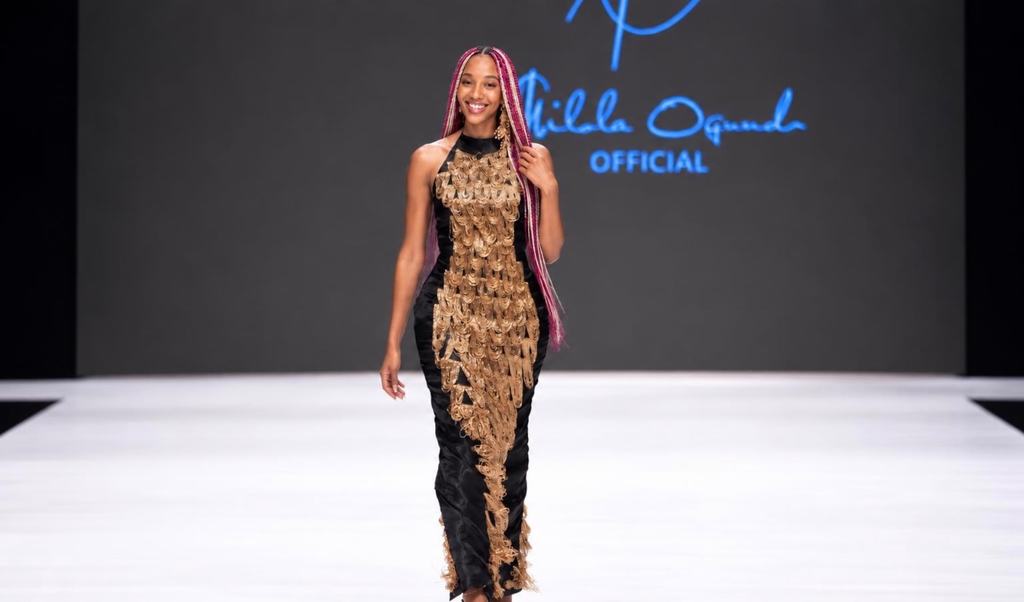
Ibilola Ogundipe Lagos Fashion Week: Colour and Craft
READ: Maliko at Lagos Fashion Week 2026: Artisanal Footwear
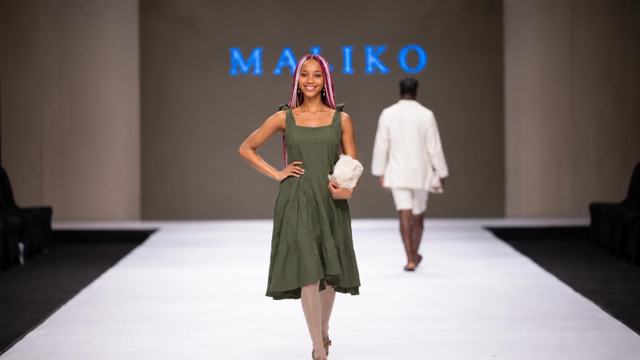
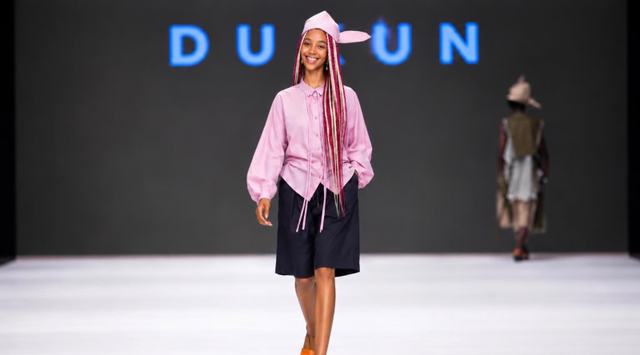
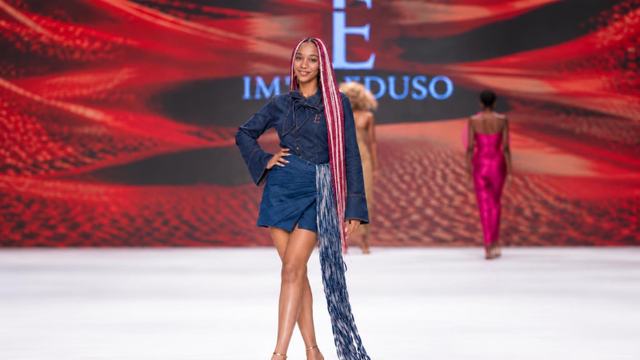
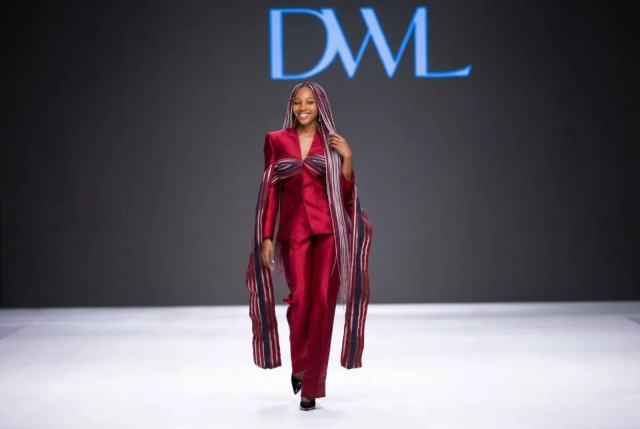
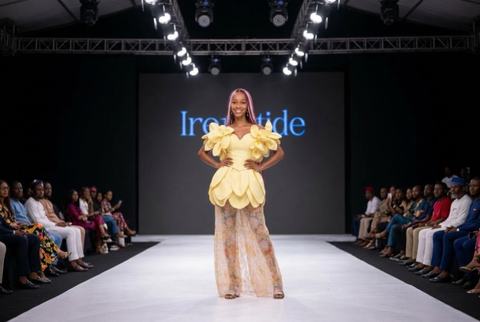
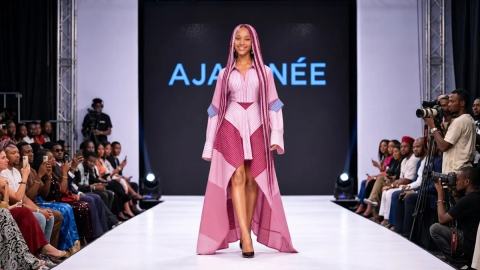
Ibilola Ogundipe Lagos Fashion Week offered a vivid demonstration of how colour, construction and embellishment can work together in contemporary Nigerian womenswear. At the 2026 event, the Lagos-based label presented occasionwear in bright shades, including cobalt blue and butter yellow, with shimmering details that brought added depth to the garments.
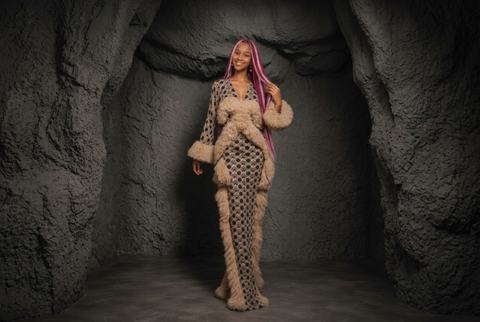
The collection continued the designer’s interest in sculptural silhouettes and considered finishing. Rather than treating clothing as a simple outline around the body, the label explores how fabric can be shaped, gathered and draped to create volume, movement and a recognisable form.
READ: Sanwo-Olu walks the runway at Lagos Fashion Week 2026
For me, the appeal of this approach lies in its attention to the relationship between design and the person wearing it. A dramatic sleeve, a carefully placed embellishment or a strong colour can attract attention, but the garment must still work as clothing. Its shape, fit and construction determine whether the visual idea feels convincing when the wearer moves.
The presentation also contributed to the wider conversation about Nigerian occasionwear. Designers are finding different ways to combine expressive styling with techniques that support fit and finish, creating garments for celebrations and special events without limiting contemporary African fashion to one particular aesthetic.
The Designer Behind the Ibilola Ogundipe Label
Ibilola Ogundipe is a Lagos-based womenswear designer whose work centres on form, construction and the relationship between fabric and the body.
The brand’s official website provides a slightly different detail about its beginnings. Because these published dates differ, it is more responsible to acknowledge the discrepancy than to present either date as an unquestionable account of the brand’s beginnings.
What is clear from the available profiles is the label’s emphasis on sophisticated, functional clothing intended to accommodate different body types. Its design language includes draping, hand-beading, crystal embellishment and distinctive sleeves, with garments spanning daywear and occasion pieces.
The label also produces custom aso-ebi, connecting its contemporary womenswear practice with the role clothing plays in Nigerian celebrations and social occasions. Aso-ebi is more than a fashion category: it is often part of how families, friends and communities coordinate their appearance for weddings, birthdays and other important gatherings.
That connection places the brand within a market where clothing can serve both individual expression and collective identity. A designer must consider the personal style of the wearer while also understanding the practical demands of occasion dressing.
The label’s previous runway appearances, including Lagos Fashion Week and GTCO Fashion Weekend, have helped establish its presence within contemporary Nigerian fashion. Its 2026 presentation continued that journey by placing colour, silhouette and embellishment at the centre of the collection.
Ibilola Ogundipe Lagos Fashion Week and the Power of Colour
Colour was one of the clearest features of the 2026 presentation. Cobalt blue and butter yellow appeared among the bright shades reported from the runway, accompanied by shimmering embellishments.
Cobalt blue can create a strong visual anchor. It is saturated enough to stand out in a runway setting, while its depth can support both structured and flowing silhouettes. Butter yellow offers a different effect: softer and warmer, it can bring lightness to a garment without becoming visually neutral.
The contrast between these shades demonstrates how colour can shape the personality of a collection. A designer does not need to rely on complex prints to create impact. A carefully selected palette can establish a clear identity, particularly when it is combined with thoughtful construction and finishing.
Colour also influences how a garment is perceived in different settings. Under runway lighting, a saturated shade may appear particularly luminous. In daylight, its character can change with the fabric’s texture and the surrounding colours. This is one reason photographs do not always communicate the full experience of a garment.
For customers, the choice of colour is closely linked to personal style and occasion. Some may prefer a bold shade that becomes the centrepiece of an outfit, while others may choose a softer tone that can be styled with accessories in different ways.
For the designer, the challenge is to make the palette work across the collection. Each shade needs to complement the garment’s shape and the materials used, rather than competing with them.
Sculptural Silhouettes and the Relationship Between Fabric and Form
Sculptural design is concerned with the way a garment creates shape. Fabric may be gathered, folded, draped or structured to produce volume in a particular part of the body. Sleeves can become focal points, while the waist, shoulders and hemline can be adjusted to change the overall proportion.
Ibilola Ogundipe’s published design profile places this relationship at the centre of its work. Draping is used to introduce movement and volume, while sleeves may be puffed, gathered or extended to give a garment a more distinctive outline.
These techniques require an understanding of fabric behaviour. A lightweight material may fall softly and create fluid movement, while a fabric with more body can support a pronounced shape. The same design idea can therefore produce very different results depending on the material selected.
The construction process also matters. A voluminous sleeve needs to be balanced against the rest of the garment so that it feels intentional rather than disconnected. A gathered waist needs to support the desired fit, while a draped panel must remain secure as the wearer moves.
Sculptural design is not simply about making clothing larger or more dramatic. It is about controlling proportion and using fabric to guide the eye. A well-constructed silhouette can create impact while still allowing the wearer to sit, walk and move comfortably.
I believe this is where the technical side of fashion becomes especially important. The finished garment may appear effortless, but the design can depend on careful pattern development, fitting and repeated adjustments.
Shimmering Embellishments and the Detail of Occasionwear
The reported use of shimmering embellishments added another dimension to the collection. Beads, crystals and other reflective details can catch light and introduce texture, helping a garment move between understated construction and visual drama.
Embellishment requires careful placement. A small amount can draw attention to a neckline, sleeve or waist, while a more extensive application can become the dominant feature of the garment. The effect depends on the relationship between the decorative elements and the underlying fabric.
Weight is another consideration. Heavy embellishments may alter the way a lightweight material hangs, so designers must consider support and reinforcement. The finish also needs to be secure enough for the garment’s intended use.
For occasionwear, these details can be particularly important because customers often want clothing that feels distinctive for a celebration or formal gathering. However, a garment’s value does not come from embellishment alone. Fit, comfort, durability and quality of construction remain essential.
The designer’s challenge is to create a piece that looks special without allowing decorative elements to overwhelm the silhouette. When the relationship is balanced, embellishment can enhance the design rather than compete with it.
Nigerian Occasionwear and the Importance of Aso-Ebi
The Ibilola Ogundipe label’s work in custom aso-ebi places it within an important part of Nigeria’s fashion economy. Aso-ebi dressing connects clothing with social participation, especially at weddings and other celebrations where groups may wear coordinated fabrics or complementary outfits.
For designers, this market brings particular demands. Customers may have a specific event date, a preferred silhouette and expectations about fit, colour and finishing. Production schedules must account for fittings, alterations and delivery before the occasion.
The process can also involve personal collaboration. A customer may want a garment adapted to their proportions or designed around a specific idea. That requires communication between the designer and wearer, as well as enough time to complete the work properly.
Contemporary occasionwear can combine those practical considerations with experimentation. A designer may introduce sculptural sleeves, unexpected colour combinations or detailed embellishments while ensuring that the garment suits the person who will wear it.
This balance is important because fashion is not experienced in the same way by every customer. A silhouette that works beautifully on one body may require adjustments for another. Good design recognises those differences without abandoning its visual identity.
The brand’s stated intention to create sophisticated, functional pieces for a range of body types is relevant here. It suggests that form and wearability are meant to exist together, rather than being treated as competing goals.
Craftsmanship Behind the Finished Garment
Craftsmanship is often easiest to notice in visible details, but much of the work that gives a garment its character happens before the final look reaches the runway. Pattern development, fabric selection, fitting and finishing all contribute to the result.
Hand-beading and crystal embellishment require precision. Draping involves understanding how material falls and where it needs support. Sleeve construction can demand careful adjustments to ensure that volume sits correctly and does not restrict movement.
These processes influence both the appearance and the cost of a garment. Hand-finished details take time, while complex shapes may require additional sampling before the designer reaches the intended result.
READ: Dukun Lagos Fashion Week: Itsekiri Heritage Reimagined
For a Nigerian fashion business, maintaining quality while meeting customer demand can be a significant challenge. The brand needs reliable production methods, skilled workers and realistic timelines. If a design is intended for wider retail distribution, consistency becomes particularly important.
Customers can also benefit from understanding the work behind a garment. Questions about fabric composition, care instructions, embellishment and alterations can help them make informed decisions. A piece that requires specialist care may still be worth purchasing, but the buyer should understand what maintaining it will involve.
Lagos Fashion Week and the Growth of Nigerian Design
Lagos Fashion Week provides a platform for designers to present collections, connect with audiences and contribute to wider conversations about African fashion. The programme brings together different design languages, from textile experimentation and craft-led production to tailoring, occasionwear and conceptual runway pieces.
Ibilola Ogundipe’s presentation contributed through its focus on colour, sculptural form and embellishment. Other designers explored different ways of working with heritage, recycled materials and hand techniques, demonstrating that contemporary Nigerian fashion cannot be reduced to a single style.
For designers, a runway presentation can create visibility, but building a lasting business requires more than attention during fashion week. Brands must consider production capacity, pricing, customer service, distribution and the ability to deliver garments consistently.
The relationship between creativity and business is especially important for occasionwear labels. A successful presentation may generate interest, but customers need clear information about available pieces, custom-order processes, fitting arrangements and delivery timelines.
What the Collection Offers Contemporary Fashion
The 2026 presentation placed Ibilola Ogundipe’s design priorities in clear view: expressive colour, considered silhouettes and details that give the garments a distinctive finish. Cobalt blue and butter yellow introduced visual energy, while sculptural forms and shimmering embellishments added depth.
I believe the most interesting aspect of the collection is the relationship between impact and wearability. Strong colour and dramatic shapes can attract attention, but the lasting value of a garment also depends on how it fits, how it moves and how well it is made.
The label’s focus on both daywear and occasion pieces provides room to explore those questions across different settings. A dramatic evening garment may call for more elaborate construction, while a daywear piece may prioritise flexibility and ease. Both can share a design identity through proportion, finishing and colour.
The future development of the brand will depend on how its ideas evolve through subsequent collections and how customers respond to the garments. Its 2026 presentation nevertheless offered a clear contribution to the fashion week programme, showing how colour and craftsmanship can work together in contemporary Nigerian womenswear.
Ultimately, Ibilola Ogundipe Lagos Fashion Week was a reminder that fashion is both visual expression and technical work. Behind the colour and embellishment are decisions about fabric, fit, construction and the experience of the person wearing the finished piece. When those elements support one another, the result can be distinctive without sacrificing function.
The writer of this article does not claim to know the individuals named personally. The information about their backgrounds, as published on Global News Arena, is based on independent online research.
Are you interested in learning how to write professionally and earn money as a writer and content creator? Contact Auxi Chat today to start your writing journey immediately.
Need a professional website in 72 hours? Contact Auxi Chat
If you have an article, opinion piece, event or news story you would like published, Global News Arena would love to hear from you.