M.O.T the Label Lagos Fashion Week: Fashion That Fits
READ: Pettre Taylor Lagos Fashion Week: Stories Across Generations
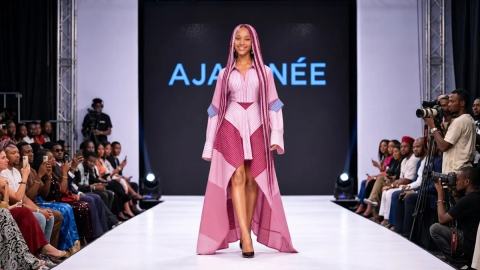
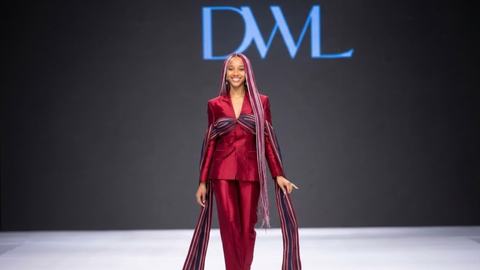
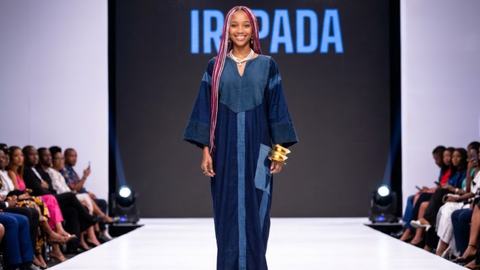
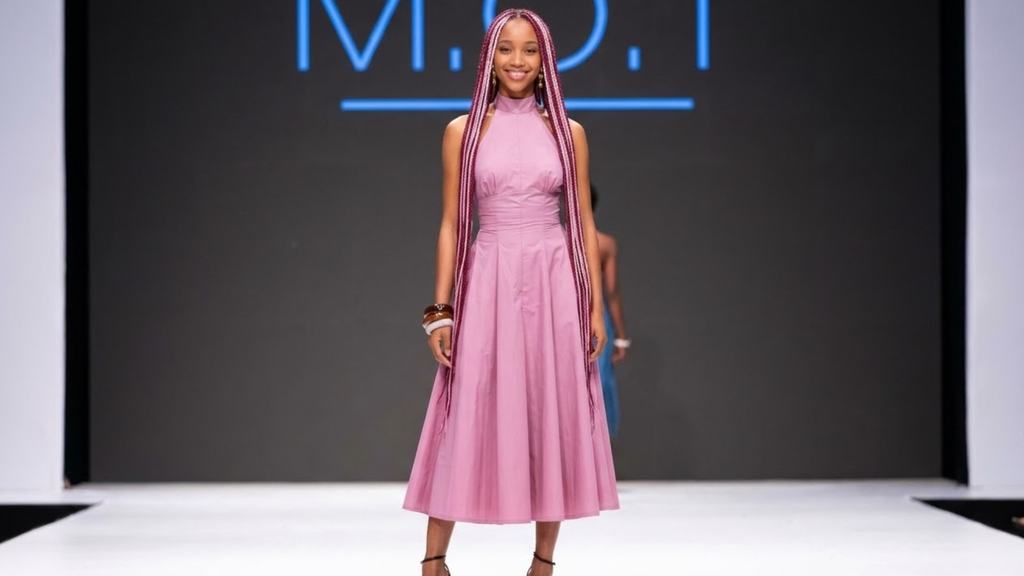
M.O.T the Label Lagos Fashion Week brought attention to a practical question within contemporary fashion: how can clothing be stylish, functional and designed around the needs of the people who wear it? The Lagos-based Nigerian brand, founded by Mo Agusto in 2019, has built its identity around ready-to-wear clothing that combines colour, versatility and a more considered approach to fit.
The label’s design philosophy centres on the contemporary woman and recognises that body proportions do not always align neatly with conventional sizing systems. Rather than treating fit as a secondary consideration, M.O.T places it within the design process, alongside the appearance and function of each garment.
READ: Maliko at Lagos Fashion Week 2026: Artisanal Footwear
The brand’s approach is relevant to the wider fashion industry because a garment’s appeal depends on more than its look. Customers also need clothing that fits comfortably, works for their daily routines and can be styled for different occasions.
For me, this is one of the most important conversations in ready-to-wear fashion. A beautiful garment may attract attention, but the experience of wearing it determines whether it becomes a useful part of someone’s wardrobe. Fit, movement, fabric and finishing are essential parts of that experience.
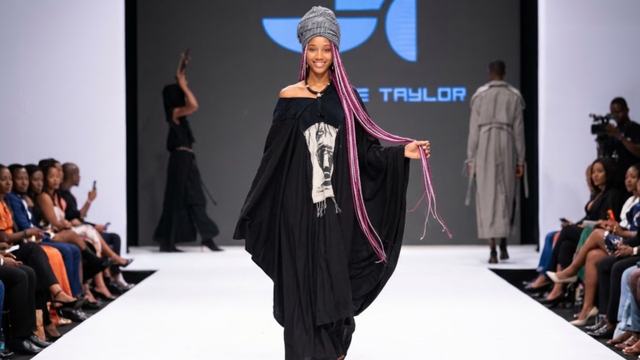
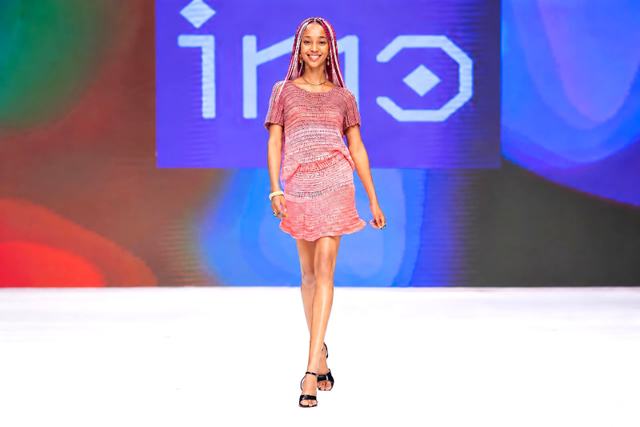
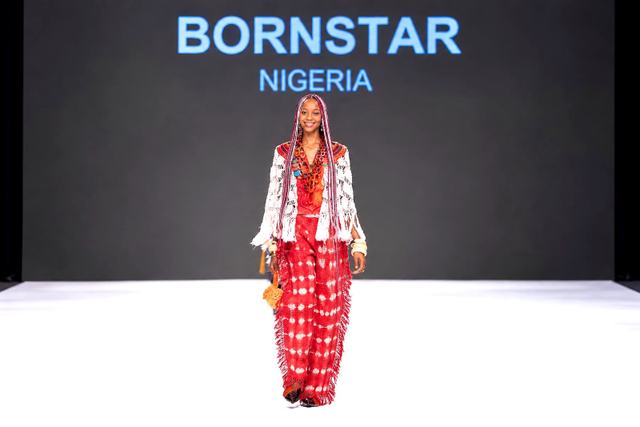
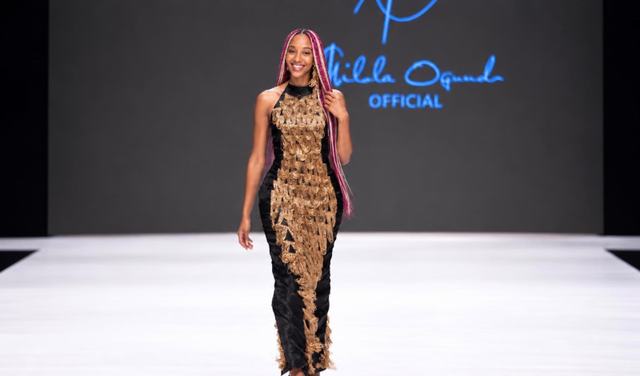
M.O.T’s presence in the Friday programme at Lagos Fashion Week 2026 placed these questions within a wider showcase of African design. The event featured labels exploring heritage, craftsmanship, experimental materials and contemporary silhouettes, demonstrating that fashion innovation can take many forms.
Coverage by discussed the day’s varied design approaches, while the brand’s provides details about its founder, design philosophy and production approach.
Who Is Mo Agusto, the Founder of M.O.T?
Mo Agusto founded M.O.T in Lagos in 2019. Before moving into fashion design, she worked as an image consultant, an experience that gave her an understanding of clothing, personal presentation and the relationship between style and the individual.
Her transition into design followed a recognition that many clothing brands did not adequately address the needs of Black and brown women with body proportions that fall outside conventional sizing expectations. She established M.O.T to address that gap by developing pieces intended to combine fashion with practical wearability.
Agusto’s technical fashion knowledge developed through self-directed learning and courses at the University of the Arts London’s London College of Fashion and Central Saint Martins, according to the brand’s published biography. She also holds a degree in Economics from the University of Nottingham, as noted in her profile on the African fashion platform.
These experiences bring together several perspectives: an understanding of image and personal style, technical garment development and an awareness of the business considerations involved in building a fashion label.
The brand’s philosophy places the modern woman at the centre of its work. Its collections include ready-to-wear clothing, accessories and kidswear, extending the label beyond a single category while maintaining an emphasis on function and design.
The name M.O.T is used by the label across its brand communications. Its published story consistently emphasises affordability, versatility and a desire to serve customers whose needs may not be adequately addressed by conventional fashion sizing.
That background helps explain why fit is central to the label’s identity. The brand’s approach is not simply about creating more styles; it is about considering the people who need those styles to work in real life.
M.O.T the Label Lagos Fashion Week and the Question of Fit
Fit is one of the most important elements of clothing design, yet it can be difficult to achieve consistently across a ready-to-wear range. People differ in height, shoulder width, bust, waist, hip proportions and other measurements, and these differences influence how a garment sits on the body.
Conventional sizing systems simplify those variations into standard categories. While this makes mass production more manageable, it can leave some customers needing extensive alterations or struggling to find garments that fit comfortably.
M.O.T’s design philosophy responds to that challenge by placing greater attention on a range of body proportions. The objective is to create clothing that supports the wearer rather than forcing every customer to adapt to the same narrow set of assumptions.
This approach requires careful pattern development. A designer needs to consider how changes in one measurement affect the rest of the garment. Increasing the width of a pattern, for example, does not always solve fit issues because body proportions do not change uniformly.
A well-fitting garment must also allow for movement. Customers should be able to sit, walk, reach and carry out everyday activities without the fabric pulling uncomfortably or the seams becoming strained.
For brands, developing garments that fit a wider range of customers can require additional testing, pattern adjustments and quality control. These processes take time, but they can improve the relationship between the product and the person buying it.
Inclusive design is therefore not just a question of offering more sizes. It involves understanding how garments behave on different bodies and making deliberate decisions about construction, proportions and comfort.
The Designer’s Focus on Function and Everyday Versatility
M.O.T describes its products as affordable, functional and fashionable pieces designed for women around the world. That emphasis on function is important because clothing often needs to serve several purposes within a customer’s daily routine.
A garment might be worn to work, for a social occasion or during travel. The way it is cut, the material used and the details included can determine how easily it moves between settings.
Versatility does not necessarily mean that every item must be neutral or understated. A colourful piece can still be versatile if its silhouette and styling allow it to work with different accessories or complementary garments.
The label’s design approach combines vibrant colour with practical considerations. Its stated aim is to create clothing that responds to the tastes and lifestyles of contemporary women while maintaining an identifiable visual character.
For customers, this can mean considering a garment in relation to the rest of their wardrobe. A well-chosen top may work with trousers, skirts or denim, while a dress may be styled differently through shoes, bags and accessories.
Function also includes the practical experience of wearing and maintaining a garment. Fabric choice, fastening methods, seam placement and care requirements can affect whether a piece remains comfortable and useful over time.
I believe this relationship between creativity and function deserves more attention in fashion discussions. The most effective everyday clothing does not have to sacrifice style to be practical, and a visually distinctive garment does not have to be uncomfortable or difficult to wear.
Colour as Part of the M.O.T Design Identity
Colour is an important part of M.O.T’s published design philosophy. The brand describes its use of colour as a way to create vibrant yet enduring pieces that reflect the lifestyles and preferences of its customers.
Colour can influence the mood of a garment before the observer notices its construction. A vivid shade may create energy, while a softer palette can produce a more understated impression. Contrasting colours can also create a focal point or emphasise a particular part of the silhouette.
The choice of colour should work alongside the material. A shade may appear different on a smooth surface than it does on a textured fabric, while the weight and drape of the material can influence how the colour is perceived in motion.
For ready-to-wear designers, colour also creates practical decisions about product ranges. A style may be offered in several shades to suit different customers, but each additional colour can affect production planning, stock management and the availability of sizes.
The challenge is to build a palette that expresses the brand’s identity without making the clothing difficult to coordinate. Customers may want a statement piece, but they may also value items that can be combined with garments they already own.
M.O.T’s emphasis on vibrant colour and functionality suggests an approach that considers both visual expression and practical use. The two are not mutually exclusive when colour is treated as part of the overall design rather than an isolated feature.
Why Inclusive Womenswear Matters
Fashion is experienced differently by people with different body proportions, preferences and practical needs. When a brand’s sizing system does not adequately reflect those differences, customers may have to rely on alterations or settle for clothing that does not fit as intended.
Inclusive womenswear seeks to address these barriers through more thoughtful design and sizing decisions. This can involve adjusting patterns, expanding size options, testing garments on different body types and providing clear measurements.
It is important to distinguish inclusive design from the simple addition of more sizes. A wider size range does not guarantee that the proportions of a garment have been developed appropriately. A product may be available in several sizes and still fit poorly if the pattern grading does not account for how bodies vary.
Brands also need to communicate accurately about fit. Size charts, garment measurements and descriptions of how a piece is intended to sit can help customers make better purchasing decisions, particularly when shopping online.
M.O.T’s stated motivation arose from the experience of recognising a gap in the market for Black and brown women with unconventional body proportions. That focus places customer needs at the centre of the brand’s story.
For the wider industry, it raises a practical question: how can fashion businesses develop garments that reflect the people they want to serve? The answer involves design, production, testing and listening to customer feedback.
M.O.T’s On-Demand Production and Material Awareness
M.O.T’s published designer profile on Industrie Africa describes an on-demand production model and an effort to repurpose leftover fabrics into additional products. These practices are relevant to the wider discussion about fashion waste and the relationship between production volume and customer demand.
On-demand production generally means making items in response to orders or identified demand rather than producing large quantities in advance. Depending on how a business operates, this approach may help limit unsold inventory.
However, it also creates operational challenges. Customers may need to wait longer for their orders, and the brand must plan production schedules carefully to meet delivery expectations. The model works best when communication, sourcing and manufacturing are coordinated effectively.
Repurposing leftover fabric can also extend the use of materials that might otherwise remain unused. Offcuts may be suitable for smaller accessories, panels or other products, depending on their size, condition and composition.
The environmental value of these measures depends on how they are implemented. On-demand production does not automatically eliminate waste, and repurposing scraps does not address every impact associated with textile production. The source of materials, energy use, transport and garment lifespan remain relevant.
Still, these practices can provide a useful framework for thinking about how fashion businesses plan their resources. They encourage designers to consider what happens to material beyond the main garment and how production decisions affect inventory.
From Image Consulting to Fashion Design
Agusto’s professional transition from image consulting to fashion design offers an important part of the brand’s background. Image consulting involves considering how clothing, colour and personal presentation work together, while fashion design adds the technical task of developing the garments themselves.
That combination can influence how a designer thinks about the relationship between product and customer. A garment needs to have a clear design identity, but it also needs to respond to how people want to present themselves.
The technical side is equally important. A designer must understand fabric properties, pattern development, construction and finishing. These skills help transform an idea into a garment that can be worn and reproduced.
Agusto’s training included self-directed learning and courses at the London College of Fashion and Central Saint Martins, according to the brand’s official account. That path reflects the different routes people can take into the fashion industry, combining formal instruction with independent skill development.
Building a label also involves business decisions. Production costs, pricing, marketing, stock management and customer service all influence whether a fashion business can remain viable.
For a brand focused on function and fit, the challenge is to maintain its design principles while meeting those commercial demands. The product must satisfy the customer, but the business must also be able to produce and deliver it reliably.
READ: Studio Imo Lagos Fashion Week: Crochet Reimagined
M.O.T Within Nigeria’s Contemporary Fashion Industry
Nigeria’s fashion industry includes luxury labels, independent designers, ready-to-wear businesses, tailors, textile specialists and emerging creative enterprises. Each contributes differently to the production and distribution of clothing.
Ready-to-wear brands occupy an important position because they can make designer-led clothing available beyond the bespoke market. They also face competition from imported products, informal clothing businesses and other local labels.
To build a sustainable business, a brand needs a clear understanding of its intended customer. Fit, price, quality, style and delivery all affect whether a customer chooses one label over another.
M.O.T’s focus on function and body proportions provides a distinct point of difference. Rather than relying exclusively on seasonal trends, the brand has identified a customer need and built its design philosophy around it.
Lagos Fashion Week gives labels a platform to present their work to a wider audience, but the long-term success of a brand depends on more than a runway appearance. Production consistency, reliable customer service and a strong product offering are all important after the event.
What Customers Can Learn From M.O.T’s Approach
M.O.T’s design philosophy offers a useful reminder that purchasing clothing should involve more than choosing a style or colour. Customers can also consider how a garment fits, how easily it can be styled, what material it uses and how it should be maintained.
For online shoppers, accurate measurements are particularly useful. Checking a size chart against existing garments can help reduce uncertainty, although the actual fit will still depend on the pattern and fabric.
Customers may also want to consider how often they expect to wear a piece. A garment that works across several settings may provide more opportunities for use, while a statement item may be chosen for a particular occasion.
Care instructions matter as well. Understanding whether a garment can be machine-washed, requires gentle handling or needs specialist cleaning can help customers maintain it for longer.
These questions are relevant to every price category. An expensive garment is not automatically a better fit, and an affordable piece is not automatically less useful. The value depends on how well the product meets the customer’s needs and how it performs over time.
For fashion brands, providing clear product information supports that decision-making process. Customers are more likely to understand a garment’s value when they know its measurements, materials and intended use.
Looking Ahead for M.O.T the Label
M.O.T’s presence at Lagos Fashion Week 2026 placed its focus on inclusive fit, practical styling and contemporary womenswear within a wider discussion about the future of Nigerian fashion.
Founded by Mo Agusto in 2019, the label has developed its identity around the idea that clothing should serve the person wearing it. Its interest in colour and visual expression sits alongside a concern for function, body proportions and the practical realities of everyday dressing.
The brand’s published approach to on-demand production and fabric reuse also raises questions about how fashion businesses can plan resources more carefully. The results depend on implementation, but these are important considerations for labels seeking to connect creative ambition with responsible business practices.
I believe M.O.T’s most useful contribution is its emphasis on the customer as part of the design process. Fashion is often discussed in terms of trends and visual impact, yet fit and function shape the experience of clothing long after the runway presentation ends.
The label’s future development will depend on how it evolves its products, maintains quality and continues to respond to customer needs. Its place in the 2026 programme nevertheless highlighted an essential part of contemporary fashion: good design must consider both what a garment communicates and how it works for the person wearing it.
Ultimately, M.O.T the Label Lagos Fashion Week contributed to the conversation about creating clothing that balances style with function. Through its emphasis on fit, colour and everyday versatility, the brand presents inclusivity not as a separate concern but as a practical part of designing contemporary womenswear.
The writer of this article does not claim to know the individuals named personally. The information about their backgrounds, as published on Global News Arena, is based on independent online research.
Are you interested in learning how to write professionally and earn money as a writer and content creator? Contact Auxi Chat today to start your writing journey immediately.
Need a professional website in 72 hours? Contact Auxi Chat
If you have an article, opinion piece, event or news story you would like published, Global News Arena would love to hear from you.