Ajanée Fashion Brand: Luqman Ajani and the Art of Seeing Clothing Differently
Fashion often begins with a simple question: what do we want to wear? Yet the work of a designer can raise a much more complicated question. Why do we dress the way we do, who decides what looks acceptable, and what happens when clothing becomes a way to challenge those expectations?
I find these questions particularly relevant when considering the Ajanée fashion brand, founded by Nigerian designer Luqman Ajani. The label has developed an approach that places individuality, experimentation and the reconsideration of existing garments at the centre of its creative identity. Rather than treating clothing as something that must always begin with untouched fabric, Ajanée has explored how existing materials can be taken apart, rearranged and given a different purpose.
This approach places the brand within a wider conversation about contemporary Nigerian fashion. Across the industry, designers are negotiating the relationship between heritage and experimentation, local production and international visibility, and commercial clothing and more personal forms of expression. Ajanée adds another dimension to that discussion by asking audiences to reconsider what a garment can become.
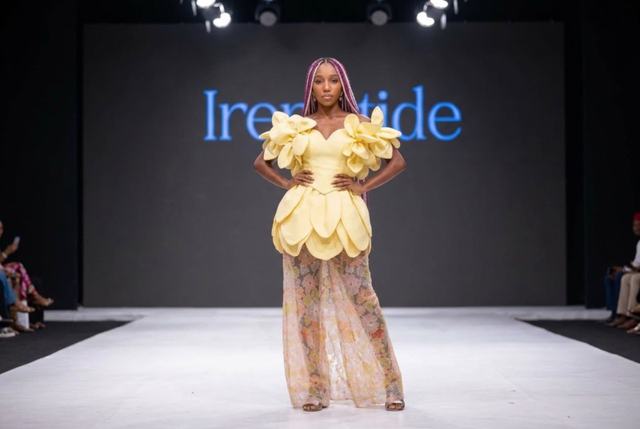
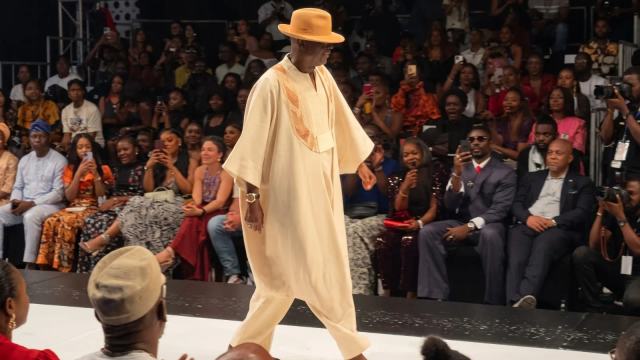
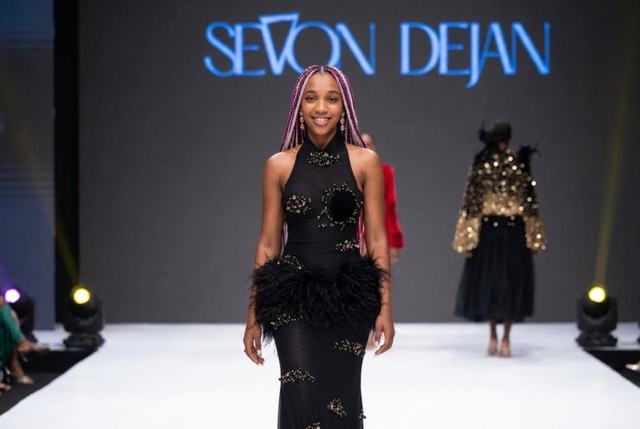
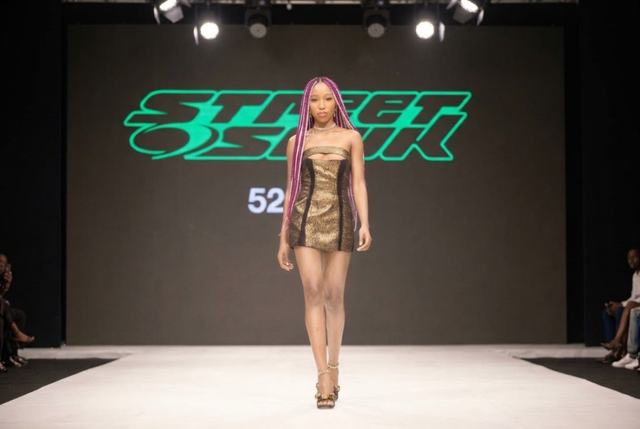
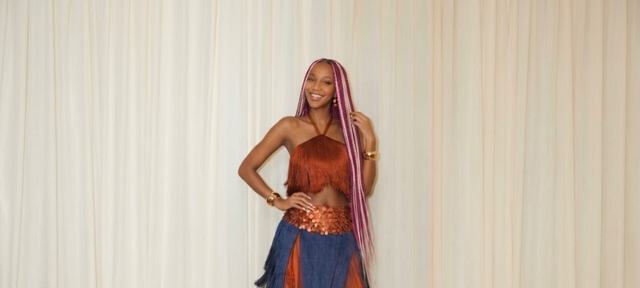
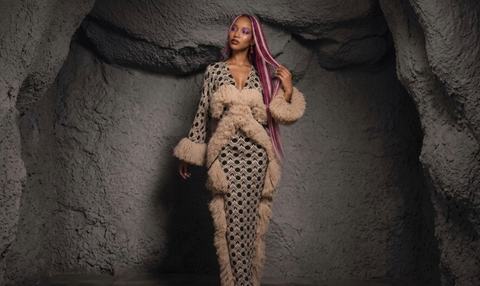
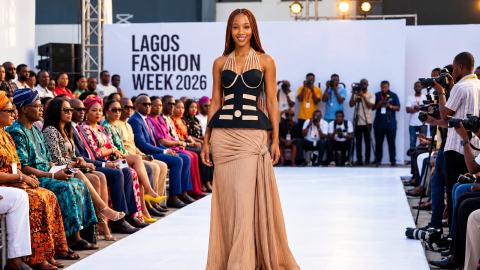
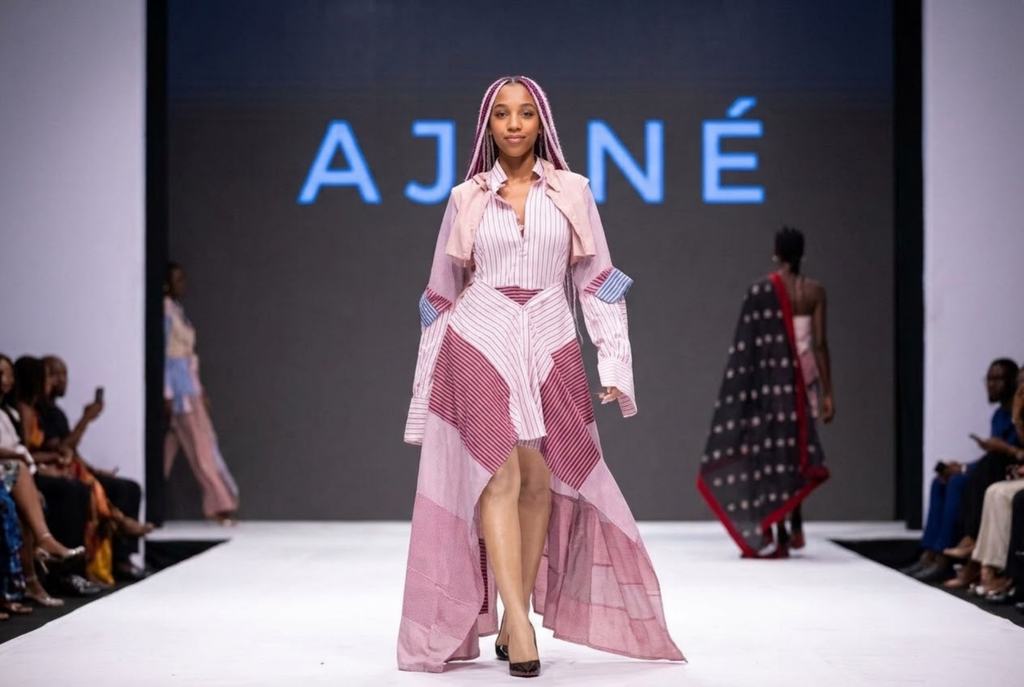
The brand’s presentation at Lagos Fashion Week in October 2026 offered another opportunity to consider these ideas. Coverage of the show described patterned streetwear, flowing capes, patchwork dresses and reconstructed garments. A separate report identified its Spring/Summer 2027 collection, titled Masquerading (Cloth as Spirit), as an exploration of circularity through the deconstruction and reconstruction of existing clothing, including old jerseys transformed into dresses. These details suggest a design language concerned not only with appearance, but also with the history and possibilities of the materials used to create each piece. (Sources: Not Just a Label’s Ajanée profile, Modaculture’s Lagos Fashion Week 2026 coverage.)
Luqman Ajani: A Creative Journey Built Around Curiosity
The story of Ajanée begins with Luqman Ajani’s interest in making things. His published designer biography describes an early fascination with craft, including memories of watching his mother and sister have their hair plaited and decorated with beads. These experiences encouraged an interest in the relationship between materials, arrangement and visual expression.
Drawing also became part of that creative development. According to his profile on Not Just a Label, Ajani would sketch when he came across pen and paper. As his interest grew, clothing became a more important area of exploration. Rather than following a conventional fashion school route, he developed his skills through self directed experimentation, using whatever materials were available to him.
One detail from this biography is especially revealing: Ajani reportedly used old newspapers to make patterns and experimented with his mother’s sewing machine. It is an image that helps explain the spirit behind the brand. The process began not with a fully equipped studio or a ready made formula, but with curiosity, available resources and the desire to see what could be created.
I believe there is value in recognising these less conventional paths into fashion. Formal training can provide important technical foundations, industry connections and professional discipline. However, creative industries also contain people whose methods develop through practice, observation, persistence and independent learning. Neither path automatically guarantees success. What matters is how a designer transforms learning into a coherent practice and continues to develop the skills needed to sustain it.
Ajani’s biography also connects clothing with emotional expression. His interest in fashion developed alongside an awareness that society can react strongly to people or ideas perceived as different. Ajanée consequently became a space for exploring individuality and pushing clothing beyond familiar expectations. This background gives the label’s experimentation a personal dimension. Unusual construction is not merely a visual trick; it can become a way to question the rules that govern how people present themselves.
The designer’s journey also illustrates the importance of access. Not every aspiring creative has the opportunity to study at a specialist institution, purchase expensive equipment or enter established professional networks. A self directed beginning does not remove the need for technical competence, but it can demonstrate how resourcefulness and sustained practice contribute to creative development.
From Reused Garments to New Design Possibilities
One of the most distinctive aspects of the Ajanée fashion brand is its interest in upcycling. This approach uses existing clothing or materials as the starting point for new designs, rather than treating every garment as a product that must be made entirely from newly sourced fabric.
The distinction matters. Reusing a garment is not simply a matter of attaching old pieces to new ones. Successful reconstruction requires a designer to understand the original garment’s proportions, seams, fabric behaviour and construction. A sleeve may become a panel. A section of a jersey may become part of a dress. A familiar silhouette may be broken apart and reassembled into something that no longer carries the same meaning as the original item.
Ajanée’s published description of its upcycled collection explains that discarded clothing sourced from local flea markets can become the primary material for new garments. The design process pays attention to the existing garment’s panels and uses their qualities to guide the new construction. In this sense, the material is not simply a passive resource. It influences the final design.
I find this approach interesting because it reverses the conventional relationship between designer and fabric. In traditional production, a designer may begin with an idea, select a textile and direct the material towards a planned outcome. With reconstruction, the existing garment places limits on what is possible. The designer has to work with its dimensions, textures, wear, seams and previous construction. Those constraints can create unexpected solutions.
The resulting piece may retain traces of its earlier life while acquiring a new function. That history can become part of the design’s character. It also challenges the idea that an item loses all value once it no longer fits its original purpose.
However, upcycling should not automatically be treated as a complete solution to fashion’s environmental problems. The process still involves labour, transport, cleaning, cutting, sewing and sometimes additional materials. A responsible assessment must consider how garments are sourced, how much waste is produced during reconstruction, how durable the finished pieces are and whether customers will continue wearing them.
Even with those considerations, Ajanée’s approach provides a useful example of how existing clothing can become a starting point for creative work rather than being discarded without further thought.
The Language of Deconstruction and Individuality
Deconstruction has become an important part of contemporary fashion because it questions the assumption that clothing must always appear symmetrical, conventional or complete according to familiar standards. Designers can expose seams, rearrange panels, alter proportions or combine materials that would not usually appear together.
Ajanée’s work has repeatedly drawn on this kind of experimentation. Earlier reporting on the label described asymmetrical cuts, patchwork, dyeing and screen printing, while its more recent Lagos Fashion Week presentation continued the exploration of reconstructed clothing and unexpected proportions. The 2026 collection was also described as featuring old jerseys transformed into dresses, paired with sheer fabrics.
These choices create a conversation between recognition and surprise. A viewer may recognise a familiar piece of clothing but notice that its shape, scale or purpose has changed. That moment of recognition is important because it makes the transformation visible. The design asks the audience to look again at something that might otherwise have been overlooked.
For me, this is one of the strongest ideas within experimental fashion. Clothing is so familiar that people often stop questioning its construction. We recognise a shirt, a dress or a jacket and understand its expected function. When a designer changes those expectations, the garment becomes a way to reconsider the relationship between form and use.
Individuality is another important part of this discussion. Fashion is frequently described as self expression, but commercial trends can also create pressure to dress in similar ways. A distinctive piece may offer a wearer another possibility, although the ability to dress freely is affected by cost, workplace rules, cultural expectations and access to different styles.
Ajanée’s creative direction suggests that clothing can make room for difference rather than simply reproduce a narrow definition of what is acceptable. That idea does not require every wearer to choose experimental fashion. Instead, it recognises the value of having more options and more space for personal interpretation.
Ajanée at Lagos Fashion Week 2026
The brand’s presentation in October 2026 placed its ideas within the wider conversation taking place at Lagos Fashion Week. The event’s programme brought together designers working across distinct approaches to African fashion, including textile experimentation, craft, tailoring, streetwear and material reuse.
Reporting on the Ajanée show described a collection rich in colour and movement, with patterned streetwear, flowing capes and patchwork dresses. The models reportedly closed the presentation by walking hand in hand, creating a collective image rather than ending on the idea of a single isolated look. Another report described the Spring/Summer 2027 collection as Masquerading (Cloth as Spirit) and highlighted its use of existing garments, including old jerseys, reconstructed into new forms.
The title invites reflection on the relationship between clothing, identity and transformation. A masquerade can suggest performance, concealment, revelation or the movement between different roles. Clothing can operate in similar ways. It may signal belonging, create distance, protect privacy or allow someone to present a side of themselves that is not immediately visible in everyday life.
This interpretation should not be confused with a claim that every design carries one fixed meaning. Fashion is open to multiple readings, and the designer’s intention may differ from the viewer’s response. Still, the collection’s title and its use of reconstruction offer a productive starting point for considering how garments can carry meaning beyond their practical function.
Lagos Fashion Week also provides a public setting in which Nigerian designers can place their work before audiences who may encounter their labels for the first time. Visibility matters, but it is only one part of building a lasting creative business. Designers also need production capacity, reliable suppliers, clear pricing, communication with customers and routes through which interested audiences can find their work after the runway presentation ends.
Sustainability, Craft and the Reality of Building a Fashion Business
Sustainability is often discussed through broad promises, but the practical details are more complicated. A designer may use discarded clothing and still face questions about energy use, transport, durability, packaging and the volume of production. A label may create visually distinctive pieces but struggle to produce them consistently at a price customers can afford.
For Ajanée, the use of existing garments opens an opportunity to make material reuse part of the design process. Yet the long term value of this approach depends on the quality of execution. A reconstructed garment needs to be well made, comfortable enough to wear and durable enough to justify the time and resources invested in it.
There is also a business question. Reconstructing garments can require more individual attention than producing many identical items from a standard pattern. The designer must account for variations in the materials, differences in sizing and the additional time needed to adapt each source garment. These considerations affect pricing, production planning and the number of pieces that can reasonably be made.
I believe conversations about responsible fashion should acknowledge this reality. Sustainability is not only about the material visible in a finished photograph. It also involves the systems that support production, the people who do the work and the decisions that determine whether a business can continue operating responsibly.
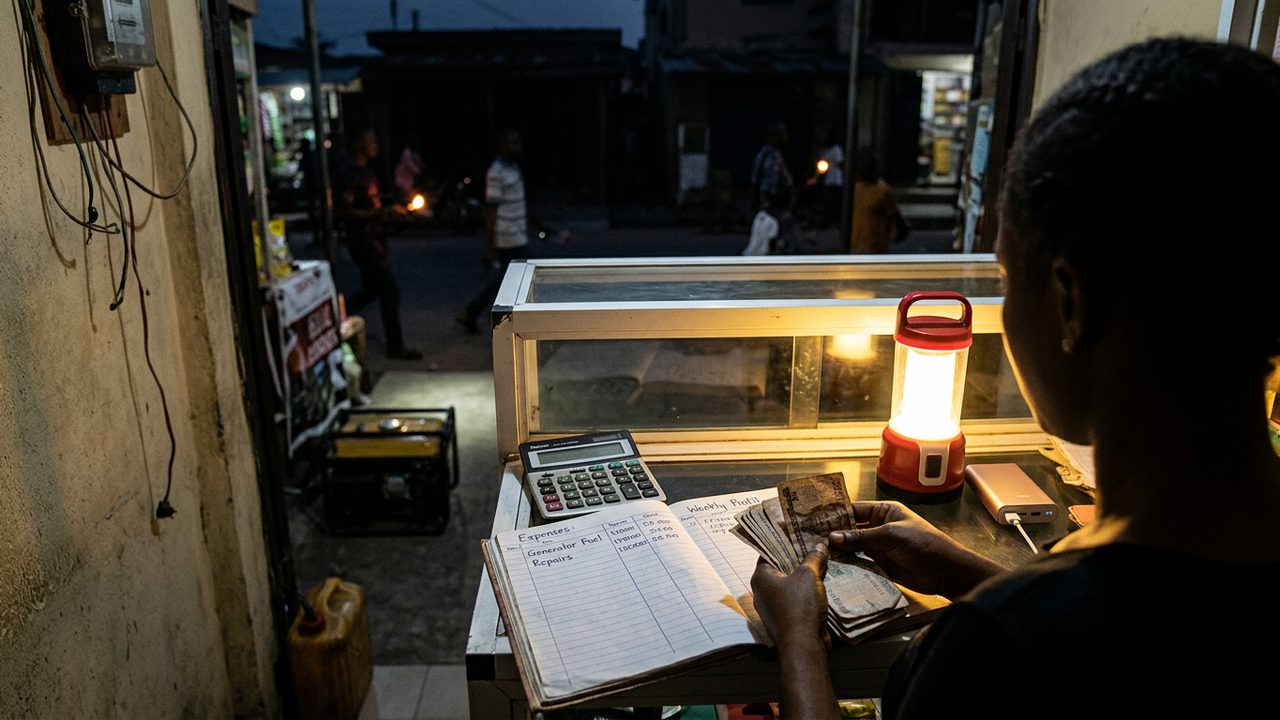
For emerging designers, financial stability can be as important as creative distinction. Access to equipment, skilled workers, appropriate production spaces and working capital may determine whether an idea remains an occasional project or develops into a lasting enterprise. A sustainable creative business must therefore consider both the life of the garment and the conditions under which it is made.
Ajanée’s use of upcycling places the brand within a valuable discussion about extending material life and reconsidering waste. The next challenge for any label working in this area is to demonstrate how its values are maintained across sourcing, production, pricing, repair and the eventual use of its garments.
What Ajanée Contributes to Contemporary Nigerian Fashion
The Ajanée fashion brand offers a perspective on fashion that begins with curiosity and challenges the assumption that new clothing must always come from new materials. Through reconstruction, asymmetry, patchwork and experimental silhouettes, the label treats clothing as something that can be questioned and reimagined.
Luqman Ajani’s biography adds another dimension to that story. His self directed creative journey demonstrates how practice, resourcefulness and an interest in craft can become the foundation for a distinctive design approach. His work also raises questions about individuality and the social expectations that influence how people dress.
I see Ajanée’s value not simply in whether a particular collection becomes a trend, but in the questions the label places before its audience. What can an old garment become? Can a familiar material tell a different story? How can fashion make space for people who do not want to fit neatly within established categories? And how can experimentation coexist with the practical demands of producing clothing responsibly?
These questions are relevant far beyond one runway. They speak to an industry in which designers must balance imagination with material realities, personal expression with commercial pressures, and cultural identity with a constantly changing global market.
Ajanée’s approach reminds us that creativity does not always depend on starting from nothing. Sometimes it begins by looking again at what already exists and recognising possibilities that were not obvious at first. That way of seeing clothing gives the brand a meaningful place in the ongoing conversation about individuality, reconstruction and the future of Nigerian fashion.
The writer of this article does not claim to know the individuals named personally. The information about their backgrounds, as published on Global News Arena, is based on independent online research.
Are you interested in learning how to write professionally and earning money as a writer and content creator? Contact Auxi Chat today to start your writing journey immediately.
Need a professional website in 72 hours? Contact Auxi Chat
If you have an article, opinion piece, event or news story you would like published, Global News Arena would love to hear from you.