DWL at Lagos Fashion Week 2026: Heritage Redefined Through Modern Tailoring
READ: Geometric Motion Design Lab at Lagos Fashion Week 2026
Lagos Fashion Week has become an important meeting point for established fashion houses, independent designers and emerging labels seeking to communicate their creative identities to a wider audience including DWL at Lagos Fashion Week 2026. Beyond the spectacle of the runway, the event provides a space for conversations about cultural memory, construction techniques, commercial ambition and the future of fashion across Africa.
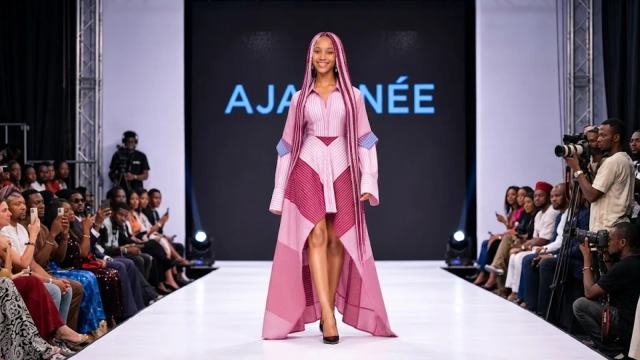
At the Thursday, 29 October 2026, presentation, DWL joined the lineup with Heritage Redefined, a collection that placed structure, colour and detail at the centre of its visual language. According to, the presentation marked DWL's debut on the Lagos Fashion Week runway.
READ: Sanwo-Olu walks the runway at Lagos Fashion Week 2026
That debut matters because a first appearance at a major fashion platform introduces a label to audiences who may not have followed its development before. It gives the designer an opportunity to establish a visual identity, communicate a point of view and demonstrate how individual garments work together as a collection.
I believe a runway debut is most interesting when it offers more than a sequence of attractive outfits. It should give observers a sense of the ideas behind the clothes, the choices that distinguish the label and the direction its creative work might take next. With Heritage Redefined, DWL entered a wider discussion about how familiar forms, careful construction and contemporary styling can coexist.
What is known about DWL's creative identity
Public coverage of DWL's 2026 presentation provides a clearer picture of the collection than of the founder's personal background or the label's full history. For that reason, this profile focuses on the work that can be documented rather than assigning an unverified biography to the person or people behind the brand.
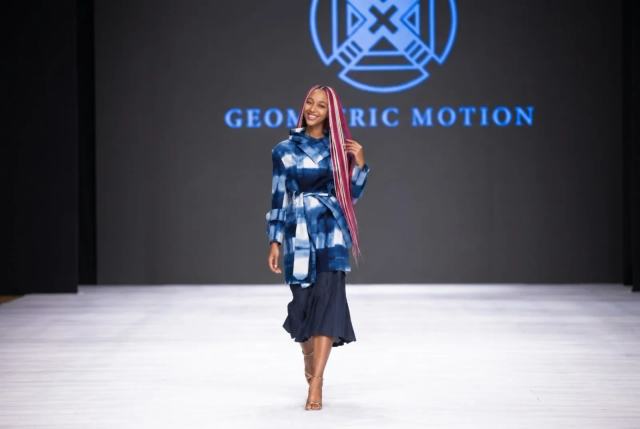
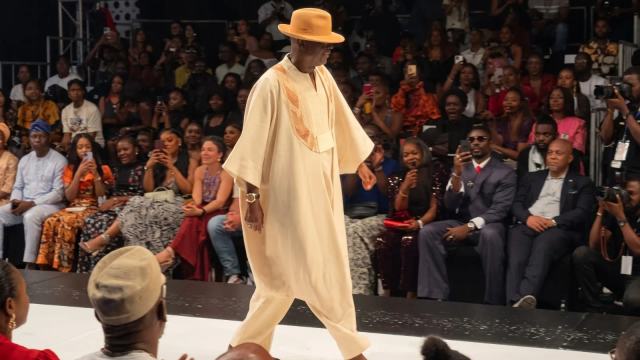
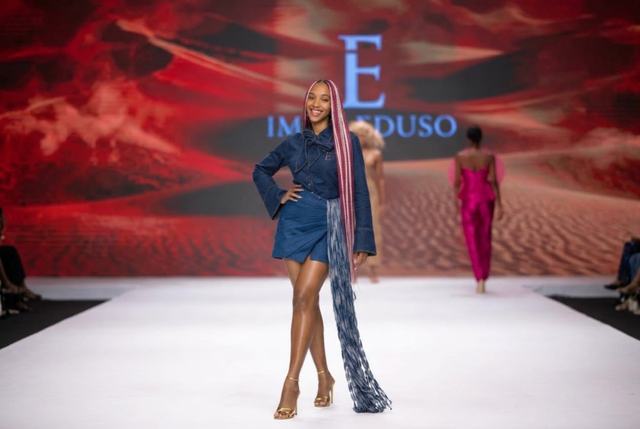
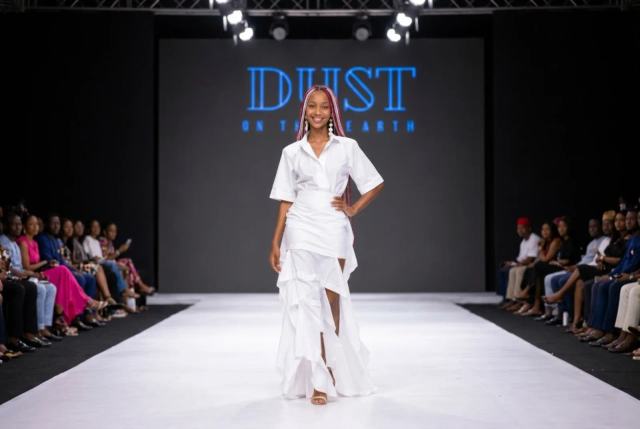
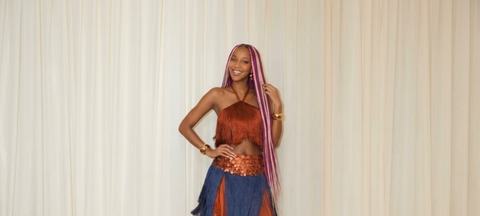
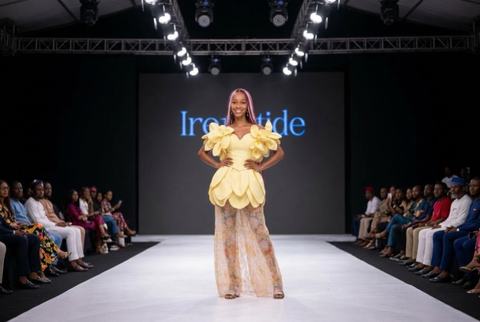
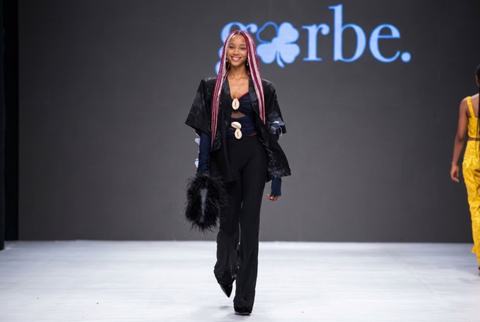
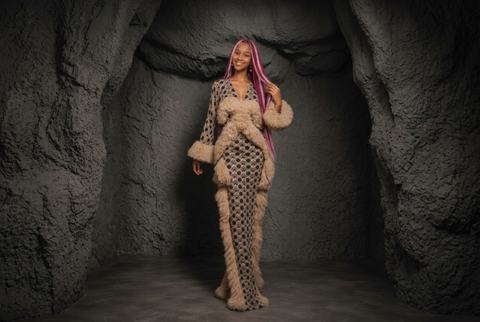
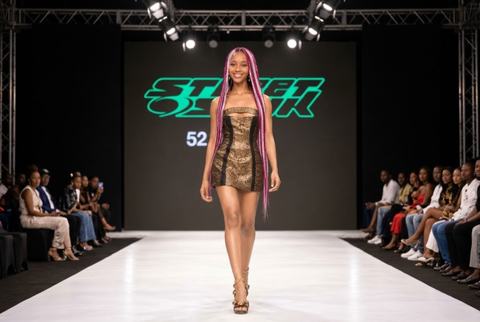
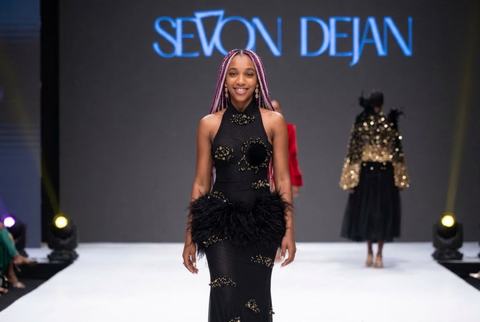
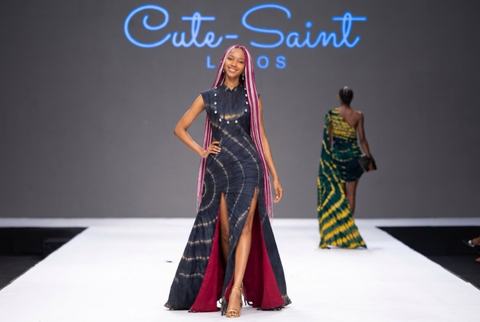
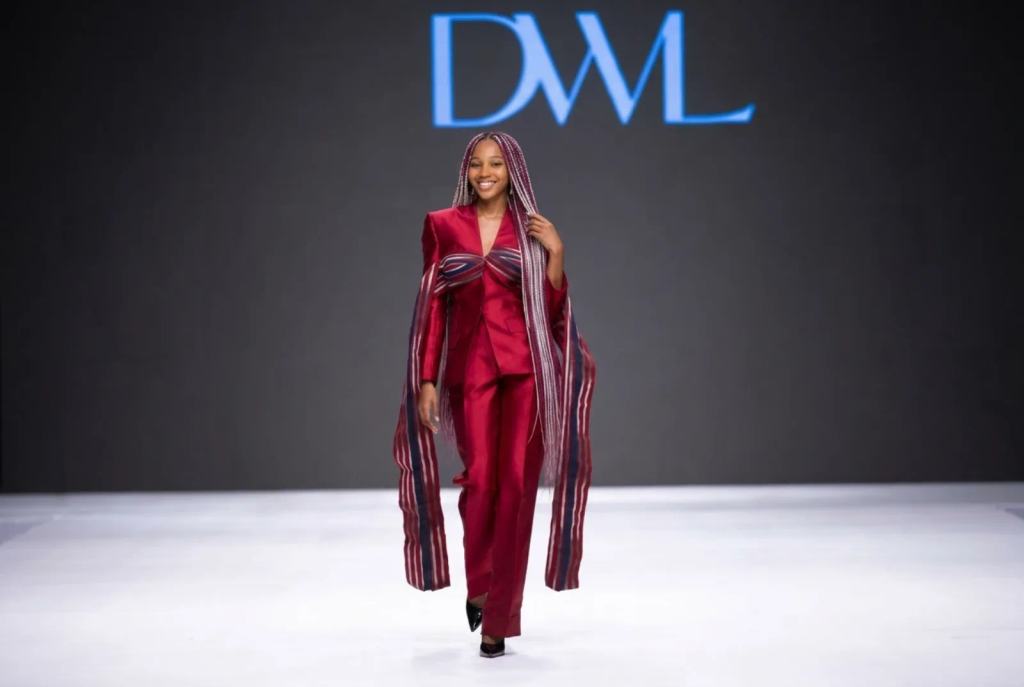
The label's presentation was characterised by structured tailoring, rich colours, lacework and contemporary silhouettes. Those elements offered several points of entry into the collection's stated interest in heritage and modern design.
Tailoring is one of fashion's most enduring methods of shaping clothing. It determines how a garment sits on the body, where its lines begin and end, and how its proportions communicate authority, elegance, ease or drama. A tailored jacket, for example, can create a sharply defined shoulder, draw attention to the waist or introduce a clean architectural line through the torso.
When tailoring is placed alongside lacework and more fluid eveningwear, the result can move between different visual registers. One outfit may emphasise precision and control, while another may rely on softness, transparency or movement. The contrast can give a collection variety without making it feel disconnected.
DWL's runway presentation brought these different approaches into the same conversation.
Understanding the idea behind Heritage Redefined
The title Heritage Redefined suggests a creative approach that does not treat tradition as something fixed in the past. Instead, heritage becomes material for reinterpretation, allowing familiar references to be examined through new cuts, proportions, surfaces and styling decisions.
In fashion, heritage can refer to many things. It may be found in the techniques used to make a garment, the significance attached to particular textiles, the history of formal dressing or the visual conventions associated with a community. It can also refer to the knowledge passed from one generation of makers to another.
Redefining heritage does not necessarily mean abandoning these references. It can mean asking how they might function in the lives of contemporary wearers. What happens when a familiar decorative technique appears on a sharply cut jacket? How might traditional surface details work alongside a modern evening silhouette? Can a garment carry historical associations while still feeling relevant to a person dressing for the present?
These questions make the collection's title particularly appropriate for a fashion week whose 2026 programme placed emphasis on heritage, innovation and circular futures. The organisers' broader theme encouraged designers to consider how cultural knowledge and craftsmanship could continue to inform contemporary fashion.
DWL's presentation contributed to that conversation through its use of tailored forms, lace and statement details.
Structure, tailoring and the modern wardrobe
Structured clothing has a distinctive place in the modern wardrobe because it creates definition. A well-shaped jacket or fitted suit can communicate formality, while carefully controlled proportions can transform a familiar silhouette into something more expressive.
DWL's collection moved between sharply fitted pieces and flowing eveningwear, according to. This contrast is worth considering because contemporary wardrobes rarely consist of a single mood. People move between professional environments, social gatherings, celebrations and personal occasions, often seeking clothes that can express different aspects of their identity.
The design challenge is to create distinction without losing coherence. A fitted garment can rely on its cut for impact, while a flowing piece may use drape and movement to achieve a different effect. When both appear in the same collection, the designer must establish a connection through colour, finishing, proportion or a shared attitude towards dressing.
This is where construction becomes important. The visual impact of a garment is not only about the fabric or colour chosen. It also depends on how the material is cut, joined, shaped and finished. The relationship between a sleeve and shoulder, the placement of a seam, the balance between a fitted bodice and a full skirt, or the way a garment moves as the wearer walks can all affect the final result.
I find this aspect of fashion especially important because the most memorable pieces often combine visual confidence with thoughtful construction. An outfit can attract attention immediately, but its design becomes more compelling when the details support the overall form.
Lacework and the value of detail
Lace introduces another dimension to DWL's collection. Depending on how it is used, lace can create delicacy, contrast, texture or visual depth. It may soften a strong silhouette, provide transparency or introduce an ornamental surface against a more structured fabric.
Its effect also depends on placement. Lace used across an entire garment creates a different impression from lace applied to sleeves, panels, collars or selected sections of a dress. Against a sharply tailored shape, it can create tension between precision and softness.
This balance is relevant to the idea of redefining heritage. A material or technique associated with a particular kind of formal dressing can be reconsidered through a new silhouette or a different combination of fabrics. The result does not have to reject established ideas of elegance. It can expand the ways elegance is expressed.
Detail, however, needs to serve a purpose. Too many decorative elements can compete with a garment's structure, while a restrained treatment can draw attention to a particular seam, line or proportion. The success of the design lies in the relationship between the different elements.
The reported combination of lacework, rich colours and statement silhouettes gave DWL several ways to explore this relationship on the runway.
Colour as part of the collection's message
Colour can change how a garment is perceived before a viewer has time to examine its construction. Deep shades may communicate intensity or formality, while brighter colours can create energy and visibility. A collection that uses a rich palette can therefore create variety even when its garments share similar structural principles.
The use of colour in DWL's presentation was part of a broader approach to modern dressing. Rather than relying on one silhouette alone, the collection combined colour and form to create different expressions within a single runway narrative.
The relationship between colour and tailoring is particularly interesting. A sharply cut garment in a saturated shade may appear more assertive than the same garment in a muted tone. A flowing dress in a deep colour may emphasise movement differently from one in a pale shade. These choices shape how a collection is experienced as a whole.
The runway is also a visual environment. Garments appear under lighting, move past spectators and are often photographed in quick succession. Colour, contrast and silhouette must work together if the designer wants each look to remain recognisable within the wider presentation.
DWL and the larger African fashion conversation
DWL's debut took place within a wider African fashion landscape in which designers are increasingly discussing how cultural references can be used without limiting contemporary expression. Heritage can be a source of inspiration, but it also raises questions about interpretation, ownership, craftsmanship and the economic structures that support the people who make clothing.
The wider programme at Lagos Fashion Week 2026 brought together different approaches to these questions. Some labels explored traditional textiles, others used deconstruction or reclaimed materials, while others focused on tailoring, embellishment and new silhouettes. Modaculture's coverage of Day Two documented the range of techniques and design approaches on display.
Within this environment, DWL's focus on tailoring and detail offered another perspective on the relationship between heritage and modernity. It showed how a collection can address contemporary dressing through the construction of garments and the choices made in their presentation.
There is also a practical dimension to the discussion. A runway collection may generate attention, but a fashion business needs more than visibility to grow. Customers need reliable sizing, quality control, clear ordering arrangements and garments that meet the expectations created by their presentation. Retailers and buyers may also need information about production capacity, delivery timelines and wholesale terms.
These practical questions are part of the future any emerging or developing label must navigate.
READ: Imad Eduso Into the Wild at Lagos Fashion week 2026
What DWL's debut means for its next chapter
A runway debut should be understood as a beginning rather than a final verdict on a label's direction. It gives a designer an opportunity to present a body of work, but the next stages of development will determine how that work evolves and reaches its audience.
For DWL, Heritage Redefined established a public point of reference through structured tailoring, lacework, rich colour and varied silhouettes. The collection placed the label within a fashion conversation that values the relationship between construction and expression.
The next question is how these elements will develop. Will future collections extend the dialogue between tailored pieces and flowing garments? Will the label explore further interpretations of heritage through textiles and finishing? How will its visual identity develop as it reaches different audiences?
These are open questions rather than predictions. Their answers will emerge through the label's subsequent work.
What the 2026 presentation offers, however, is a starting point for evaluating DWL's design direction. Its debut demonstrated an interest in balancing structure with movement and decorative detail with contemporary form.
Beyond the runway
Fashion week is often remembered through photographs, standout outfits and dramatic closing moments. Yet the work behind a collection involves decisions that are less visible: pattern development, fabric selection, fitting, finishing and the coordination required to bring multiple looks together.
The quality of a label's long-term work depends partly on how these decisions are managed. A strong visual idea becomes more sustainable when it can be developed consistently, translated into wearable products and supported by a realistic production process.
For audiences following DWL, the most useful approach is to see Heritage Redefined as an introduction to the label's runway identity. It offers a documented collection of ideas that can be followed as the brand continues its development.
I believe the most meaningful measure of a designer's progress is not simply whether one collection attracts attention. It is whether the creative language becomes clearer over time, whether the work remains considered and whether the business can support the quality its designs promise.
DWL's Lagos Fashion Week debut added its voice to the continuing conversation about heritage and contemporary fashion. The next chapter will show how that voice develops.
The writer of this article does not claim to know the individuals named personally. The information about their backgrounds, as published on Global News Arena, is based on independent online research.
Are you interested in learning how to write professionally and earn money as a writer and content creator? Contact Auxi Chat today to start your writing journey immediately.
Need a professional website in 72 hours? Contact Auxi Chat
If you have an article, opinion piece, event or news story you would like published, Global News Arena would love to hear from you.